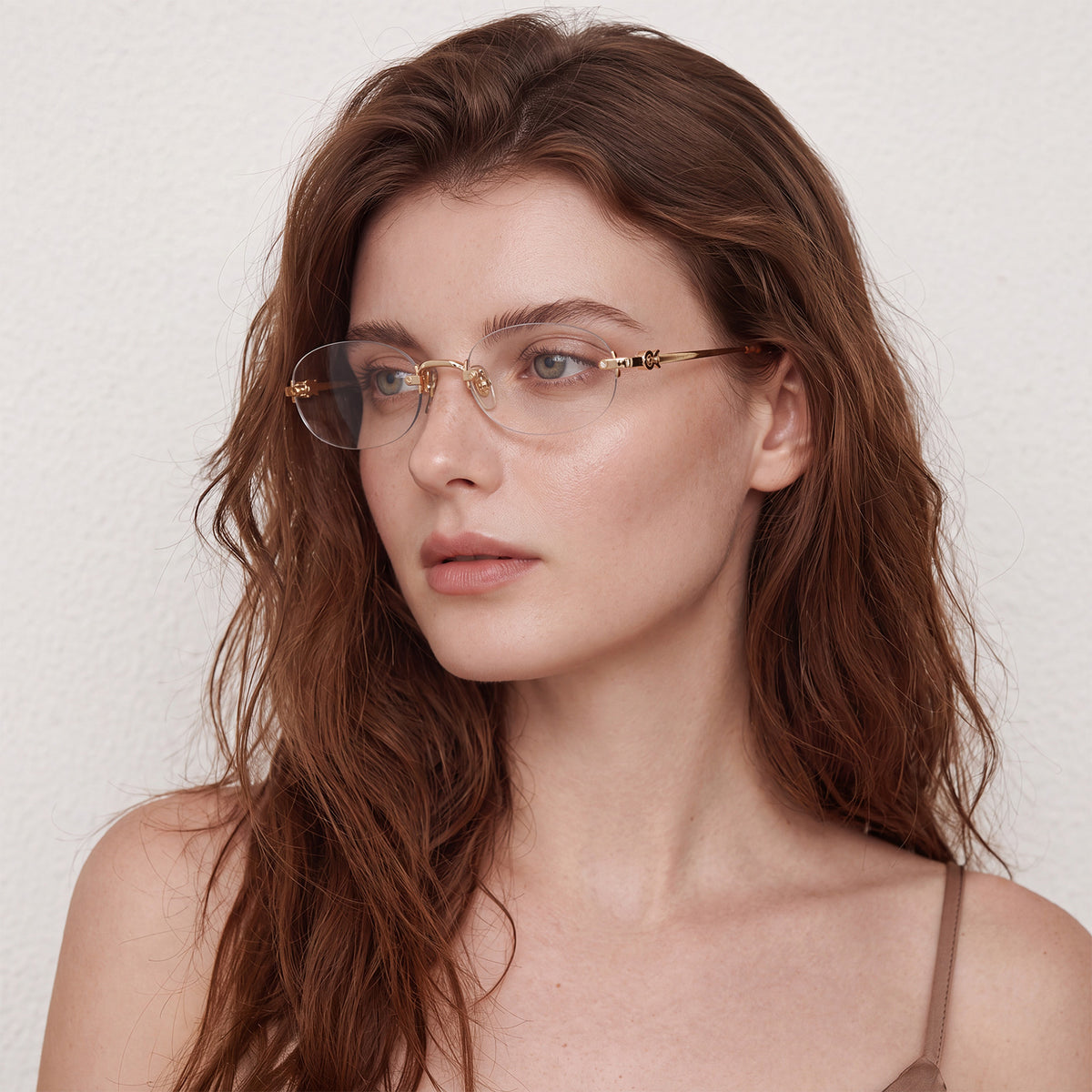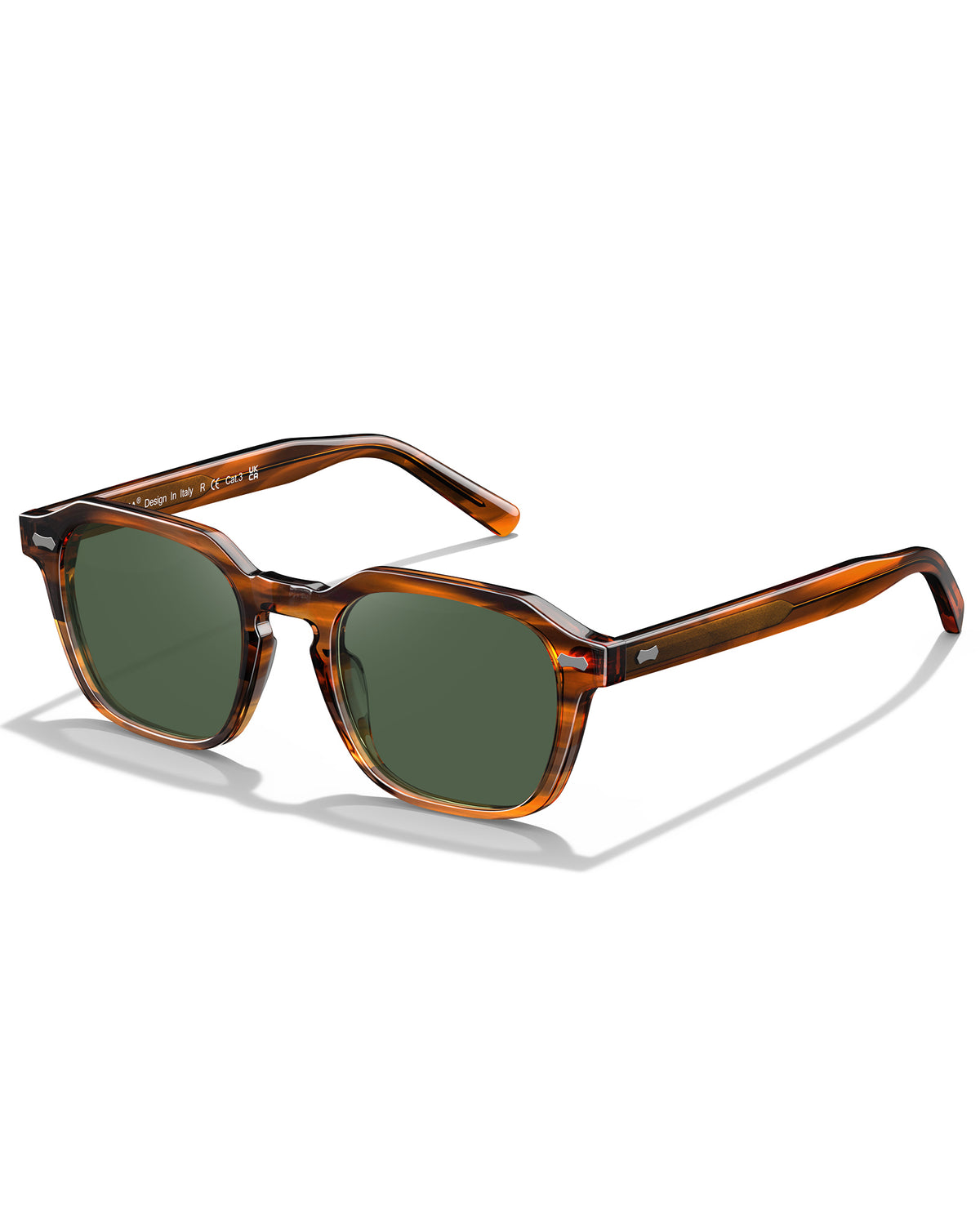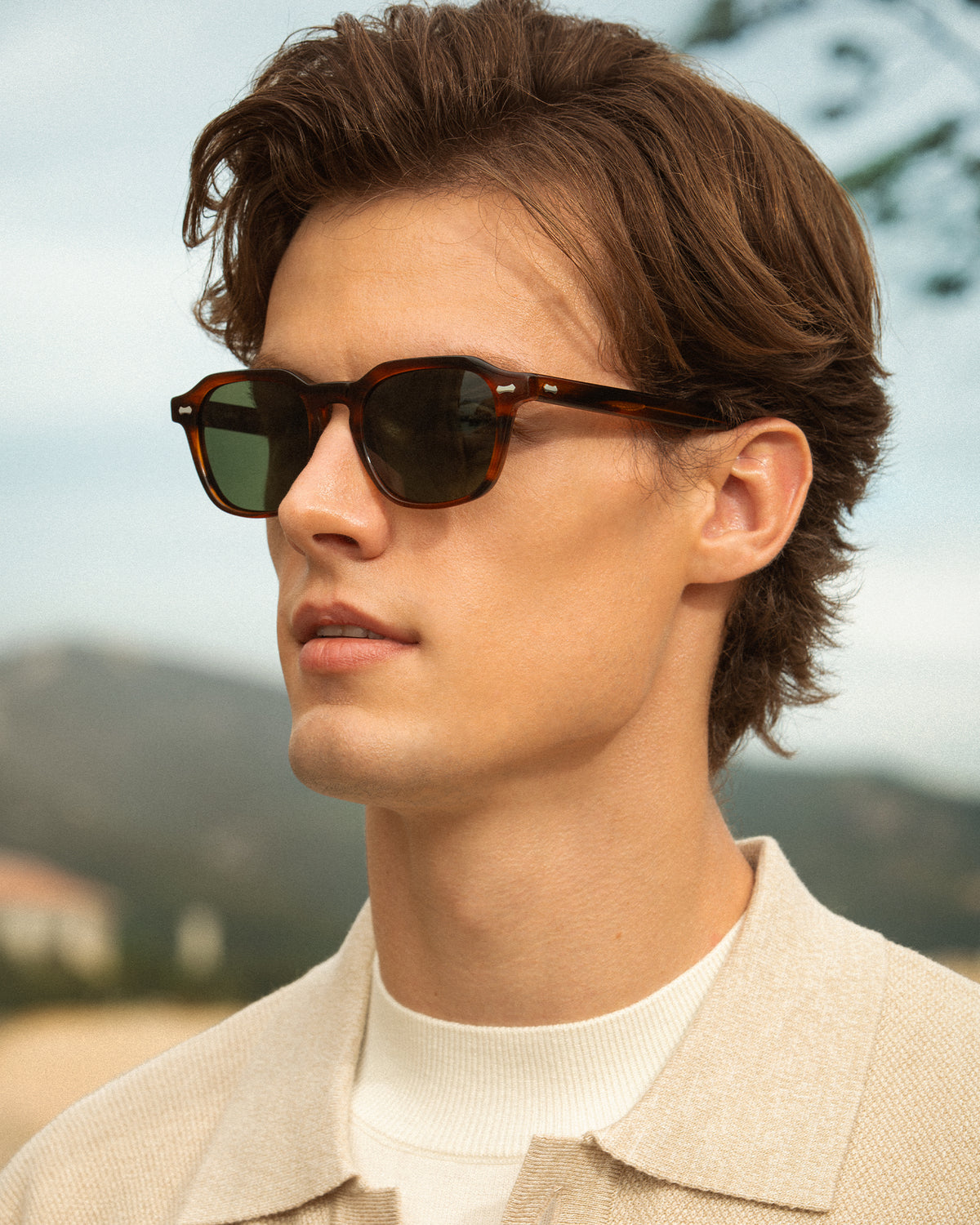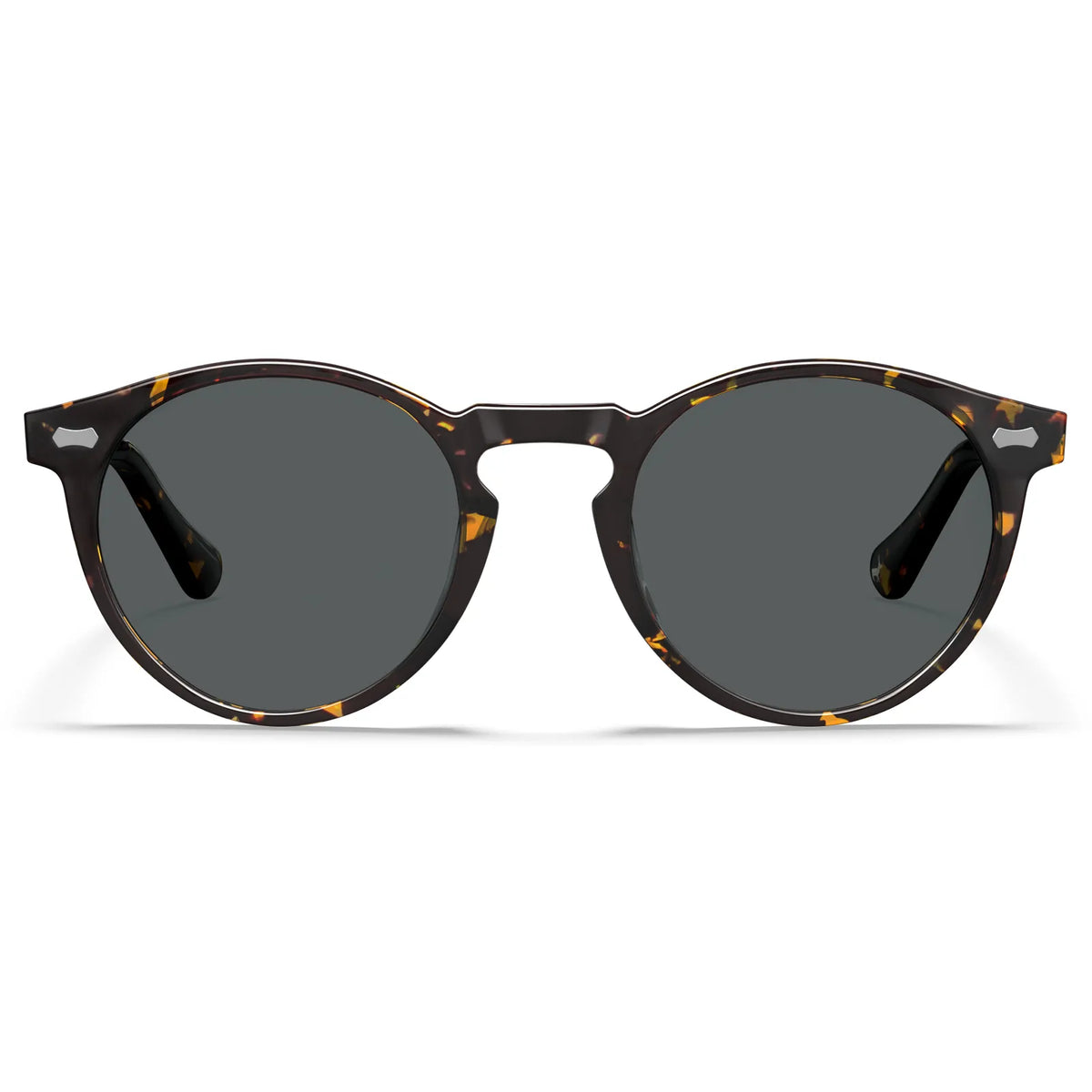







The short answer? Not really — and here's why.
When it comes to eyewear, traditional gender labels are more of a marketing convention than a rule. At Carfia, we believe great glasses are about fit, confidence, and personal style — not the category printed on a tag. Most of our frames are designed to be universally flattering, and the best pair is simply the one you love.
How Are Glasses Labeled "Men's" or "Women's"?
To understand why these distinctions are increasingly irrelevant, it helps to know where they come from. Eyewear brands have historically categorized frames using a few general design cues:
- Design lines: Angular, bold silhouettes are typically marketed to men, while softer curves and decorative detailing lean toward women's collections.
- Frame dimensions: Men's frames often feature a wider bridge width and longer temple arms to accommodate broader face shapes.
- Color and detail: Vibrant hues, patterns, and embellishments are more commonly found in women's lines.
These are useful reference points — but they're not rules. Fashion has long since blurred these boundaries, and the rise of gender-neutral eyewear reflects a broader cultural shift toward self-expression over convention.
Can Women Wear Men's Glasses (and Vice Versa)?
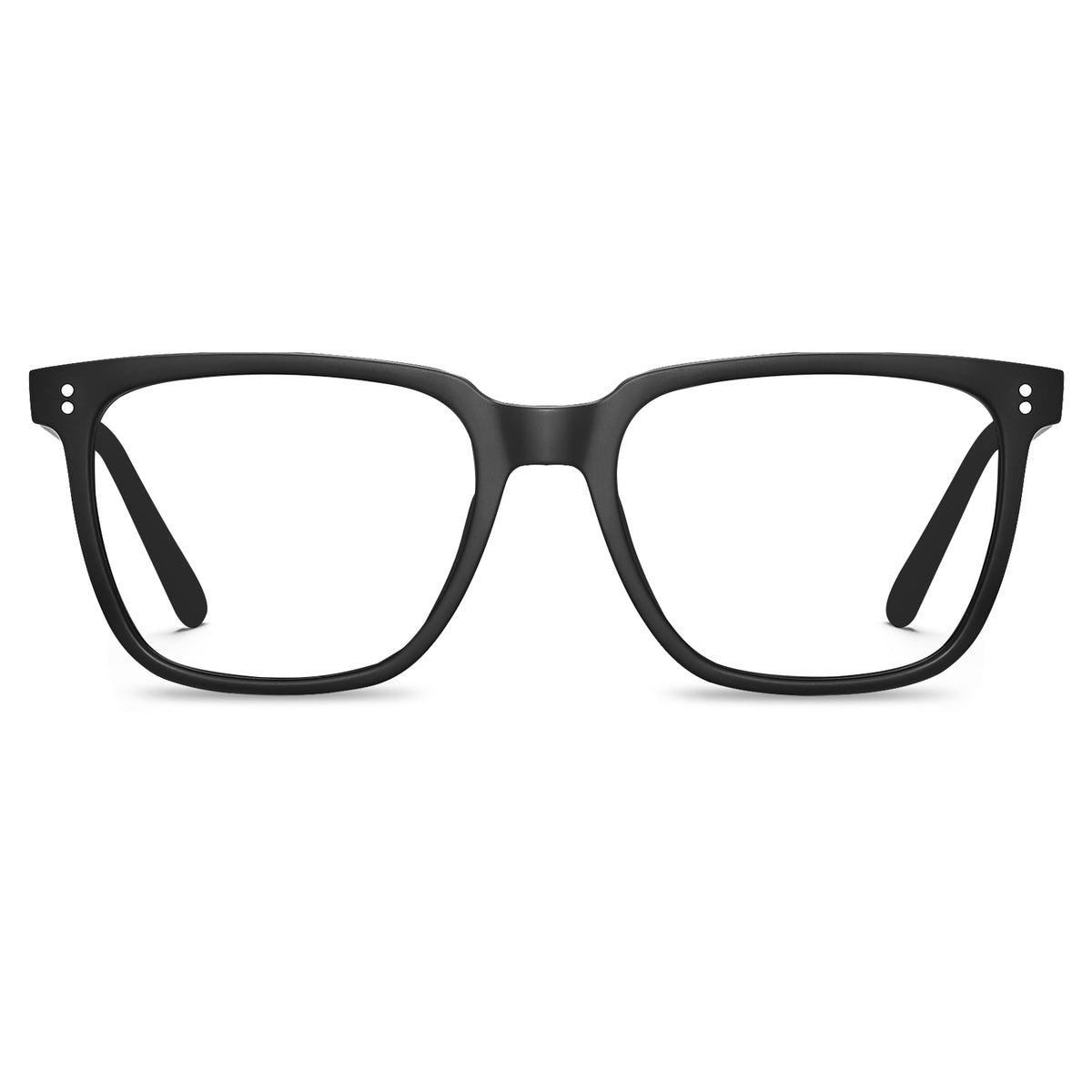
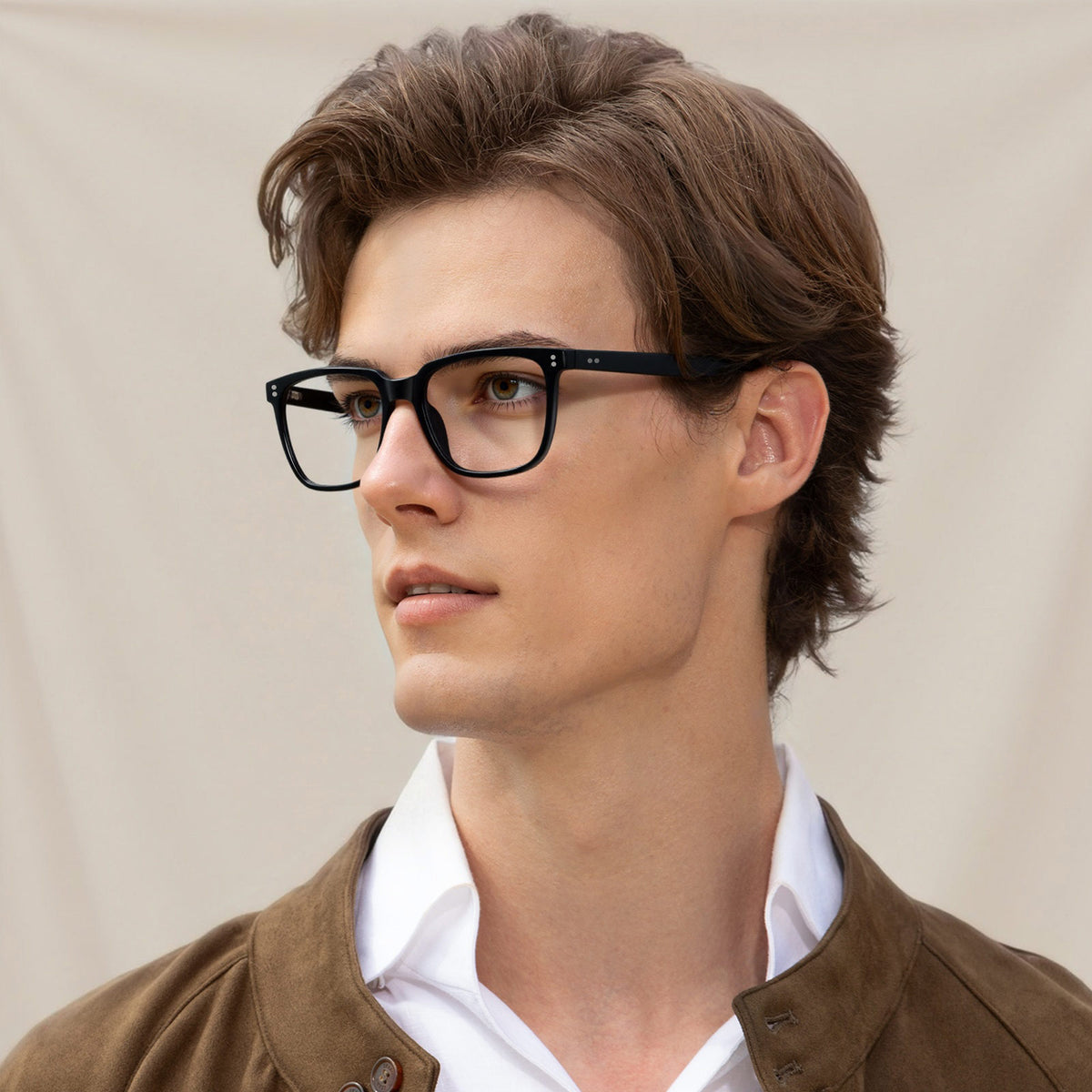
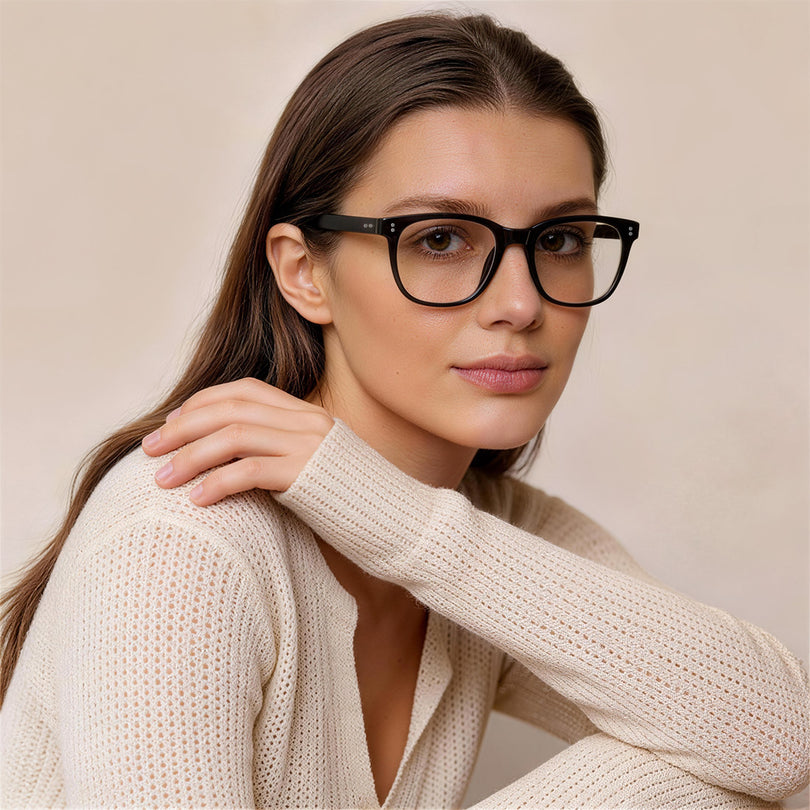
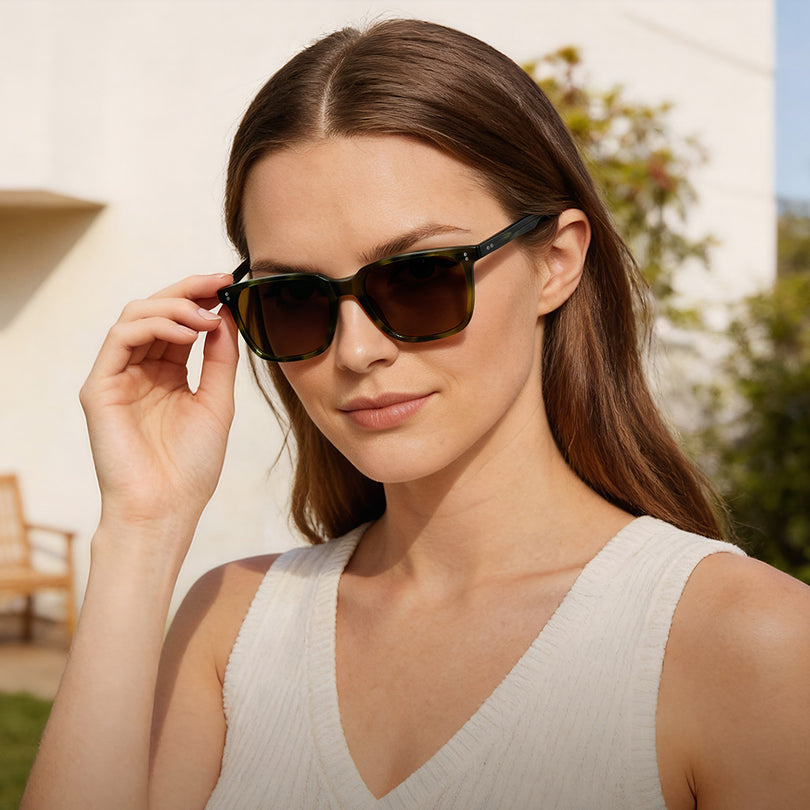
Absolutely. Many of our customers choose frames based on face shape, color preference, and overall fit — not gender labels. A pair of angular, geometric frames traditionally marketed to men can add a sharp, fashion-forward edge to any look. Oversized aviators or sporty wraparound sunglasses? Equally at home on anyone who loves the style.
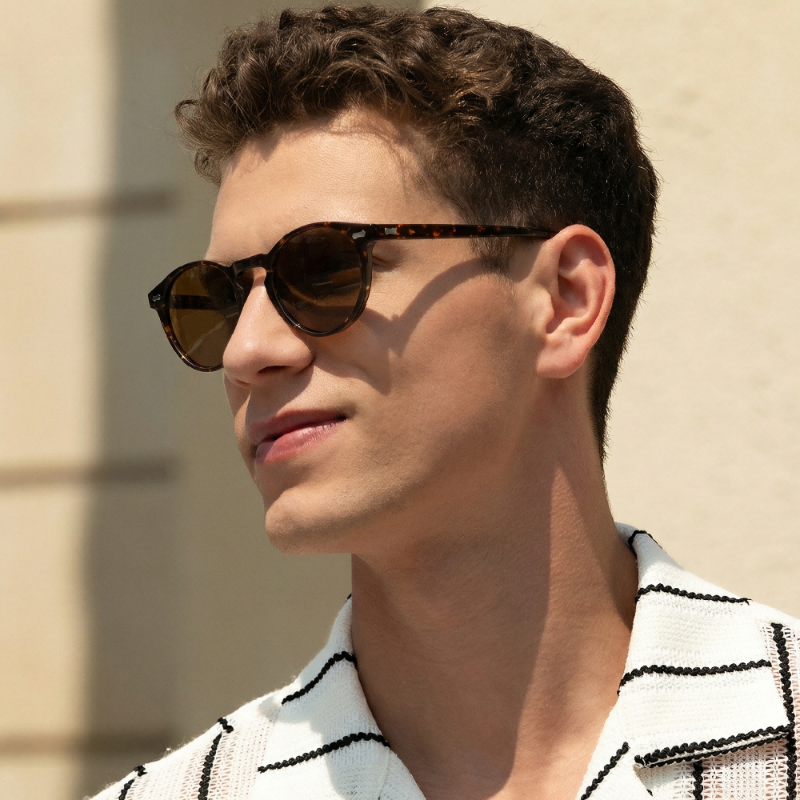
The same logic applies to sunglasses. Gender labels on sun frames are purely conventional. What matters is whether the frame sits well on your face and complements your features.
How to Know If a Frame Actually Fits You
Regardless of how a frame is categorized, proper fit is everything. Here's what to check:
- Read the size markings: Most frames have three numbers stamped on the inner temple — lens width, bridge width, and temple length. These measurements tell you far more than any gender label.
- Match the frame to your face shape: Certain silhouettes naturally complement specific face shapes. Use our PD measurement tool to get accurate pupillary distance data and ensure your lenses are centered correctly.
- Prioritize comfort: A well-fitting frame sits snugly without pinching, and stays in place without sliding. If it doesn't feel right, it isn't right — regardless of what category it's in.
Need help decoding frame measurements? Check out our guide on how to read eyeglass frame sizes.
The Rise of Gender-Neutral Eyewear
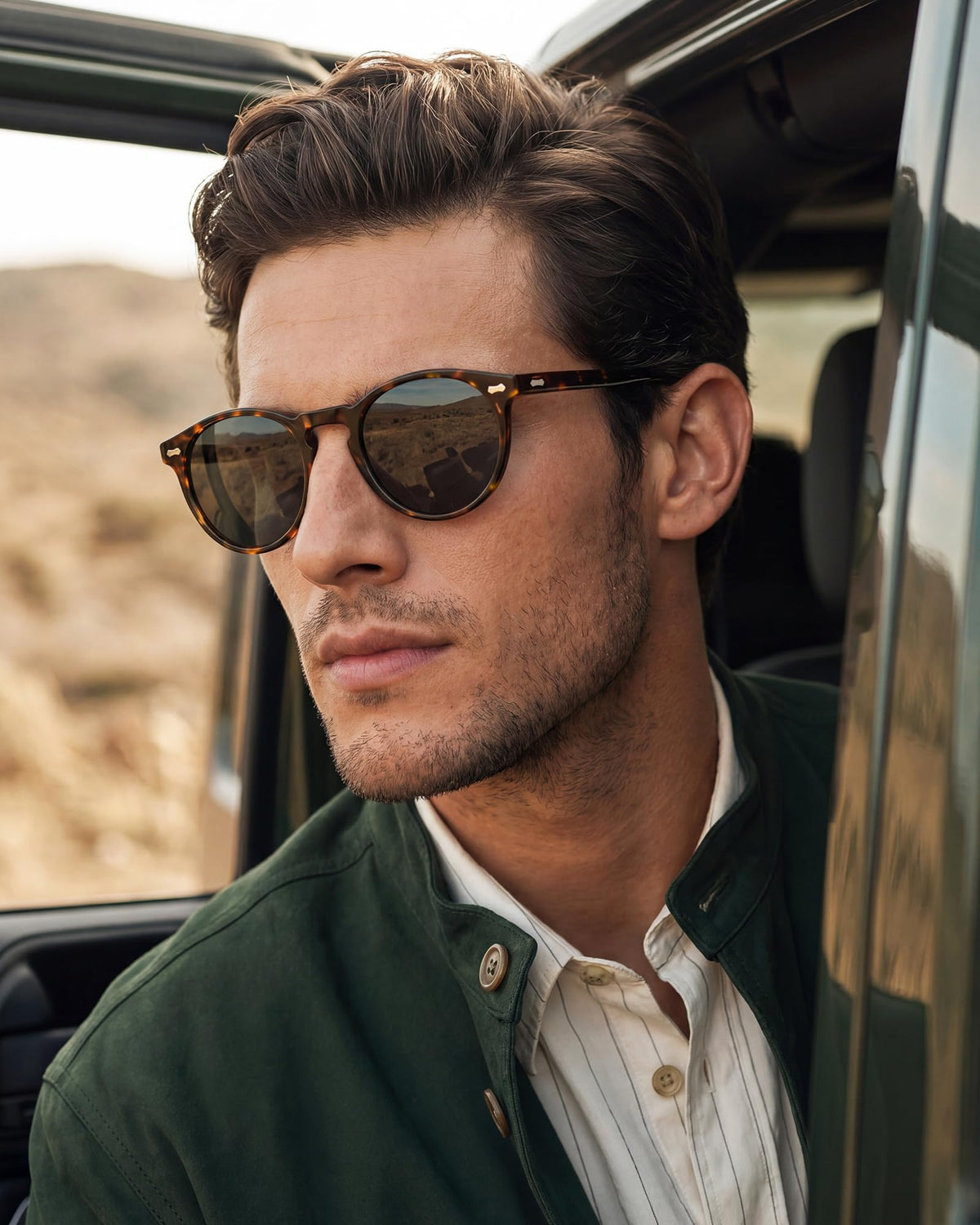
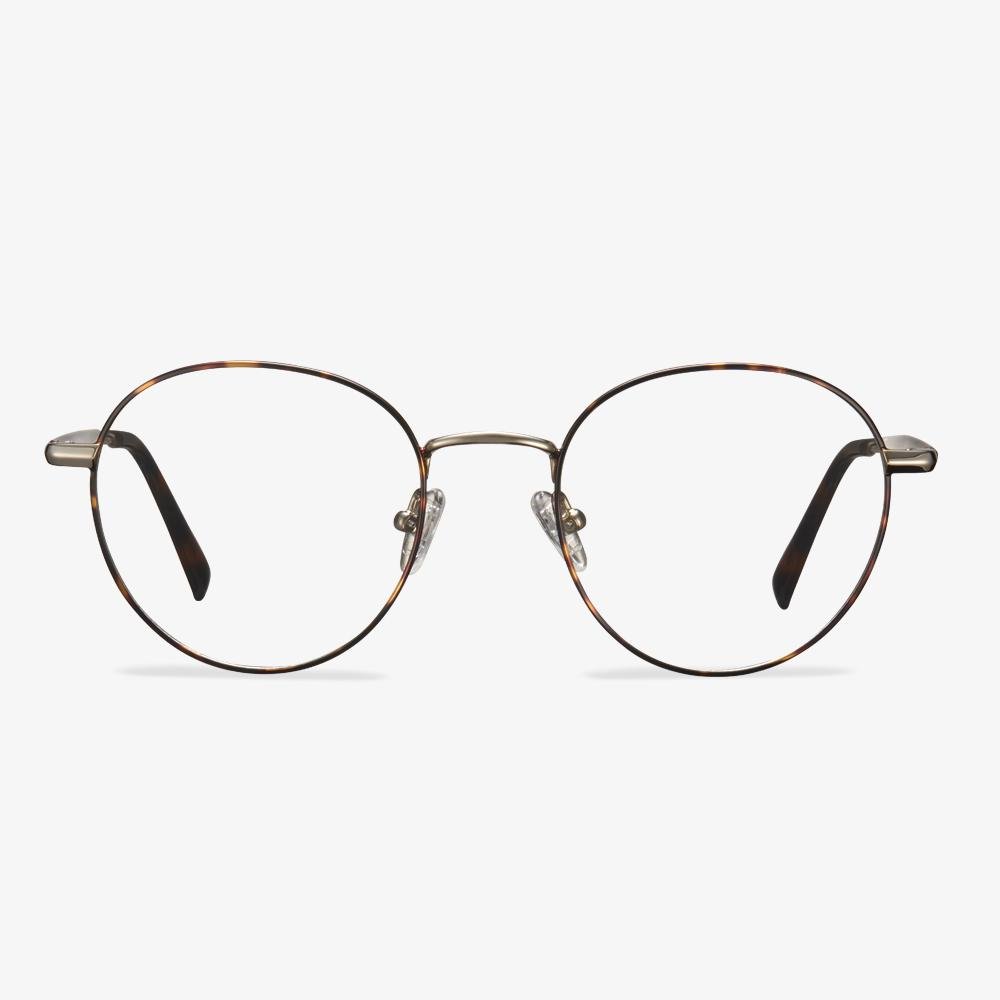
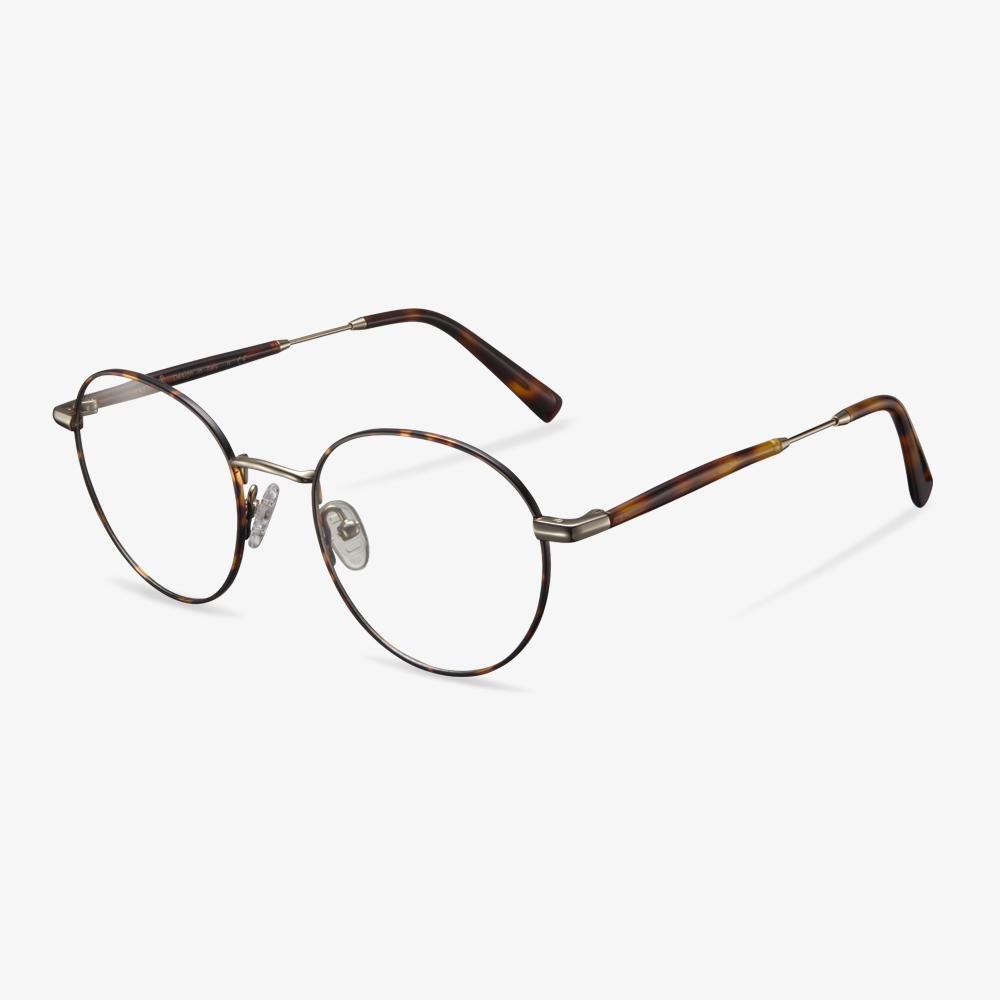
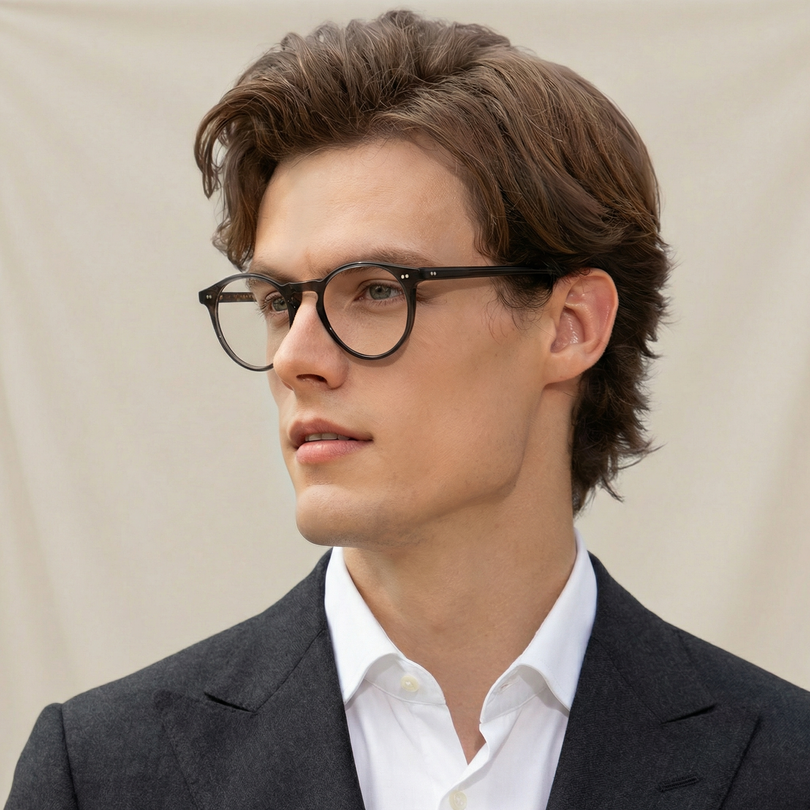
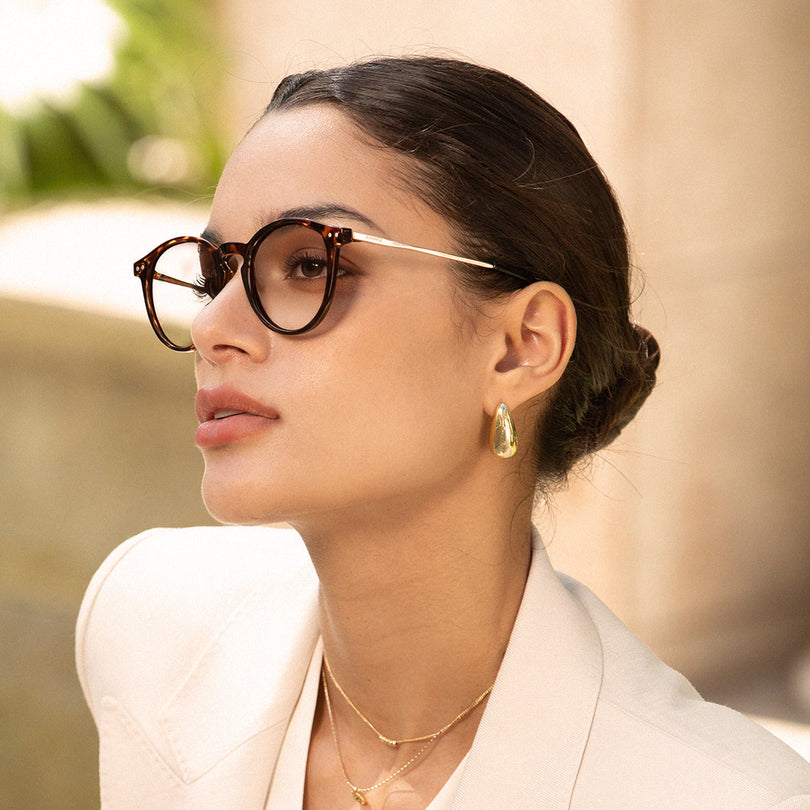
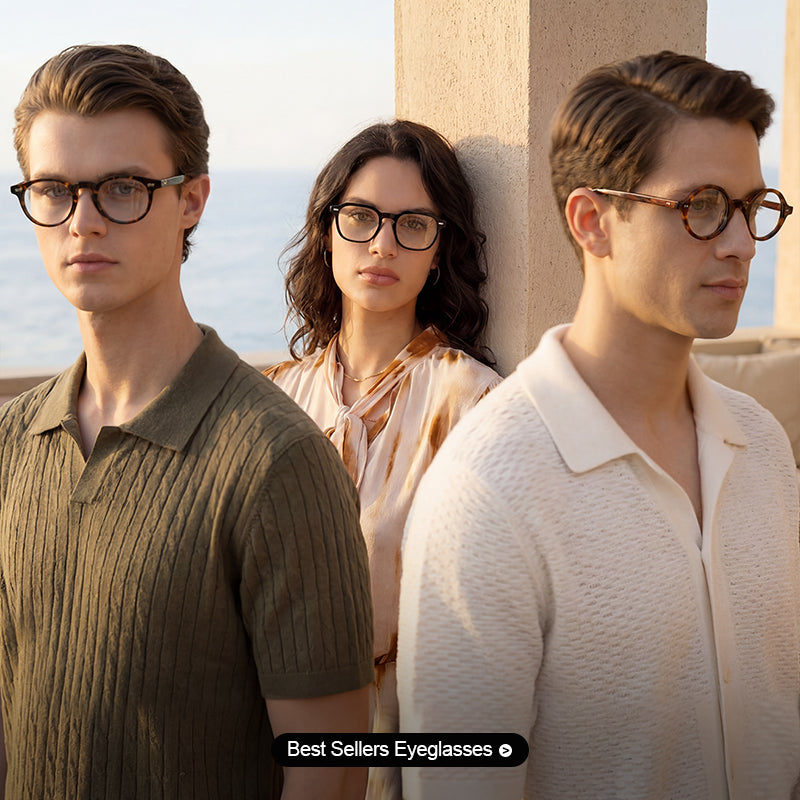
Today's eyewear landscape is increasingly unisex by design. Brands — including Carfia — are creating frames that transcend traditional categories, offering versatile silhouettes that work across face shapes, skin tones, and personal aesthetics. Tortoiseshell acetate frames, clean rectangular shapes, and timeless round lenses are just a few styles that look equally compelling on anyone.
This isn't a trend — it's a permanent shift in how people think about personal style.
Your Style, Your Rules
At Carfia, we champion individuality. Whether you're drawn to bold rectangular frames, retro round lenses, or classic aviators, our collection is built for everyone — because the best eyewear is the kind that makes you feel like yourself.
Explore our full range of frames and find your perfect fit — no labels required.