


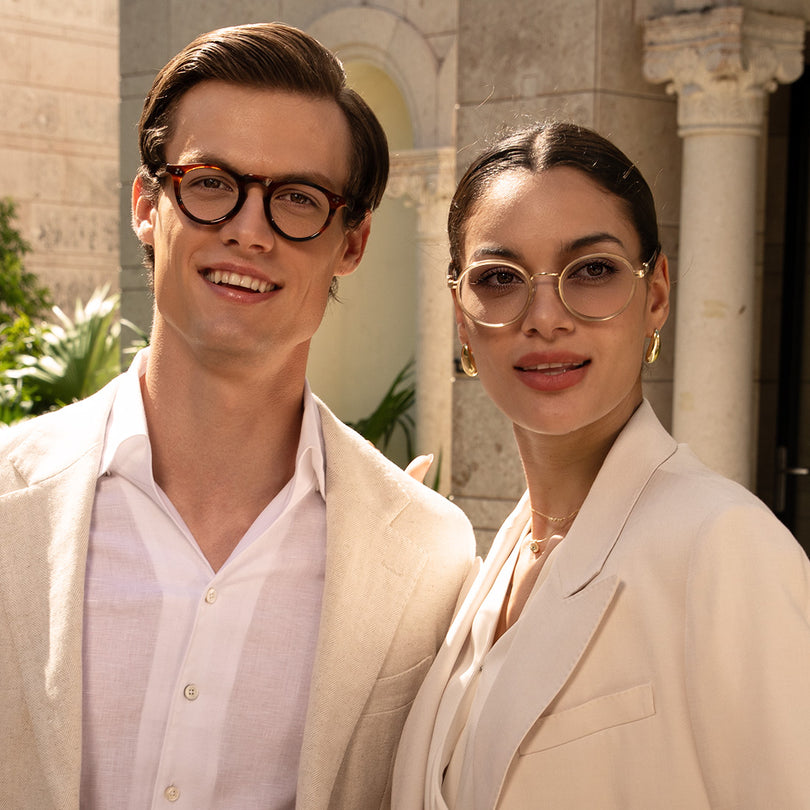

If you've ever squinted at a menu, struggled to read your phone, or felt dizzy switching between distances, you already know: not all progressive lenses are created equal. When it comes to high-end progressive lenses, two names dominate the conversation — Warby Parker and Essilor. But which one is actually worth your money in 2026?
Let's break it down — and introduce a third option that's quietly winning over discerning eyewear shoppers worldwide.
What Makes Progressive Lenses "High-End"?
Before comparing brands, it's worth understanding what separates a premium progressive lens from a budget one:
- Wider corridor width — more usable reading and distance zones
- Freeform digital surfacing — custom-ground to your exact prescription
- Anti-reflective (AR) coating — reduces glare from screens and headlights
- Reduced peripheral distortion — less "swim effect" when moving your head
- Photochromic or blue-light filtering options — for modern digital lifestyles
High-end progressives typically use freeform technology, meaning each lens is digitally mapped to your unique prescription and frame measurements. This is the gold standard.
Warby Parker Progressive Lenses: Stylish, But Are They Premium?
Warby Parker disrupted the eyewear industry with its direct-to-consumer model and on-trend frames. Their progressive lenses start around $295–$395 for premium options.
Pros:
- Affordable entry point for progressives
- Stylish, fashion-forward frames
- Home try-on program is convenient
- Scratch-resistant and AR coatings included
Cons:
- Lenses are manufactured by third-party labs (not proprietary technology)
- Limited customization for complex prescriptions
- Some users report a narrower reading corridor vs. true premium brands
- In-store fitting experience varies by location
Verdict: Warby Parker is a solid choice for mild-to-moderate prescriptions and style-conscious buyers. For high prescriptions or demanding visual needs, you may want more.
Essilor Progressive Lenses: The Industry Gold Standard
Essilor (now EssilorLuxottica) is the world's largest ophthalmic lens manufacturer. Their flagship progressive line, Varilux, is widely considered the benchmark for high-end progressive lenses.
Top Essilor/Varilux Lines:
- Varilux X Series — designed for arm's-length digital device use
- Varilux Comfort Max — wide fields of vision, reduced swim effect
- Varilux Liberty — entry-level Varilux with solid performance
Pros:
- True freeform digital surfacing technology
- Widest corridor and sharpest transitions in the industry
- Available with Crizal AR coatings (best-in-class anti-glare)
- Suitable for complex and high prescriptions
- Backed by decades of clinical research
Cons:
- Expensive — Varilux lenses can run $500–$900+ through traditional opticians
- Sold through third-party optical retailers, so pricing varies wildly
- Frame selection depends entirely on where you buy
Verdict: If optical performance is your top priority and budget isn't a concern, Varilux/Essilor is hard to beat. But you're often paying a premium for the brand name and retail markup.
The Smart Shopper's Alternative: Premium Frames + Quality Lenses from Carfia
Here's what many progressive lens buyers don't realize: the frame matters as much as the lens.
A poorly fitted frame — even with Varilux lenses — will deliver a subpar visual experience. Fitting height, pupillary distance, and frame curvature all directly impact how well your progressives perform.
This is where Carfia enters the conversation.
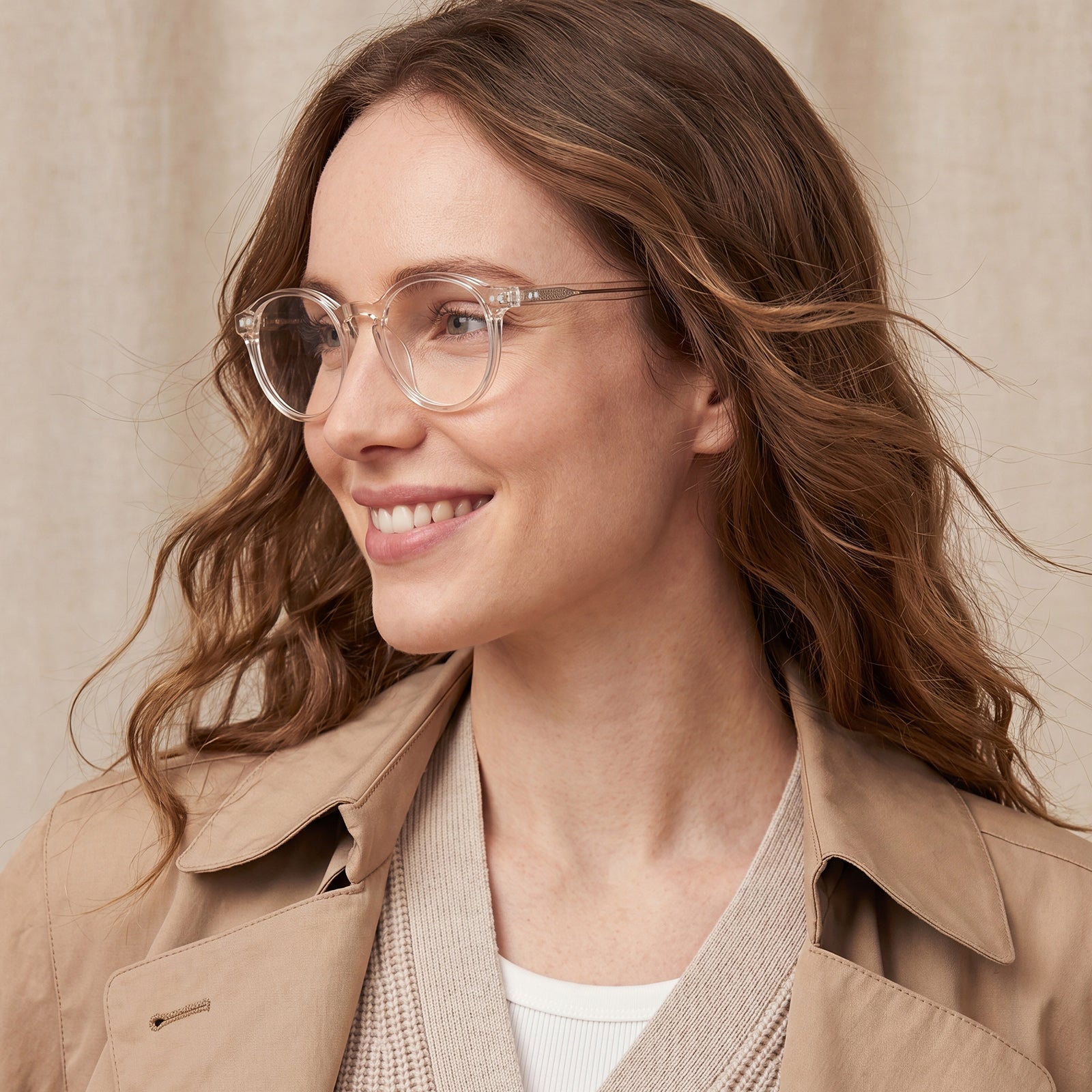
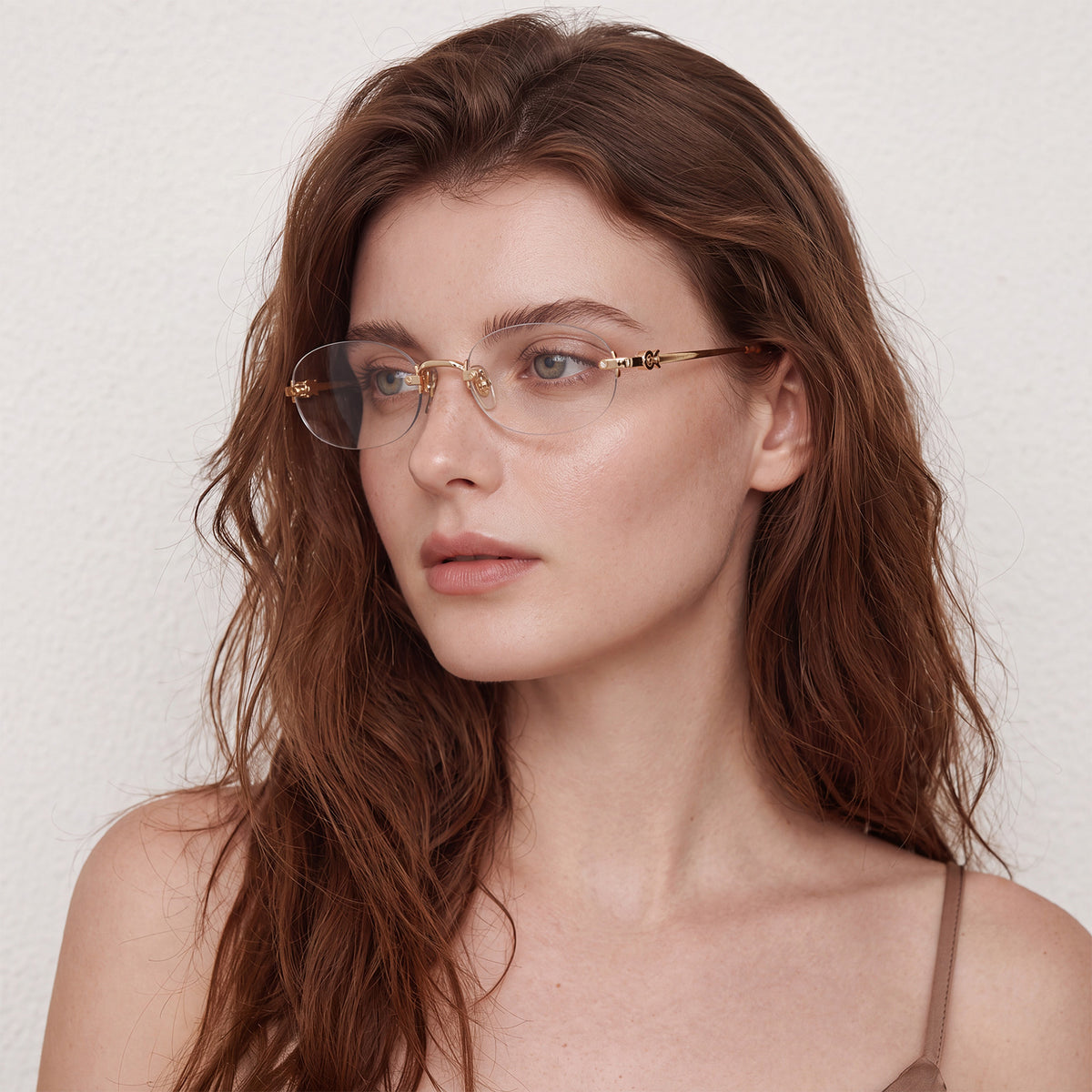
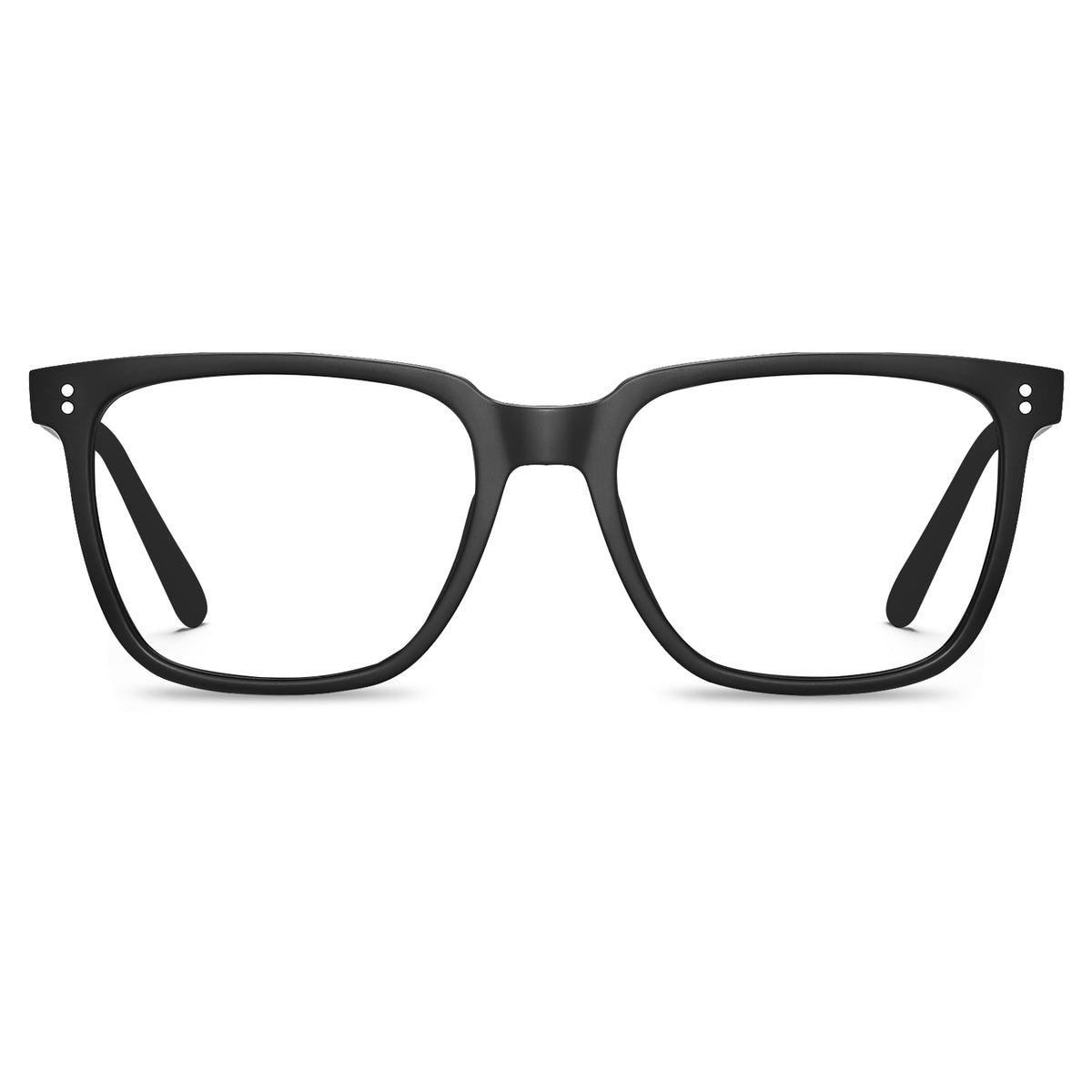
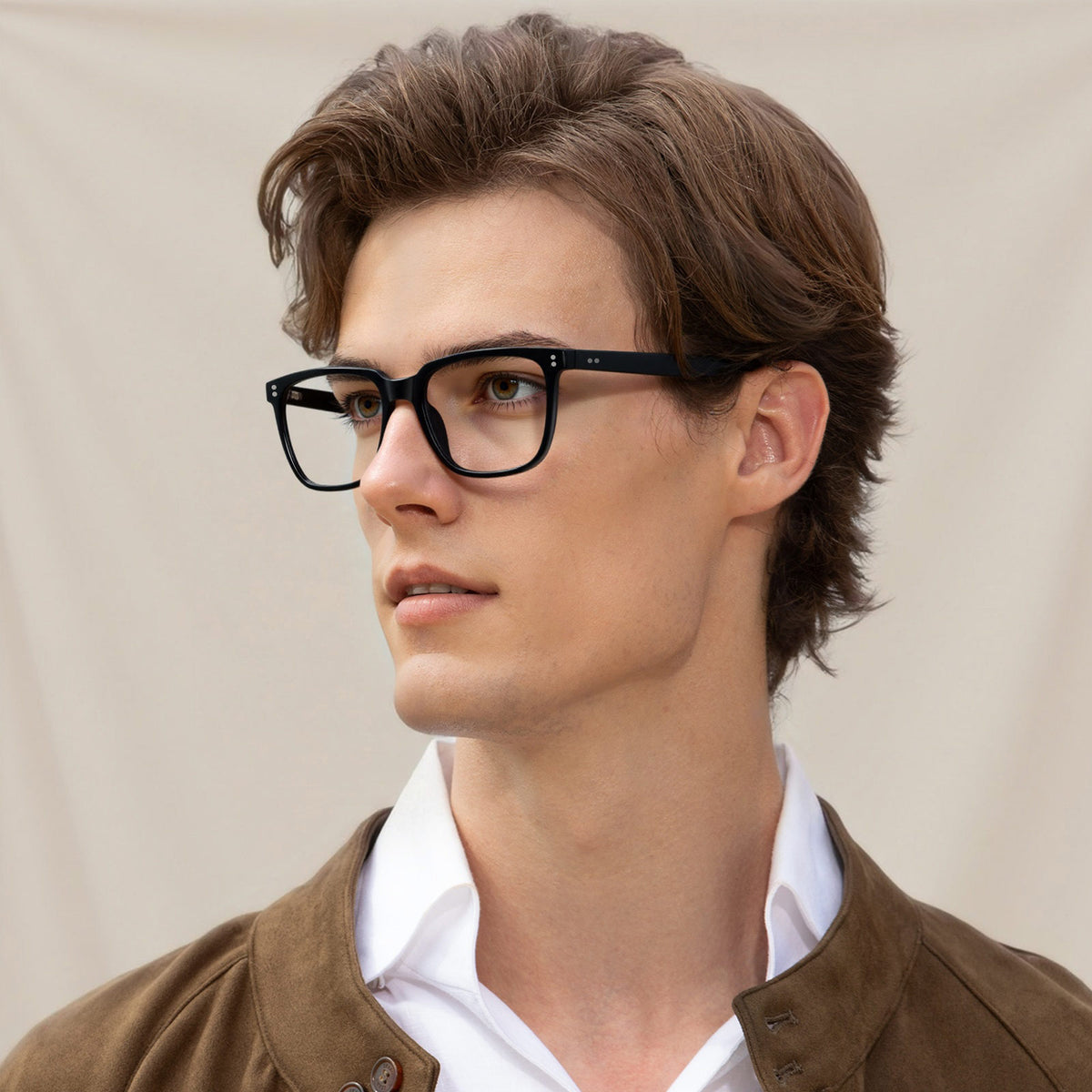
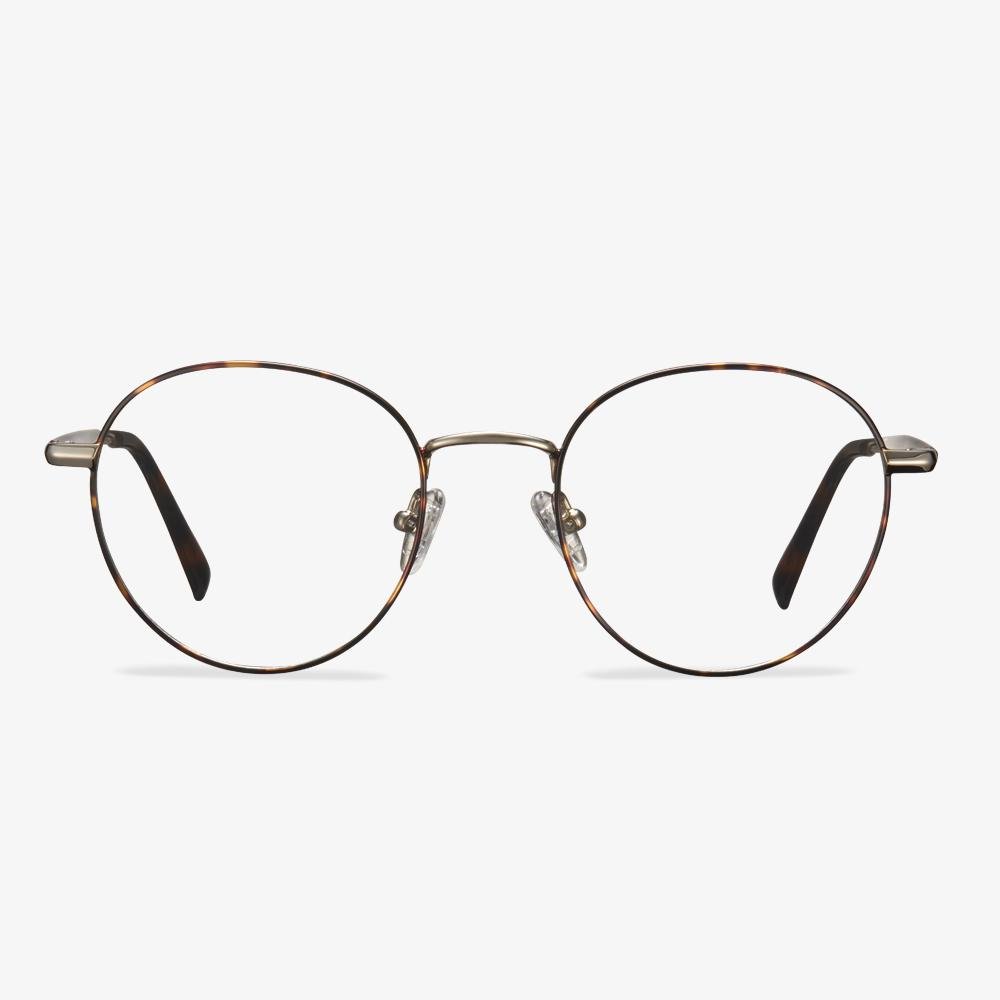
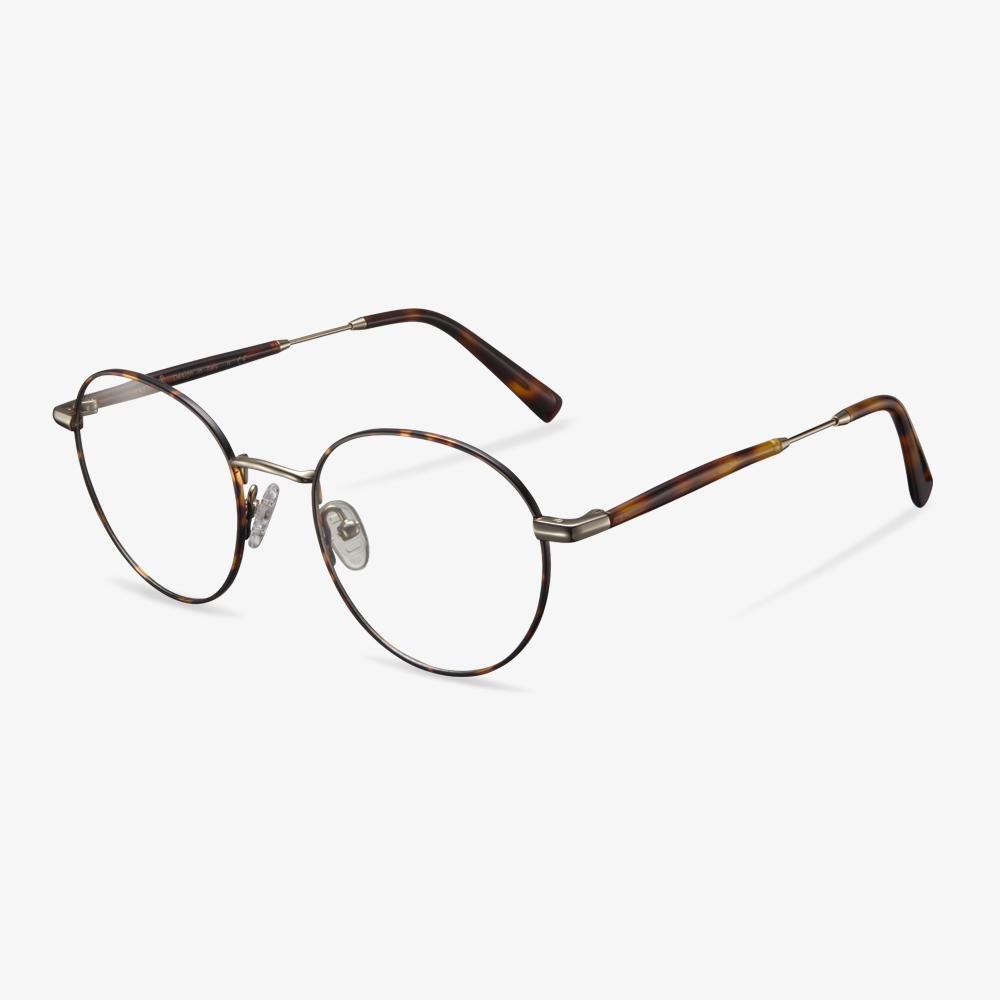
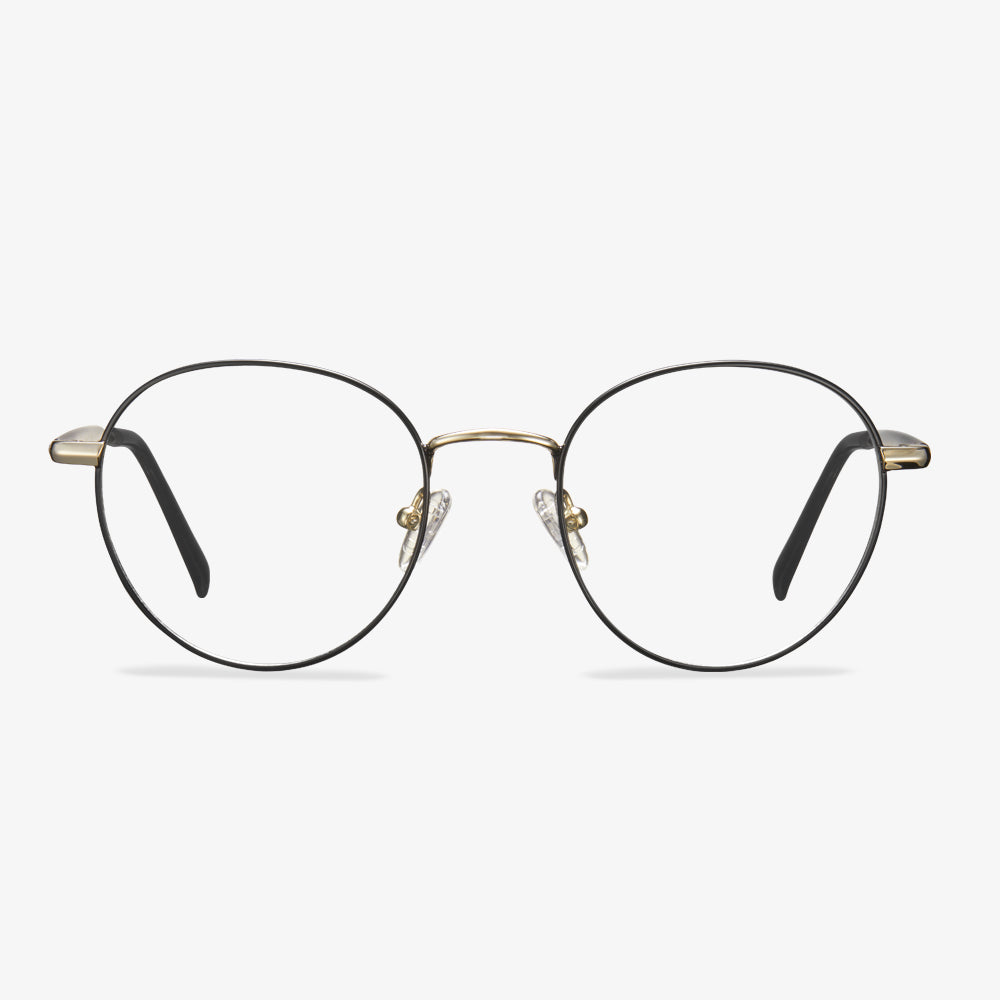
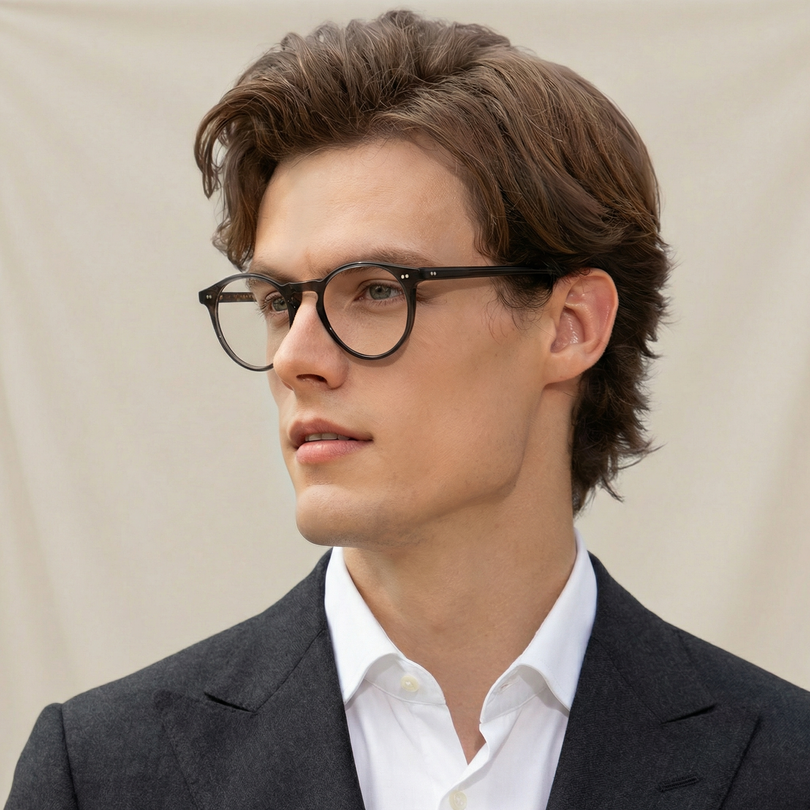
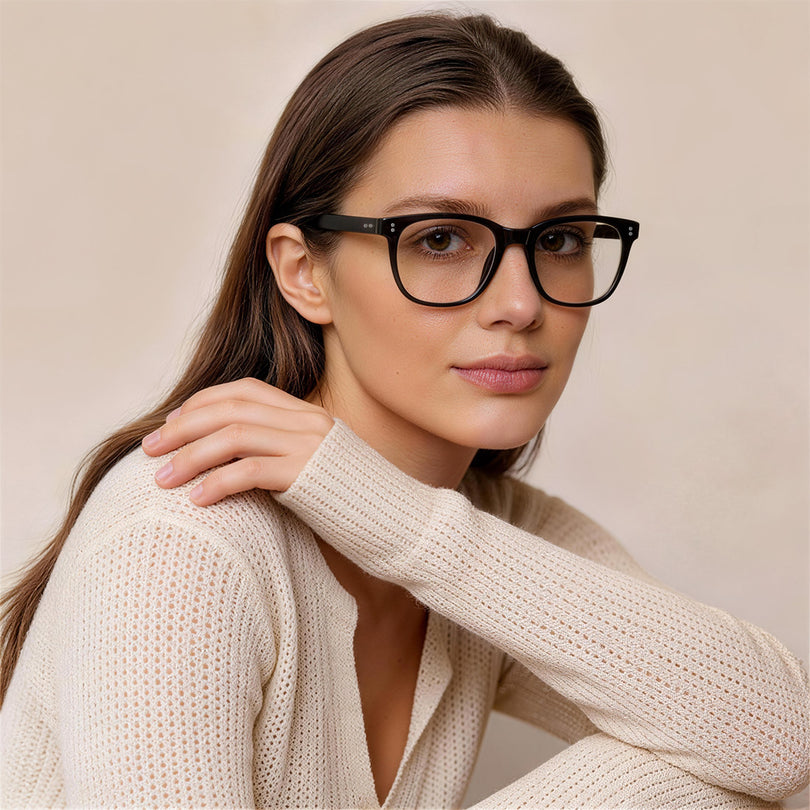
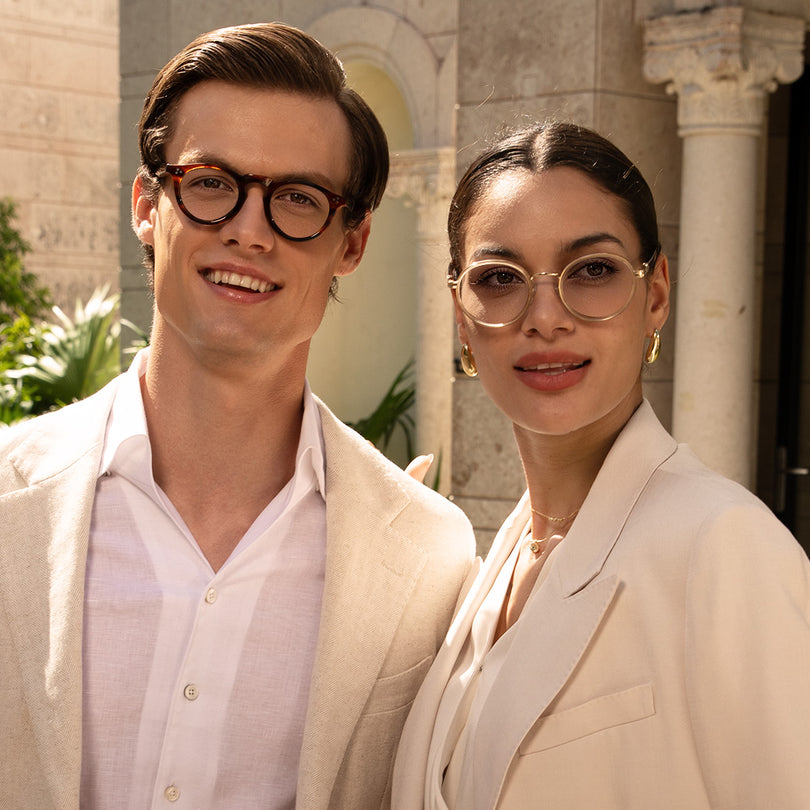
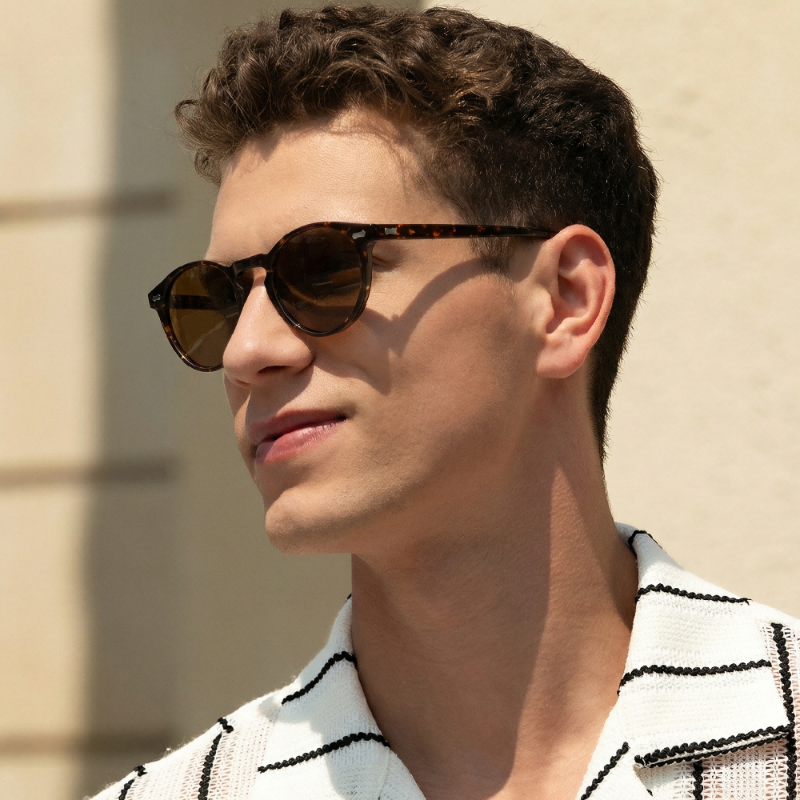
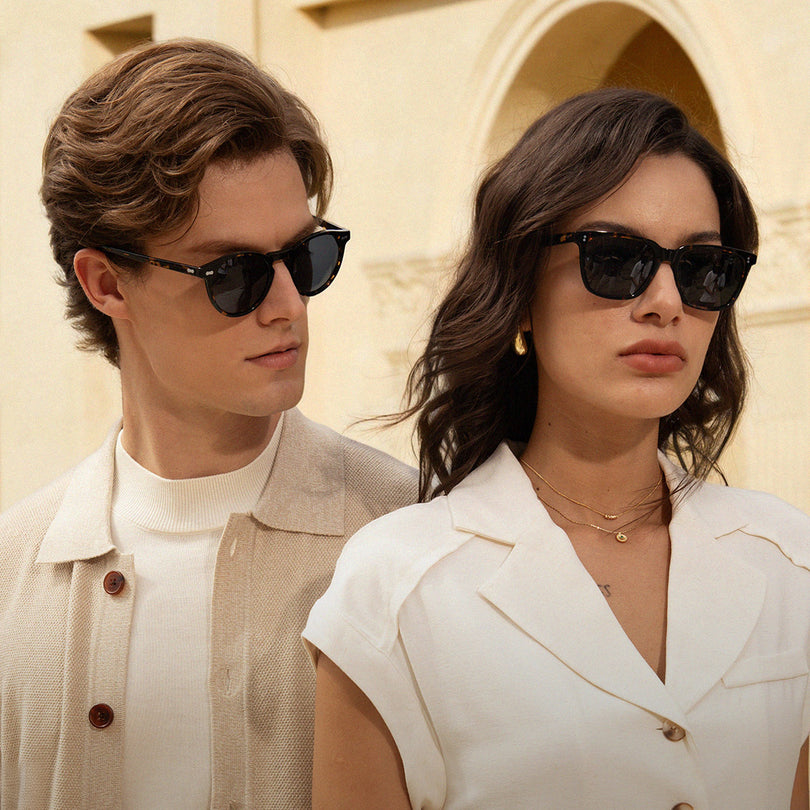
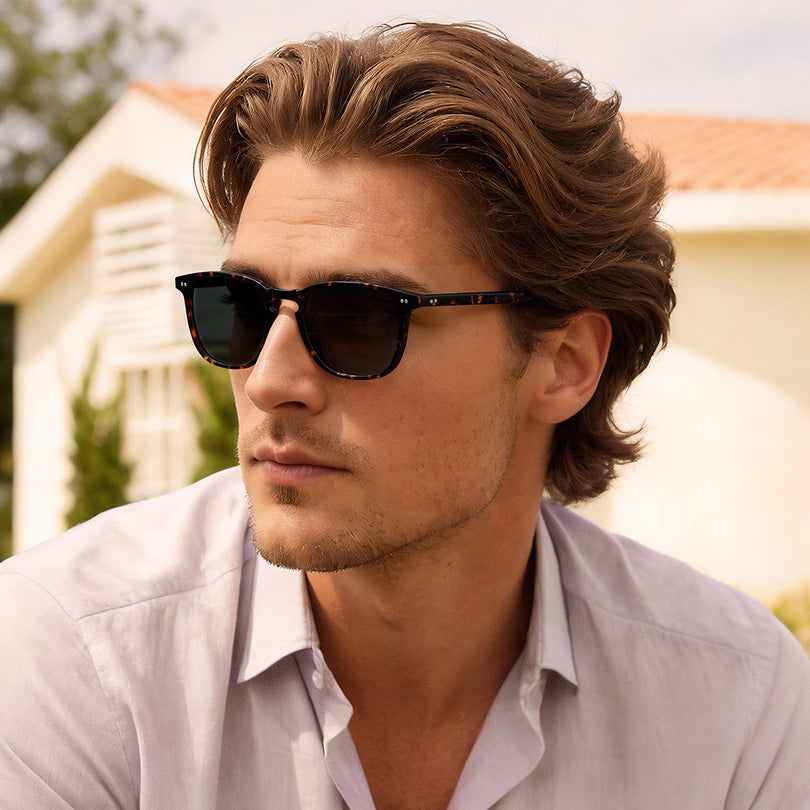
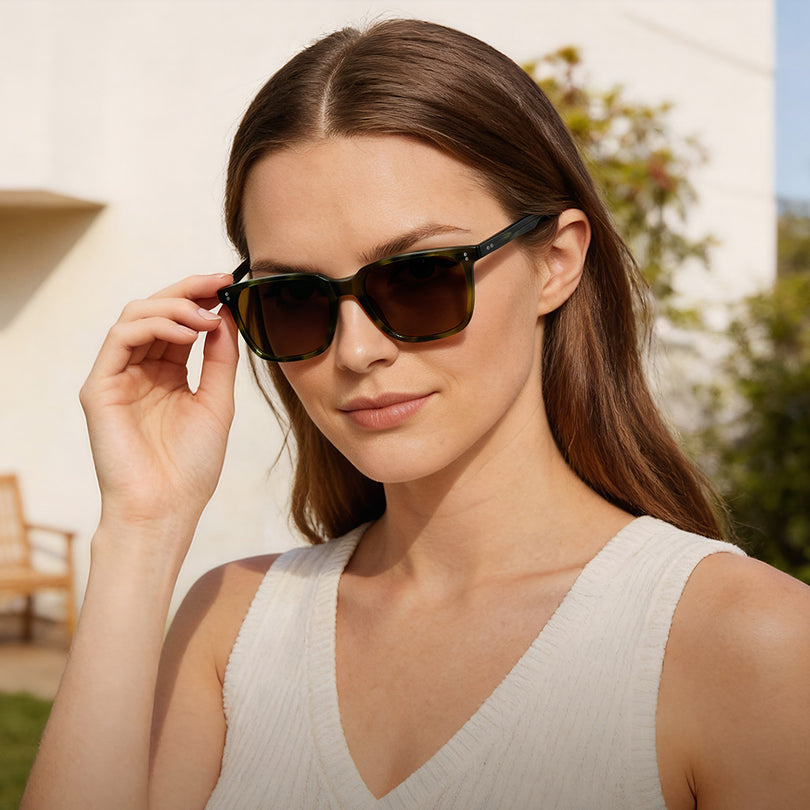
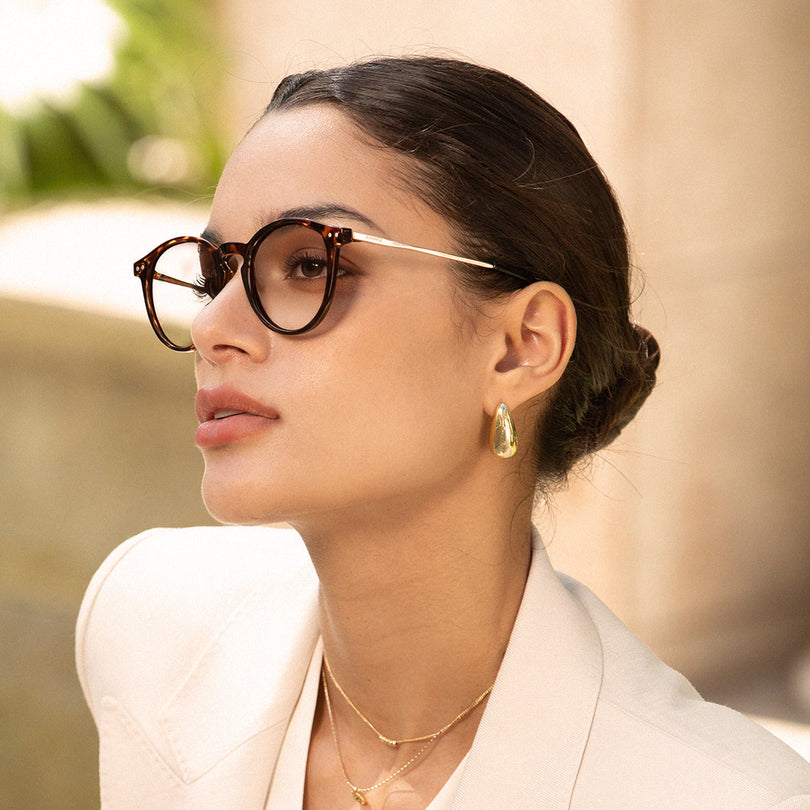
Carfia specializes in premium optical and polarized eyewear crafted with precision Italian acetate and lightweight titanium — the same materials used by luxury European houses, at a fraction of the price. Carfia frames are engineered with the optimal fitting parameters for progressive lenses, including:
- Sufficient lens height (28mm+ recommended for progressives)
- Proper pantoscopic tilt
- Accurate pupillary distance alignment
- Durable, adjustable nose pads and temples for a secure fit
When you pair Carfia's premium frames with high-quality progressive lenses from your optician or online lens lab, you get the best of both worlds: optical-grade performance and designer-level aesthetics — without the luxury retail markup.
Warby Parker vs. Essilor vs. Carfia: Quick Comparison
| Feature | Warby Parker | Essilor Varilux | Carfia |
|---|---|---|---|
| Lens Technology | Third-party labs | Proprietary freeform | Pairs with your choice of lenses |
| Frame Quality | Good | Varies by retailer | Premium acetate & titanium |
| Price Range | $295–$395 | $500–$900+ | Accessible luxury |
| Progressive Fit Optimization | Moderate | High | High (frame-optimized) |
| Style & Design | Trendy | Functional | Fashion-forward & classic |
| Best For | Mild prescriptions | Complex prescriptions | Style + performance seekers |
Which High-End Progressive Lens Is Best for You?
- Choose Warby Parker if you have a straightforward prescription, love trying frames at home, and want a stylish, affordable entry into progressives.
- Choose Essilor Varilux if you have a complex prescription, prioritize optical performance above all else, and are willing to invest in the best lens technology available.
- Choose Carfia frames if you want a premium foundation that maximizes the performance of any progressive lens — and you refuse to compromise on style.
Final Thoughts
The best progressive lenses aren't just about the lens — they're about the complete system: lens technology, frame fit, and professional dispensing. Whether you go with Warby Parker's convenience, Essilor's optical excellence, or Carfia's premium frame engineering, the key is finding what works for your eyes, your lifestyle, and your face.
Ready to find your perfect pair? Explore Carfia's progressive-lens-ready frames →