











When purchasing prescription glasses, most of the attention goes to the frame. However, the true engineering marvel lies in the Refractive Index of your lenses. Understanding the relationship between your prescription power and lens material is the key to a comfortable, high-performance eyewear experience. At Carfia, we believe an informed customer is a satisfied one.
The Power of Refraction
The "index" of a lens refers to its ability to bend light. A higher refractive index means the material is more efficient at bending light, allowing the lens to be significantly thinner while maintaining the same corrective power.
The Carfia Standard Classification:
-
Mild Prescriptions (≤ 3.00 D): The 1.56 Standard. For those with lower correction needs, the 1.56 index offers an excellent balance of optical clarity and cost-efficiency.
-
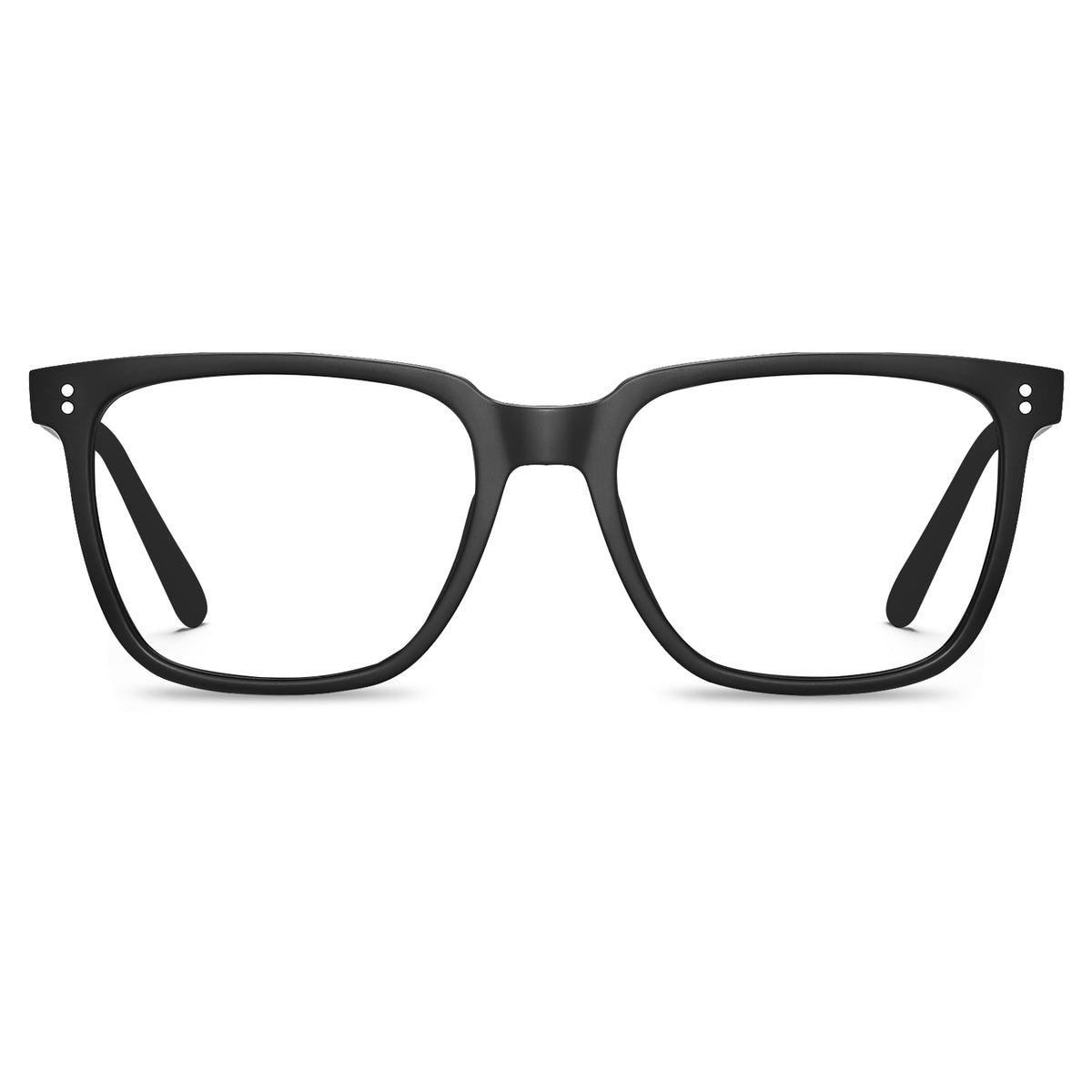
Moderate Prescriptions (3.00 to 6.00 D): The 1.61 Versatility. As diopter strength increases, standard lenses become thicker at the edges. The 1.61 index provides a "thinned-out" profile that integrates seamlessly with acetate frames like our CA5354.
-
High Prescriptions (> 6.00 D): The 1.67 & 1.74 Elite. For strong prescriptions, "Standard" lenses create a "magnification" effect. High-index materials are engineered to eliminate bulk, offering a sleek, lightweight finish.
The Optical Physics (Academic Insight)
According to the Principles of Ophthalmic Lenses, lens thickness is a function of the Sagittal Depth. By increasing the refractive index (n), we reduce the curvature required to achieve a specific focal length. This results in a lens that is up to 35% thinner than traditional CR-39 plastic.
Conclusion
Your lenses shouldn't be a burden. By matching your prescription to the correct index, you ensure that your Carfia frames remain as lightweight and stylish as the day they were designed.