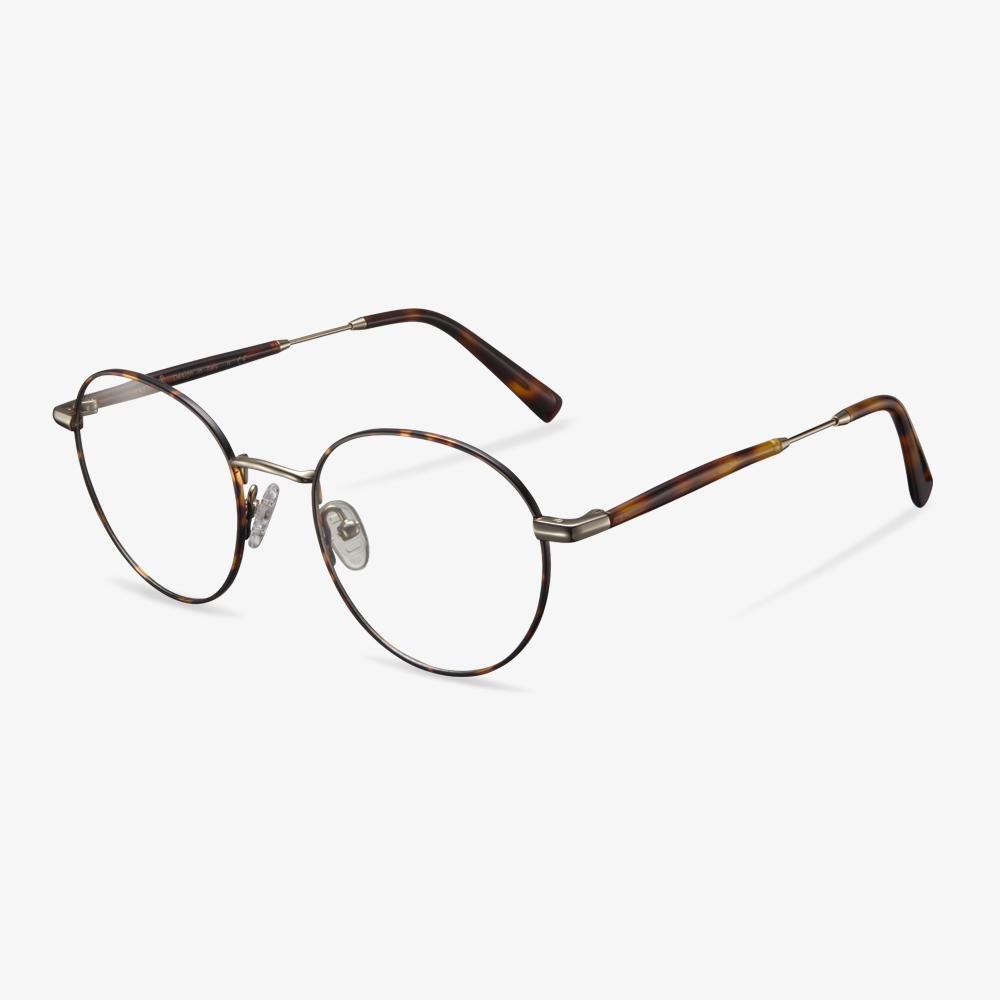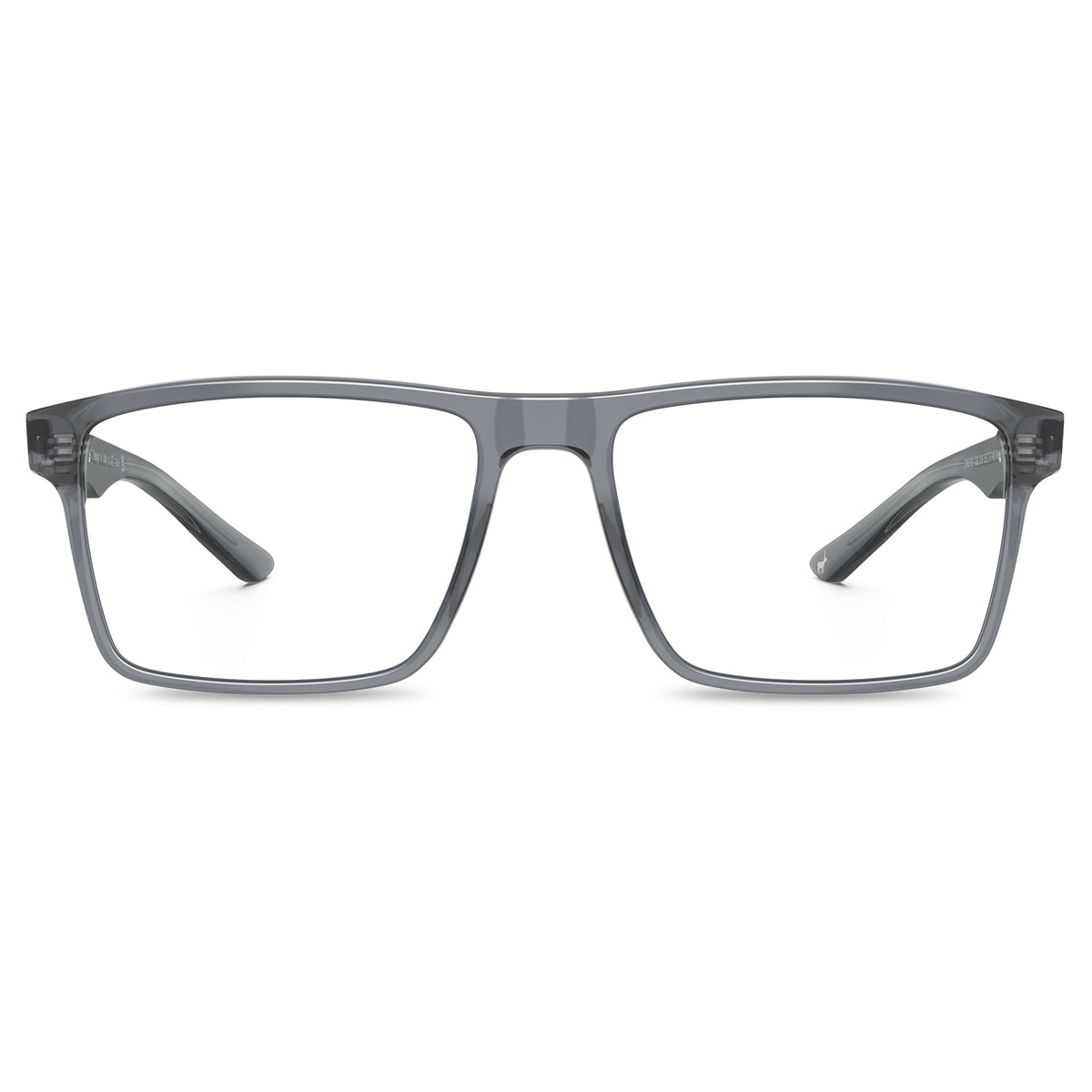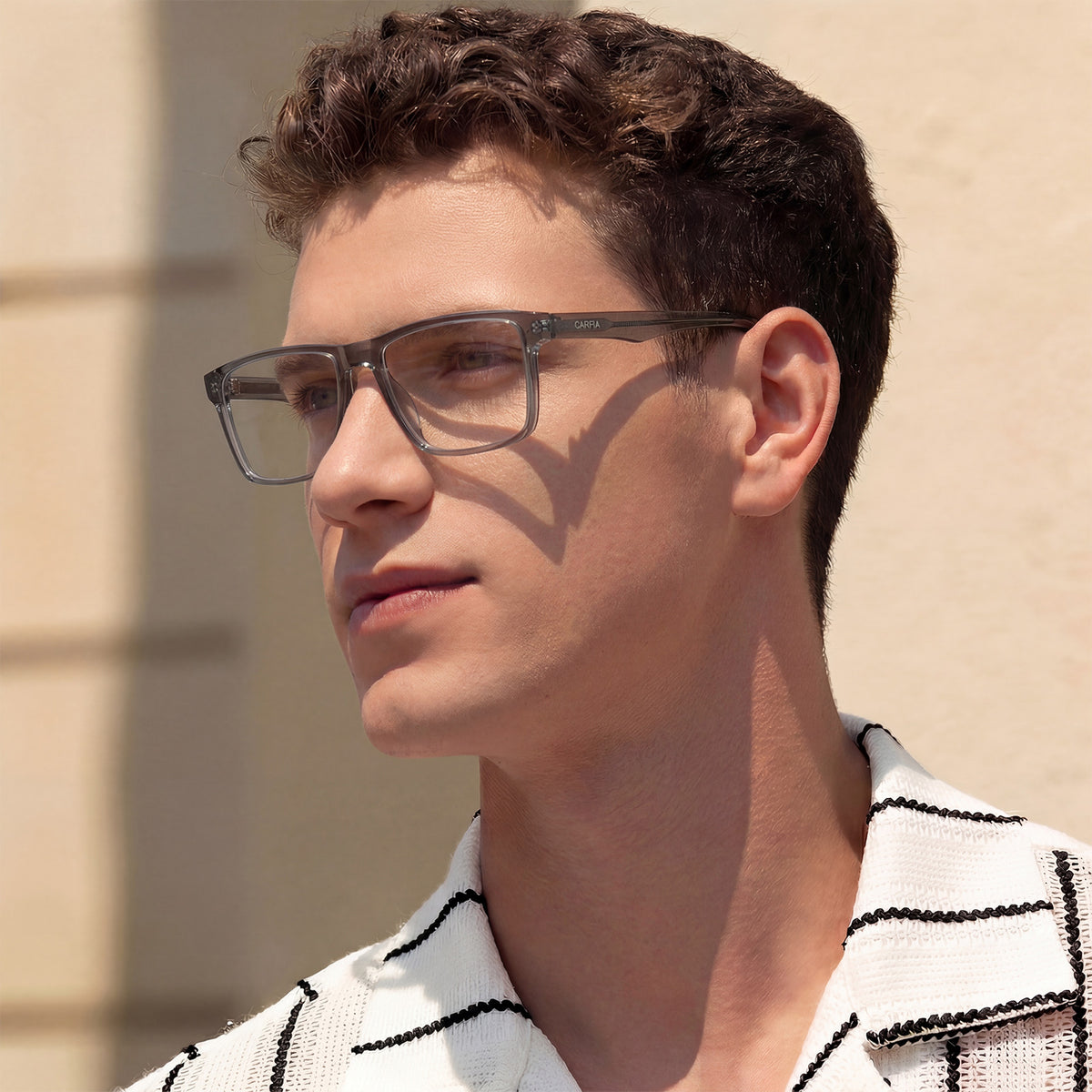







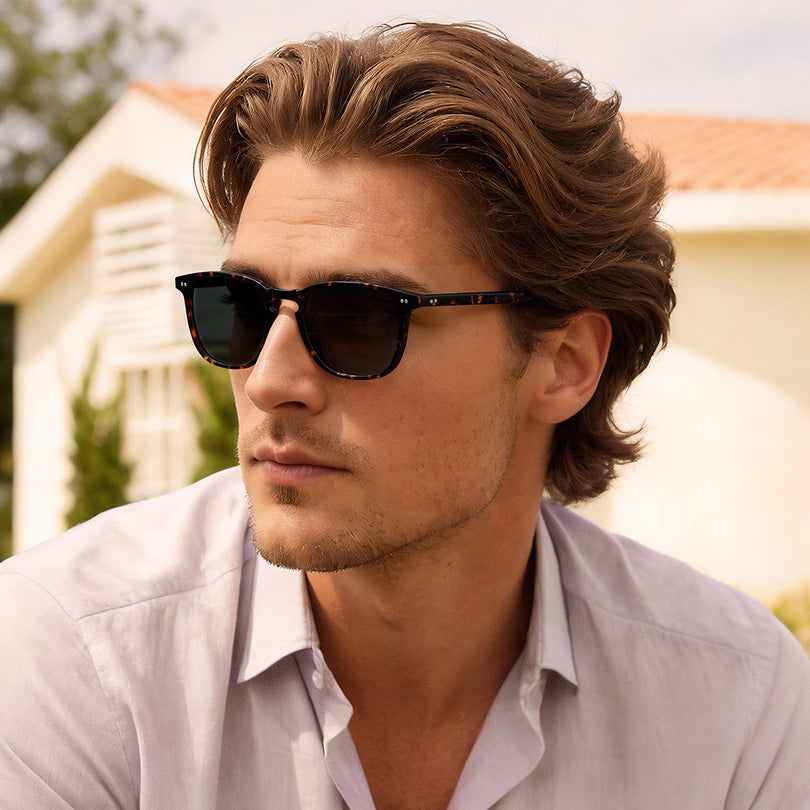



When shopping for quality eyewear, one question consistently arises:
Why are handmade acetate frames more expensive than plastic or TR90 frames?
The answer lies not in branding, but in material science, craftsmanship, and long-term wear experience. This article breaks down the real differences and explains why Carfia continues to invest in premium acetate despite its higher cost.
What Is Acetate, Really?
Acetate used in premium eyewear is cellulose acetate, a plant-based material derived from cotton and wood pulp. Unlike injection-moulded plastic, acetate is:
-
Naturally hypoallergenic
-
Flexible yet structurally stable
-
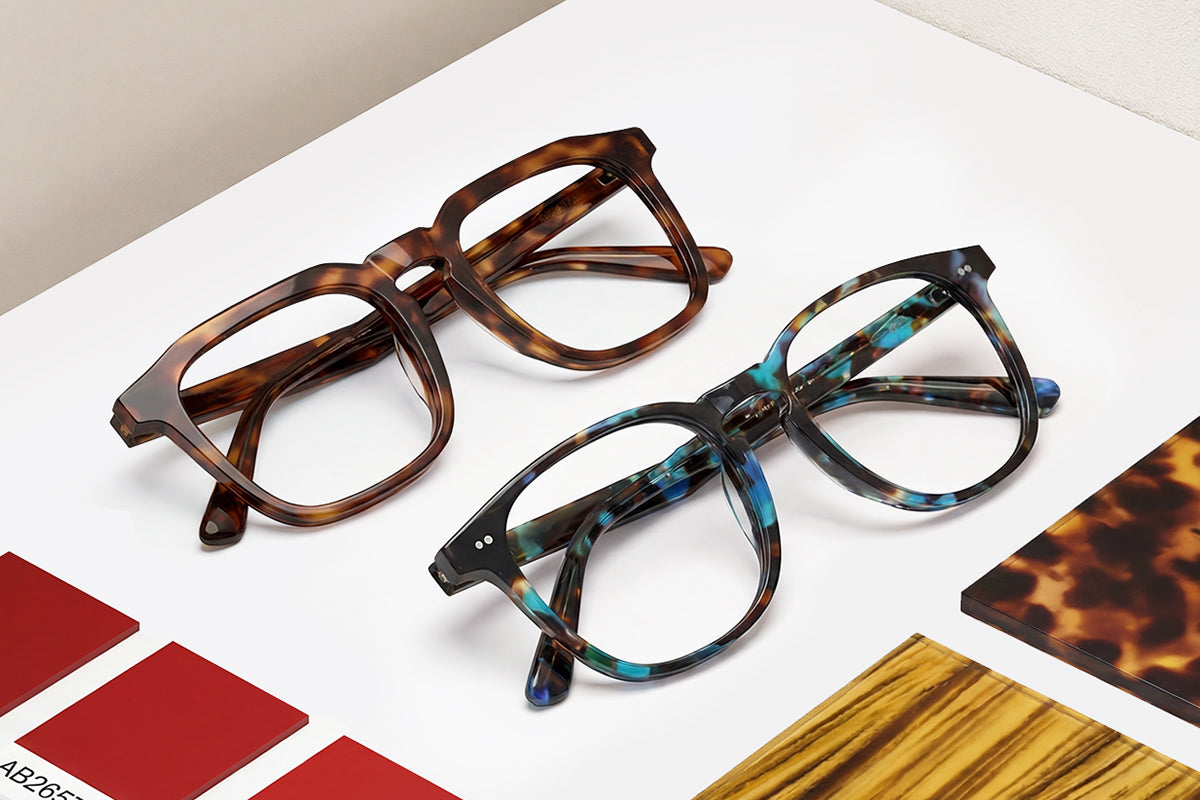
Capable of rich, multi-layered colour depth
Each acetate sheet is laminated, cured, and aged before frame production even begins.
Plastic and TR90 frames, by contrast, are petroleum-based and created through rapid injection moulding — fast, uniform, and cost-efficient, but limited in refinement.
Visual Depth: Layered Colour vs Flat Pigment
One of the most noticeable differences between acetate and plastic frames is visual complexity.
Handmade acetate frames:
-
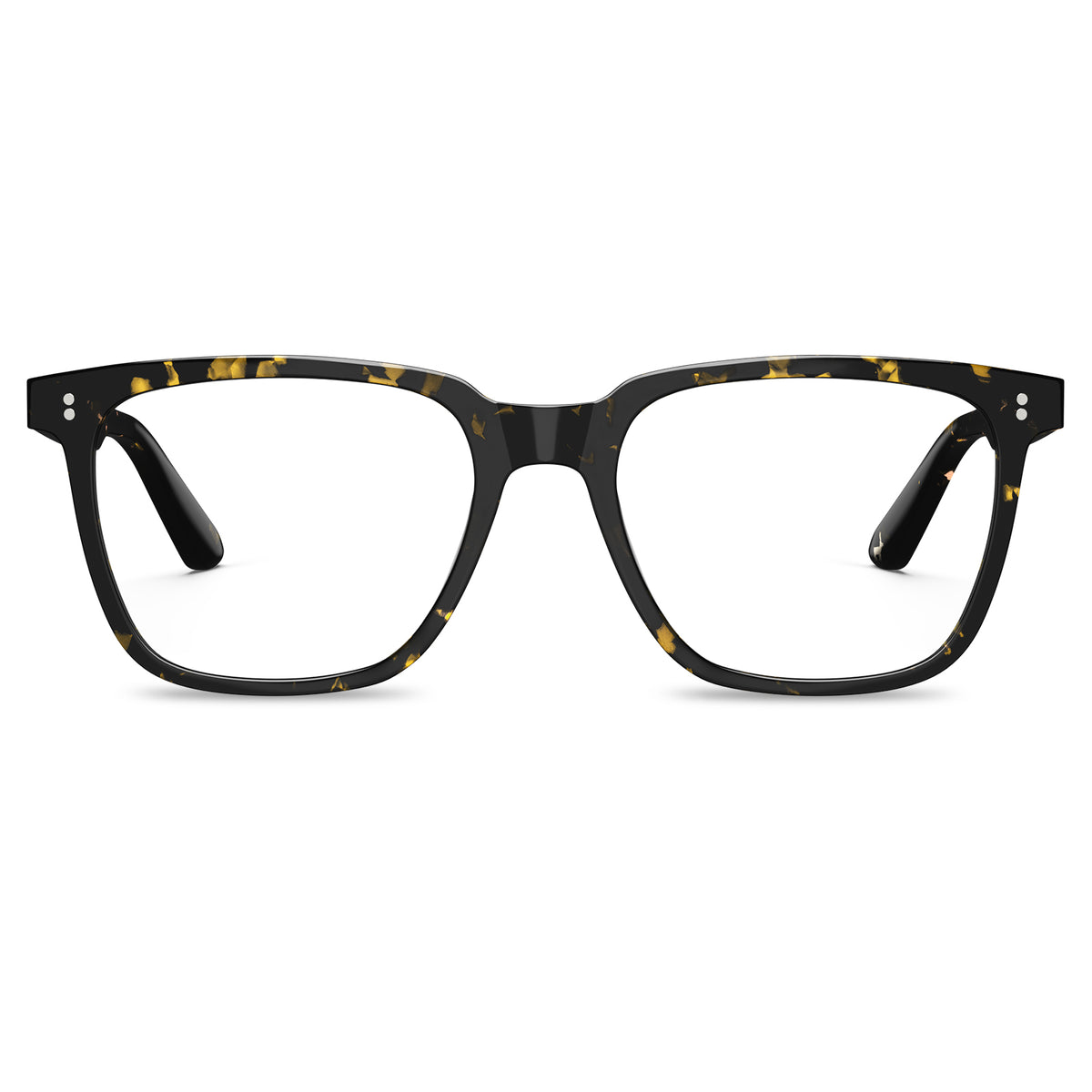
Feature layered colour patterns rather than surface paint
-
Maintain depth and saturation over time
-
Age gracefully without peeling or fading
Injection plastic / TR90 frames:
-
Use surface-level pigmentation
-
Appear flat under close inspection
-
Show wear faster, especially at stress points
This is why acetate frames often appear more refined and dimensional in natural light.
Skin Comfort and Wearability
Material choice directly affects daily comfort.
Acetate advantages:
-
Warms naturally to skin temperature
-
Feels smooth, not rigid, on contact
-
Less likely to cause irritation during extended wear
Plastic and TR90:
-
Lighter in raw weight
-
More rigid against the skin
-
Can feel “synthetic” after prolonged use
For eyewear worn all day, material feel matters just as much as design.
Adjustability: A Key Professional Difference
One of the most overlooked benefits of acetate is adjustability.
Acetate frames can be:
-
Heated and reshaped by opticians
-
Precisely fitted at the nose bridge and temples
-
Re-adjusted multiple times over their lifespan
Injection plastic and TR90 frames offer limited or no professional adjustment, often requiring replacement rather than refinement.
Why Carfia Chooses Acetate Despite Higher Costs
Using acetate means:
-
Longer production cycles
-
Higher material waste
-
Skilled hand-finishing at every stage
Carfia chooses acetate because it aligns with our philosophy:
eyewear should be built for longevity, comfort, and visual depth — not mass speed.
Final Thought
Acetate frames cost more because they do more:
-
More comfort
-
More adjustability
-
More visual character
-
More lifespan
If you value eyewear as a long-term investment rather than a disposable accessory, acetate is not a luxury — it is a standard.