








From morning emails to late-night scrolling, screens are part of everyday life. If your eyes feel tired, dry, or bothered by glare after a long day, the right pair of anti-blue light glasses may make screen time more comfortable. This guide explains what blue light is, what blue light glasses can and cannot do, and how to choose a comfortable prescription pair for work, study, and evenings.
Quick take: blue light glasses are best viewed as one part of a screen-comfort routine. They do not replace regular eye exams, good lighting, or healthy screen habits, but the right lenses and fit can help reduce distracting reflections and make extended screen use feel easier.
What is blue light?
Blue light is a high-energy portion of visible light that comes from the sun, LED lighting, televisions, computers, tablets, and phones. Daytime blue light helps support alertness and the body’s natural sleep-wake rhythm. The bigger concern for many screen users is not blue light alone, but the combination of close-up focus, reduced blinking, glare, and bright screens used late at night.
If you want the basics before comparing frames, read our guide to whether blue light affects sleep. It is also worth remembering that research is still evolving, so blue light glasses should not be marketed as a cure or as a substitute for professional eye care.
Do anti-blue light glasses work?
Blue light glasses use a lens filter or coating to reduce some blue-violet wavelengths. Depending on the lens, they may also include an anti-reflective coating that cuts distracting reflections from overhead lights and screens. Many people find that this makes digital work more comfortable, especially in bright offices or during evening use, but individual results vary.
For better results, combine glasses with a few simple habits:
- Follow the 20-20-20 rule: every 20 minutes, look at something about 20 feet away for 20 seconds.
- Keep your screen about an arm’s length away and slightly below eye level.
- Increase text size instead of leaning closer to the screen.
- Match screen brightness to the room and reduce harsh reflections.
- Blink often and take regular breaks from close-up work.
Prescription or non-prescription blue light glasses?
If you already need vision correction, prescription lenses are usually the most practical choice because they combine your prescription with the coating or filter you want. Before ordering, make sure your prescription is current and learn how to read the numbers on it with our guide to reading your eyeglasses prescription.
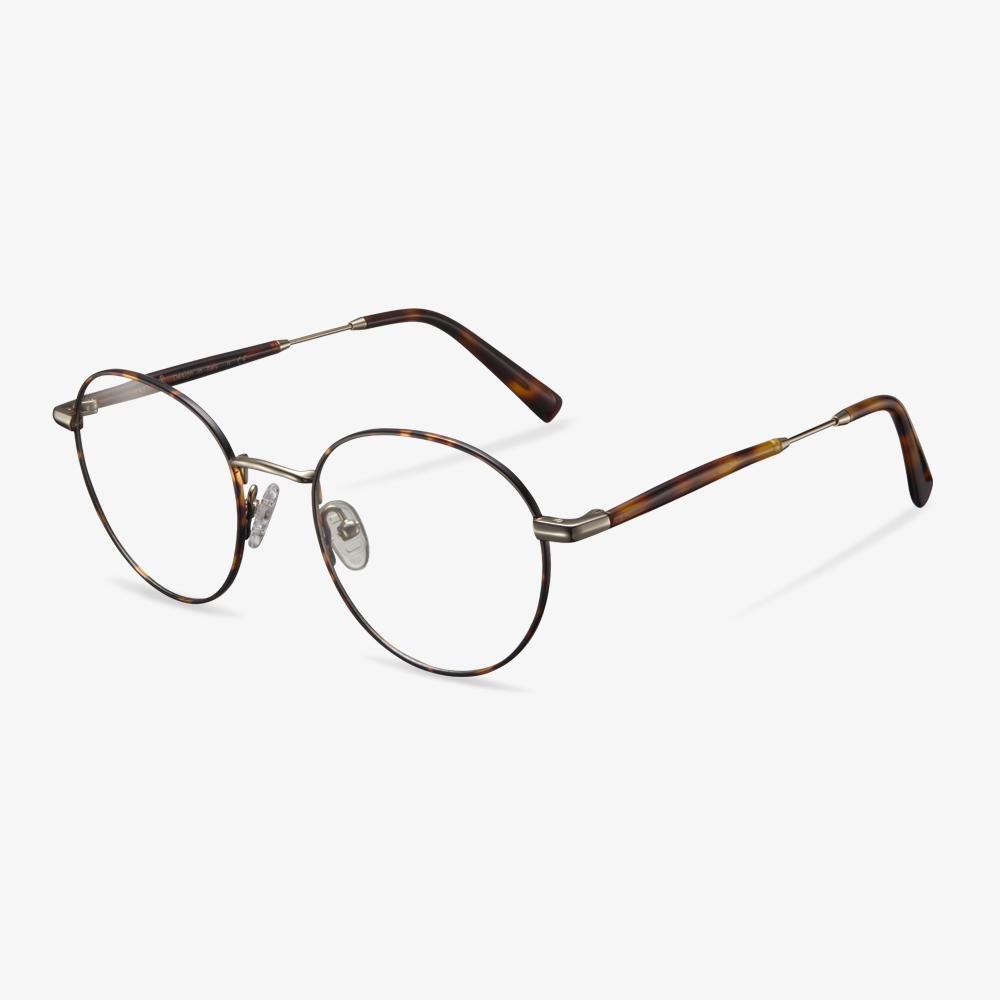
For office work, study, or long hours at a monitor, start with prescription blue light glasses designed for everyday wear. If you mainly want a comfortable pair for a desk setup, browse blue-light office glasses. People who switch between work and travel may prefer a versatile frame with a clear lens and a reliable anti-reflective coating.
What to look for when choosing a pair
1. A lens feature that matches your routine
Ask what the lens is designed to do. A blue-light filter targets selected wavelengths, while an anti-reflective coating helps reduce surface glare. If reflections are your main problem, compare anti-glare glasses as well as blue-light options. Avoid choosing based only on a large percentage claim. Clear information about the filter, coating, and intended use is more useful than a single headline number.
2. A comfortable, stable fit
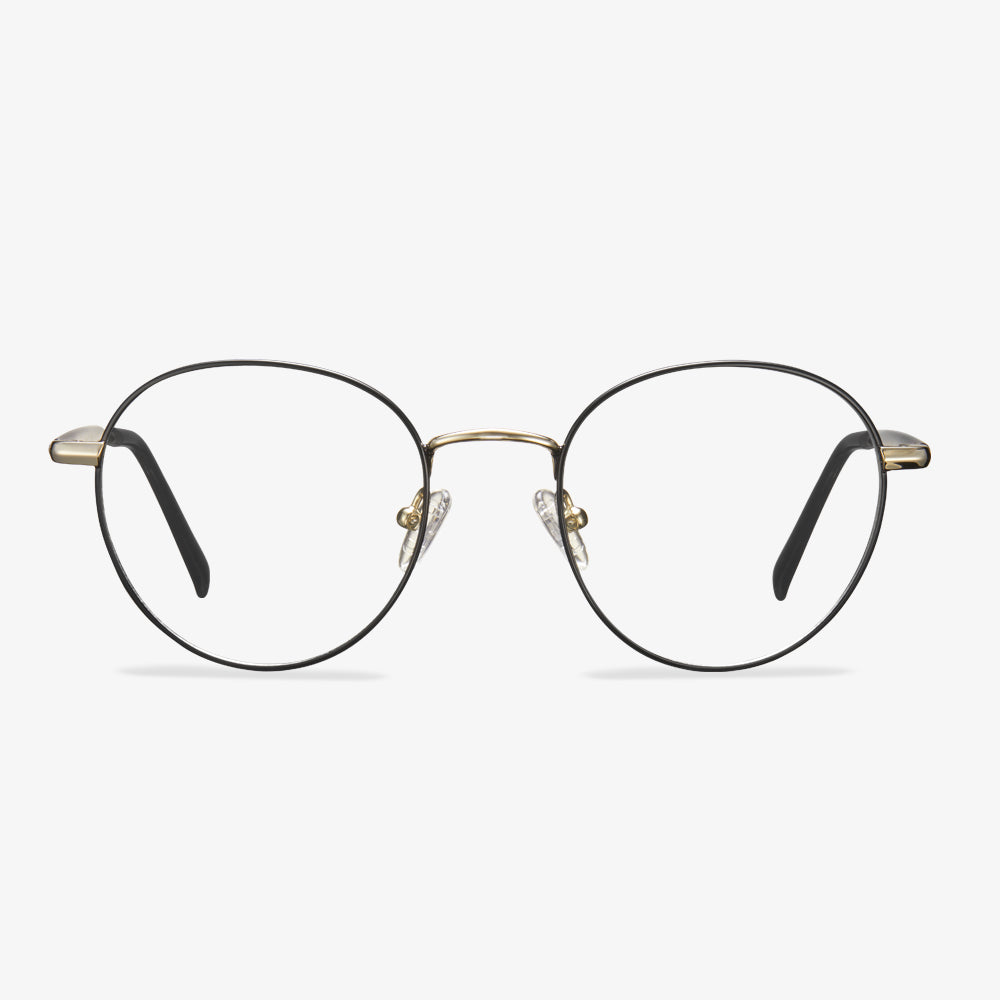
Frames should sit securely without pinching your temples or sliding down your nose. Check the frame width, bridge fit, and temple length. Lightweight materials can be a good choice for all-day wear, and titanium glasses are worth considering if you want a light, durable frame with a clean look.
3. A shape that suits your face and wardrobe
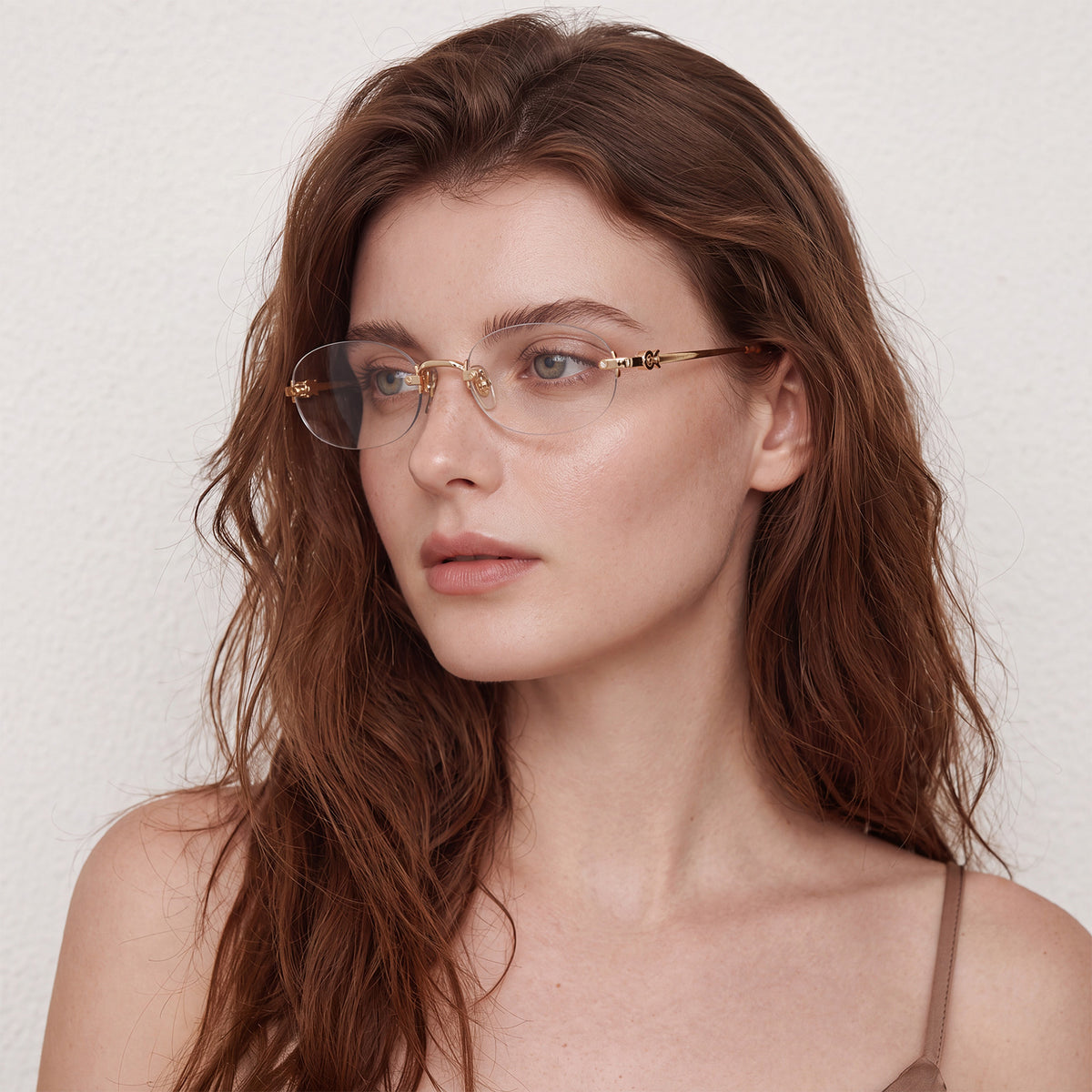
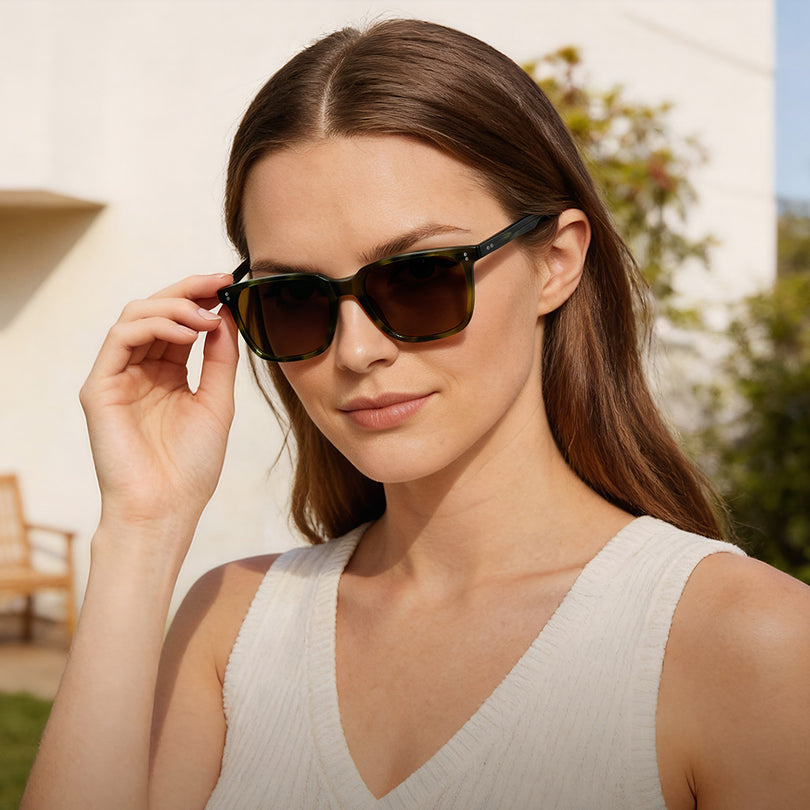
The best pair is the one you will actually wear. Choose a shape that works with your daily clothes and the way you use screens. For more ideas, compare women's blue light glasses, men's blue light glasses, and our blue light best sellers before narrowing down your shortlist.
4. Clear prescription and return details
Confirm that the frame supports your prescription range and check the store’s lens options, measurements, warranty, and return policy. If you have a complex prescription, high astigmatism, or ongoing eye symptoms, ask an optometrist which lens design is appropriate.
Three prescription frames to explore
If you are looking for a new prescription-ready frame rather than a non-prescription screen pair, these current styles are a useful place to start:
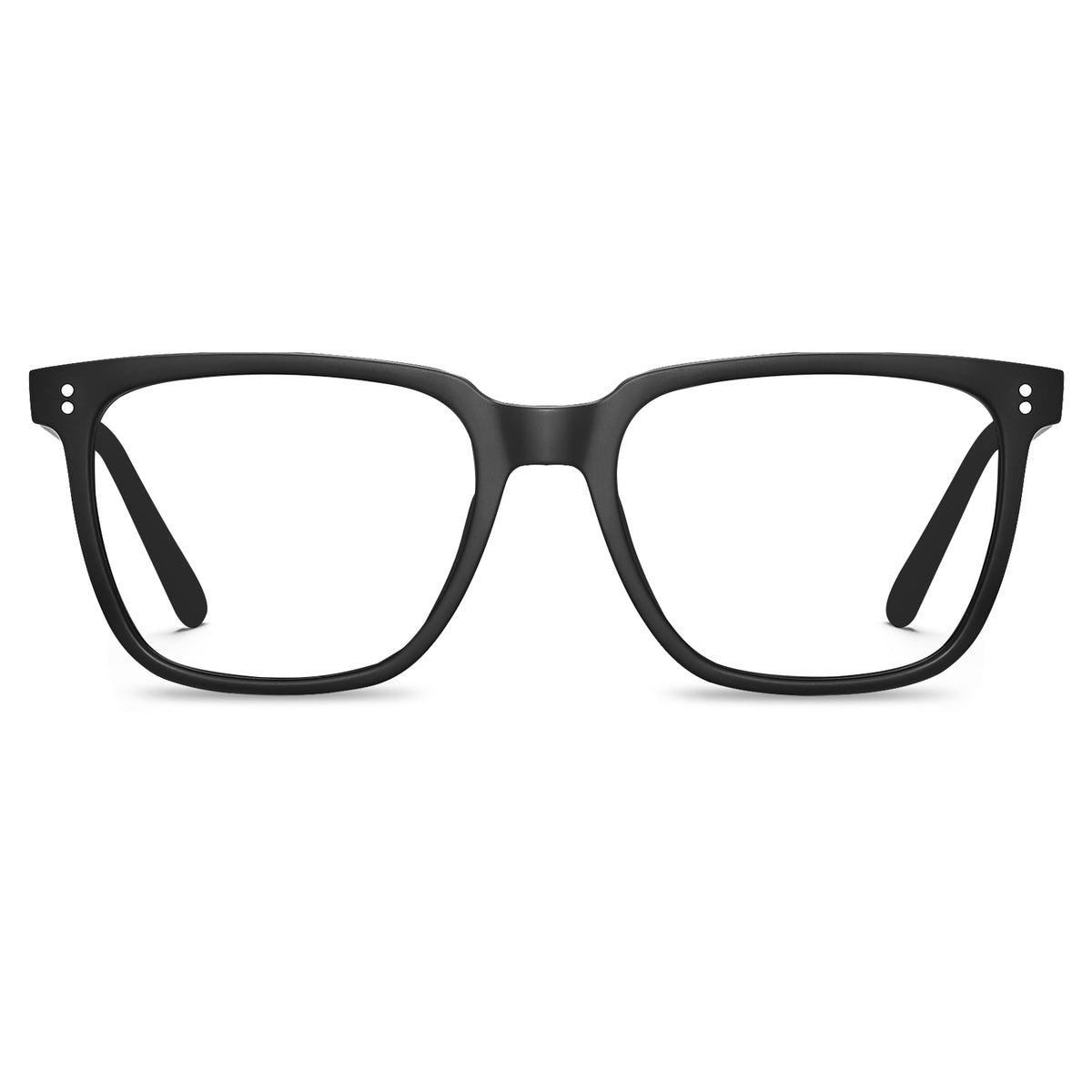
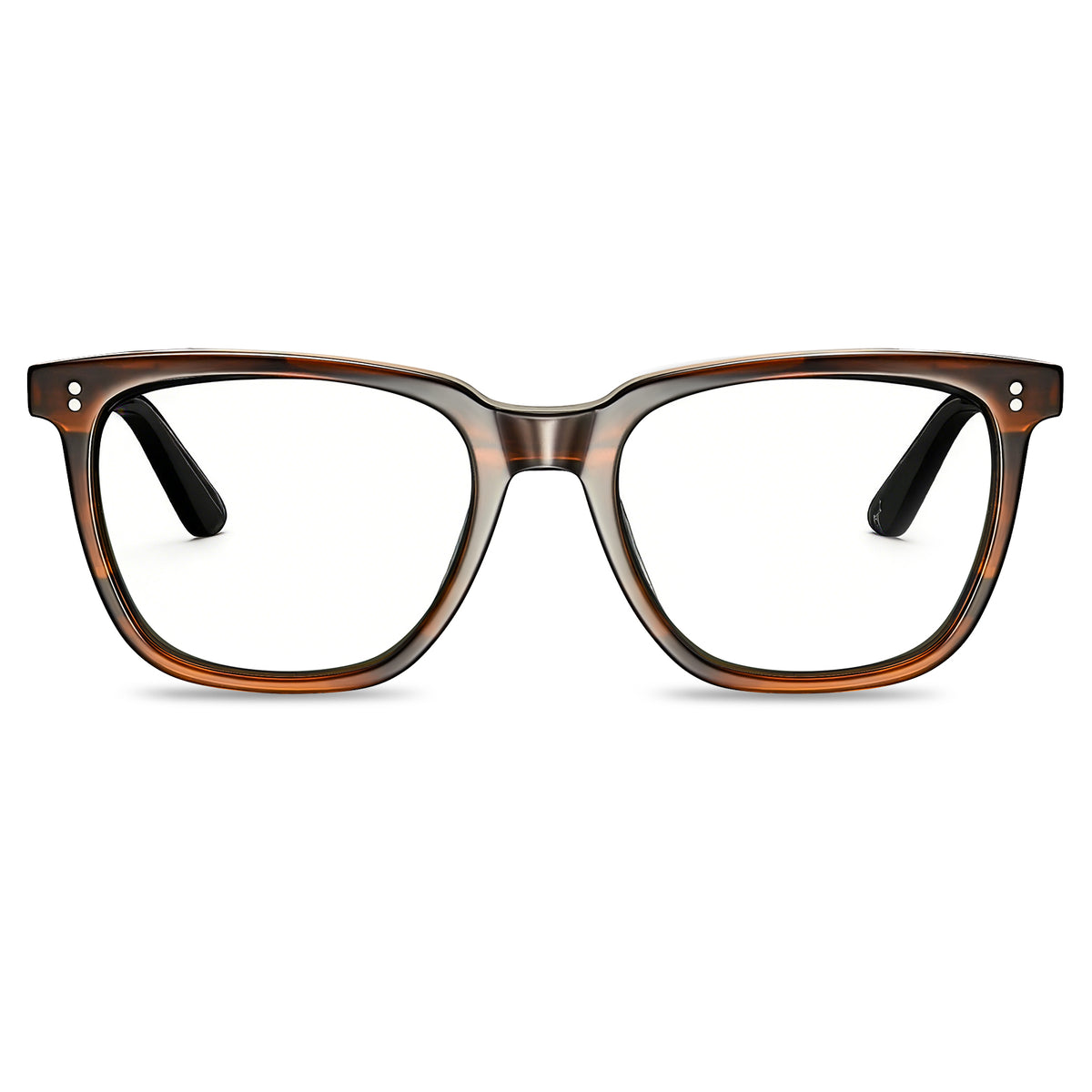
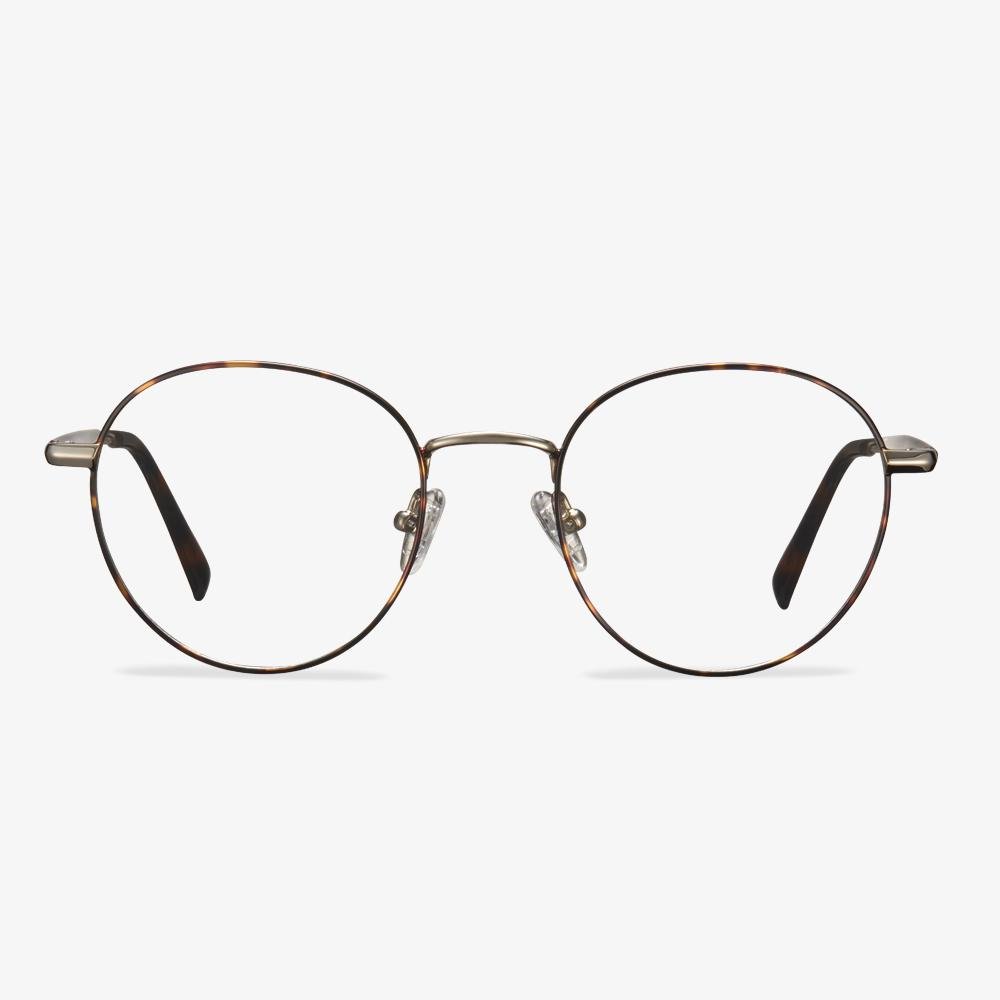
- Bonterey prescription glasses for a classic everyday look.
- Primrose prescription eyeglasses for a softer, versatile frame profile.
- Finco FC04 for a clean option to compare with your existing wardrobe.
These product links are starting points, not medical recommendations. Check the available lens and prescription options on each product page before ordering.
Are blue light glasses right for you?
They may be useful if you spend several hours a day on screens, notice discomfort from glare, or want a dedicated pair for evening computer use. They are less likely to solve the problem if your symptoms come from an outdated prescription, dry eye, poor lighting, or an unrelated eye condition. Persistent pain, blurred vision, headaches, or sudden changes in vision deserve professional attention.
Ultimately, the best anti-blue light glasses combine the right prescription, a comfortable fit, suitable glare control, and a style you will wear consistently. Start with your daily screen routine, compare the lens features that matter most, and choose comfort over exaggerated protection claims.