








The average American now spends over 11 hours per day looking at screens — smartphones, laptops, tablets, and televisions. For remote workers and students, that number climbs even higher. With so much time spent in front of digital displays, it's no surprise that complaints of eye fatigue, headaches, and disrupted sleep have surged in recent years.
Enter blue light glasses — one of the fastest-growing categories in eyewear. But do they actually work? And if so, what should you look for when choosing a pair?
In this guide, we break down the science, separate fact from fiction, and help you find the right blue light blocking glasses for your lifestyle.
What Is Blue Light, and Where Does It Come From?
Blue light is a high-energy, short-wavelength light in the 400–490 nm range of the visible spectrum. It's emitted naturally by the sun — which is why it plays a key role in regulating your circadian rhythm — but it's also produced artificially by LED and fluorescent lighting, computer and laptop monitors, smartphone and tablet screens, and television displays.
The concern isn't blue light itself (it's essential for alertness and mood during the day), but rather excessive artificial blue light exposure, especially in the hours before bedtime.
What Does the Research Actually Say?
1. Blue Light and Sleep Disruption
This is where the science is strongest. A landmark study published in the Proceedings of the National Academy of Sciences found that exposure to blue-wavelength light before bed suppresses melatonin production and delays the circadian clock, making it harder to fall asleep and reducing sleep quality. (Source: Chang et al., PNAS, 2015)
The American Academy of Ophthalmology (AAO) acknowledges that blue light from screens can interfere with sleep, particularly when devices are used within 1–2 hours of bedtime.
2. Blue Light and Digital Eye Strain
The AAO notes that digital eye strain (also called computer vision syndrome) is a real and widespread condition, affecting up to 50–90% of computer users according to research published in Ophthalmic and Physiological Optics. Symptoms include dry, irritated eyes, blurred vision, headaches, and neck and shoulder tension.
However, the AAO clarifies that digital eye strain is caused by a combination of factors — reduced blink rate, screen glare, poor posture, and uncorrected refractive errors — not blue light alone. (Source: American Academy of Ophthalmology, 2023)
3. Blue Light and Retinal Damage
Some early animal studies suggested high-intensity blue light could damage retinal cells. However, the National Eye Institute (NEI) states that the level of blue light emitted by consumer screens is not sufficient to cause retinal damage in humans under normal use conditions. (Source: National Eye Institute, 2022)
Bottom line: Blue light glasses are most evidence-backed for improving sleep quality when worn in the evening. For daytime eye strain, they may offer comfort benefits — but good habits (the 20-20-20 rule, proper screen distance, adequate lighting) matter just as much.
Who Benefits Most from Blue Light Glasses?
Remote workers and office professionals who spend 6–10+ hours daily in front of screens often report reduced eye fatigue and headaches with consistent use.
Students doing extended reading and research on laptops benefit from reduced glare and improved contrast.
Night owls and poor sleepers who use devices in the evening may find that blue light glasses help them wind down more naturally and fall asleep faster.
Gamers who play for long sessions appreciate the reduced eye strain during extended play.
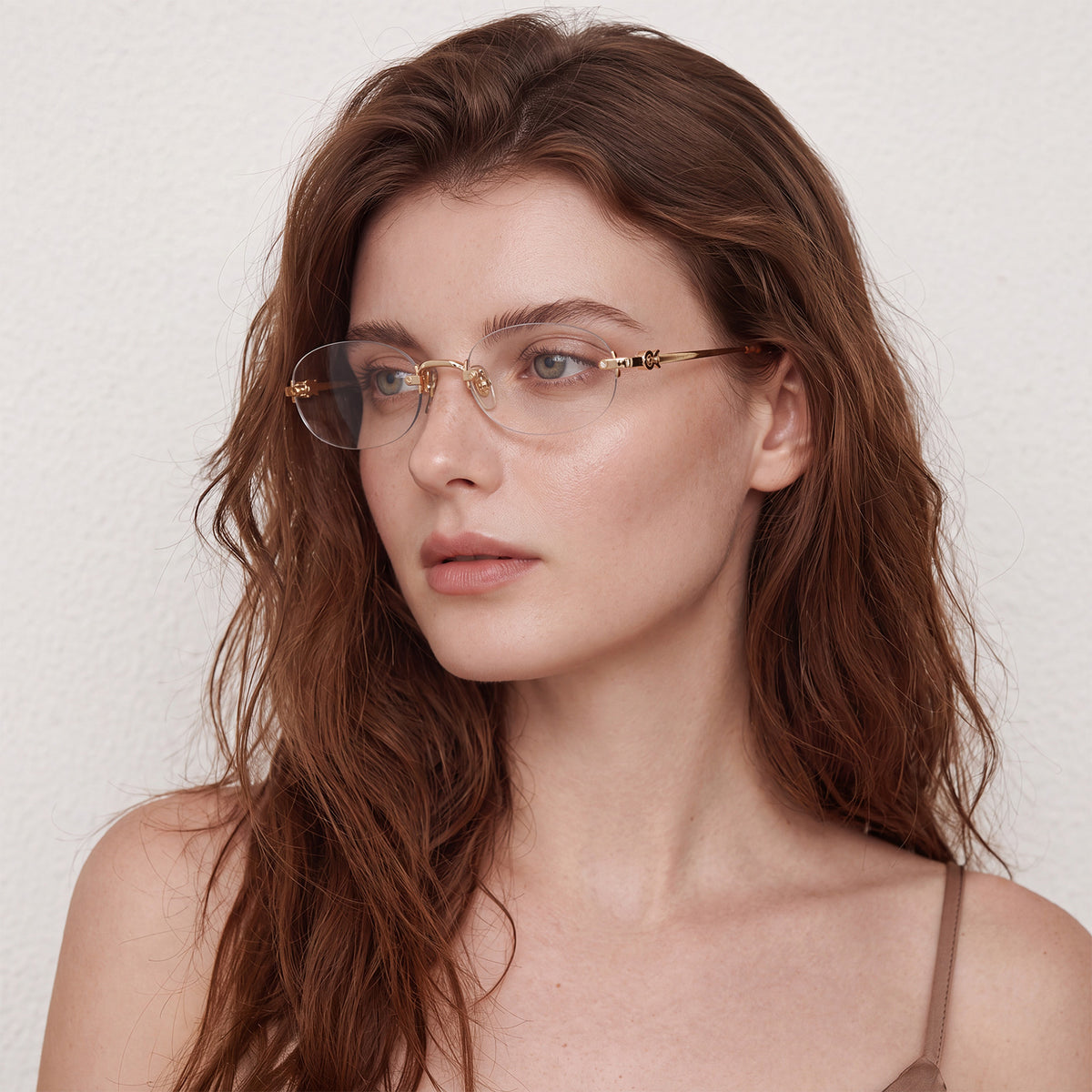
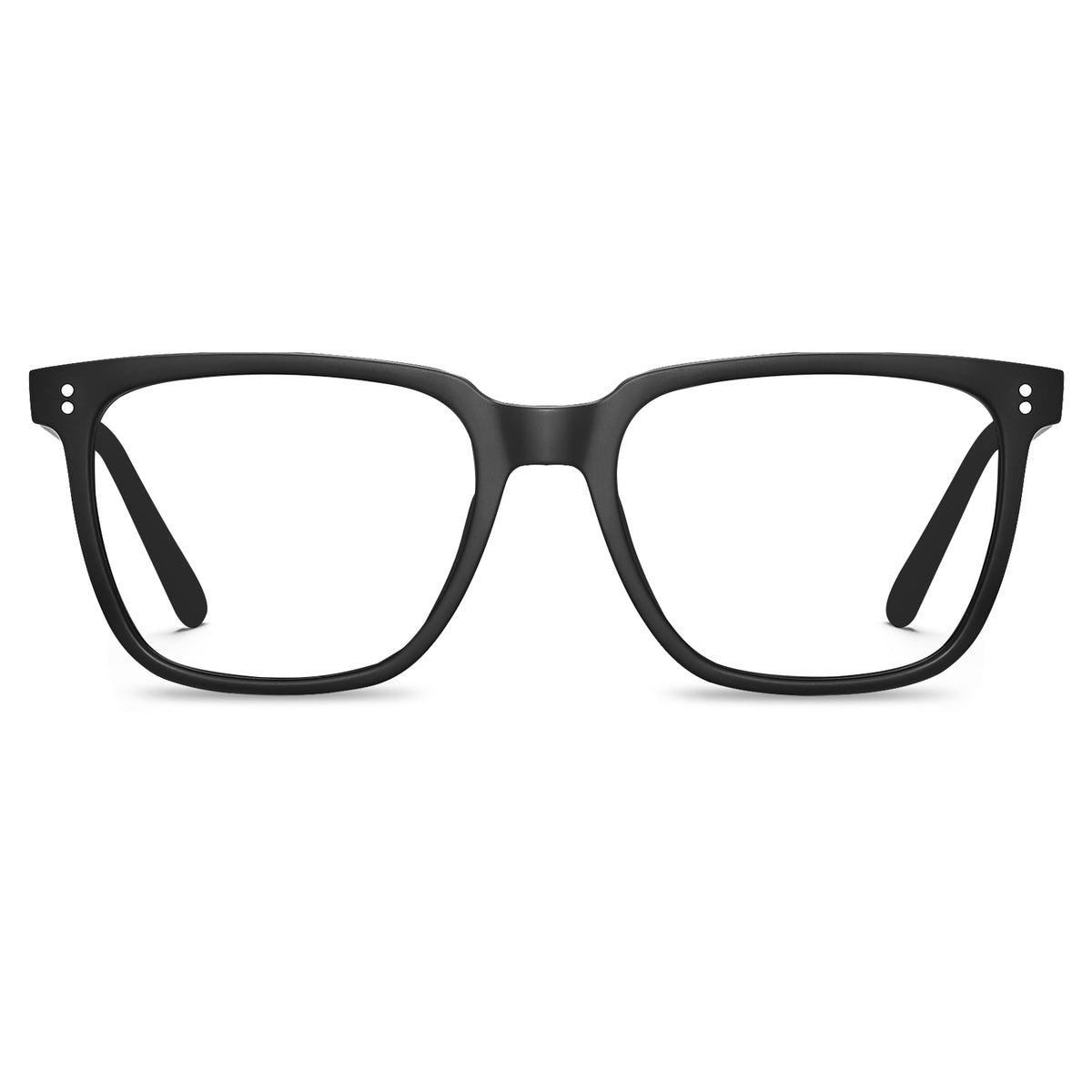
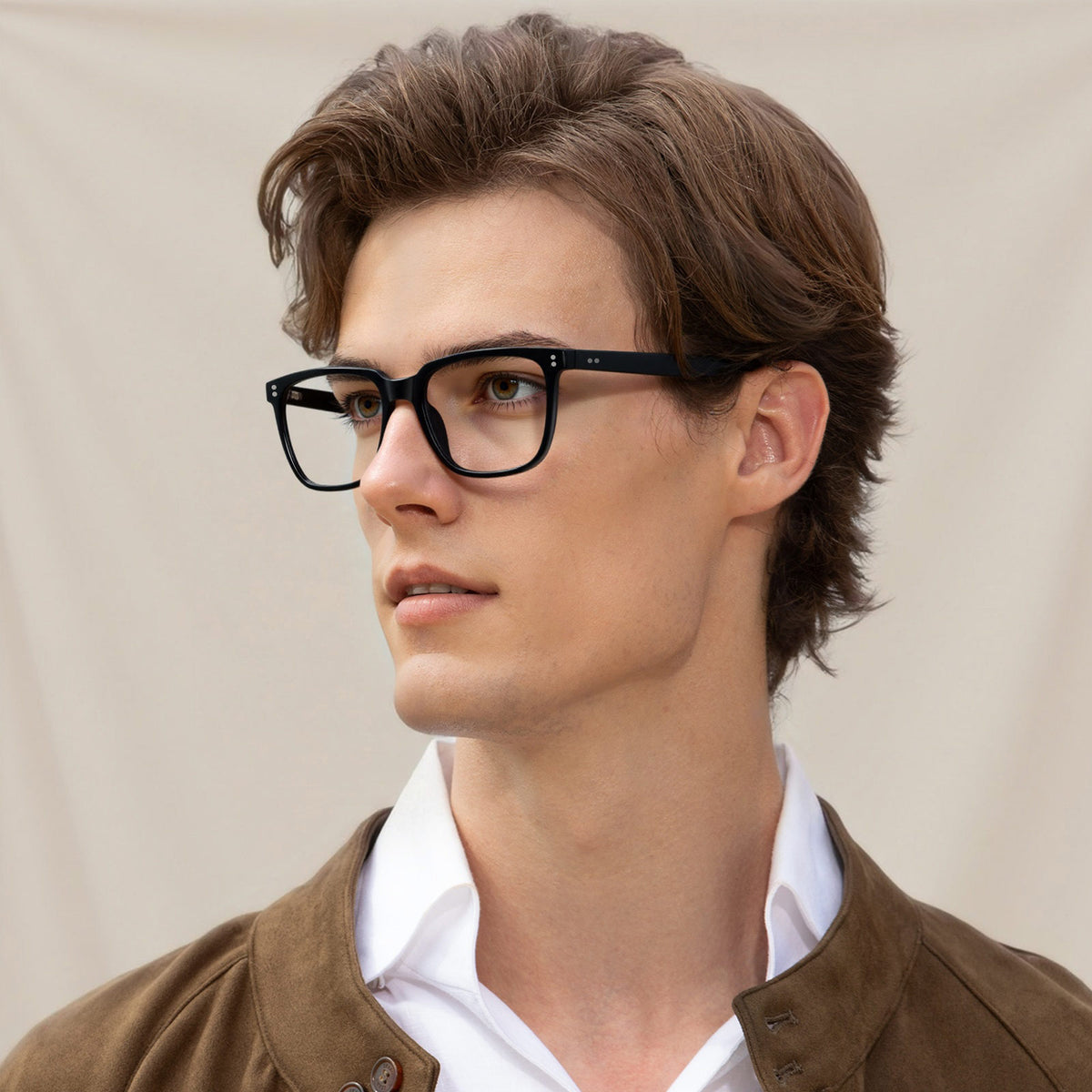
If you fall into any of these categories, exploring our men's blue light glasses or women's blue light glasses collections is a great starting point.
What to Look for in a Quality Pair of Blue Light Glasses
Not all blue light glasses are created equal. Here's what separates a genuinely effective pair from a marketing gimmick:
✅ Lens Filter Quality
Look for lenses that filter at least 30% of blue light in the 400–450 nm range (the highest-energy, most disruptive wavelengths). Clear lenses with an anti-reflective coating are ideal for daytime use; amber-tinted lenses offer stronger filtration for evening use.
✅ Anti-Reflective (AR) Coating
An AR coating reduces glare from screens and overhead lighting — one of the primary contributors to digital eye strain. This is non-negotiable for a quality pair.
✅ Prescription Compatibility
If you already wear prescription lenses, make sure your blue light glasses can accommodate your prescription. Our prescription blue light glasses are compatible with single-vision, bifocal, and progressive lenses.
✅ Frame Fit and Comfort
You'll be wearing these for hours at a time. Look for lightweight materials (acetate is excellent — durable, hypoallergenic, and comfortable), a proper bridge fit, and temple arms that don't create pressure points.
✅ Certifications
Reputable eyewear brands will have CE certification or equivalent optical safety standards. At Carfia, all our frames meet international optical safety standards.
Carfia Blue Light Glasses: Our Top Picks
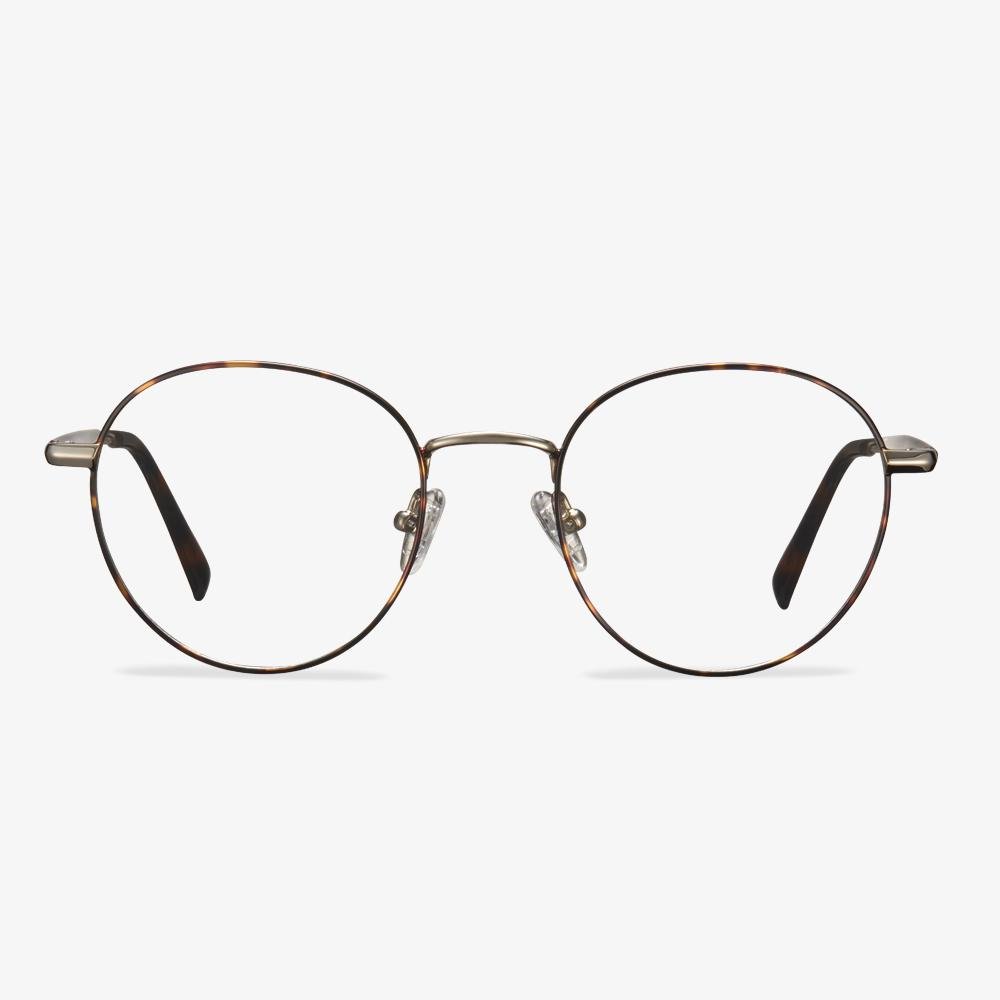
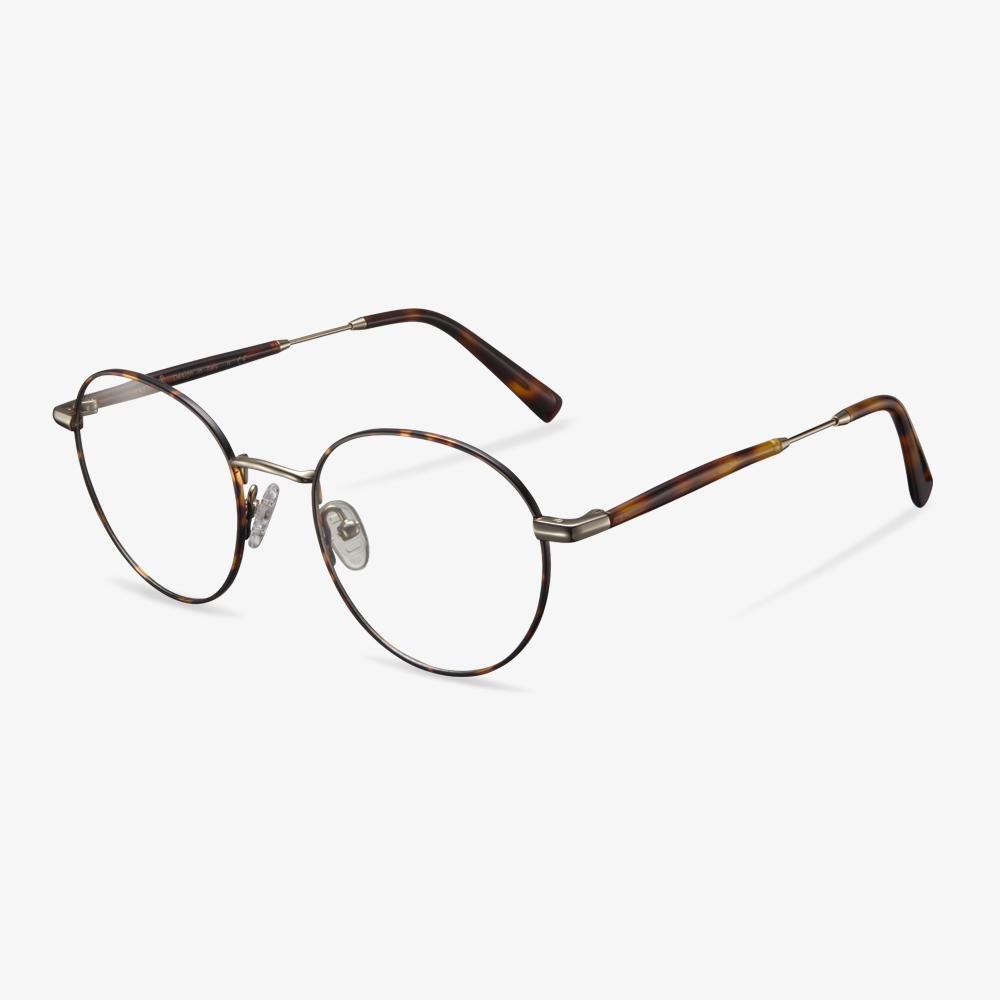
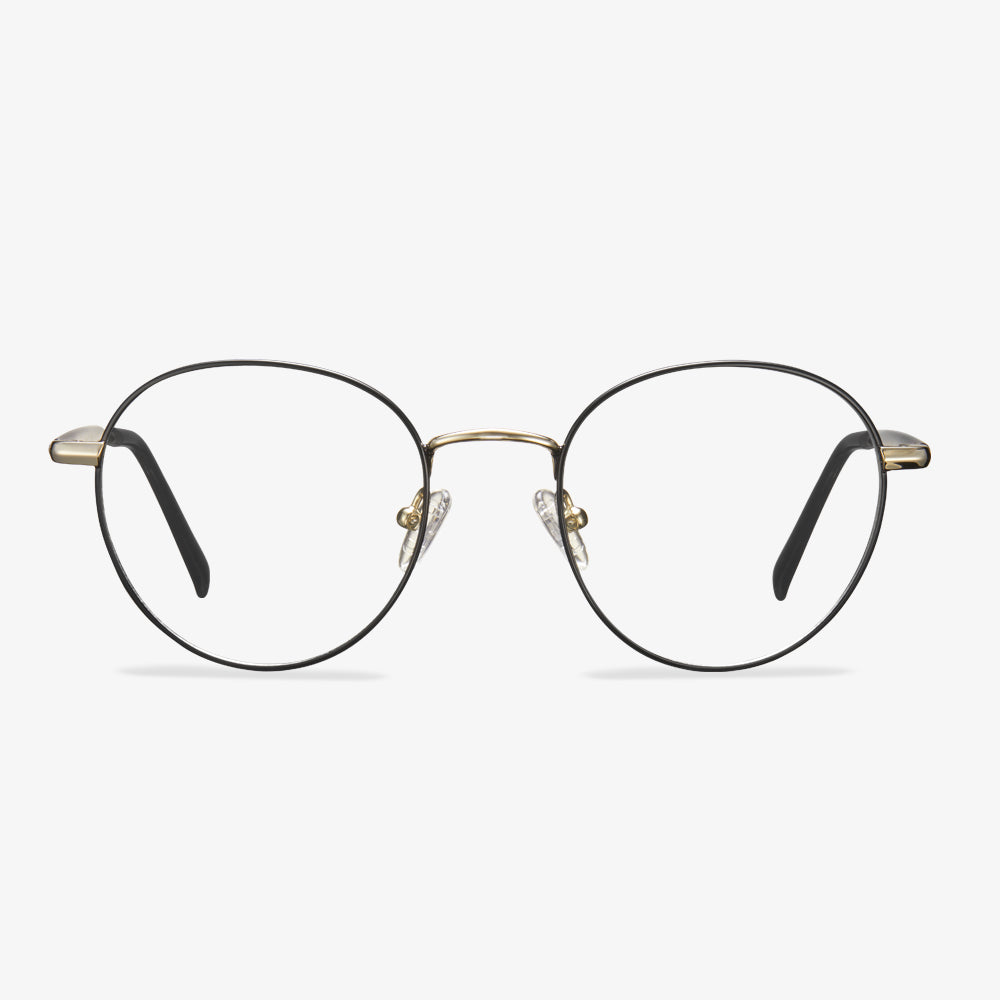
1. Finco-FC04 — Classic Round Acetate Blue Light Glasses
The Finco-FC04 is our bestselling everyday blue light frame. Crafted from premium Italian-inspired acetate and weighing just 20g, it's designed for all-day comfort without sacrificing style. Round frame ideal for square face shapes, prescription ready, unisex design, 141mm frame width.
Perfect for: Office workers, students, and anyone who wants a timeless, versatile frame.
2. Peoria-FC04 — Bold Square Acetate Glasses for Men
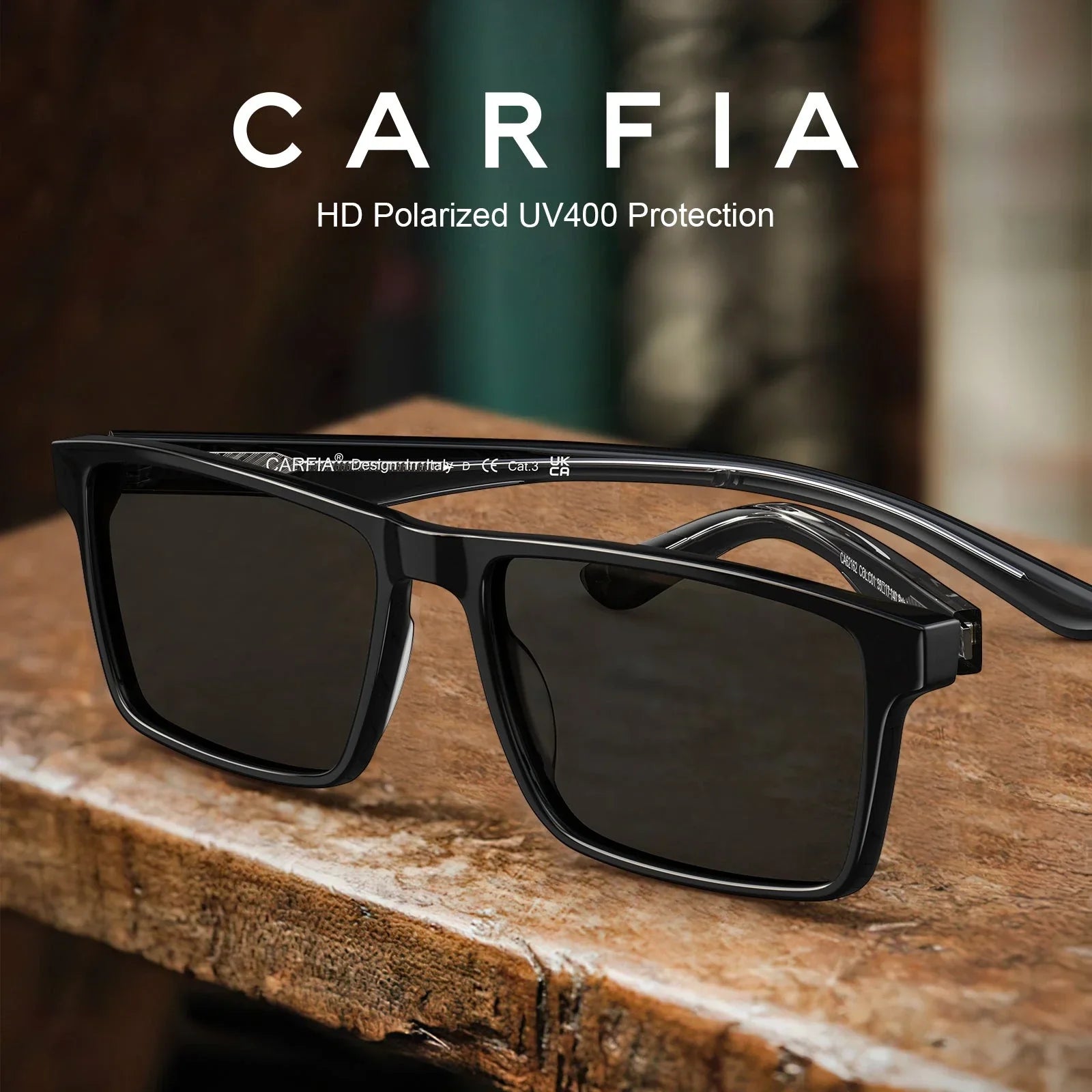
Designed in Italy for the modern professional, the Peoria-FC04 features a bold square silhouette with a wide 147mm frame — ideal for men with larger face shapes. The brown gradient colorway adds a sophisticated, retro-inspired edge. Blue light blocking available at checkout, prescription ready, large fit.
Perfect for: Men who want a statement frame that transitions from boardroom to weekend.
3. Barrie-FC12 — Oversized Cat-Eye Blue Light Glasses for Women
The Barrie-FC12 is for women who refuse to compromise style for function. This oversized cat-eye frame in clear pink with a floral tortoiseshell temple is CE & UK CA certified and prescription-ready. 139mm frame width, 30g lightweight construction.
Perfect for: Fashion-forward women who want protection and personality in one frame.
The 20-20-20 Rule: Your Best Companion to Blue Light Glasses
Blue light glasses work best as part of a broader eye care routine. The 20-20-20 rule, recommended by optometrists worldwide, is simple: every 20 minutes, look at something 20 feet away for at least 20 seconds. This gives your ciliary muscles (which control lens focus) a chance to relax and significantly reduces eye fatigue.
Blue Light Glasses vs. Screen Filters: Which Is Better?
Both blue light glasses and screen filters reduce blue light exposure, but blue light glasses cover all screens, are portable, reduce glare with AR coating, and also protect against overhead lighting — advantages that screen filters (physical overlays or software like Night Shift/f.lux) cannot match.
Frequently Asked Questions
Can I wear blue light glasses all day?
Yes. Clear-lens blue light glasses are designed for all-day wear and won't distort your color perception or cause any harm with extended use.
Do I need a prescription to get blue light glasses?
No — blue light glasses are available in non-prescription (plano) lenses. However, if you already wear prescription glasses, you can add blue light blocking to your prescription lenses.
Will blue light glasses cure my headaches?
They may help if screen glare or eye strain is a contributing factor. However, persistent headaches should be evaluated by a healthcare professional, as they can have many causes.
How do I know if my blue light glasses are actually working?
A simple test: hold your glasses up to a blue LED light or use a blue light test card. Effective lenses will visibly reduce the intensity of the blue light.
Final Thoughts
The science on blue light glasses is nuanced — they're not a magic cure-all, but they're a genuinely useful tool for managing the realities of modern screen-heavy life, particularly for sleep quality and daytime eye comfort. The key is choosing a pair with quality lenses, proper fit, and a style you'll actually want to wear every day.
Explore the full Carfia Blue Light Blocking Glasses collection to find your perfect pair — whether you're looking for prescription blue light glasses, men's styles, or women's frames.
Medical Disclaimer: This article is for informational purposes only and does not constitute medical advice. Consult a qualified eye care professional for personalized recommendations.
References:
1. Chang, A.M. et al. (2015). "Evening use of light-emitting eReaders negatively affects sleep, circadian timing, and next-morning alertness." Proceedings of the National Academy of Sciences.
2. American Academy of Ophthalmology. (2023). "Computer Vision Syndrome."
3. National Eye Institute. (2022). "Blue Light: Fact vs. Fiction."
4. Sheppard, A.L. & Wolffsohn, J.S. (2018). "Digital eye strain: prevalence, measurement and amelioration." Ophthalmic and Physiological Optics.
5. Harvard Health Publishing. (2023). "Blue light has a dark side."