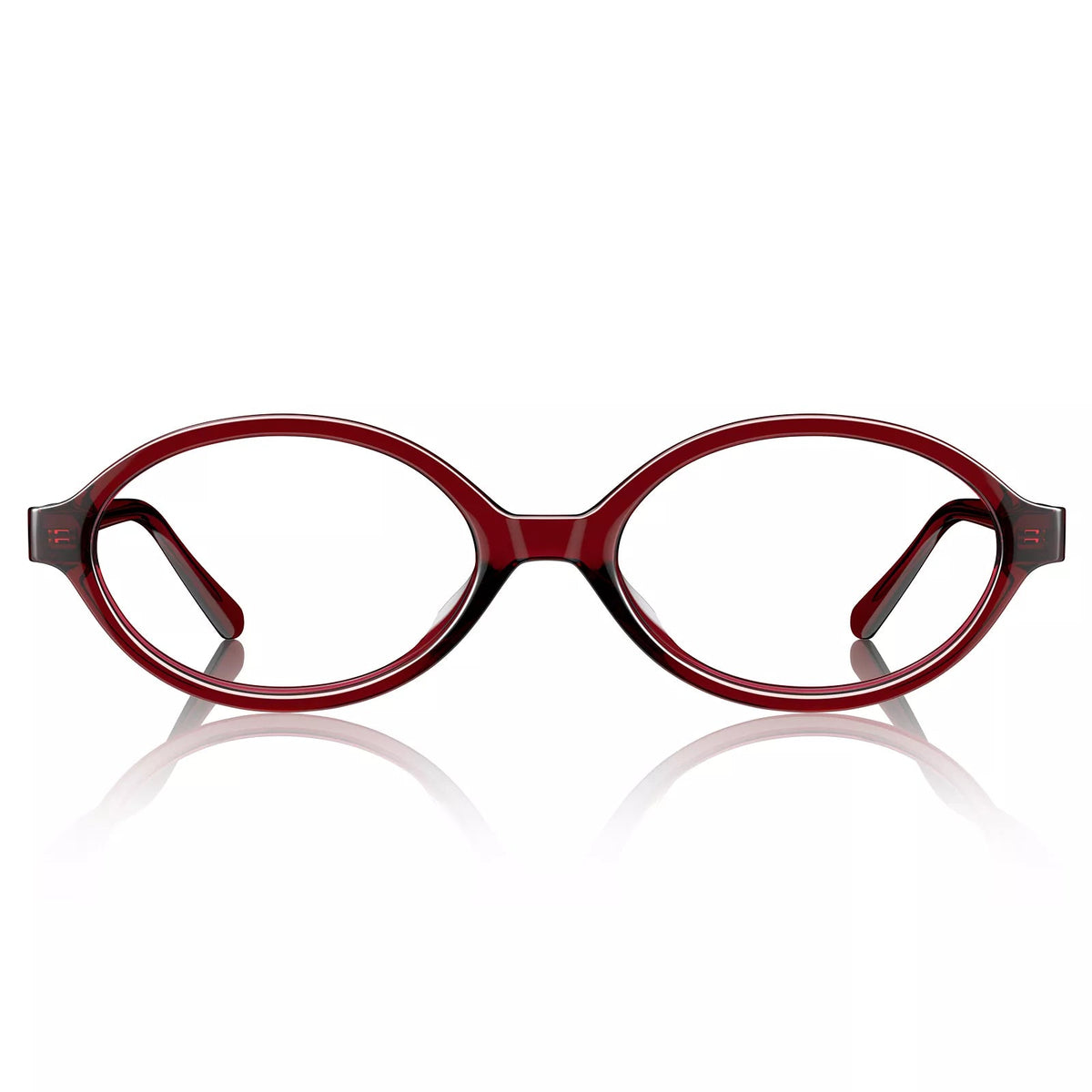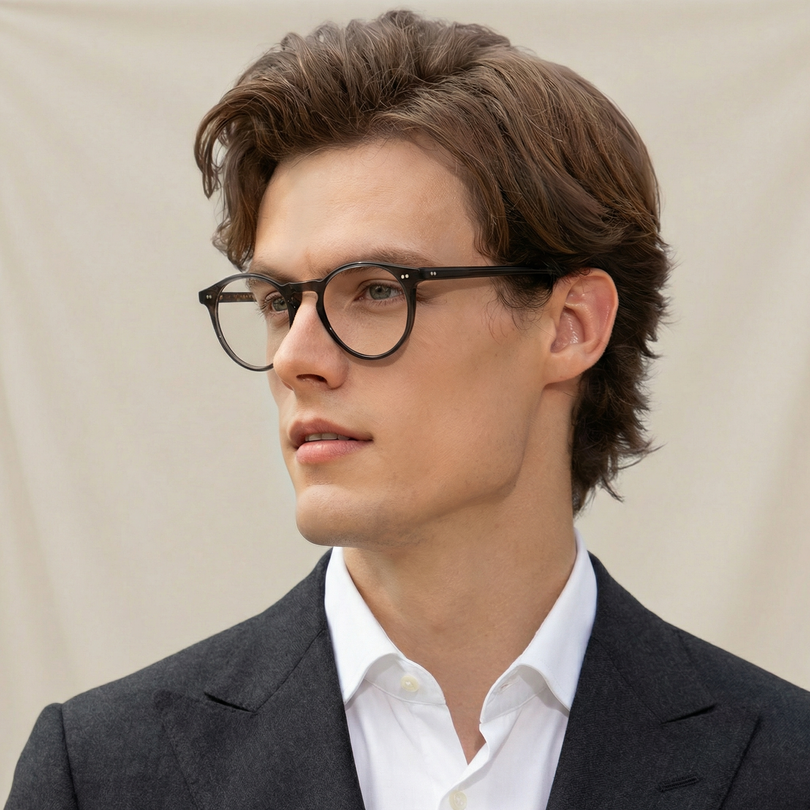
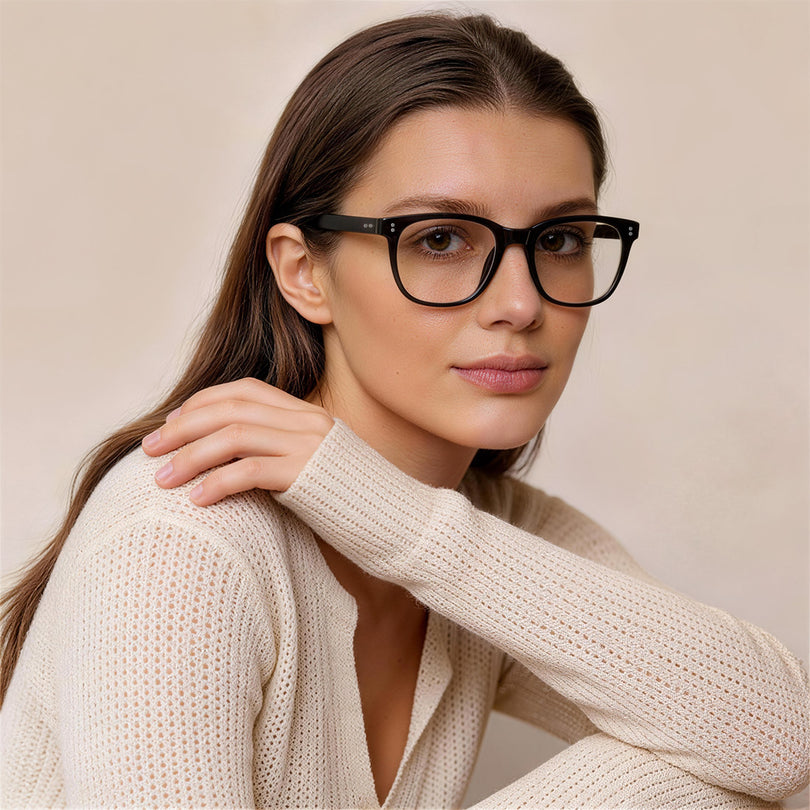

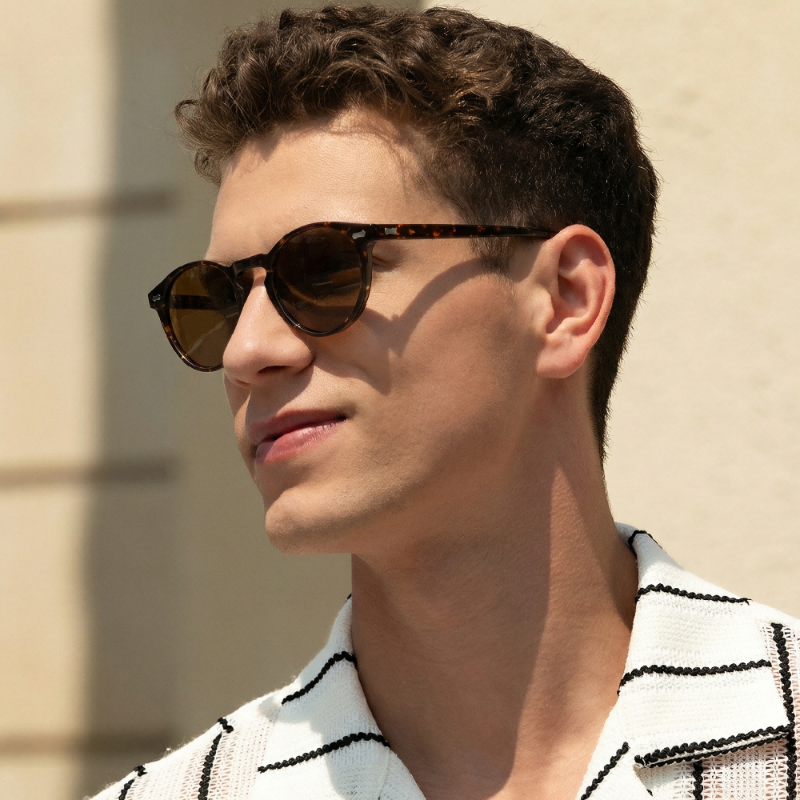

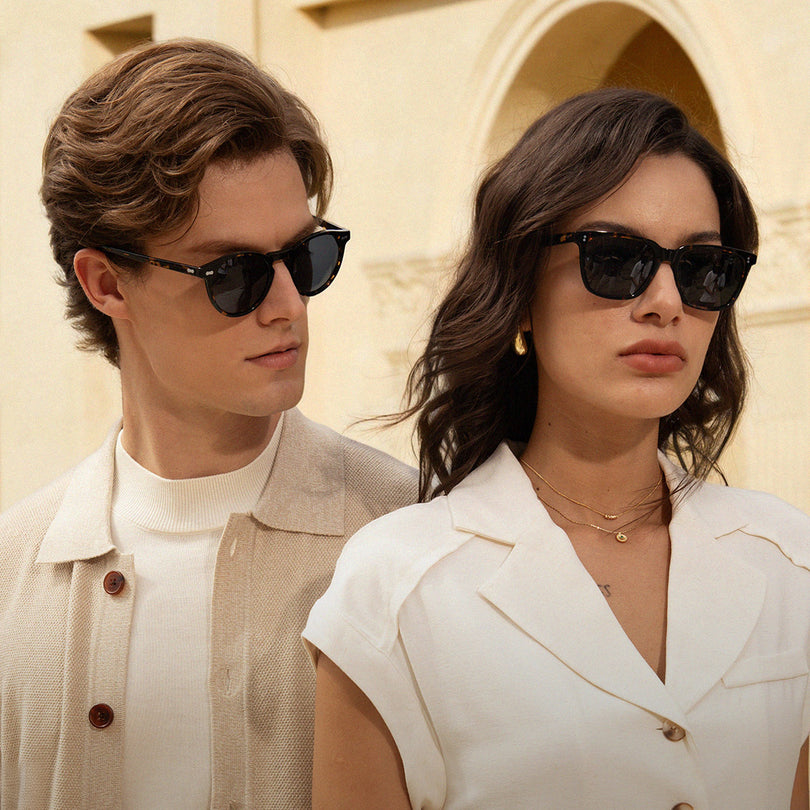


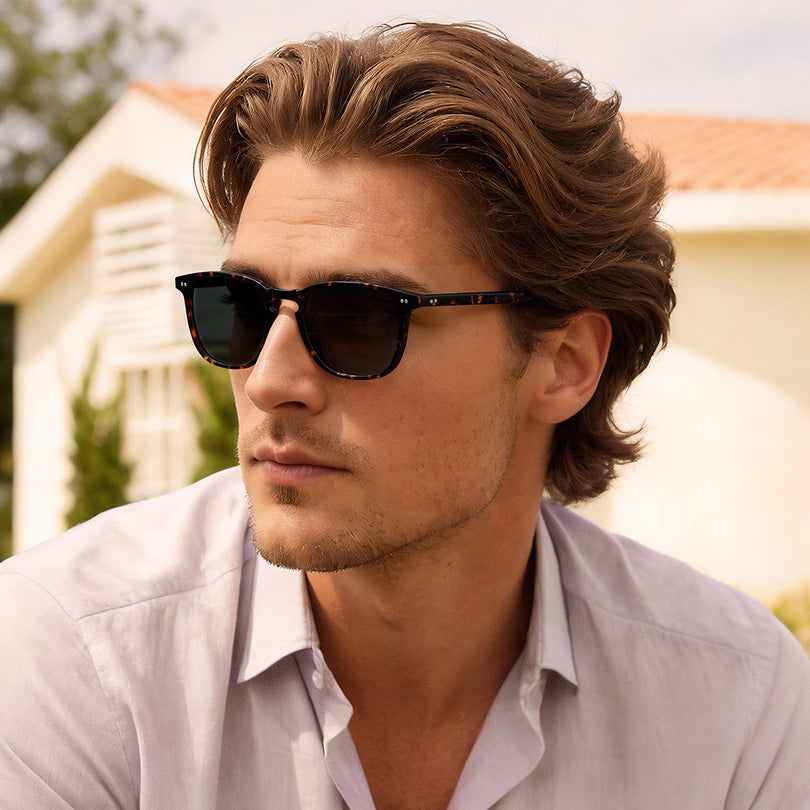
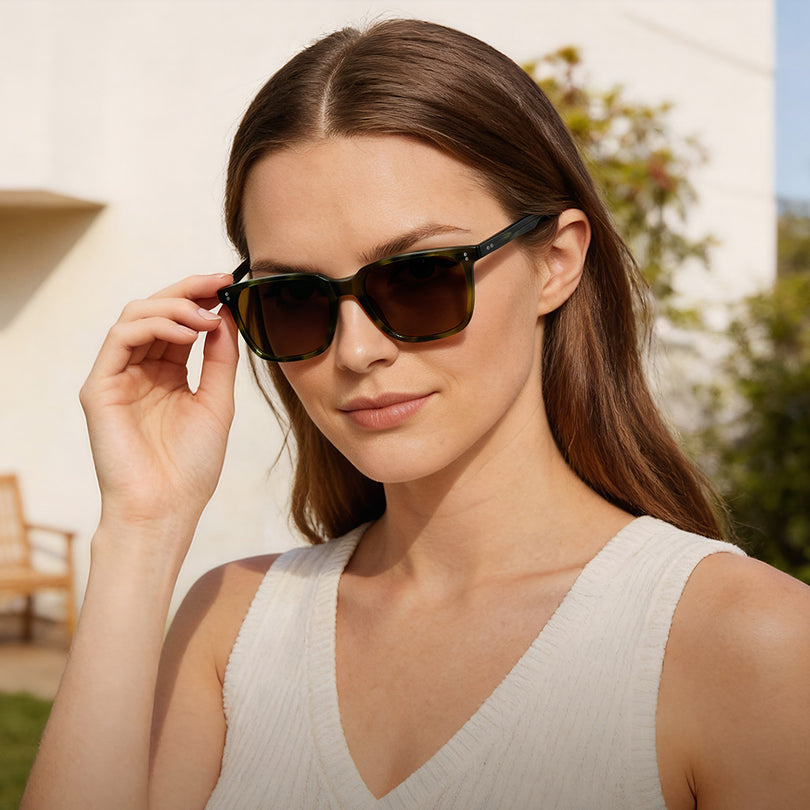
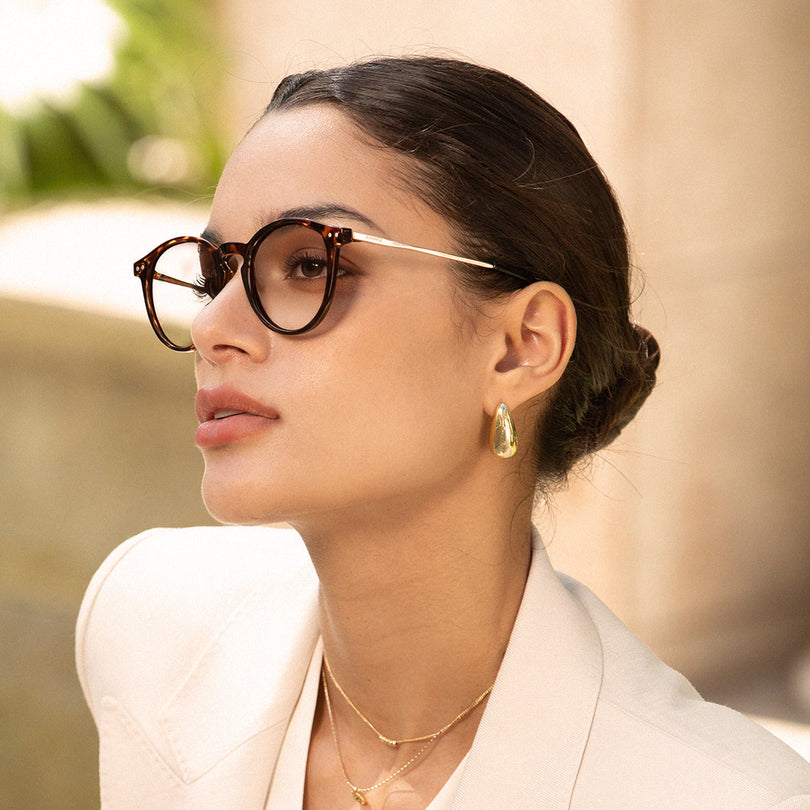


If you wear prescription glasses, you've probably faced this dilemma on a sunny day: squint through your regular glasses, fumble with clip-ons, or go without and struggle to see clearly. It's a frustration shared by the more than 164 million Americans who wear corrective eyewear — and the good news is there are now more solutions than ever.
In this guide, we'll walk through every practical option for wearing sunglasses with prescription glasses, explain the pros and cons of each, and help you find the right solution for your lifestyle — including our top picks from the Carfia polarized prescription sunglasses collection.
Why UV Protection Matters — Even More for Prescription Wearers
Before we dive into the solutions, it's worth understanding why this matters beyond just comfort. UV exposure is a serious eye health concern, and prescription glasses offer zero UV protection unless specifically coated.
The American Academy of Ophthalmology (AAO) recommends wearing sunglasses that block 99–100% of UVA and UVB radiation whenever you're outdoors, regardless of cloud cover. UV rays can penetrate clouds and reflect off surfaces like water, sand, and pavement. (Source: AAO, 2023)
Long-term UV exposure is a well-established risk factor for serious eye conditions. Research published in JAMA Ophthalmology found a significant association between cumulative UV exposure and increased risk of cortical cataracts — one of the leading causes of vision impairment worldwide. (Source: JAMA Ophthalmology, 2021)
The World Health Organization (WHO) estimates that up to 20% of cataract cases globally may be attributable to UV exposure — a largely preventable cause. (Source: WHO, 2022)
For prescription wearers, finding a reliable sunglass solution isn't just about style — it's a genuine eye health priority.
Option 1: Prescription Sunglasses (The Best Long-Term Solution)
Prescription sunglasses are exactly what they sound like: sunglasses with your corrective prescription built directly into the lenses. They offer the clearest vision, the best UV protection, and the most comfortable wearing experience — with no compromises.
Pros:
- Full prescription correction in every lens zone
- 100% UV protection with polarized lens options
- No extra weight or bulk from clip-ons or over-glasses
- Available in a wide range of frame styles
- Can include polarization, anti-reflective coating, and photochromic options
Cons:
- Higher upfront cost than non-prescription sunglasses
- Need to carry two pairs of glasses
- Prescription must be updated when your vision changes
For most prescription wearers who spend significant time outdoors, prescription sunglasses are the gold standard. Here are three Carfia options worth considering:
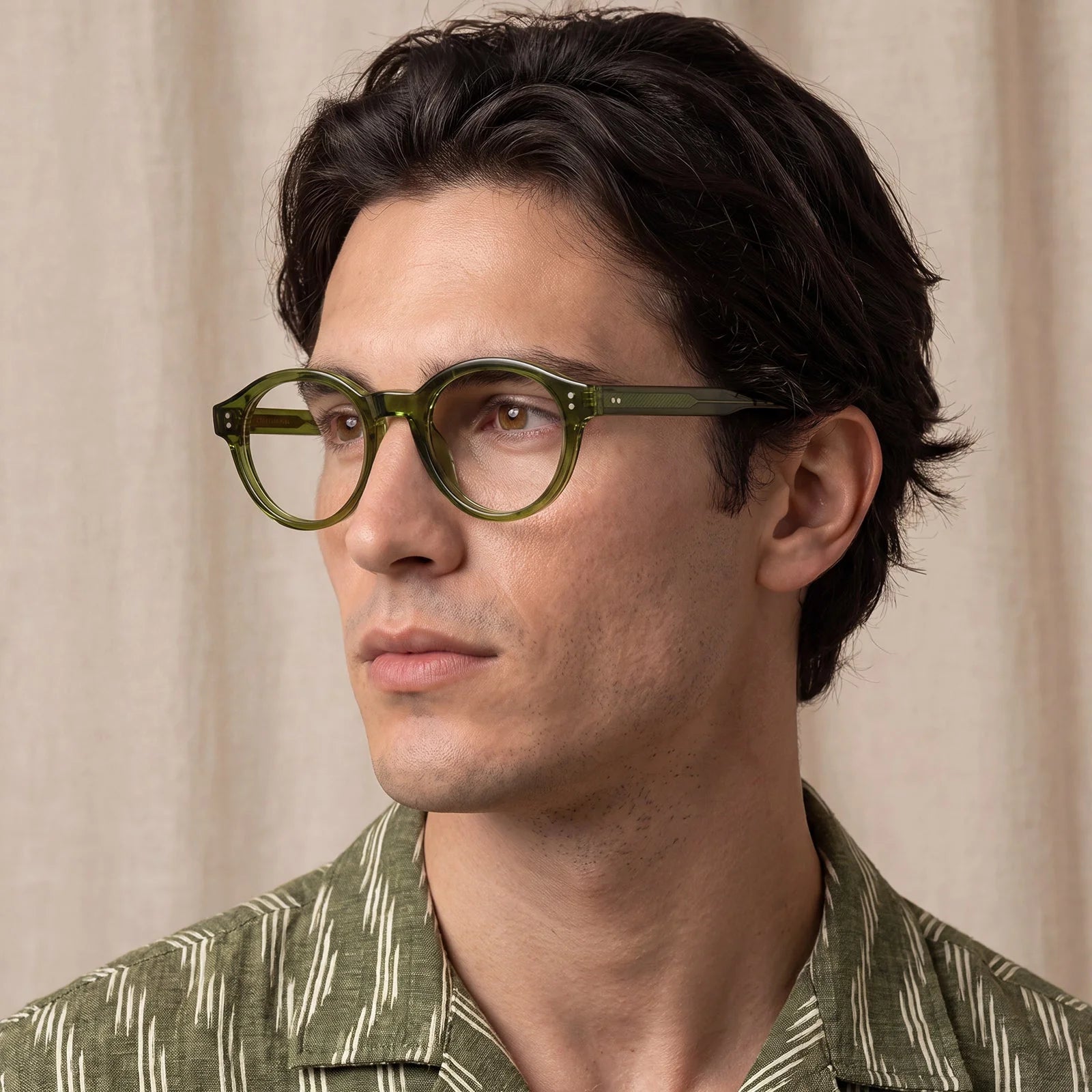
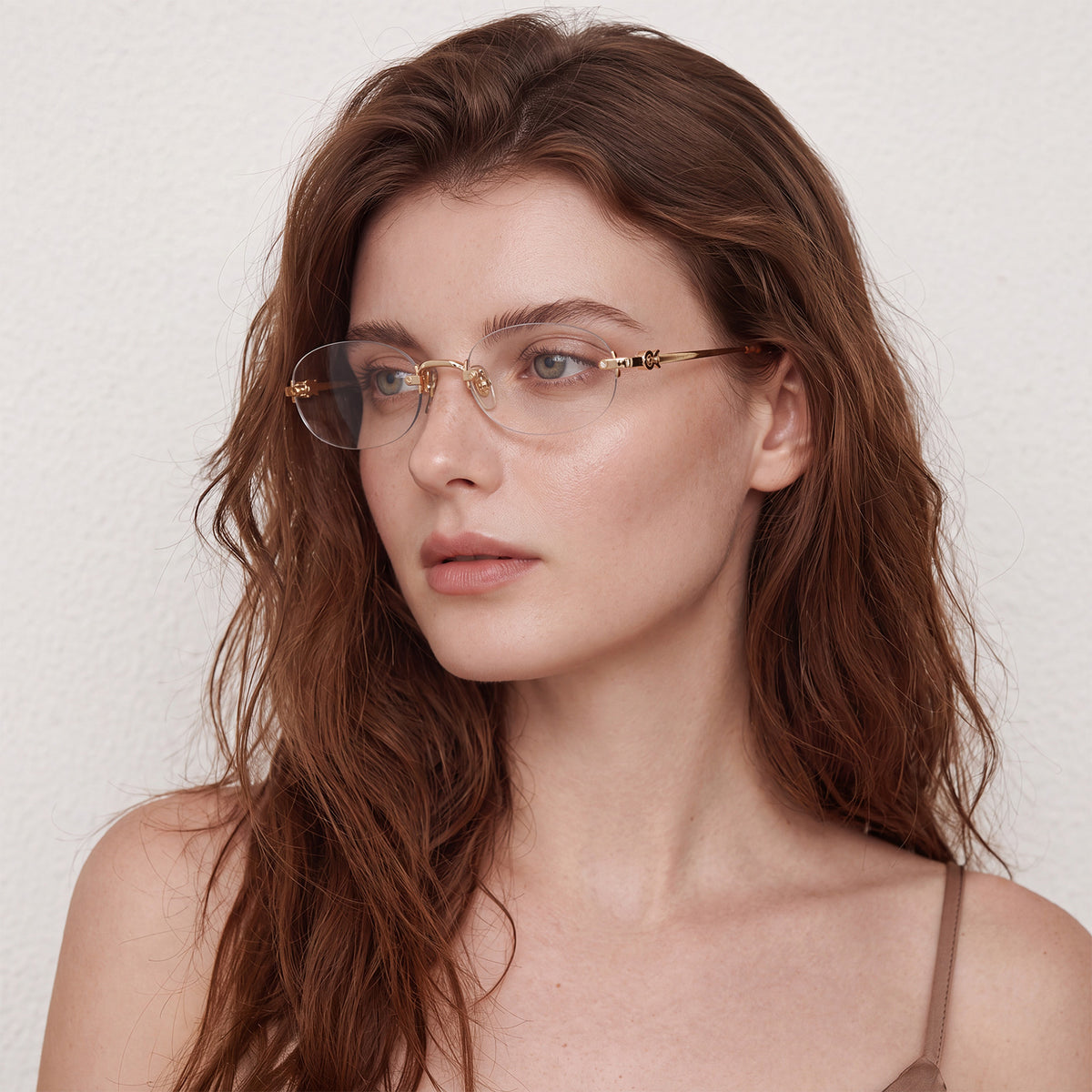
AvonPark-C01-RX — Round Polarized Prescription Sunglasses ($33)
A stylish round frame in Italian acetate with a nickel-free metal brow bar. Polarized lenses block 100% of UVA/UVB up to 400nm, with shatterproof construction and solid three-barrel metal hinges for durability. Hypoallergenic and sweat-resistant — ideal for active outdoor use. Comes with a leather case, polarization testing card, and 1-year warranty.
Best for: Women and oval/square face shapes seeking a classic, versatile prescription sunglass.
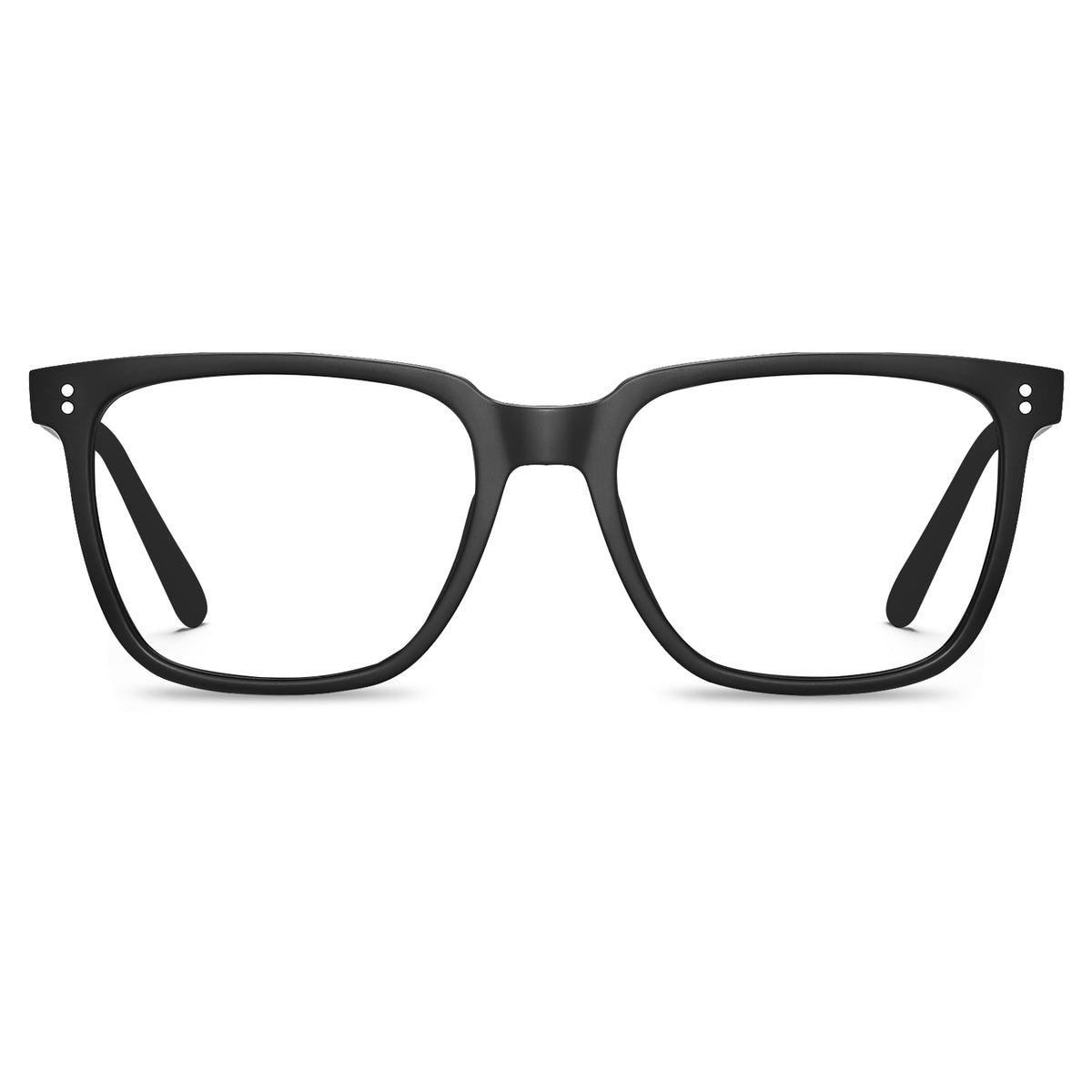
Kenosha-L02-RX — Square Polarized Prescription Sunglasses ($32)
A clean square silhouette in imported Italian acetate with HD polarized lenses and UV400 protection. Frame width 142mm with a 53mm lens width — a well-proportioned fit for medium to large faces. Includes leather case, polarization testing card, and 1-year free replacement guarantee.
Best for: Men and women who prefer a modern, structured frame for driving and outdoor activities.
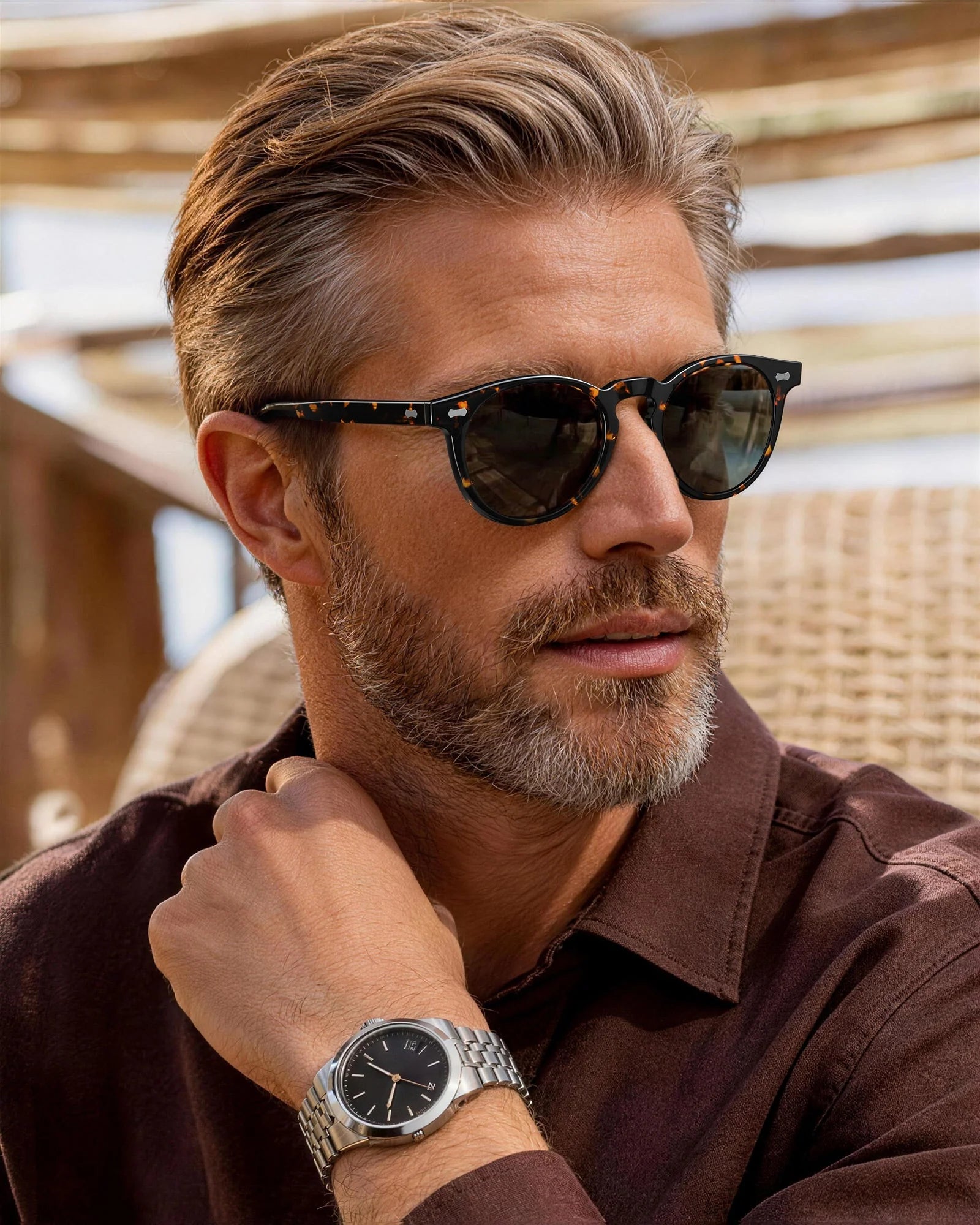
Aomst-L03-RX — Tortoise Wayfarer Polarized Prescription Sunglasses ($39)
A timeless wayfarer silhouette in tortoiseshell Italian acetate with HD polarized UV400 lenses. The 144mm frame width and 50mm lens height offer generous coverage — great for bright conditions and driving. Includes leather case, polarization testing card, and 1-year free replacement.
Best for: Anyone who wants a classic, universally flattering prescription sunglass with maximum coverage.
Option 2: Clip-On Sunglasses
Clip-on sunglasses attach directly to your existing prescription frames, converting them into sunglasses instantly. Modern clip-ons are far more refined than the bulky versions of the past — many are magnetic and nearly invisible when attached.
Pros:
- Affordable — no need to buy a second pair of frames
- Convenient for occasional outdoor use
- Magnetic versions are easy to attach and remove
Cons:
- Must be matched precisely to your frame shape and size
- Can scratch lens coatings if not fitted correctly
- Adds weight to your existing frames
- Not all frames are compatible
- Lens quality varies widely — cheap clip-ons may not offer adequate UV protection
Important: If you use clip-ons, always verify that they carry UV400 certification. The National Eye Institute (NEI) warns that dark lenses without UV protection can actually be more harmful than no sunglasses at all — the darkness causes your pupils to dilate, allowing more UV radiation to reach the retina. (Source: NEI, 2022)
Option 3: Photochromic (Transition) Lenses
Photochromic lenses — commonly known by the brand name Transitions — automatically darken in response to UV light and return to clear indoors. They can be made with your full prescription and offer a convenient all-in-one solution.
Pros:
- One pair of glasses for all lighting conditions
- No need to switch between glasses
- Available with polarization in some products
- Full prescription correction at all times
Cons:
- Don't darken inside cars (most windshields block the UV that triggers the reaction)
- Darkening and clearing takes time — not instant
- Don't get as dark as dedicated sunglasses in very bright conditions
- Higher cost than standard prescription lenses
Photochromic lenses are an excellent choice for people who move frequently between indoor and outdoor environments, but they're not ideal as a replacement for dedicated sunglasses in very bright or high-glare conditions like driving, skiing, or beach activities.
Option 4: Contact Lenses + Regular Sunglasses
For contact lens wearers, the simplest solution is to wear contacts and then choose any pair of non-prescription sunglasses you like. This opens up the full world of sunglass styles — including our polarized sunglasses collection — without any prescription constraints.
Pros:
- Maximum style freedom — any frame, any lens
- Lightweight and comfortable
- No fitting or compatibility issues
Cons:
- Not suitable for everyone (dry eyes, allergies, or discomfort with contacts)
- Contacts require daily maintenance and replacement costs
- Outdoor environments (wind, dust) can be uncomfortable with contacts
If you wear contacts outdoors, polarized sunglasses are especially valuable. The American Optometric Association (AOA) notes that polarized lenses significantly reduce glare from reflective surfaces — a particular benefit for contact wearers who may already experience increased light sensitivity outdoors. (Source: AOA, 2023)
Option 5: Fitover Sunglasses (OTG — Over The Glasses)
Fitover sunglasses are designed to be worn directly over your existing prescription glasses. They're larger than standard sunglasses and wrap around your frames, providing UV protection without requiring any prescription.
Pros:
- Works with any prescription glasses
- No fitting required
- Often provides wraparound coverage for peripheral UV protection
- Affordable
Cons:
- Bulkier and heavier than standard sunglasses
- Less stylish than dedicated prescription sunglasses
- Can feel uncomfortable in warm weather
- Not ideal for sports or active use
Fitover sunglasses are a practical short-term solution, particularly for occasional outdoor activities or for people who are between prescriptions.
How to Choose the Right Solution for You
The best option depends on your lifestyle, how often you're outdoors, and your budget. Here's a quick decision guide:
| Your Situation | Best Solution |
|---|---|
| Outdoors frequently (driving, sports, travel) | Prescription sunglasses |
| Occasional outdoor use, budget-conscious | Clip-ons or fitovers |
| Move between indoor/outdoor constantly | Photochromic lenses |
| Comfortable with contact lenses | Contacts + any sunglasses |
| Need maximum style flexibility | Prescription sunglasses or contacts |
What to Look for in Prescription Sunglasses
If you decide prescription sunglasses are right for you — and for most active prescription wearers, they are — here's what to prioritize:
Polarized lenses: Polarization eliminates horizontal glare from water, roads, and reflective surfaces. It's especially important for driving and water activities. All Carfia RX sunglasses feature HD polarized lenses.
UV400 protection: Ensure the lenses block 100% of UVA and UVB rays up to 400nm. This is the minimum standard recommended by the AAO.
Frame fit: Prescription lenses need to be centered precisely over your pupils. Choose frames that fit your face shape well and sit stably on your nose. Explore our full polarized prescription sunglasses collection for options across multiple frame shapes.
Lens material: High-index lenses are thinner and lighter for stronger prescriptions. Polycarbonate lenses are impact-resistant — ideal for sports. Discuss options with your optician.
Anti-reflective (AR) coating: An AR coating on the back surface of sunglass lenses prevents reflections from entering your eyes from behind — important for driving.
Frequently Asked Questions
Can I get any prescription in sunglasses?
Most prescriptions can be accommodated in sunglass lenses, including single vision, bifocal, and progressive prescriptions. Very high prescriptions may have some frame limitations — your optician can advise.
Do prescription sunglasses cost more than regular sunglasses?
The frames themselves are comparably priced. The additional cost comes from the prescription lenses. At Carfia, our RX sunglass frames start from $32–$39, making them an accessible starting point.
How often should I update my prescription sunglasses?
Whenever your prescription changes significantly. The AAO recommends a comprehensive eye exam every 1–2 years for adults, or more frequently if your prescription changes rapidly.
Are polarized lenses worth it for prescription sunglasses?
Yes — especially for driving, water activities, and snow sports. Polarized lenses dramatically reduce glare and improve visual comfort and safety in high-glare environments.
Can I wear blue light glasses over my prescription glasses?
Yes, but it's not ideal. A better solution is to add a blue light filter coating to your prescription lenses. Explore our blue light blocking glasses or prescription blue light glasses for integrated options.
Final Thoughts
Wearing sunglasses with prescription glasses doesn't have to be complicated. For most people who spend meaningful time outdoors, prescription sunglasses offer the clearest vision, best UV protection, and most comfortable experience — and they're more affordable than ever.
Browse the full Carfia polarized prescription sunglasses collection to find your perfect pair, or explore our polarized sunglasses if you wear contact lenses.
Medical Disclaimer: This article is for informational purposes only and does not constitute medical advice. Consult a qualified eye care professional for personalized recommendations regarding prescription eyewear.
References:
1. American Academy of Ophthalmology. (2023). "Sunglasses: Frequently Asked Questions." aao.org
2. National Eye Institute. (2022). "Keep Your Eyes Healthy." nei.nih.gov
3. World Health Organization. (2022). "Ultraviolet radiation and health." who.int
4. American Optometric Association. (2023). "Polarized Lenses." aoa.org
5. Robman, L. et al. (2021). "Cumulative UV exposure and cataract risk." JAMA Ophthalmology.