







Two pairs of sunglasses. Same dark grey lens, same shape, similar money. Wear one for an hour on a motorway and your eyes feel rested afterwards. Wear the other and you are squinting at the bonnet of the car in front. The difference is almost never the tint. It is whether the lens is polarized, and what that filter does to light arriving from one specific direction.
This is a comparison of two mechanisms, not two price points. Once you can tell which mechanism you are buying, the choice on a driveway or in a shop takes about a minute.
What ordinary sunglasses actually do
A standard tinted lens works like a dimmer switch. It reduces the total amount of visible light reaching the eye, so a bright scene becomes comfortable and the pupil stays relaxed instead of contracting all day. That is a genuine benefit, and on a long drive it is worth having.
It is also the whole benefit. Tint does not change the direction light is travelling. Glare coming off a wet road, a pale bonnet, or a sheet of standing water still arrives at your eye at the same angle and at the same intensity relative to everything around it. You have turned the entire scene down, glare included. The gap between bright enough to see and bright enough to hurt stays exactly where it was.
This is why two lenses can look identical on a shelf and behave completely differently at 70 mph. Darkness is a quantity. Polarization is a filter.
What polarization removes
Light bouncing off a flat, non-metallic surface — asphalt, water, snow, painted bodywork — comes back largely polarized in the horizontal plane. A polarized lens carries a vertical filter, so that slice of light is absorbed on the way in. Light bouncing off everything else passes through almost untouched.
The practical result is that a good polarized lens does not read as darker than an ordinary one. It reads as cleaner. The scene keeps its brightness at the top end while the sheet of reflection sitting on top of it disappears. Road markings that were washed out by sky reflection come back. The far edge of a wet lane stops blending into the verge.
That is also why the two properties have to be checked separately. A lens can be very dark and contain no polarizing filter at all; a lens can be lightly tinted and fully polarized. Only one of those two facts can be printed on a sticker without being tested.
Four places it shows up on a real drive
- Your own dashboard. A pale dashboard throws a reflection onto the inside of the windscreen that sits directly in your line of sight. It is invisible in a photo and constant in real traffic. A polarized lens cuts most of it away; a tinted lens just makes it a slightly darker reflection.
- Wet road after rain. The first ten minutes after a shower are the worst: the surface is dark, the sky is bright, and the reflection between them is near-total. This is the single condition where the difference between the two lens types is most obvious to a first-time wearer.
- Low sun on a dusty windscreen. Dust and pollen on the glass scatter light in every direction, including into the cabin. Polarization cannot fix a dirty screen, but it stops the scattered light from being amplified by a second reflection.
- Long coastal and lakeside roads. Water on one side, low sun on the other. The glare arrives at a shallow angle and stays there for kilometres, which is exactly the geometry the filter is built for.
Where polarization stops helping
Being straight about the limits is the difference between a lens that gets worn and one that gets left in the glovebox.
- Screens at an angle. A phone, a dash display, or a head-up unit can go dark or take on a rainbow patch when you tilt your head. That is the filter working, not a fault. Turn the frame a few degrees and the screen returns.
- Chrome and polished metal. Metal reflects without polarizing the light, so a bright chrome bumper still glares. Polarization is most effective on paint, asphalt, glass and water.
- Night driving. A polarized lens is a day lens. It removes light you actually need after dark, and road markings under headlights are already low-contrast. Keep a clear pair for night.
- Very dark tints stacked on top. A Category 3 day lens is the sensible default. Going darker hides detail under bridges, in car parks and inside tunnels, and no filter compensates for that.
How to confirm a pair is genuinely polarized
- Hold one lens in front of a phone or laptop screen and rotate it 90 degrees. A polarized lens turns the screen black at one angle and clear at the other. A merely tinted lens dims it evenly and never goes black.
- Cross it over a pair you already trust, lens against lens, and rotate. Two polarized lenses at 90 degrees to each other go almost opaque.
- Read the specification, not the swing tag. UV400 and polarized are two separate statements, and a listing that only says one of them has only promised you one of them.
- Use a test card if the frame includes one. The Peoria ships with a polarization testing card for exactly this reason — hold it behind the lens and the hidden image appears or vanishes.
If you want the longer version of this test, including how to check a pair you are about to buy second-hand, our guide on telling polarized from tinted lenses walks through it step by step.
Two longer reads sit behind this one if you want the car-specific detail: driving in clarity takes the windscreen and dashboard angle further, and the 2026 polarized driving guide covers the prescription side of the same question.
Five Carfia frames built for long drives
These are the five best-selling Carfia sunglasses across 2025–2026 with a driving tag and a full-rim construction. Frame widths run from 140 mm to 142 mm, which covers a medium-to-wide adult face; measured sizes are listed under each card so you can compare against a pair you already own.

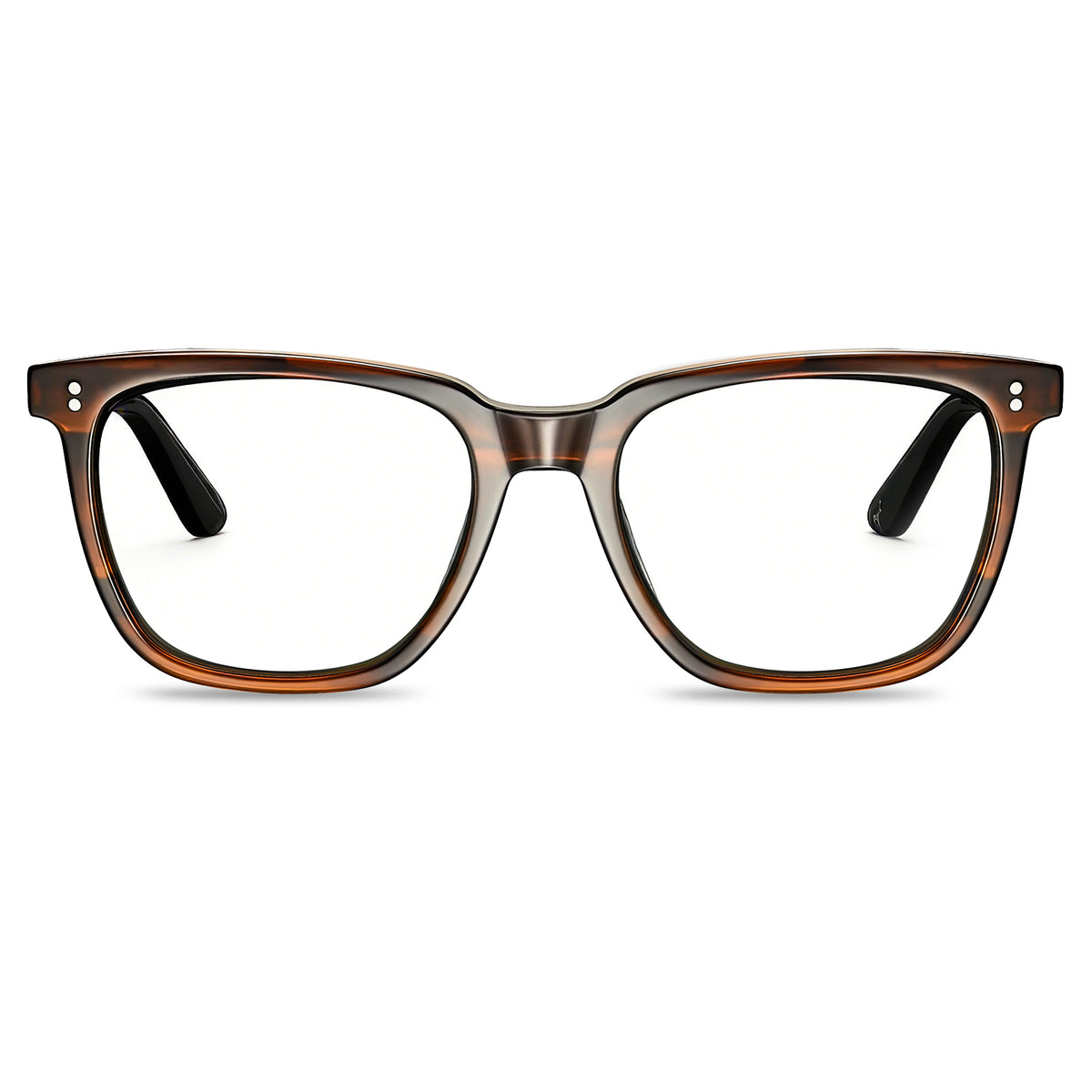
Carfia's best-selling frame overall, and the one most often bought as a first polarized pair. A 142 mm acetate front with a 53 mm lens gives generous coverage without the frame reading oversized, and the brown-striped colourway keeps the green lens from looking severe. If you drive a lot in mixed light — sun, then tree cover, then sun again — this is the frame the sales data keeps pointing at.
Polarized · Frame width 142 mm · Lens 53 mm · Bridge 19 mm

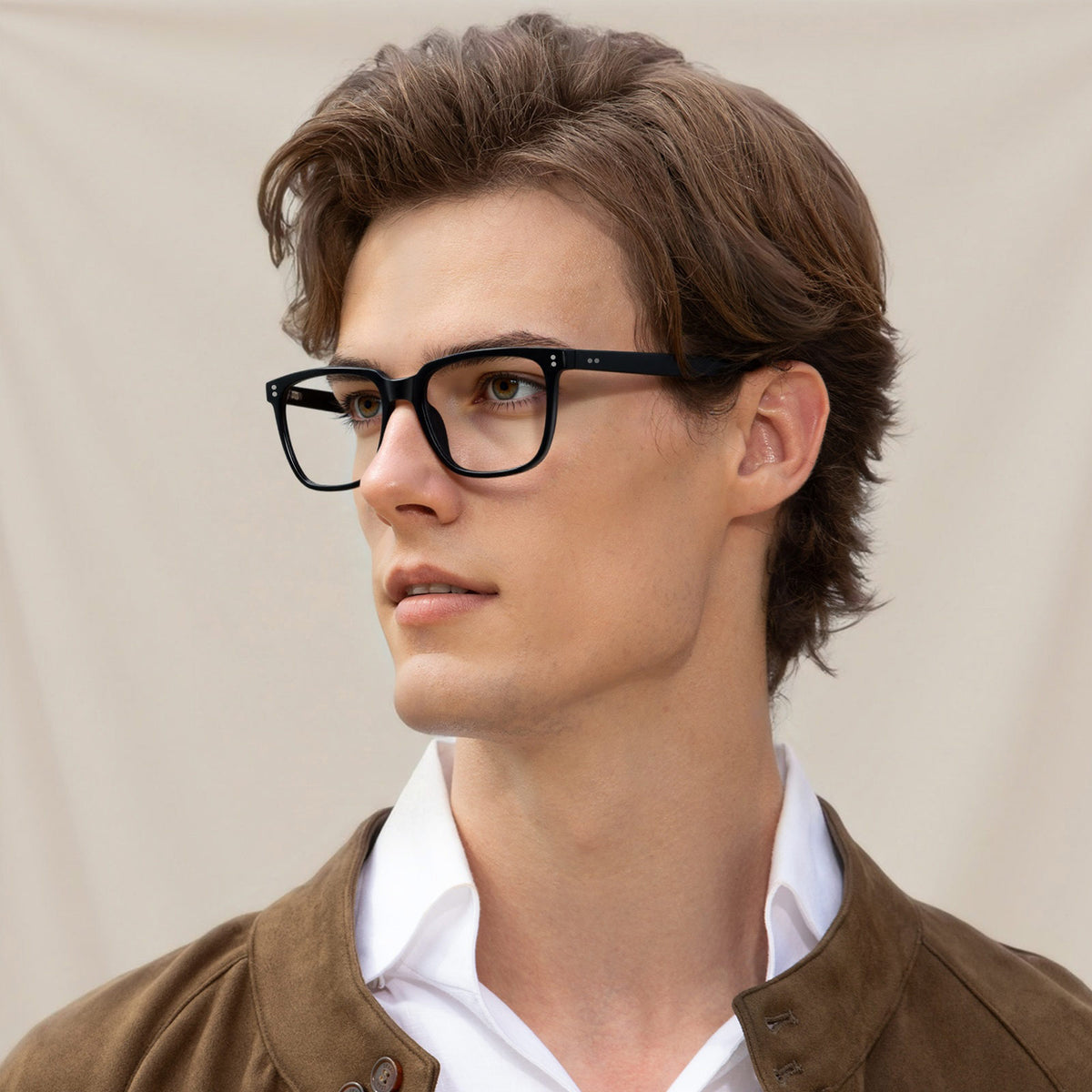
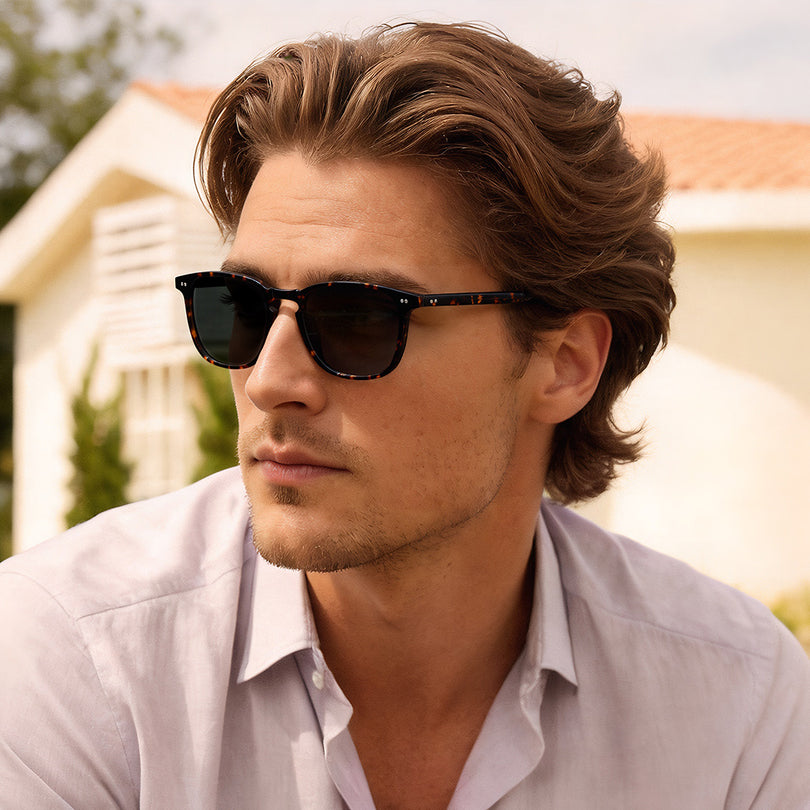
A square acetate front with a defined keyhole bridge, which is what stops a wide frame from sliding forward when you look down at the console. Grey lens, 50 mm, 140 mm across. Grey is the neutral choice: it lowers brightness without shifting any colour, so traffic lights and brake lights read exactly as they should.
Polarized · Frame width 140 mm · Lens 50 mm · Bridge 19 mm

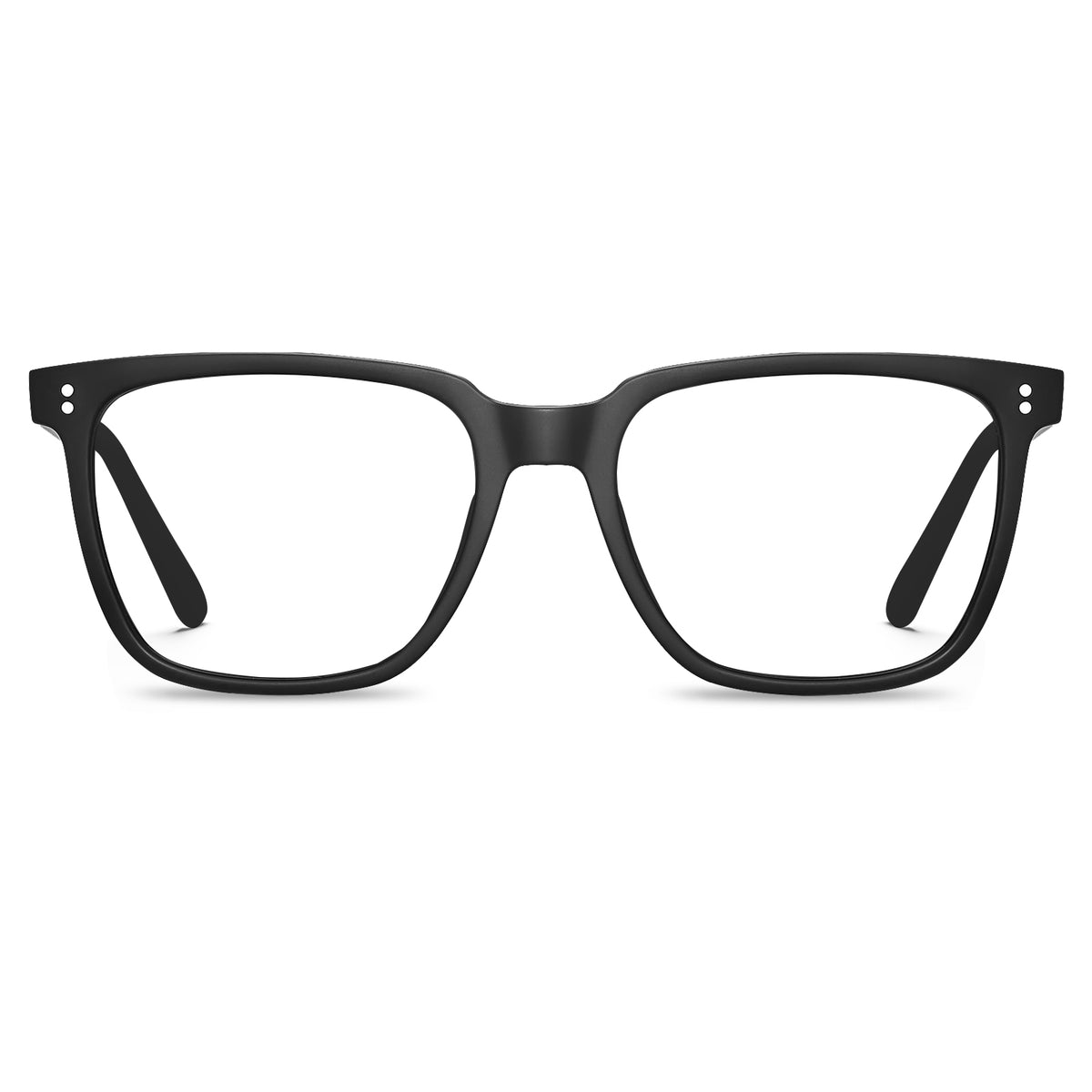
The frame with the widest lens of the five at 50 mm and a 22 mm bridge, which suits a slightly broader nose bridge than Downey or Kenosha. Full-rim acetate, grey lens, 142 mm front. A quiet, unshowy shape that works with a suit as easily as with a jacket.
Polarized · Frame width 142 mm · Lens 50 mm · Bridge 22 mm

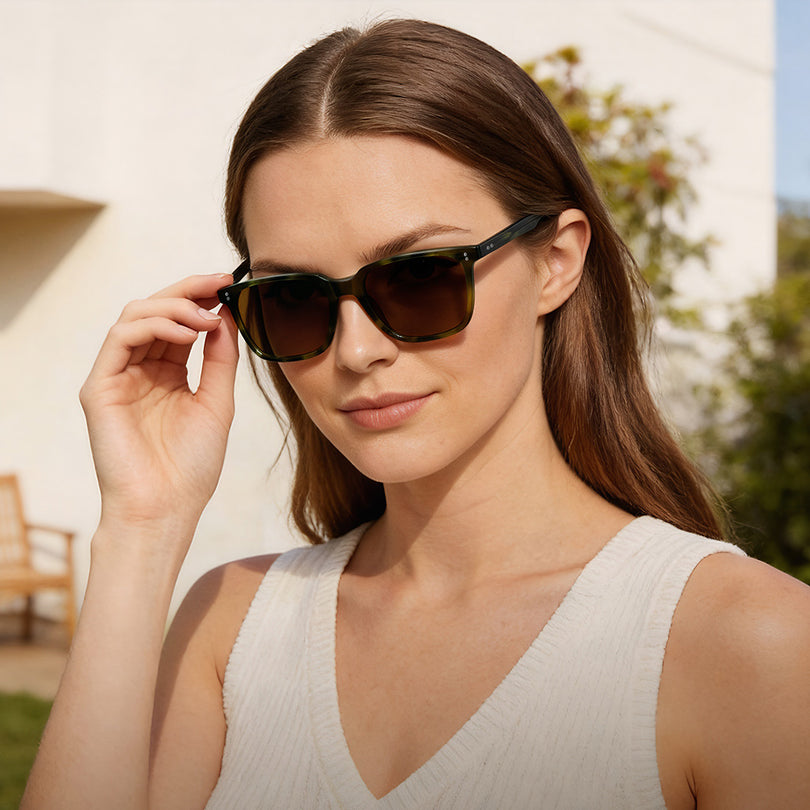
Green lens in a 52 mm width, on a 142 mm front. Green is the traditional choice for long hours behind glass because it holds colour balance better than grey when the light keeps changing — motorway, then town, then underground car park. It is also the lens a lot of drivers describe as 'restful' without being able to say why.
Polarized · Frame width 142 mm · Lens 52 mm · Bridge 18 mm

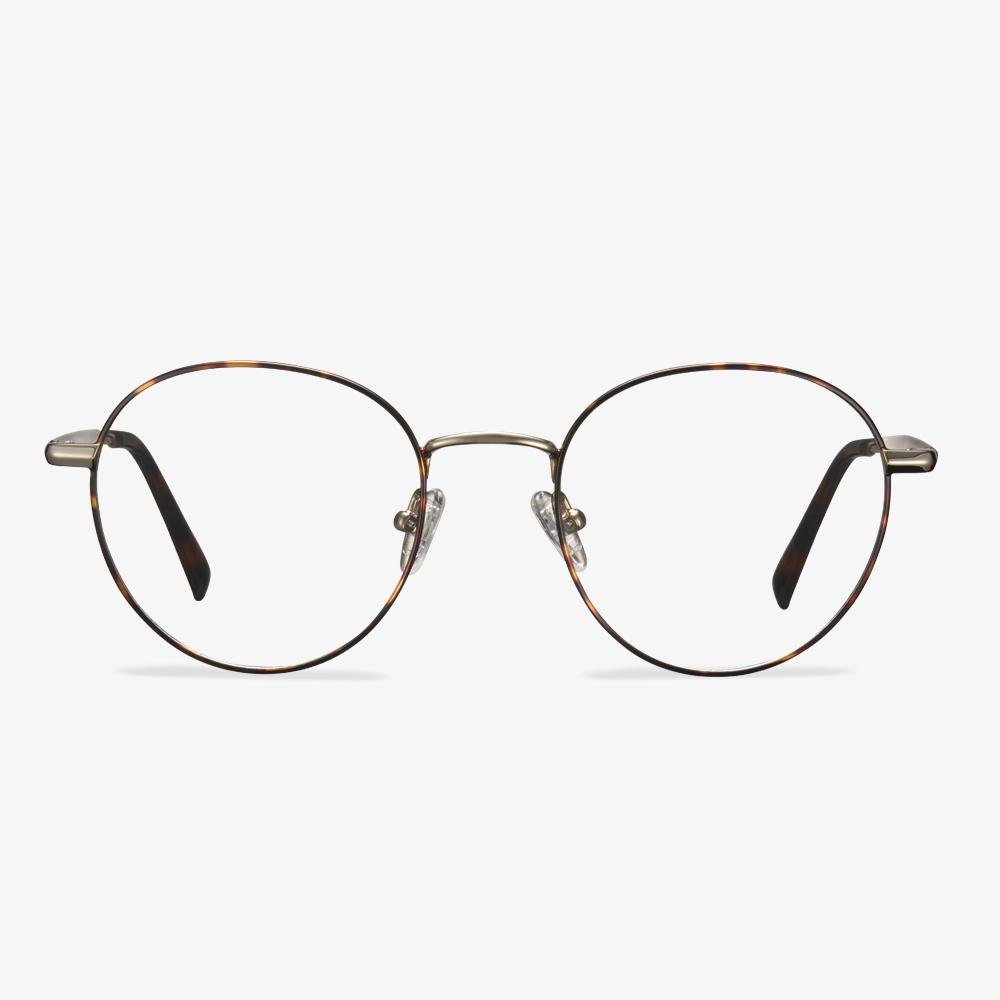
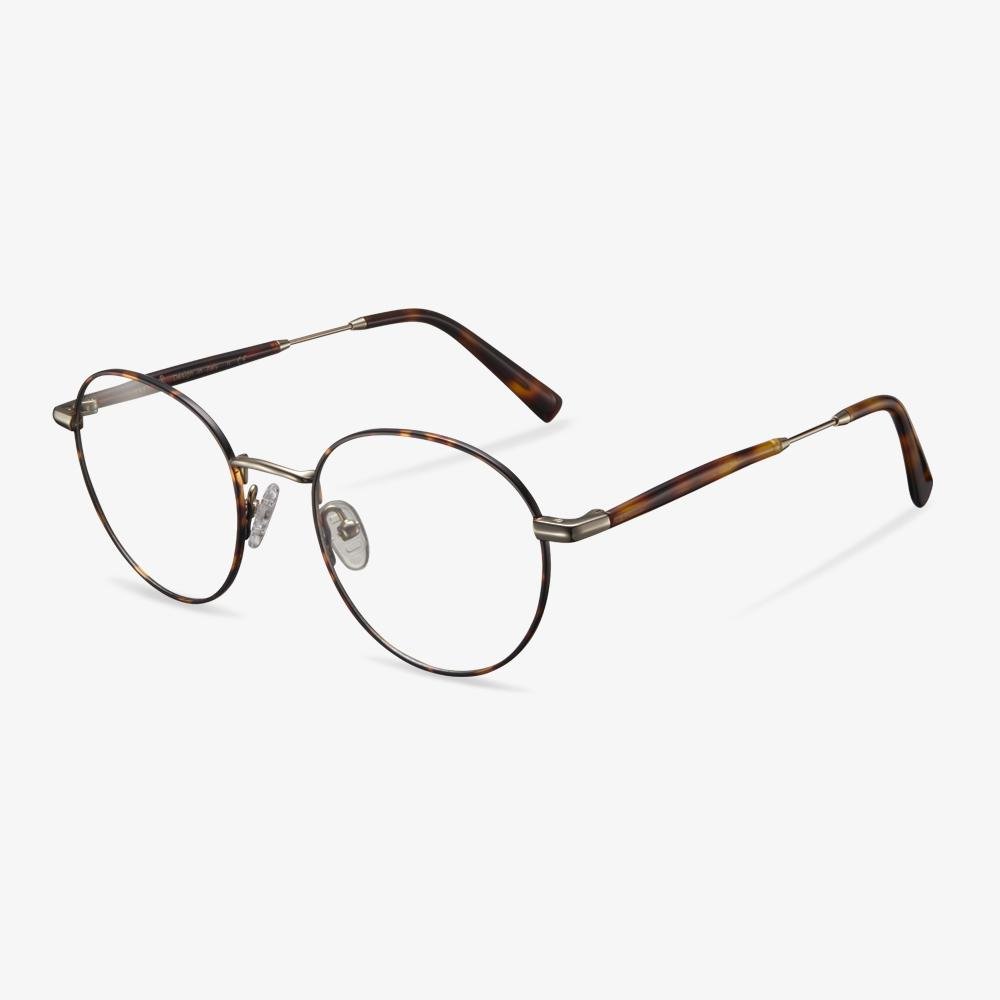
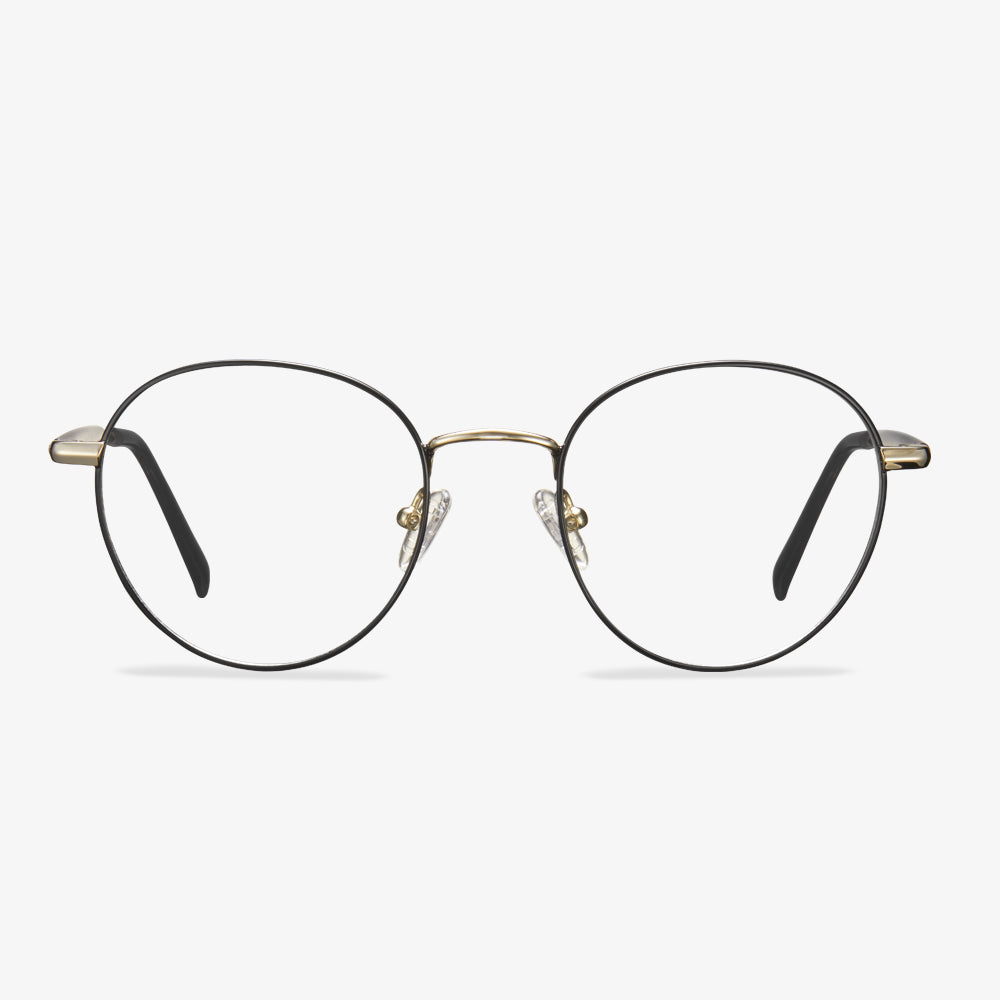
The only metal frame here, and the widest lens at 58 mm on a 140 mm front. Metal construction means a slimmer rim, so the same coverage weighs less on the bridge. The lens is built without a laminated film, which removes one of the failure modes that eventually affects film-based polarized lenses. If you have had a polarized lens delaminate at the edge after two summers, this is the design difference worth paying attention to.
Polarized · Frame width 140 mm · Lens 58 mm · Bridge 16 mm
Match the frame to the drive, not to the trend
Frame width is the number that decides whether a pair gets worn daily or ends up in the door pocket. Three measurements do most of the work: lens width, bridge width, and total frame width. If a pair you already like measures 140 mm across and fits, stay within a couple of millimetres of it — everything else is taste. Our guide to measuring frame size shows where to put the tape.
| Model | Lens | Bridge | Frame width | Lens colour |
|---|---|---|---|---|
| Kenosha-L02 | 53 mm | 19 mm | 142 mm | Green |
| Downey-L04 | 50 mm | 19 mm | 140 mm | Grey |
| Concord-L04 | 50 mm | 22 mm | 142 mm | Grey |
| Albany-C02 | 52 mm | 18 mm | 142 mm | Green |
| Daley-C06 | 58 mm | 16 mm | 140 mm | Grey |
The five frames above sit in a narrow band on purpose. A 147 mm front is not 'better' than a 140 mm one; it is a different head. On a long drive, a frame that is 5 mm too wide will slide down every time you check a mirror, and no lens quality survives that.
Lens colour changes more than the tint level
- Grey — neutral. No colour shift, predictable contrast, the safest default for traffic.
- Green — holds colour balance across changing light and is easier on the eye over several hours.
- Amber — lifts contrast in flat, hazy or overcast conditions, at the cost of some colour accuracy.
All three are available across the range. If you mostly drive in strong, stable sunlight, grey or green. If you drive in fog, drizzle or the flat light of early winter, amber does more for you than a darker lens will. More on the lens options themselves sits on the polarized lens page.
How a polarized lens actually fails
A polarized lens is a laminate: the filter sits in or on the lens material. That makes two things matter more than they do on a plain tinted lens.
- Deep scratches that reach the filter layer cannot be polished out, and the lens will show a bright line at that point in low sun.
- Heat is the quiet killer. A car interior in summer reaches temperatures that warp acetate and stress the laminate. A glovebox is a worse home for sunglasses than a case in the shade.
- Salt and sunscreen attack both the coating and the frame finish. Rinse in fresh water, dry with the cloth that came with the frame, and stop using a shirt tail.
Frequently asked
Are polarized sunglasses always better than ordinary ones?
For daylight driving, on water, and on snow, almost always yes, because the problem is reflection rather than brightness. For night driving, for reading an LCD instrument panel at an awkward angle, and for anyone who needs the absolute maximum of light, no. The honest answer is that they are a better tool for a specific job, not a universal upgrade.
Do polarized lenses block UV?
Not by virtue of being polarized. UV blocking comes from the lens material and its treatment, which is why every Carfia sunglass lens is specified to UV400 — blocking UVA and UVB up to 400 nm — independently of the polarizing filter. A lens can be polarized and still fail on UV if nobody specified it.
Why did my phone screen go black through the lens?
Phone and dashboard displays emit polarized light. When the display's plane of polarization is at right angles to the lens filter, the screen goes dark. Rotate the frame and it comes back. It is a demonstration of the filter working, and it is also the reason some pilots avoid polarized lenses in cockpits with LCD avionics.
Can I drive at night with them?
No. A polarized day lens removes light you need after dark, and it does nothing useful about oncoming headlights. Keep a clear or lightly tinted pair for night driving and leave the polarized pair for daylight.
Does a more expensive lens polarize better?
Polarization itself is close to binary: the filter either blocks the horizontal plane or it does not. What extra money buys is optical clarity, coating durability, tint consistency and frame construction — not 'more' polarization. That is why the phone-screen test is worth doing before you look at the receipt.
The short version
Ordinary sunglasses lower the brightness of everything, including the glare. Polarized sunglasses remove one plane of reflected light and leave the rest alone, which is why the road looks cleaner rather than merely darker. Check the lens with a screen before you trust the label, match the frame width to your face, and keep a clear pair for after dark.
Every frame in this piece is a current Carfia model with a polarized lens, and the sizes quoted are measured rather than estimated. You can see the wider range in polarized sunglasses, or narrow it down by shape and gender in driving sunglasses and sunglasses for men. If you already know your prescription needs, the prescription polarized guide is the next stop.