










Your phone seems easier to read at arm’s length. A restaurant menu needs better light. At your desk, you switch between distance glasses and readers, then wonder where you left the other pair. If this feels familiar after 40, progressive glasses may be worth discussing with your eye care professional.
Presbyopia is an age-related change in near focusing. Progressive lenses combine distance, intermediate, and near correction in one lens, without visible dividing lines. This guide explains how that design works, what adjustment can involve, and what to prepare before ordering online. The goal is an informed choice, not a promise of instant comfort.
What Are Progressive Lenses?
Progressive lenses are multifocal prescription lenses with a gradual change in power from top to bottom. They are designed to support distance, intermediate, and near vision within one pair of glasses.
You may hear them called “no-line bifocals,” although that nickname leaves out an important distinction: progressives include intermediate correction rather than just two separate viewing zones.
For people with presbyopia, that intermediate area matters. A computer monitor sits farther away than a book but closer than a street sign. Different activities call for different focusing distances.
The design can reduce the need to swap glasses, but every part of the lens does not serve every task equally. Understanding where to look is part of learning to wear progressive glasses. Your prescription, measurements, and frame fit all deserve attention.
How Do Multifocal Lenses Work?
Think of a progressive lens as a route through three viewing areas. The upper portion provides distance correction, the middle supports intermediate distances, and the lower portion supports near tasks.
Distance viewing includes looking across a room or toward the road ahead. Intermediate viewing includes a computer screen or dashboard. Near viewing includes reading a book or checking a phone.
A gradually changing channel, often called the progression corridor, connects these areas. Unlike bifocals, there is no visible dividing line. Carfia’s progressive lens guide explains this top-to-bottom arrangement.
The sides of a progressive lens can feel different from its central viewing areas. Turning your head toward an object, rather than moving only your eyes far sideways, can help you find the intended zone.
Start with seated tasks in a familiar setting. Do not drive in new glasses until your vision feels clear and comfortable and you can use them safely.
Progressive vs. Bifocal vs. Single Vision
Progressive glasses, bifocals, and single-vision glasses serve different needs. Use this comparison as a starting point for a conversation, not a substitute for individual fitting advice.
| Feature | Single vision | Bifocal | Progressive |
|---|---|---|---|
| Vision zones | One prescribed range | Distance and near | Distance, intermediate, and near |
| Visible lines | No dividing line | Typically a visible segment line | No dividing lines |
| Appearance | Continuous lens surface | Distinct reading segment | Continuous lens appearance |
| Adaptation | New prescriptions may require adjustment | Learn the segment transition | Learn the viewing areas and corridor |
| Often considered for | One main viewing requirement | Separate distance and reading needs | Multiple everyday viewing distances |
For a separate overview of design categories, read about the types of progressive lenses. More viewing areas do not automatically make a lens right for every wearer.
Why Choose Carfia Progressive Glasses?
Carfia describes its progressive lenses as combining three viewing areas with gradual transitions and no visible dividing lines. Start with your daily routine, then consider frame style and fit together.
You can add progressive lenses to Carfia frames from $35.95. This is a starting lens price, not a complete-pair quote. Your frame and options determine the total. Carfia also offers free shipping on orders of $69 or more; review current offer terms before payment.
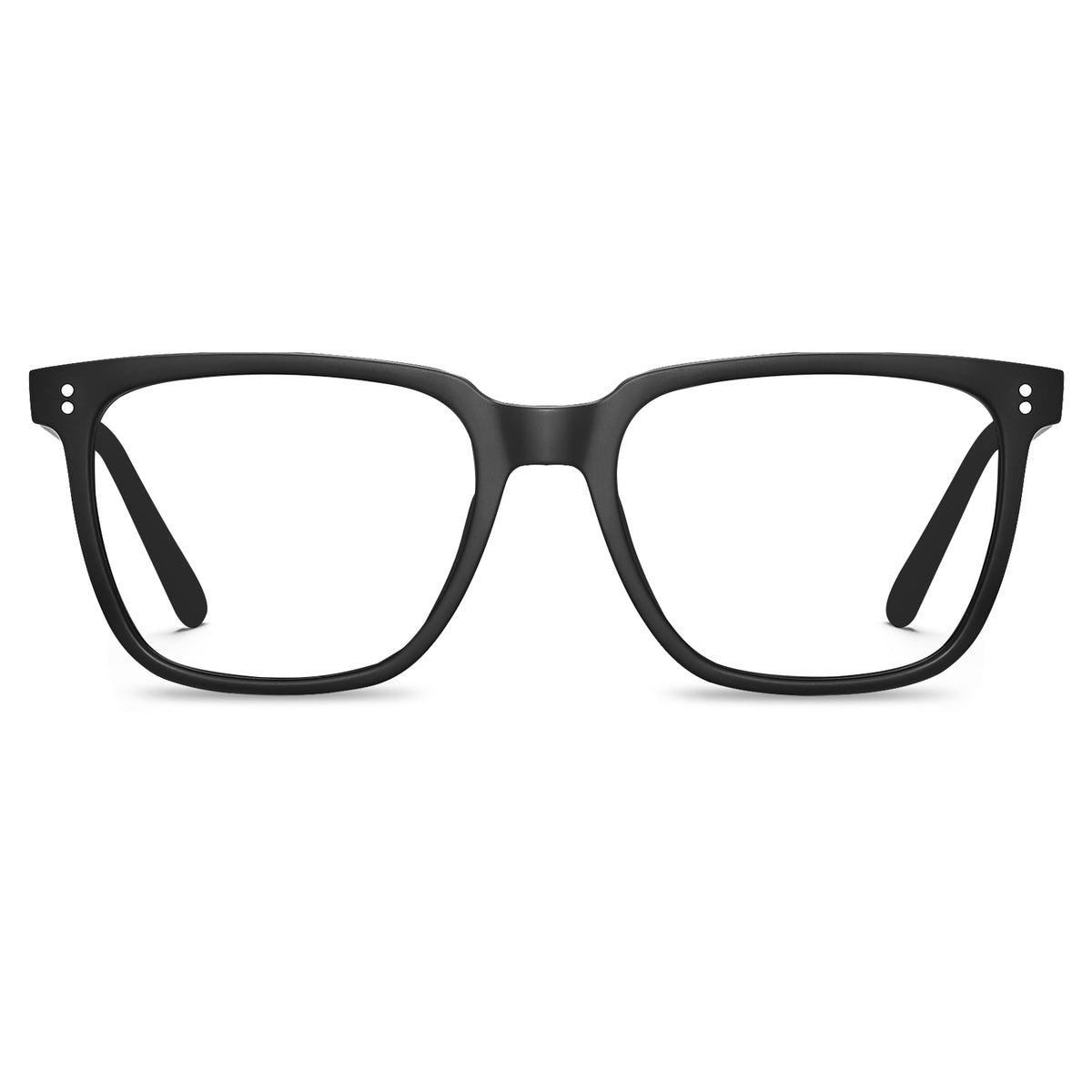
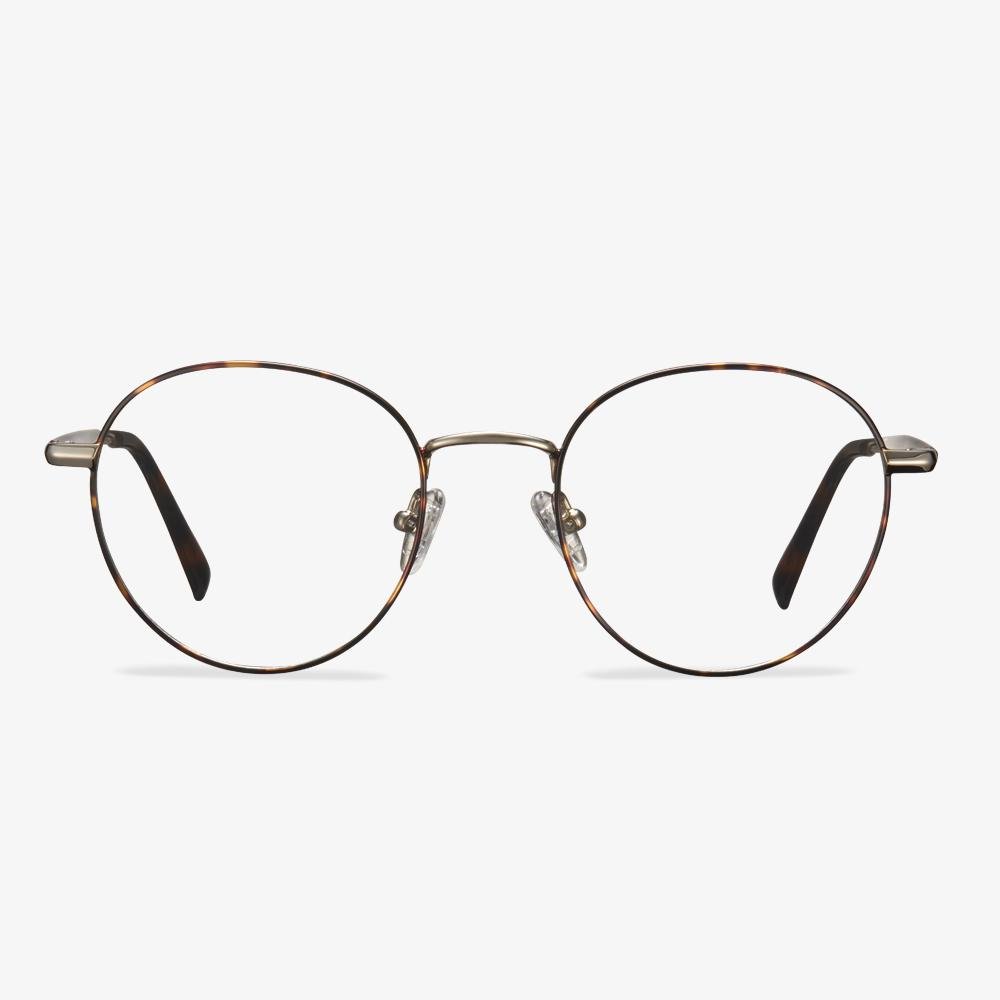
Explore the Carfia progressive eyeglasses collection to compare styles. These three frames offer different visual starting points, and their product descriptions list progressive-lens compatibility. Individual prescription and fitting requirements still matter.
Dublin-FC10: Understated Clear Acetate

Prefer a less visually prominent frame? Dublin-FC10 clear eyeglasses feature a transparent, full-rim acetate design. Compare the frame measurements with a pair that fits you comfortably, then confirm your progressive prescription requirements.
Monterey-FC01: A Round Metal Silhouette

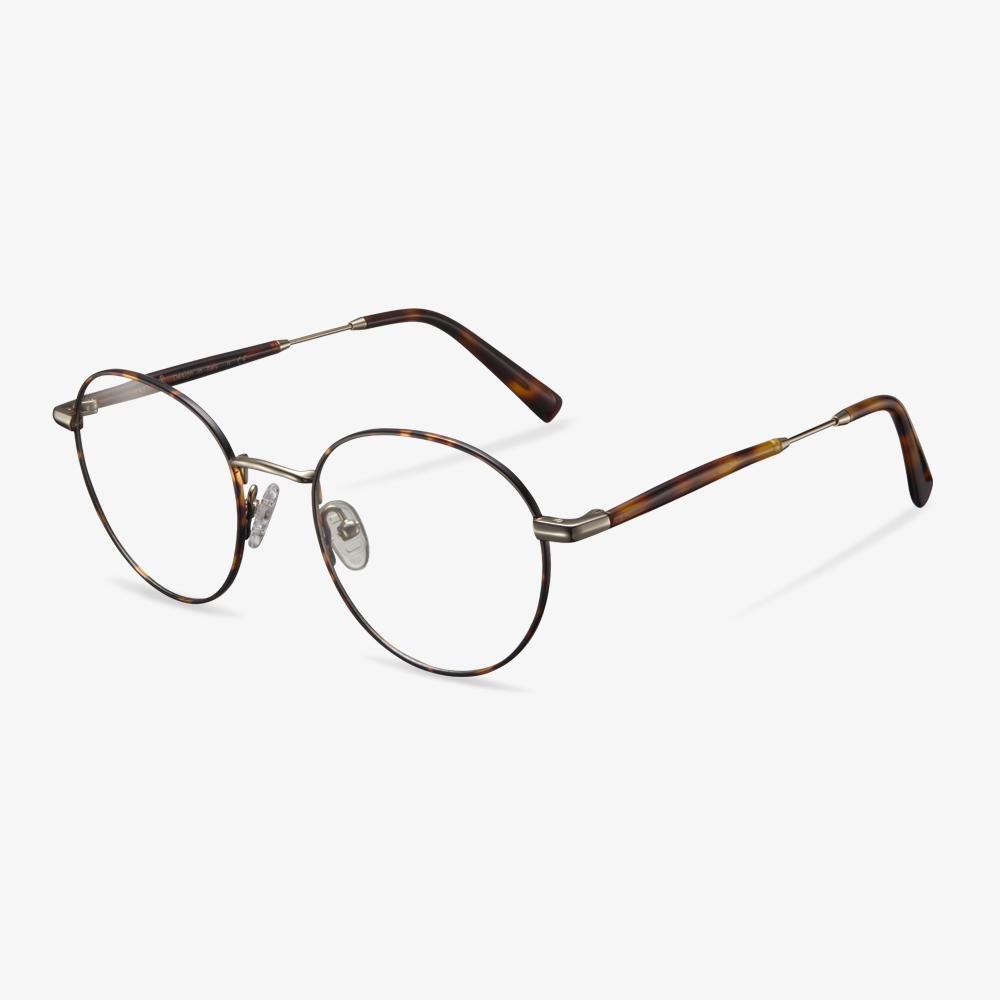
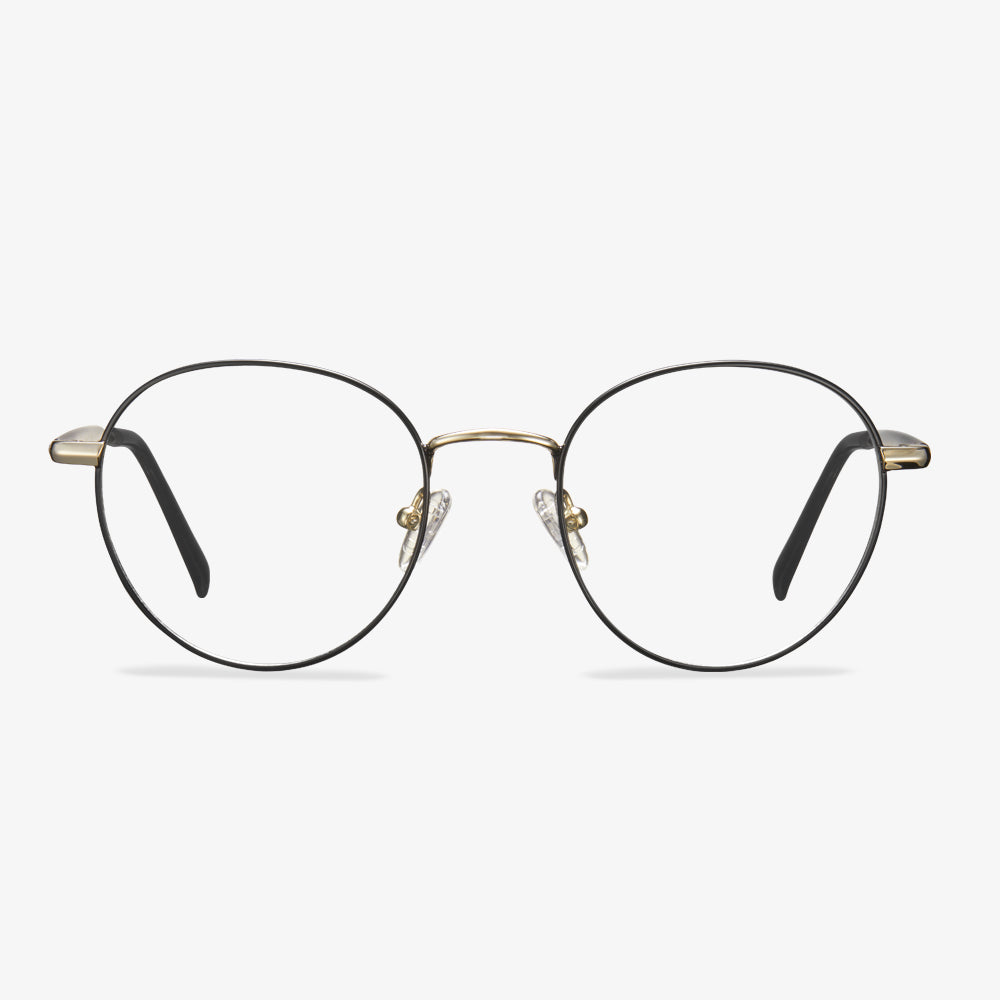
Monterey-FC01 round eyeglasses combine a black metal frame with acetate temples. The fine round outline offers a different look from thicker acetate styles. Ask about bridge fit and lens positioning rather than choosing by appearance alone.
Ovalen-FC4: A Red Oval Frame

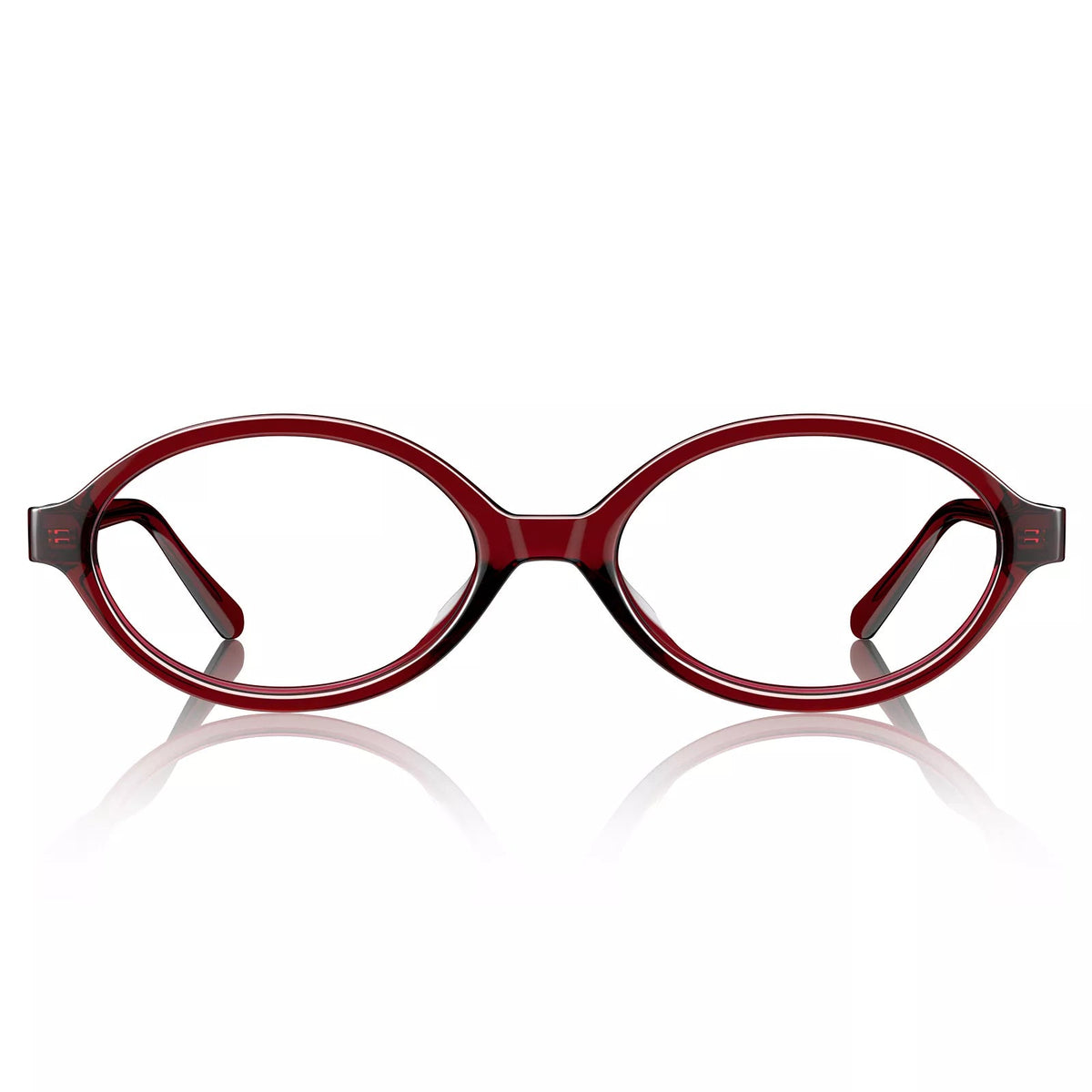
For a more expressive color, consider Ovalen-FC4 oval eyeglasses. The red acetate, full-rim design brings a softer outline to your everyday style. Confirm the fit and required measurements before completing your lens selection.
Adapting to Progressive Lenses: What to Expect
Progressive glasses introduce a different way of looking through a lens. Adjustment varies, so avoid setting yourself a deadline or assuming another person’s experience predicts yours.
Some unfamiliarity can come from finding the correct viewing area. Persistent blur, discomfort, or difficulty walking should prompt a fit and prescription review, not a determination to push through.
- Begin with familiar, seated activities so you can explore each viewing area without rushing.
- Point your nose toward what you want to see instead of looking far through the lens edges.
- Adjust your reading position and screen height rather than straining your neck.
- Take care on steps and uneven ground; seek professional advice if vision or balance feels unsafe.
How to Order Carfia Progressive Glasses Online
Prepare your prescription and measurement questions before choosing progressive glasses. A little preparation makes the ordering conversation more useful.
- Choose a frame and confirm suitability for your prescription and fit.
- Provide a current prescription, including the ADD value. Ask your prescriber about missing information instead of estimating it.
- Review lens options. Confirm which standard, high-index, photochromic, or blue-light-filtering combinations are currently offered for your order.
- Provide your PD and ask whether frame-specific fitting-height measurements are also required.
- Check fit and clarity when the glasses arrive, starting in a safe, familiar setting. Contact support if something feels wrong.
If lens upgrade terminology feels confusing, our standard versus premium guide provides further reading. Confirm the actual options offered for your prescription before choosing.
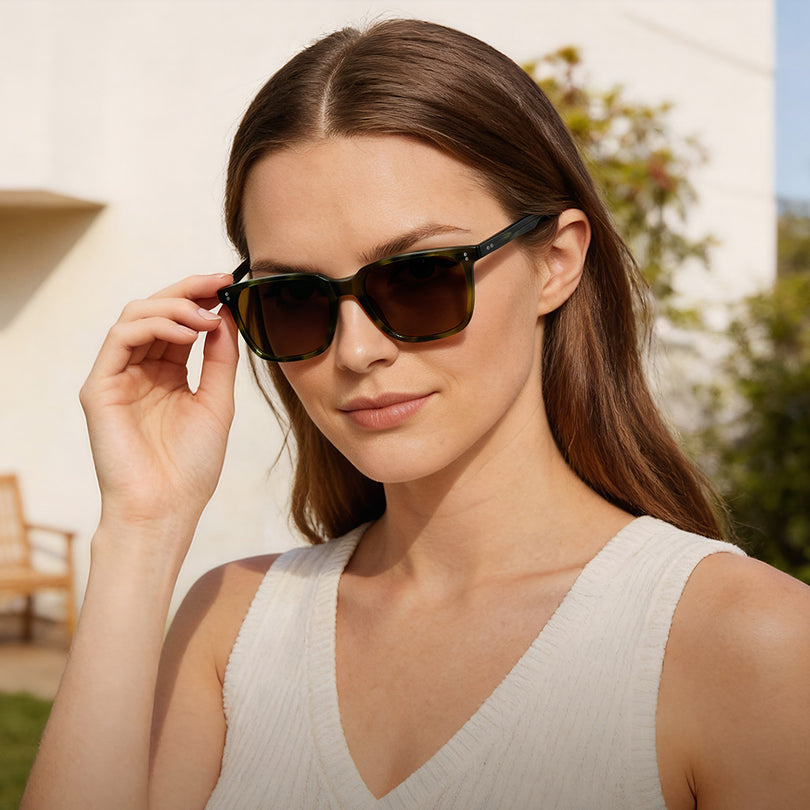
For outdoor use, explore Carfia’s progressive prescription sunglasses. Do not assume an optical frame supports every sunglass option.
Frequently Asked Questions
How does one progressive lens cover different everyday tasks?
In progressive glasses, lens power changes gradually from distance correction at the top through intermediate correction to near correction below.
Does the starting lens price cover my complete pair?
No. You can add progressive lenses to Carfia frames from $35.95; the frame and lens selections determine your complete order price.
Should I expect an exact adjustment deadline?
No single timeline applies to everyone wearing progressive glasses. Persistent discomfort or unclear vision deserves a prescription, measurement, and fit review.
What should I check before choosing progressive sunglasses?
Carfia offers progressive prescription sunglasses. Confirm the available frame, tint, and lens combination for your prescription and intended use.
What prescription details should I prepare?
Prepare a current prescription with an ADD value and your PD. Ask whether additional fitting measurements are needed; ADD alone is not the entire checklist.
Who can help if my glasses remain uncomfortable?
Contact service@carfia.com for order guidance, review Carfia’s satisfaction guarantee, and consult your eye care professional about persistent visual discomfort.
Final Thoughts
Choosing progressive glasses starts with understanding the lens, not memorizing upgrades. Learn where the viewing areas sit, prepare accurate prescription information, and consider fit alongside style. Dublin-FC10, Monterey-FC01, and Ovalen-FC4 offer three different looks to explore. With professional guidance and realistic expectations, you can decide whether one pair for multiple everyday distances suits your routine.