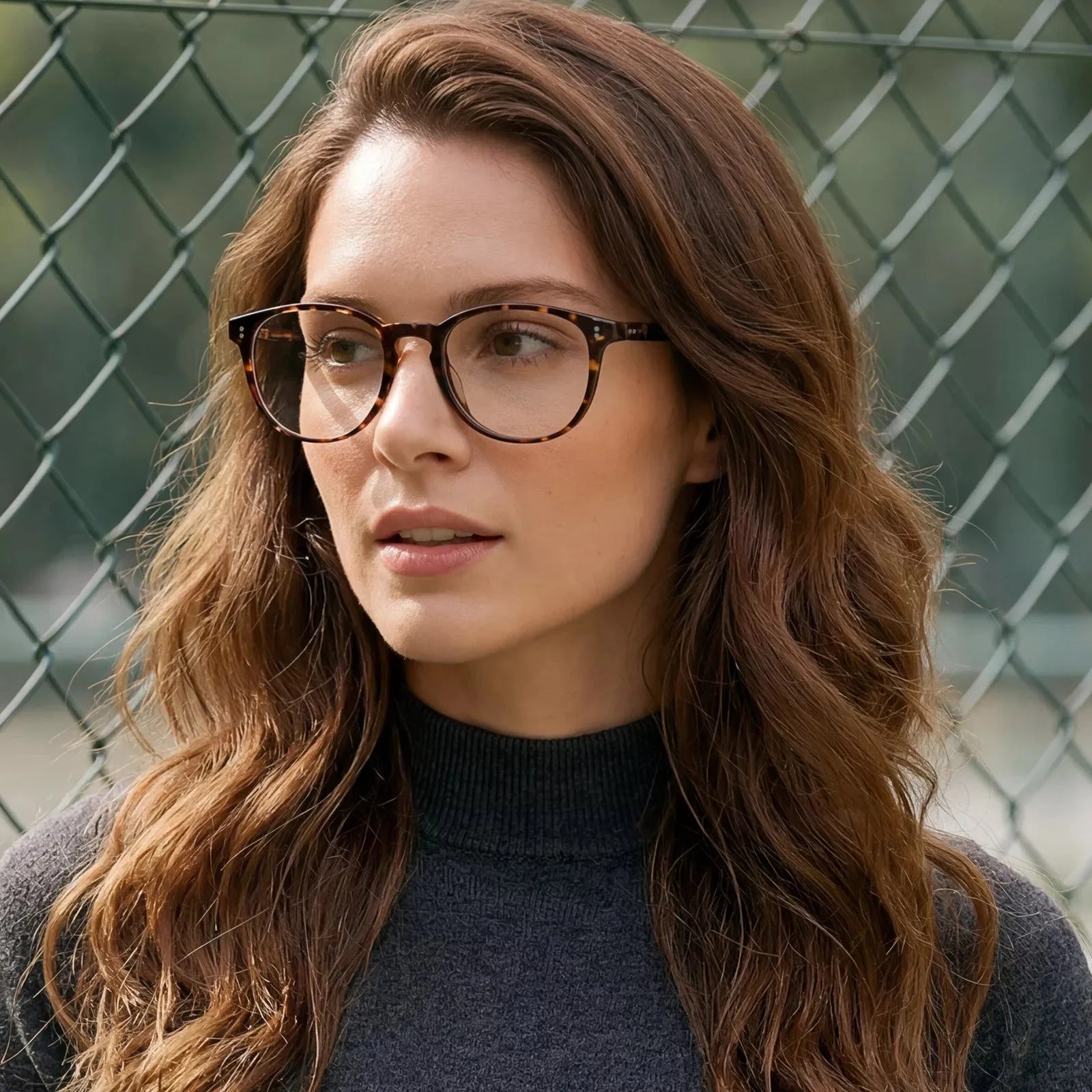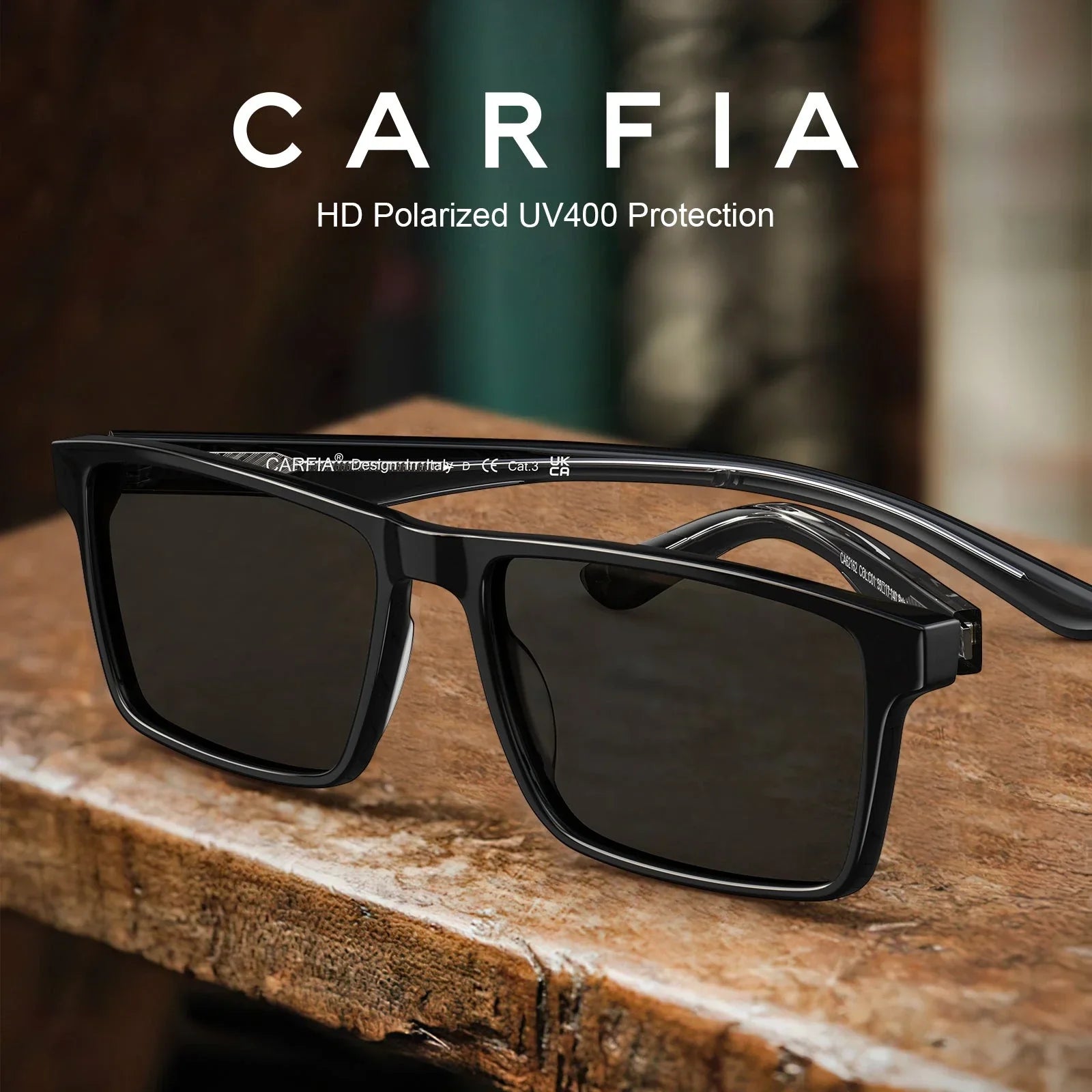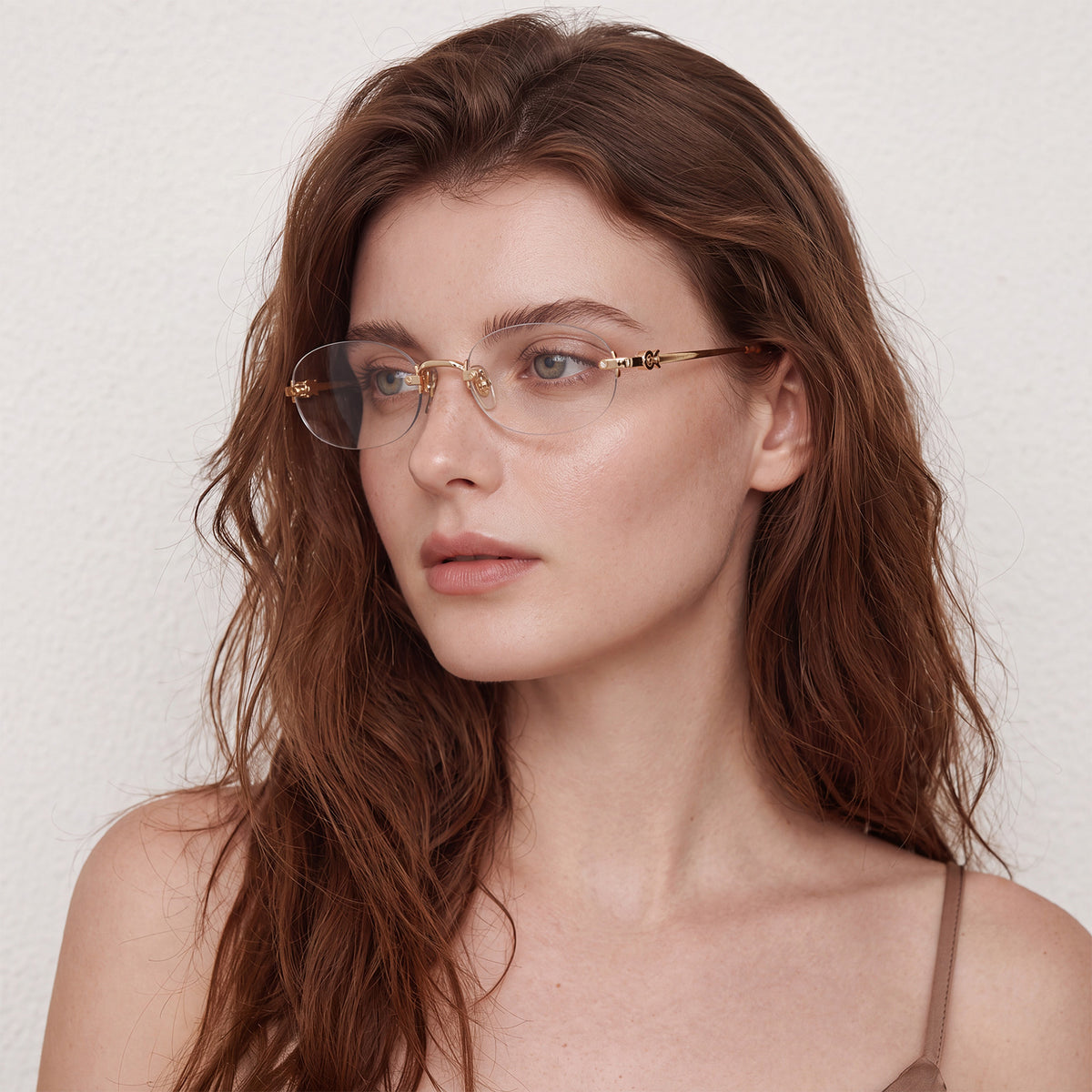







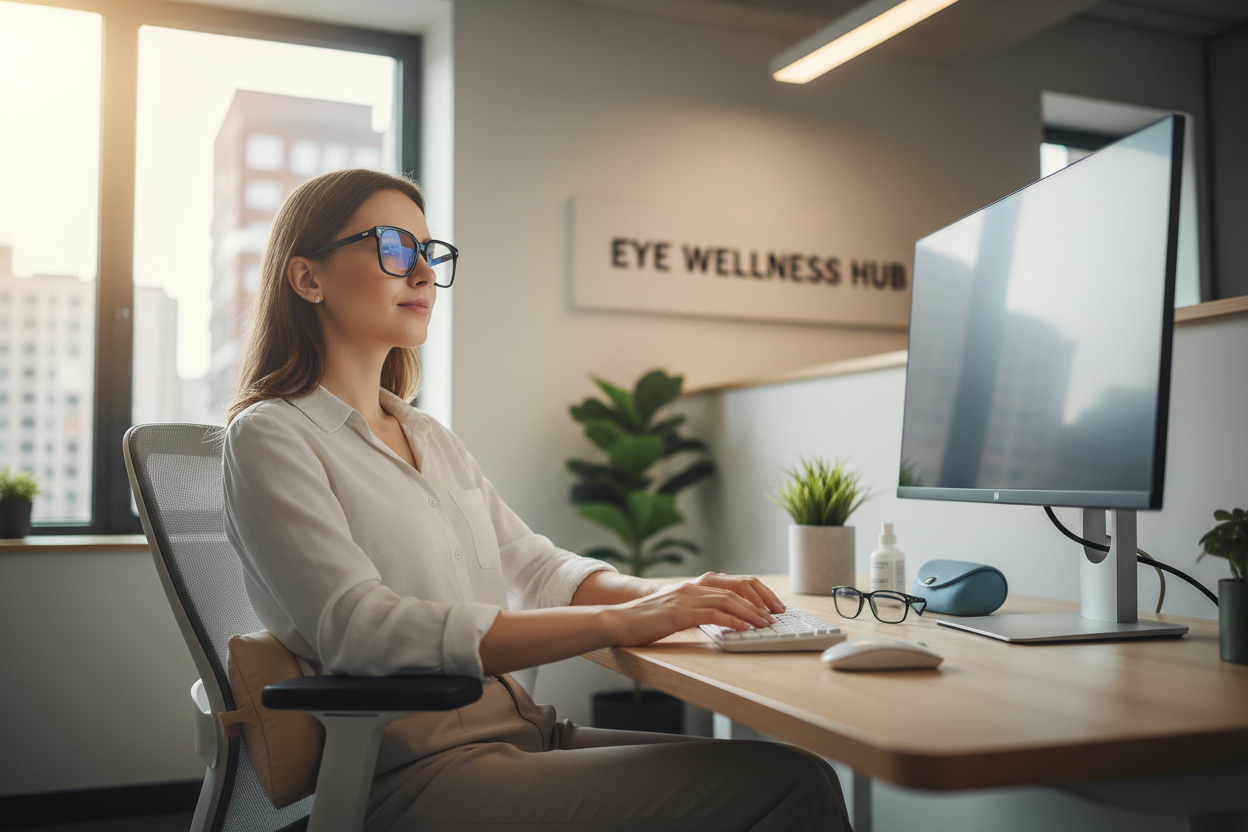
If you spend hours each day staring at a screen — whether for work, study, or leisure — you've probably experienced the telltale signs of eye fatigue: tired, dry eyes, blurred vision, headaches, and that heavy feeling that makes it hard to focus by mid-afternoon. These symptoms are increasingly common, and they've driven demand for a specialized lens technology called anti-fatigue lenses.
But what exactly are anti-fatigue lenses? How do they work? And are they right for you? In this guide, we break down everything you need to know — backed by the science — and show you how to find the right frame to pair with them from the Carfia eyewear collection.

What Are Anti-Fatigue Lenses?
Anti-fatigue lenses (also called "office lenses," "near variable focus lenses," or "digital lenses" depending on the manufacturer) are a type of single-vision lens with a subtle boost of magnification built into the lower portion of the lens. This boost — typically between +0.50 and +0.88 diopters — is designed to reduce the effort your eyes exert when focusing on near objects like screens, books, and documents.
Unlike progressive lenses, which have three distinct zones (distance, intermediate, and near), anti-fatigue lenses are primarily optimized for distance and near vision, with a seamless transition that's nearly invisible to the wearer. They look and feel like regular single-vision lenses but provide meaningful relief for people who spend extended time doing close-up work.
How Do Anti-Fatigue Lenses Work? The Science of Accommodation
To understand why anti-fatigue lenses help, you need to understand a process called accommodation — the eye's ability to change focus between near and far objects.
When you look at a nearby screen or book, the ciliary muscles inside your eye contract to change the shape of the crystalline lens, allowing it to focus on close objects. When you look into the distance, those muscles relax. This constant contraction and relaxation is effortless when you're young, but as we age — and as we spend more time doing sustained near work — the ciliary muscles can become fatigued, leading to a condition called asthenopia (eye strain).
A landmark study published in Ophthalmic and Physiological Optics found that sustained near work significantly increases accommodative demand and is a primary driver of digital eye strain symptoms, including headaches, blurred vision, and difficulty refocusing. (Source: Sheppard & Wolffsohn, 2018)
Anti-fatigue lenses address this by providing a small amount of additional plus power in the reading zone, reducing the accommodative effort required for near tasks. Think of it as giving your ciliary muscles a slight assist — like power steering for your eyes.
Who Needs Anti-Fatigue Lenses?
Anti-fatigue lenses are not just for people with existing vision problems. They can benefit a wide range of people:
Heavy screen users: The American Optometric Association (AOA) reports that Computer Vision Syndrome (CVS) — a cluster of eye and vision problems related to screen use — affects up to 90% of people who use computers for more than three hours a day. Anti-fatigue lenses are specifically designed to address the accommodative stress that drives CVS. (Source: AOA, 2023)
Young adults and pre-presbyopes (ages 25–45): You don't have to be over 40 to benefit. Research published in the Journal of Optometry found that young adults who perform sustained near work show measurable signs of accommodative fatigue, even with normal vision. Anti-fatigue lenses can provide relief before presbyopia sets in. (Source: Journal of Optometry, 2020)
Students: Long hours of reading, writing, and screen-based study create significant near-vision demand. Anti-fatigue lenses can help students maintain focus and comfort throughout the day.
People with mild presbyopia: For those in the early stages of presbyopia (typically beginning around age 40), anti-fatigue lenses can serve as a bridge between standard single-vision lenses and full progressive lenses.
Anyone experiencing digital eye strain symptoms: If you regularly experience tired eyes, headaches, or blurred vision after screen use, anti-fatigue lenses are worth discussing with your eye care professional.
Anti-Fatigue Lenses vs. Blue Light Glasses: What's the Difference?
This is one of the most common questions we hear, and the answer is: they address different aspects of digital eye strain, and they can be combined.
Anti-fatigue lenses address the mechanical cause of eye strain — the accommodative effort required for sustained near work. They work by reducing the focusing demand on your ciliary muscles.
Blue light glasses address the photic aspect — filtering high-energy blue light wavelengths (400–450nm) that can contribute to visual discomfort and disrupt melatonin production, affecting sleep quality. The American Academy of Ophthalmology (AAO) acknowledges that blue light from screens can interfere with sleep when devices are used before bedtime. (Source: AAO, 2023)
The good news: you don't have to choose. Many lens manufacturers offer anti-fatigue lenses with a blue light filter coating, giving you the benefits of both technologies in a single lens. Explore our blue light blocking glasses collection, or consider our prescription blue light glasses if you need vision correction alongside blue light protection.
The Evidence: Do Anti-Fatigue Lenses Actually Work?
The clinical evidence for anti-fatigue lenses is encouraging. A study published in Clinical and Experimental Optometry found that participants wearing lenses with a near addition (similar to anti-fatigue lens design) reported significantly lower levels of eye strain and visual fatigue after sustained computer work compared to those wearing standard single-vision lenses.
The National Eye Institute (NEI) also notes that reducing accommodative demand through optical correction is a recognized strategy for managing symptoms of convergence insufficiency and accommodative fatigue — conditions that overlap significantly with digital eye strain. (Source: NEI, 2022)
It's worth noting that anti-fatigue lenses work best when combined with good visual habits: the 20-20-20 rule (every 20 minutes, look at something 20 feet away for 20 seconds), proper screen distance (typically 50–70cm), adequate ambient lighting, and regular eye exams.
Carfia Frames: The Perfect Pairing for Anti-Fatigue Lenses
Anti-fatigue lenses can be fitted into virtually any full-rim or semi-rim frame. The key is choosing a frame that fits well, stays in position, and suits your lifestyle. Here are two Carfia frames that pair beautifully with anti-fatigue lenses:
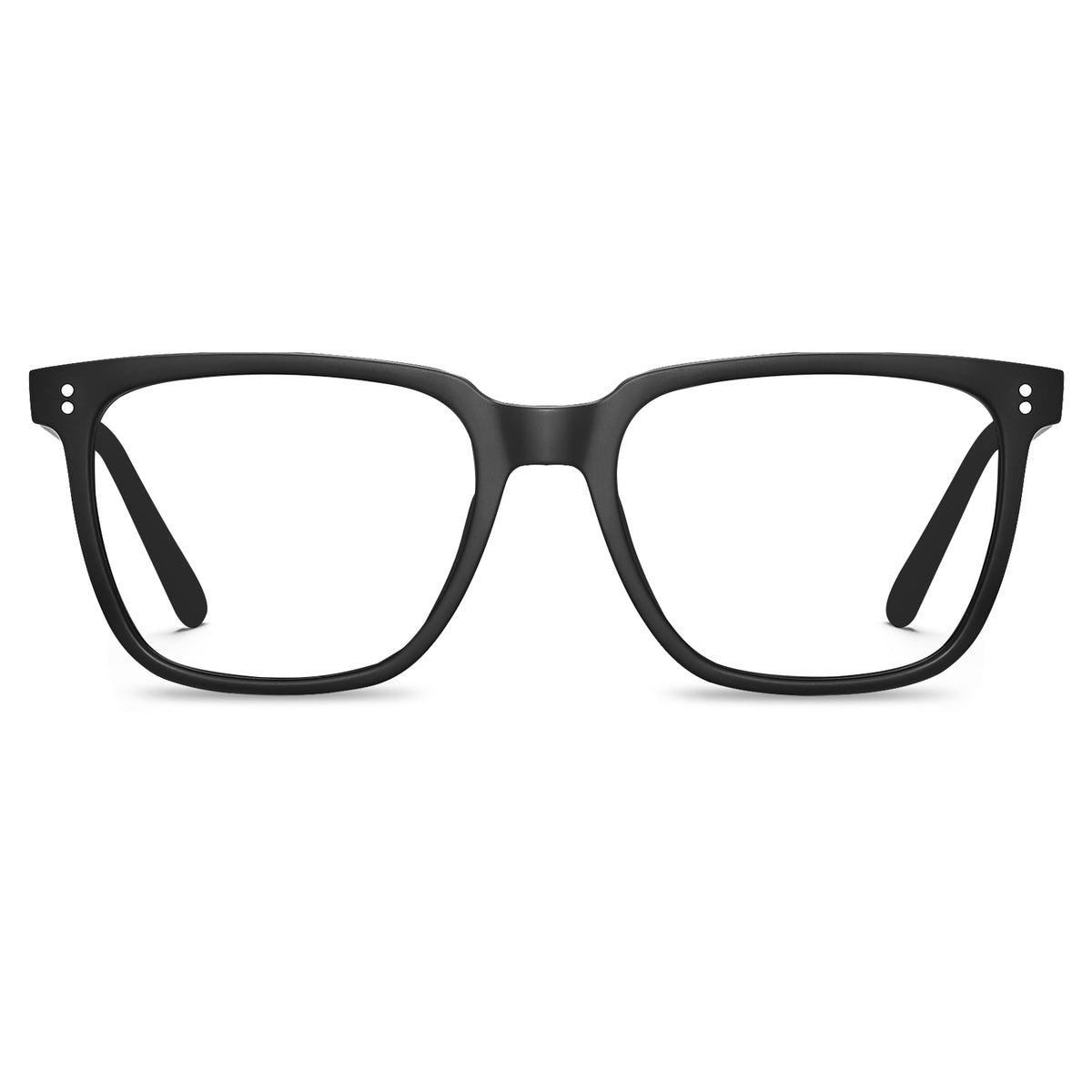
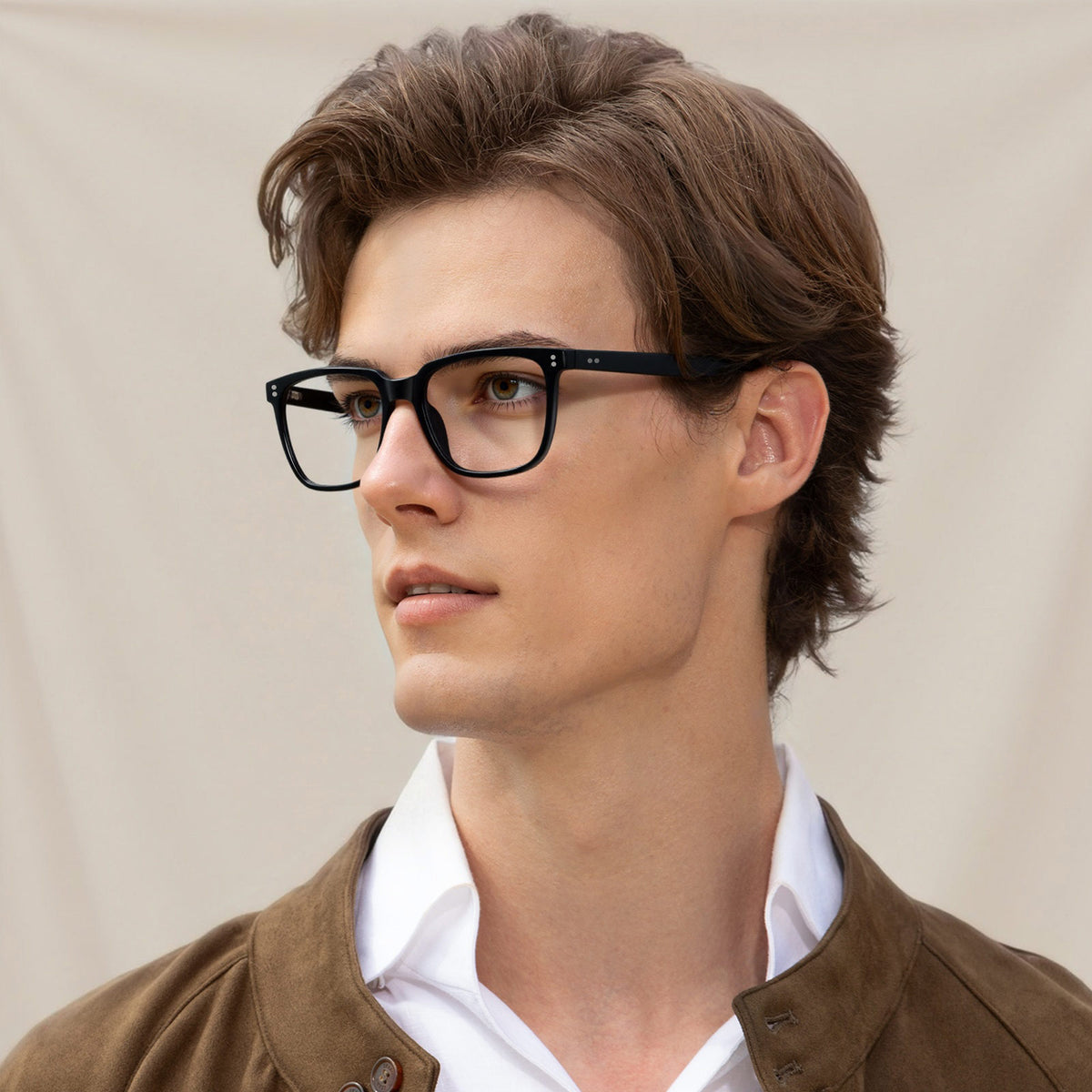
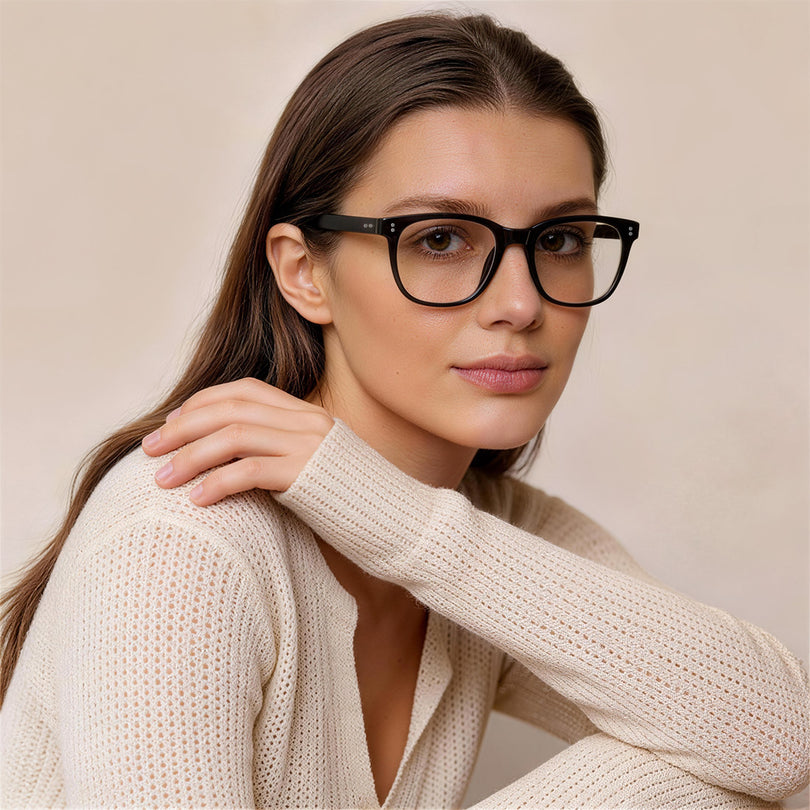
Downey-FL20 — Classic Black Square Acetate Eyeglasses ($32)
The Downey-FL20 is a timeless full-rim square frame in premium black acetate — lightweight at just 25g and hypoallergenic for all-day comfort. Its full-rim design provides maximum lens stability, which is important for anti-fatigue lenses where the reading zone placement needs to be precise. Prescription-ready for single vision, progressive, bifocal, computer, anti-reflective, and high-index lenses.
Perfect for: Office professionals, students, and anyone who wants a versatile, understated frame for daily screen use.
Downey-FL27 — Trendy Green Square Acetate Eyeglasses ($32)
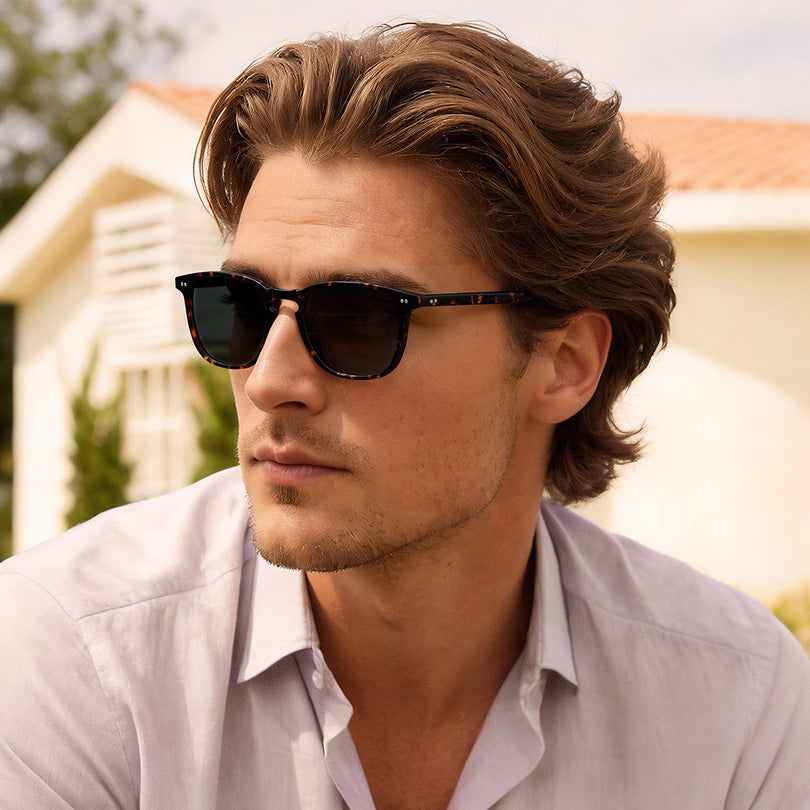
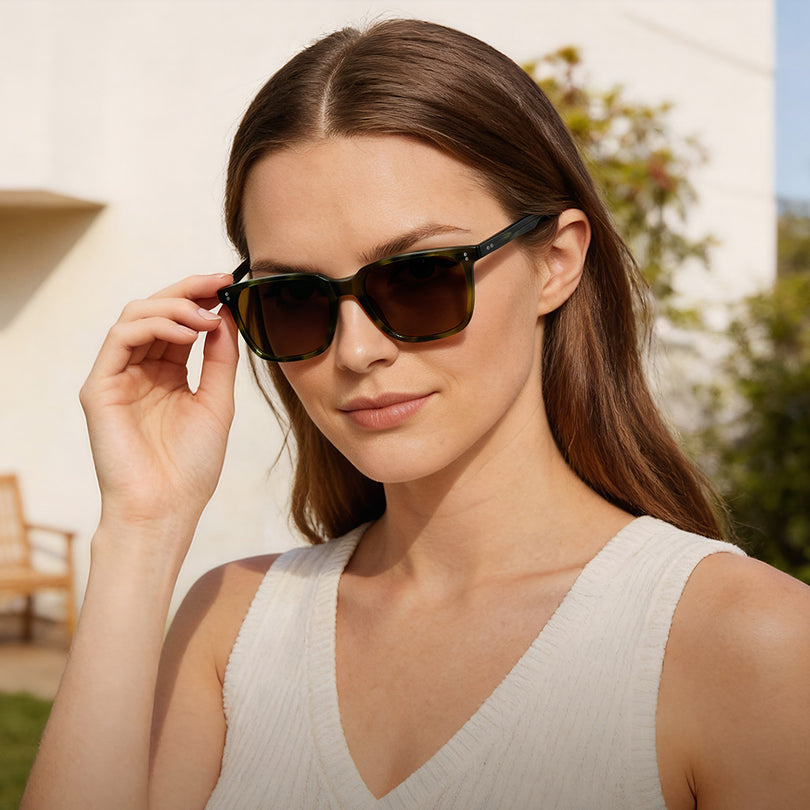
The Downey-FL27 brings a modern, fashion-forward edge to the same trusted full-rim square silhouette. Crafted from premium green acetate with superior color retention and scratch resistance, it's a unisex frame that makes a statement without sacrificing function. Also prescription-ready for the full range of lens types including anti-fatigue and photochromic options.
Perfect for: Those who want their eyewear to reflect their personality while still performing at the highest level.
What to Look for When Choosing Frames for Anti-Fatigue Lenses
Not every frame is equally suited to anti-fatigue lenses. Here's what to prioritize:
Full-rim frames: Anti-fatigue lenses have a specific optical center and reading zone that must be positioned correctly relative to your pupil. Full-rim frames hold the lens securely and allow opticians to make precise adjustments. Both the Downey-FL20 and Downey-FL27 are full-rim designs for exactly this reason.
Adequate lens height: The reading zone in an anti-fatigue lens is in the lower portion of the lens. Frames with a lens height of at least 28–30mm ensure there's enough room for both the distance zone and the near boost zone.
Proper fit: The frame should sit at the correct height on your nose so that your natural reading gaze falls through the lower portion of the lens. An optician can adjust nose pads and temple arms to achieve this.
Lightweight materials: Since you'll be wearing these glasses for extended periods, lightweight acetate or TR90 frames minimize pressure on your nose and ears. Carfia's acetate frames weigh just 25g — barely noticeable after the first few minutes.
Anti-Fatigue Lenses and Children: A Growing Concern
Screen time among children has increased dramatically, and with it, concerns about myopia progression and eye strain in younger populations. The World Health Organization (WHO) recommends limiting recreational screen time for children and ensuring regular breaks — guidance that aligns with the use of anti-fatigue lens strategies for young, heavy screen users. (Source: WHO, 2019)
If your child complains of headaches, eye rubbing, or difficulty concentrating during screen-based schoolwork, it's worth consulting a pediatric optometrist about whether anti-fatigue lenses might help.
How to Get Anti-Fatigue Lenses
Anti-fatigue lenses require a prescription from a licensed optometrist or ophthalmologist. Here's the typical process:
Step 1 — Get a comprehensive eye exam. Your eye care professional will assess your vision, measure your accommodative response, and determine whether anti-fatigue lenses are appropriate for your needs.
Step 2 — Choose your frame. Select a full-rim frame with adequate lens height. Browse our eyeglass frames collection for prescription-ready options.
Step 3 — Select your lens options. Ask your optician about combining anti-fatigue lens design with blue light filtering, anti-reflective coating, and photochromic (light-adaptive) options for maximum versatility.
Step 4 — Allow an adaptation period. Most wearers adapt to anti-fatigue lenses within a few days. During this time, you may notice a slight difference in how near objects appear — this is normal and resolves quickly.
Frequently Asked Questions
Are anti-fatigue lenses the same as progressive lenses?
No. Progressive lenses have three distinct zones (distance, intermediate, near) and are primarily designed for presbyopia. Anti-fatigue lenses are single-vision lenses with a subtle near boost, designed for people who don't yet need full progressives but experience eye strain from near work.
Can I wear anti-fatigue lenses if I have perfect vision?
Yes — anti-fatigue lenses can be made in plano (non-prescription) form with just the near boost. However, consult an eye care professional first to confirm they're appropriate for your situation.
Will anti-fatigue lenses cure my headaches?
They may help if accommodative eye strain is a contributing factor. Persistent headaches can have many causes and should be evaluated by a healthcare professional.
How are anti-fatigue lenses different from reading glasses?
Reading glasses are optimized for near vision only — they blur distance vision. Anti-fatigue lenses maintain clear distance vision while providing a near boost in the lower zone, making them suitable for all-day wear.
Do I need anti-fatigue lenses if I already wear blue light glasses?
Possibly. Blue light glasses and anti-fatigue lenses address different causes of digital eye strain. If you're still experiencing eye fatigue despite wearing blue light blocking glasses, anti-fatigue lenses may provide additional relief by reducing accommodative demand. Consider our men's blue light glasses or women's blue light glasses as a starting point, then discuss anti-fatigue lens options with your optician.

Final Thoughts
Anti-fatigue lenses represent one of the most practical innovations in modern eyewear — a subtle but meaningful upgrade that can make a real difference for anyone who spends significant time doing near work. Whether you're a remote worker, student, gamer, or avid reader, they're worth a conversation with your eye care professional.
When you're ready to choose your frame, Carfia's prescription-ready acetate eyeglasses offer the full-rim stability, lightweight comfort, and precise fit that anti-fatigue lenses demand. Explore our full eyewear collection to find your perfect pair.
Medical Disclaimer: This article is for informational purposes only and does not constitute medical advice. Consult a qualified eye care professional for personalized recommendations regarding anti-fatigue lenses or any vision correction needs.
References:
1. Sheppard, A.L. & Wolffsohn, J.S. (2018). "Digital eye strain: prevalence, measurement and amelioration." Ophthalmic and Physiological Optics.
2. American Optometric Association. (2023). "Computer Vision Syndrome." aoa.org
3. American Academy of Ophthalmology. (2023). "Computer Vision Syndrome." aao.org
4. National Eye Institute. (2022). "Convergence Insufficiency." nei.nih.gov
5. World Health Organization. (2019). "Guidelines on Physical Activity, Sedentary Behaviour and Sleep for Children under 5 Years of Age." who.int