









At some point after 40, almost everyone starts holding their phone farther away to read it. That moment — when your arms become too short — is presbyopia, the natural loss of near focus, and it is exactly when the "distance glasses vs. reading glasses" question shows up. The good news: understanding the difference takes about five minutes, and the answer determines how comfortable, headache-free, and clear your everyday vision will be.
Here is the short version: distance glasses are single-vision lenses that correct how you see far away (myopia, hyperopia, astigmatism), while reading glasses are single-vision lenses that correct how you see up close. If you need both, that is where progressive lenses come in. Every frame in the Carfia eyeglasses collection can be fitted with single-vision, reading, or progressive lenses — so the frame choice is yours; we will handle the optics.
The Short Answer: A Quick Comparison
- Distance glasses (single-vision far): Correct myopia, hyperopia, or astigmatism across the whole lens. You wear them for driving, watching TV, classroom, or daily wear — anything where you need crisp far vision.
- Reading glasses (single-vision near): The whole lens is tuned for close work — books, phones, sewing, cooking, fine detail. They are made for presbyopia and are only worn when you need to see up close.
- Progressive lenses: One pair that blends distance, intermediate (computer), and near vision in a single seamless lens — no visible line, no switching glasses. Best if you need correction at more than one distance.
What Is Presbyopia? (The Reason Reading Glasses Exist)
The American Academy of Ophthalmology (AAO) explains presbyopia simply: it is when your eyes gradually lose the ability to see things clearly up close, and it is a normal part of aging — the name comes from a Greek word meaning "old eye." Around age 40, the eye's lens becomes more rigid and cannot change shape as easily, which is why you catch yourself holding menus at arm's length.
Two facts are worth keeping in mind. First, according to the Cleveland Clinic, presbyopia and myopia (nearsightedness) very commonly coexist — being nearsighted does not protect you from presbyopia. Second, the MedlinePlus notes that presbyopia is typically noticed around age 45 and stabilizes by around age 65, which is why reading prescriptions keep getting stronger for a couple of decades and then level off.
Presbyopia cannot be reversed, but it is easily corrected — with reading glasses, progressive lenses, or multifocal options. The National Eye Institute (NEI) recommends a comprehensive eye exam to confirm presbyopia (or anything else) before you shop, so your prescription is accurate.
Distance Glasses 101
Distance glasses use single-vision lenses: one correction power across the entire lens, tuned for far vision. They treat the classic refractive errors — nearsightedness (myopia), farsightedness (hyperopia), and astigmatism — and they are the everyday pair most people wear from morning to night.
- Best for: driving, watching TV or films, walking outdoors, classrooms and meetings.
- Lens options: clear single-vision, or add anti-fatigue, blue-light filtering, or photochromic treatments.
- When you wear them: all day, every day — they are your primary pair.
If your only issue is far vision, a single-vision distance pair is all you need. Browse options in the full eyeglasses collection.
Reading Glasses 101
Reading glasses are also single-vision, but the entire lens is set for near work — roughly 30–40 cm from your eyes. They correct presbyopia (and can also help with close-up astigmatism). You put them on when you read, and take them off when you look up — that is the entire deal.
- Best for: books, phones, tablets, sewing, cooking, labels, fine detail.
- Store-bought vs. prescription: The AAO notes that while reading glasses can be bought without a prescription, the correct power should be determined by an eye exam. A proper Rx reading pair also fixes astigmatism and matches your pupillary distance (PD) — the two things drugstore readers get wrong.
- When you wear them: only during near tasks.
Can't I Just Get One Pair? Bifocals & Progressives
If you need both distances, you have three options — and the AAO explains the mechanics clearly:
- Bifocals: two zones divided by a visible (or barely visible) line — top for distance, bottom for near.
- Trifocals: three zones for near, intermediate, and far.
- Progressives: like bifocals and trifocals, but the power gradually changes from top to bottom — no lines, no abrupt jump, and a natural intermediate zone that is perfect for computer work.
Progressives are the most popular choice for presbyopia because one pair covers everything — no switching, no taking glasses on and off. The only catch is a short adaptation period (usually one to two weeks) while your eyes learn to find each zone. All Carfia frames accept progressive lenses, and our guide, The Complete Guide to Carfia Prescription Sunglasses, explains how Rx lens options are priced and ordered.
Which Do You Need? A Quick Decision Guide
Answer honestly and you will know in thirty seconds:
- Far vision is blurry, near vision is fine? Distance glasses (single-vision far).
- Far vision is fine, but close-up text blurs and you hold things away? Reading glasses (single-vision near).
- Both are off — or you hate swapping glasses all day? Progressive lenses in your everyday frame.
- Mostly screens and near work, with tired eyes by evening? Consider anti-fatigue or blue-light filtering options.
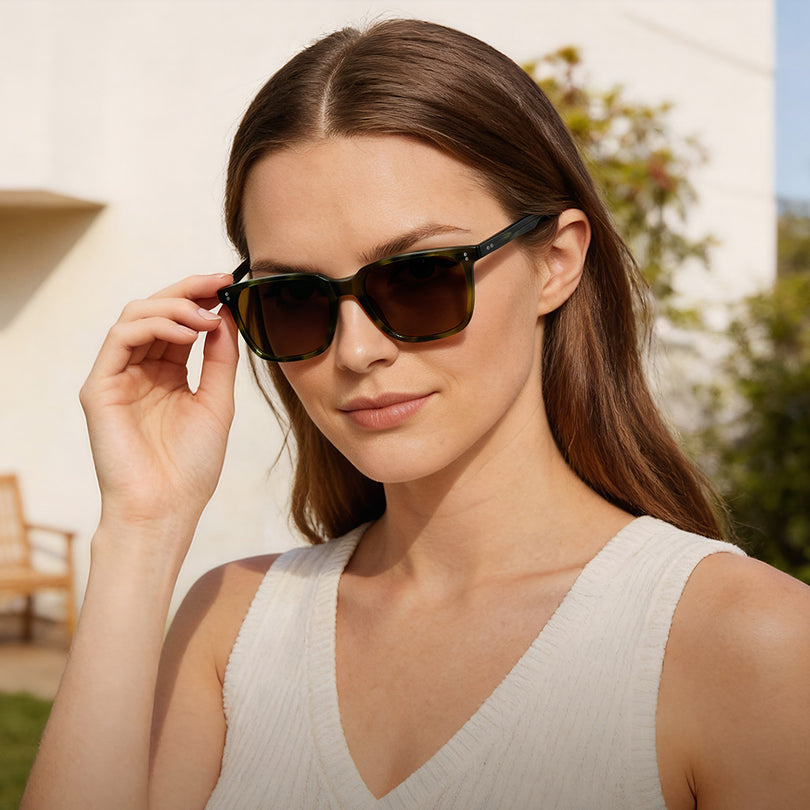
- Spending long days outdoors? A prescription sunglasses pair (or photochromic lenses) protects your eyes while correcting vision — the AAO recommends UV protection year-round for everyone.
How to Read Your Prescription
Your prescription tells the lab exactly what to make. The four numbers that matter:
- SPH (Sphere) — the main correction power, in diopters. Minus (-) means myopia (distance), plus (+) means hyperopia (distance). For reading glasses, this value is adjusted for near.
- CYL & AXIS — astigmatism correction. CYL is the lens power, AXIS is the angle (0–180). Not everyone has these; if they are blank, you are simply lucky.
- ADD (Addition) — the near "boost" added to your distance prescription for reading, typically +0.75 to +2.50, increasing with age. This is the number that makes a progressive or reading lens.
- PD (Pupillary Distance) — the distance between your pupils in millimeters. It centers the optical zones over your eyes; get it wrong and even a perfect prescription feels off. Your optometrist measures it, and you will need it at checkout.
New In: Three Carfia Frames for Every Distance
All three below are fresh arrivals in the New Arrivals collection, and all accept single-vision, reading, or progressive lenses at checkout.
Primrose-FC06 — $33.99 $76.00
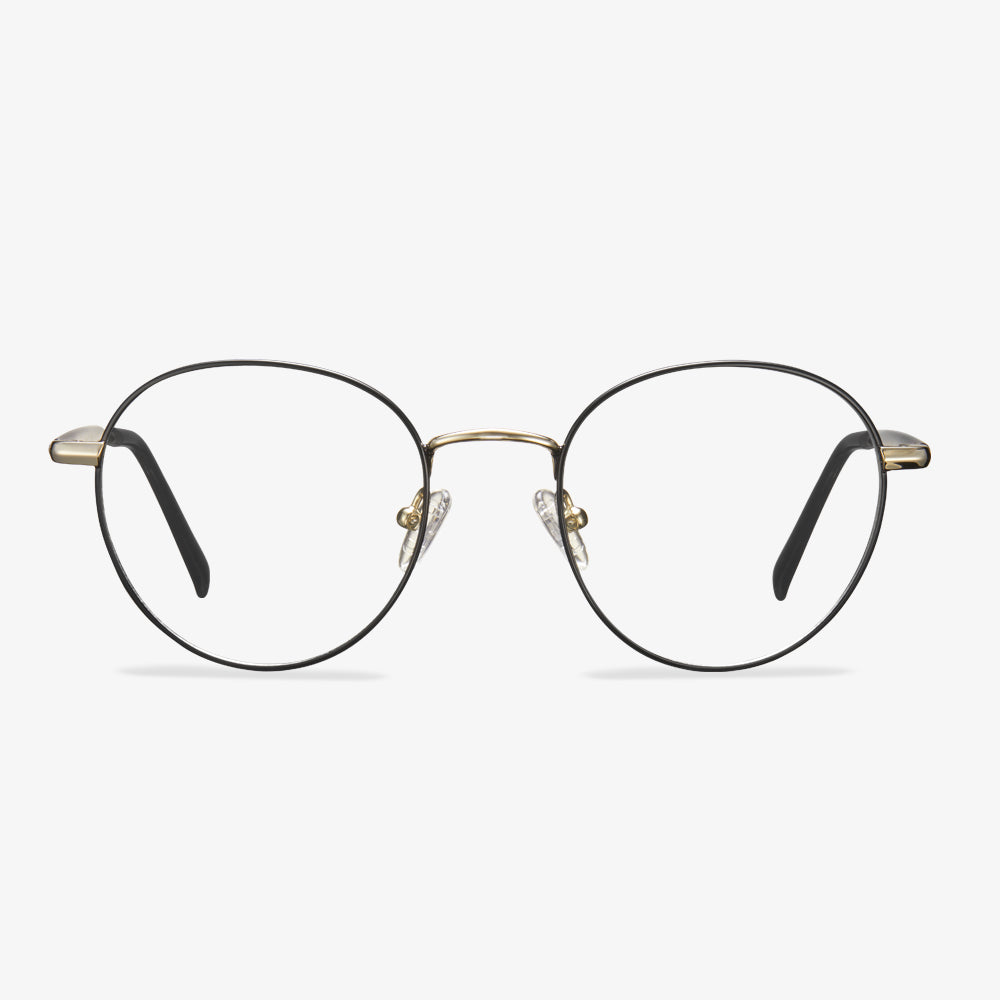
Round green acetate frame, unisex. A classic reading-friendly round that keeps a low profile over a book.

Camet-FC06 — $34.00 $80.00
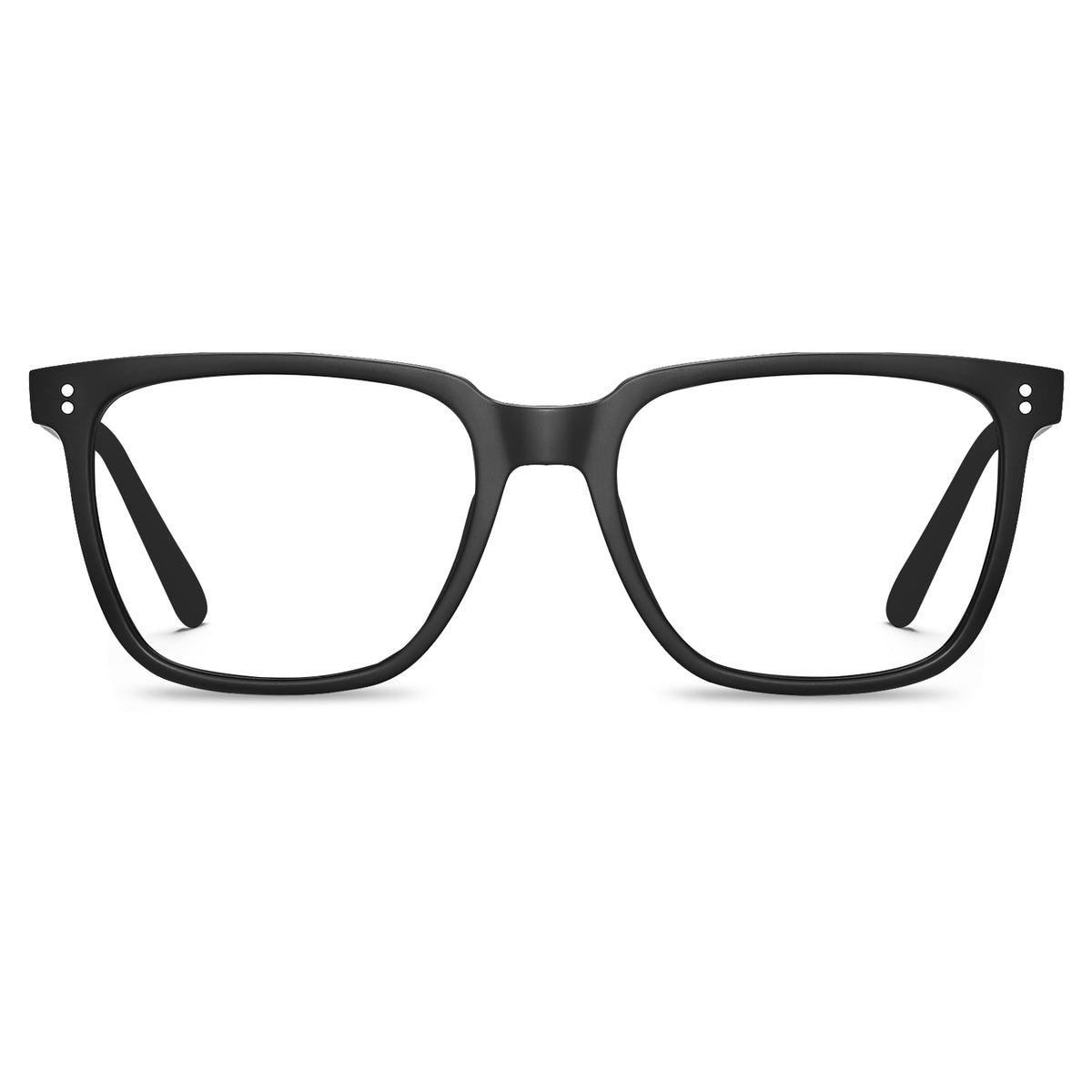
Transparent rectangle with gold details, Italian-designed acetate. A clean, professional silhouette for distance or progressive daily wear.

Milo-FC04 — $34.00 $74.00
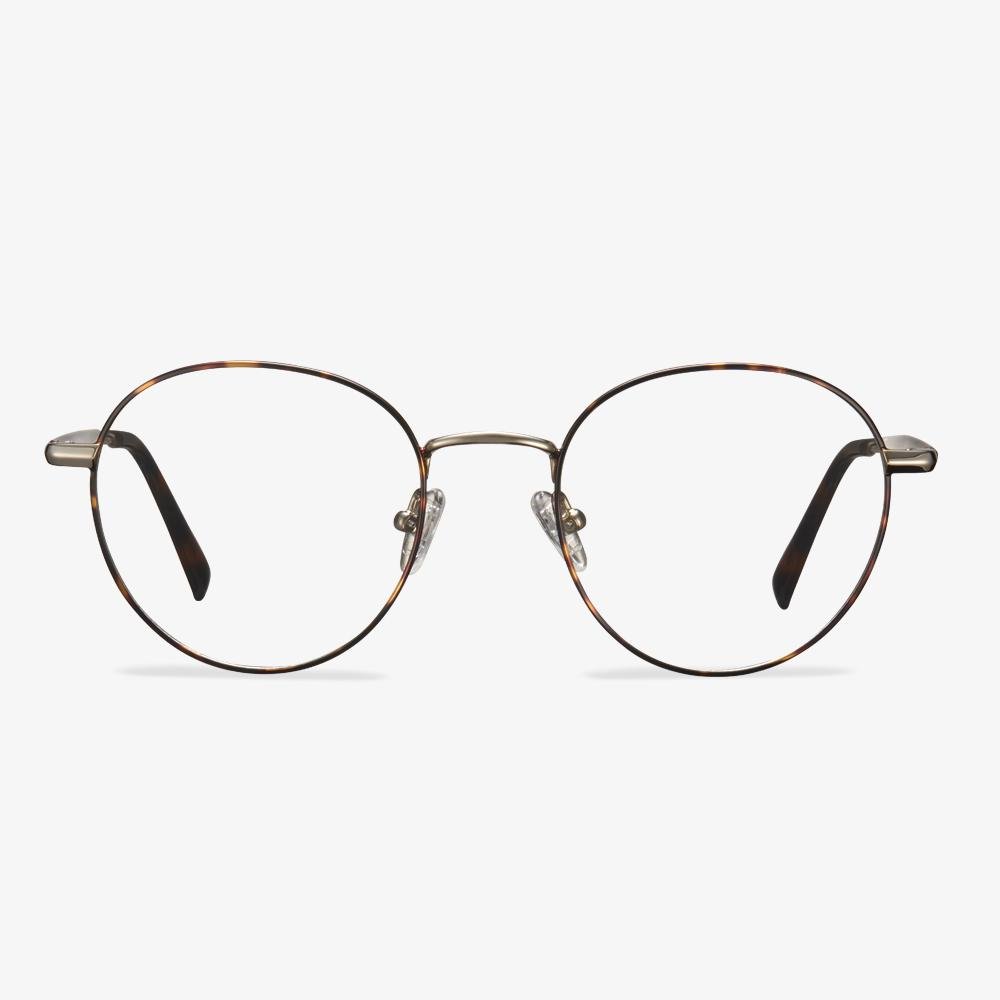
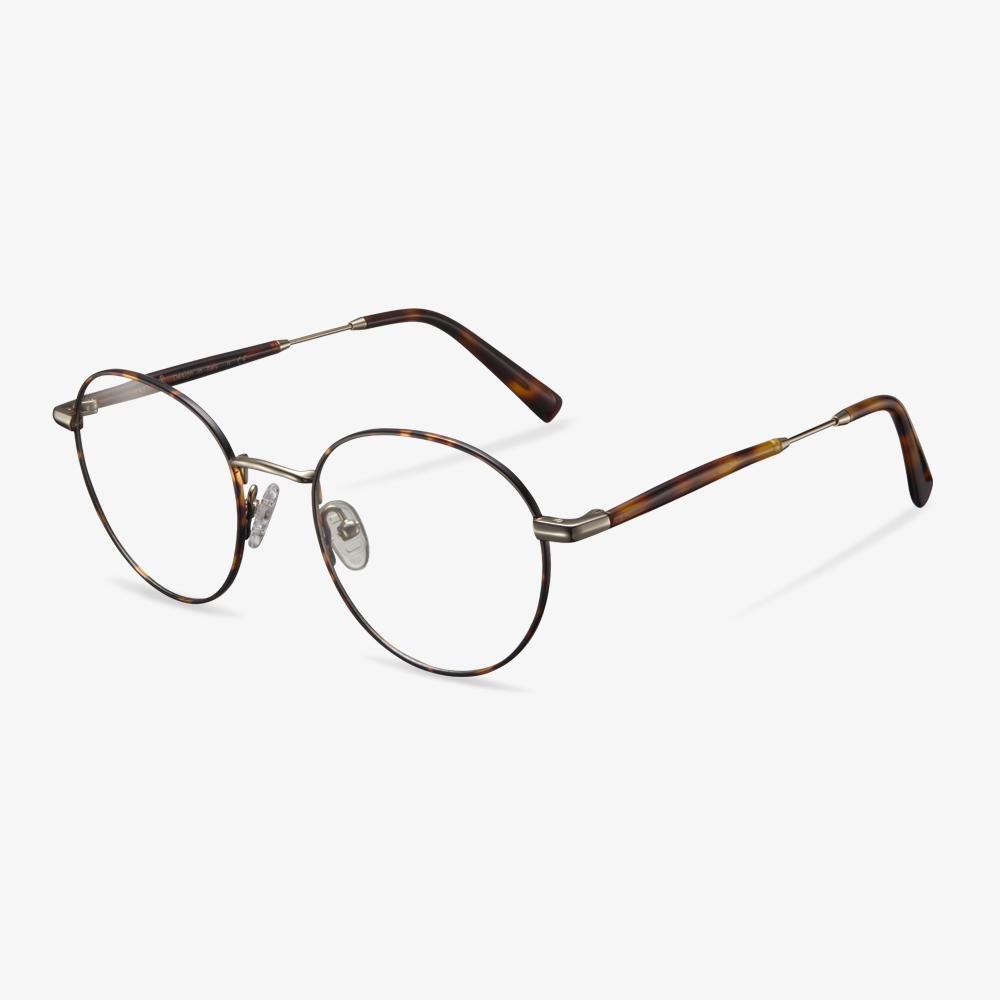
Tortoise acetate frame, women's fit. A warm, versatile everyday frame that suits both office and weekend wear.

Frequently Asked Questions
How do I know if I need reading glasses or distance glasses?
If far vision blurs, you need a distance prescription; if close-up text blurs (and you hold things away), you need reading correction. If both are affected, progressives cover everything. Only an eye exam tells you for sure — the NEI recommends a comprehensive exam to confirm.
Can I wear reading glasses all day?
Reading glasses are tuned for near work only. Wearing them while driving or walking can blur distance vision and is not recommended. If you need all-day correction at multiple distances, progressives are the better choice.
Are drugstore reading glasses okay?
They work in a pinch, but they ignore your astigmatism, PD, and the exact ADD your eyes need (the AAO notes the correct power should come from an eye exam). A prescription pair from Carfia is made to your exact numbers and feels dramatically more comfortable.
Does Carfia make progressive lenses?
Yes. Every Carfia frame can be ordered with single-vision, reading, or progressive lenses — including our prescription sunglasses. Enter your prescription and PD at checkout and our lab does the rest.
Final Thoughts
Distance glasses and reading glasses solve two different problems, and presbyopia means most of us will eventually need near correction on top of whatever we already wear. Identify your symptoms, get a current prescription from an eye exam, and let the optics do the heavy lifting — you just pick the frame you love. Start with the eyeglasses collection or jump straight to the newest arrivals.
Related Reading
Sources
- American Academy of Ophthalmology (AAO). What Is Presbyopia? Accessed August 2026.
- American Academy of Ophthalmology (AAO). Eye Health Information for Adults 40 to 65. Accessed August 2026.
- Cleveland Clinic. Presbyopia. Reviewed by medical professionals. Accessed August 2026.
- National Eye Institute (NEI). Presbyopia. Accessed August 2026.
- MedlinePlus, National Library of Medicine. Presbyopia. Reviewed January 2026. Accessed August 2026.
This article is for educational purposes only and is not a substitute for professional medical advice, diagnosis, or treatment. Always consult your optometrist or ophthalmologist with questions about your vision or prescription.