




Stand on a jetty at ten in the morning and the water is a mirror. Stand on the same jetty at two in the afternoon and it is a wall of white light. Nothing about the water changed; the angle of the sun did. This is the reason open-air sports have a lens problem that ordinary sunglasses cannot solve, and why the fix is a filter rather than a darker tint.
Water, sand and snow look like three different environments. Optically they are the same one: a large, flat, non-metallic surface at or near eye level, throwing reflected light in a single dominant plane.
All three surfaces do the same thing to light
When light strikes a flat dielectric surface — water, dry sand, snow, wet asphalt — the reflected portion comes back largely polarized horizontally. A polarized lens is built with a vertical filter, so it absorbs that reflected component before it reaches the eye while letting light from the rest of the scene through.
This is why the effect is so much stronger outdoors than in a city. A street has vertical surfaces: walls, windows, people. A lake, a beach and a snowfield are almost entirely horizontal, which means almost all of their reflected light arrives in the plane the filter is designed to block.
It is also why the effect is not 'more shade'. On a boat, a tinted lens makes the whole scene darker and the glare proportionally darker with it. A polarized lens leaves the sky, the far shore and the hull at their normal brightness and removes the sheet of light sitting on the water. Those are very different experiences over four hours.
On the water: the one place the difference is undeniable
Fishing is where people stop asking whether polarization is worth it. On still water, the top few centimetres reflect most of the sky, and that reflection is what hides the bottom. Cut it and the surface becomes semi-transparent: weed lines, drop-offs, structure and moving fish appear where a moment ago there was only glare.
The same property helps on a kayak or a paddleboard, where the horizon and the water meet at eye level and the reflected band sits precisely in the middle of your field of view. It helps on a beach, where dry sand reflects hard from below as well as from ahead. It helps on a boat deck, where white gelcoat and stainless fittings add a second and third source.
One honest caveat for anglers: seeing into the water works both ways. You will see things you would rather not, and a polarized lens makes shallow rocks and submerged timber much easier to spot — which is usually the point, and occasionally a surprise.
On sand and pavement: the low, wide band
Dry sand does not reflect as sharply as water, but there is far more of it and it sits below eye level, so the reflection comes up at a shallow angle across the entire lower half of the view. This is the glare that makes a beach afternoon exhausting rather than relaxing, and it is the same glare that comes off a bright pavement in a city square.
For this condition the lens colour matters as much as the filter. Grey keeps sand looking like sand. Amber warms the scene and lifts contrast in hazy coastal light. Green sits between the two and is the least tiring over a long day.
On snow: the genuinely honest trade-off
Snow is the brightest common surface on earth, and the danger on a snowfield is not brightness — it is ultraviolet light reflecting from below as well as above. That is a UV problem, and it is solved by a UV400 lens, whether or not the lens is polarized. Any article that tells you polarization prevents snow blindness is confusing two different specifications.
Where polarization does help on snow: cutting the glare that hides the shape of the ground in flat light, and making a white surface readable rather than a single unbroken field of white. Where it can work against you: some ski instructors prefer non-polarized lenses because the filter can flatten the contrast that reveals icy patches. That is a real trade-off, not a marketing problem. For lift queues, a resort lunch terrace and the drive up the mountain, polarized is the better lens; for reading snow texture at speed, it is a matter of preference.
Polarized is not the same promise as UV
Two labels, two jobs. Polarized says the lens filters horizontally reflected light. UV400 says it blocks ultraviolet radiation up to 400 nm. A lens can do either without the other, and a cheap dark lens with no UV specification is worse than no sunglasses at all, because the tint relaxes the pupil while the UV passes straight through.
Carfia lists them separately on the product page rather than merging them into one badge: the polarizing filter is a lens property, and UV coverage is stated as its own figure, usually UVA and UVB up to 400 nm. Read that specification for the specific model you are buying — it is the one line that should never be taken on trust from a swing tag.
If you want the short version of the argument rather than the surface-by-surface one, what is the advantage of polarized sunglasses states it in a page. For travel and prescription use in bright destinations, why polarized Rx lenses earn their place in spring travel is the closer read.
Lens colour by environment
| Condition | Best lens colour | Why |
|---|---|---|
| Open water, high sun | Grey | Lowers brightness without shifting colour, so distance and depth read cleanly. |
| Water or beach, hazy or early morning | Amber | Lifts contrast in flat light, which is when a darker grey lens adds nothing. |
| Six hours outdoors, mixed light | Green | Holds colour balance across changing conditions and is the least tiring over a long day. |
| Snow, resort and mountain drive | Grey or Green | Readability on a white surface; check UV400 separately, that is the part that protects the eye. |
| Everyday city and driving | Grey | Neutral traffic-light and brake-light colour, predictable in tunnels and shade. |
If you only own one pair and spend time in all three environments, grey is the safe answer. If you fish or sail in flat morning light, amber earns its place. If you are out for six hours at a stretch, green is the least tiring.
Five frames for open-air days
These five are among the twelve best-selling Carfia sunglasses across 2025–2026, filtered for full-rim construction and coverage that survives wind. Widths run from 138 mm to 147 mm, so the range covers a smaller face through to a wide one; the measured numbers are under each card.

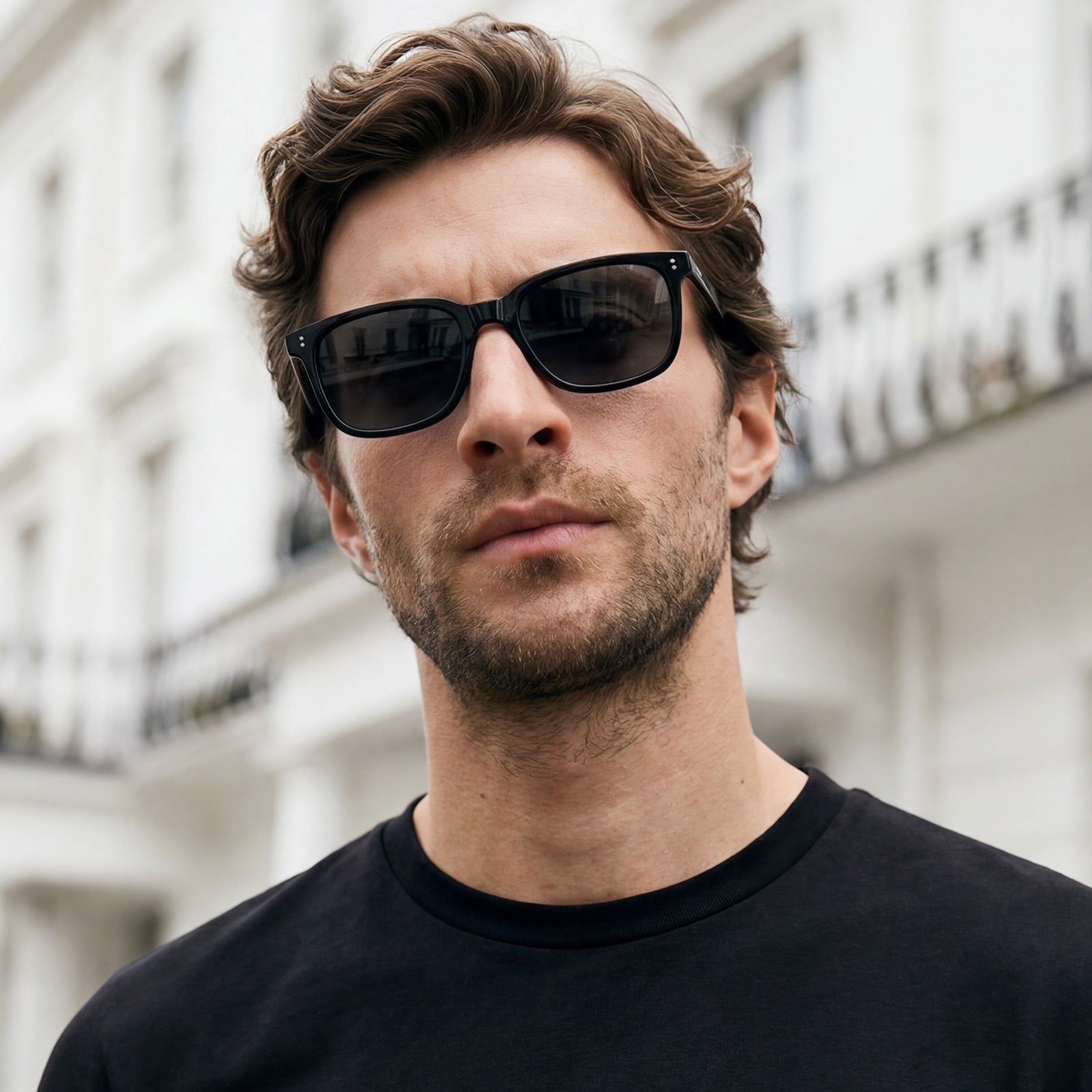
The widest front of the five at 147 mm, with a 53 mm lens and a 49 mm lens height — the tallest lens here, which is what you want on water, because coverage below the eye is what stops reflection coming up off the surface. TAC polarized lens, specified to cut 99% of visible glare from water, snow, sand and pavement. It also ships with a polarization testing card, so you can verify the filter yourself on day one.
Polarized · Frame width 147 mm · Lens 53 mm · Bridge 19 mm

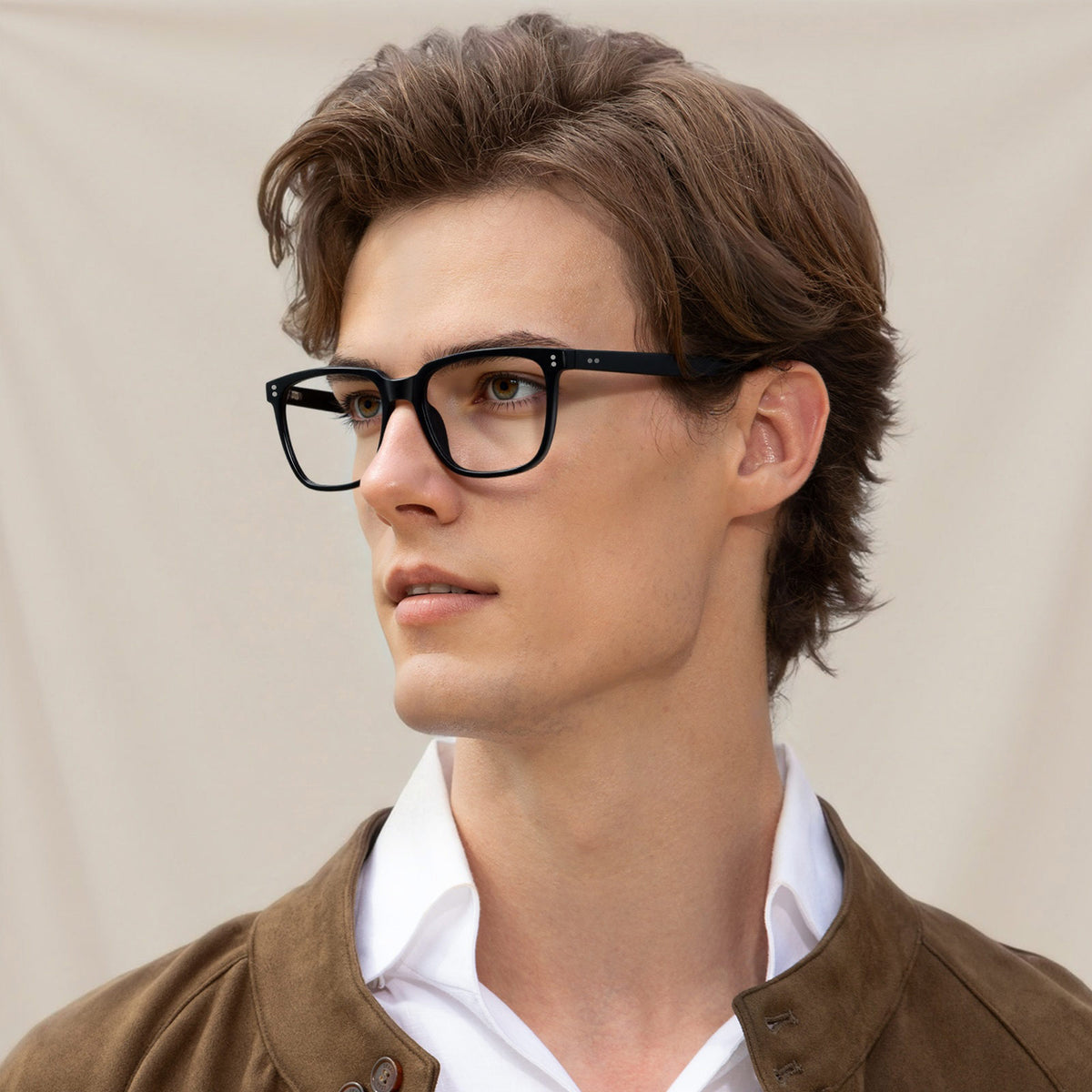
A 54 mm lens on a 142 mm acetate front, tagged for fishing and golf. Green lens, which holds colour balance when you are looking from bright water into shaded bank. The wider lens matters here: it keeps the reflected band off your lower field of view when you are standing rather than sitting.
Polarized · Frame width 142 mm · Lens 54 mm · Bridge 18 mm

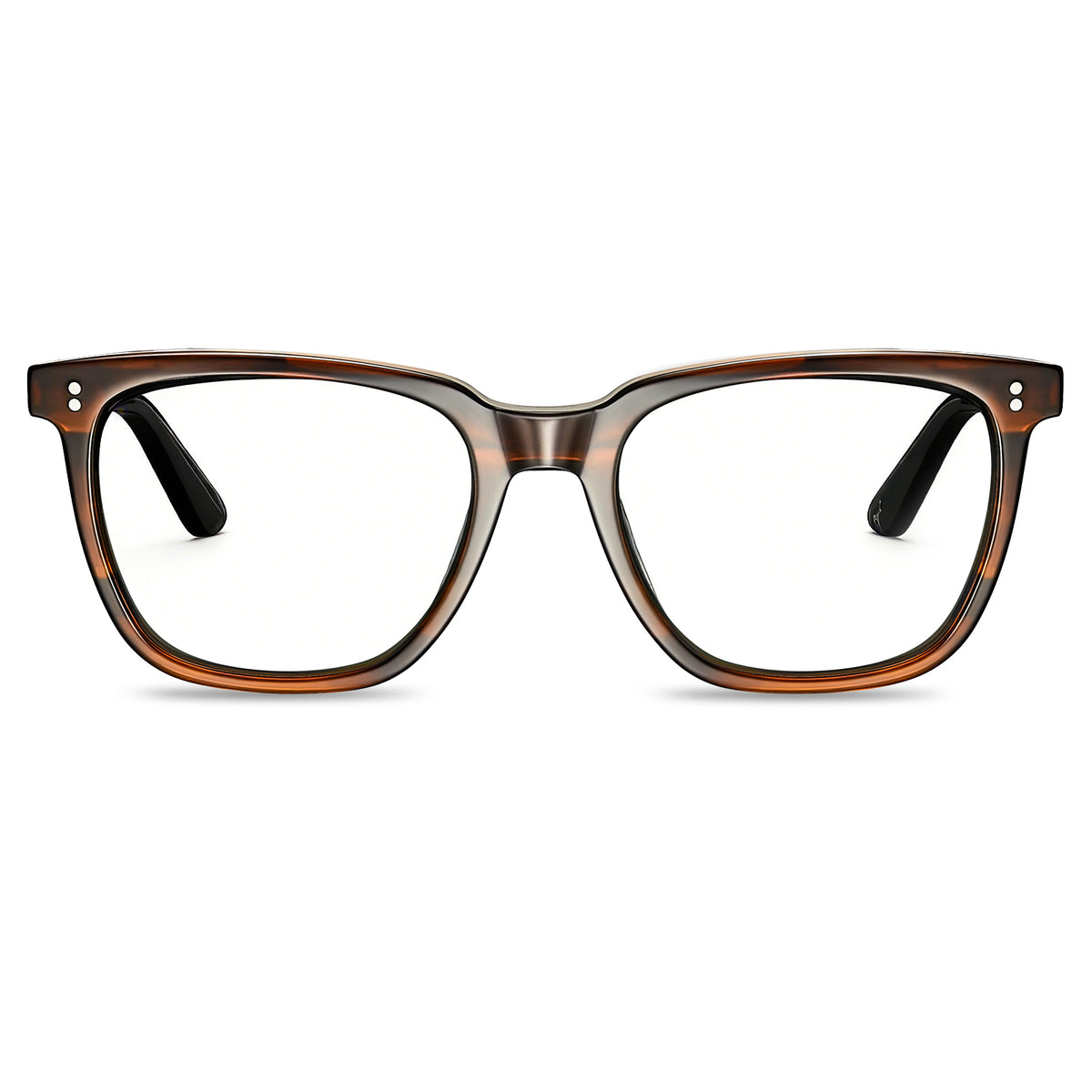
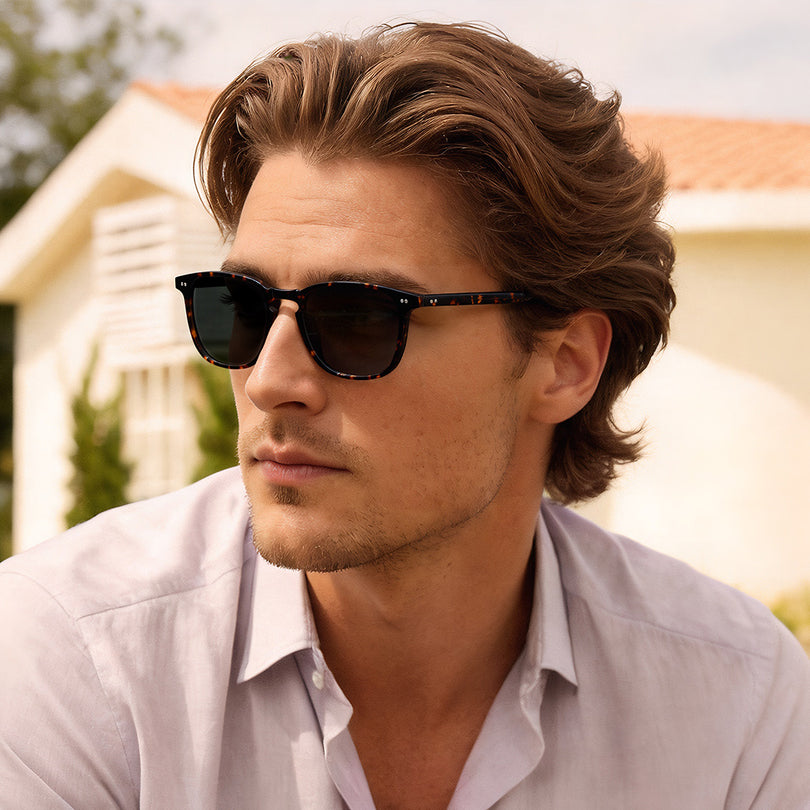
Grey lens, 50 mm, 142 mm front, full-rim acetate. Grey is the choice for open water under a high sun, because it lowers brightness without pushing colour anywhere — useful when you are judging distance across a bay or a fairway.
Polarized · Frame width 142 mm · Lens 50 mm · Bridge 21 mm

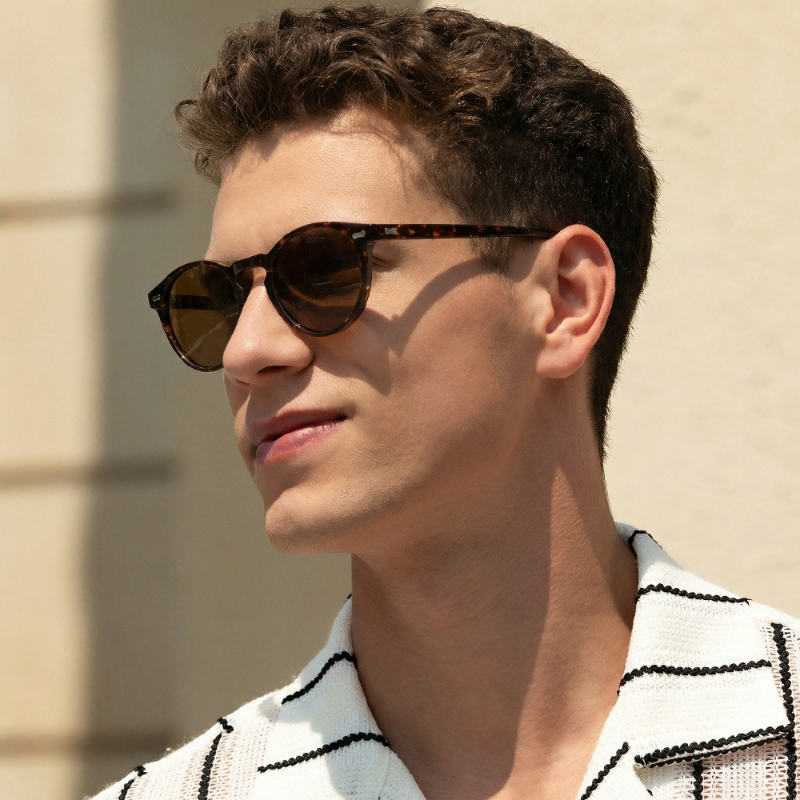
The round frame in the group, 48 mm lens on a 138 mm front. Smaller lens, less coverage, more air — this is the pair people reach for on a hike or a warm-weather city day rather than a full day on the water. Green lens again, which keeps green foliage and blue water both looking like themselves.
Polarized · Frame width 138 mm · Lens 48 mm · Bridge 22 mm

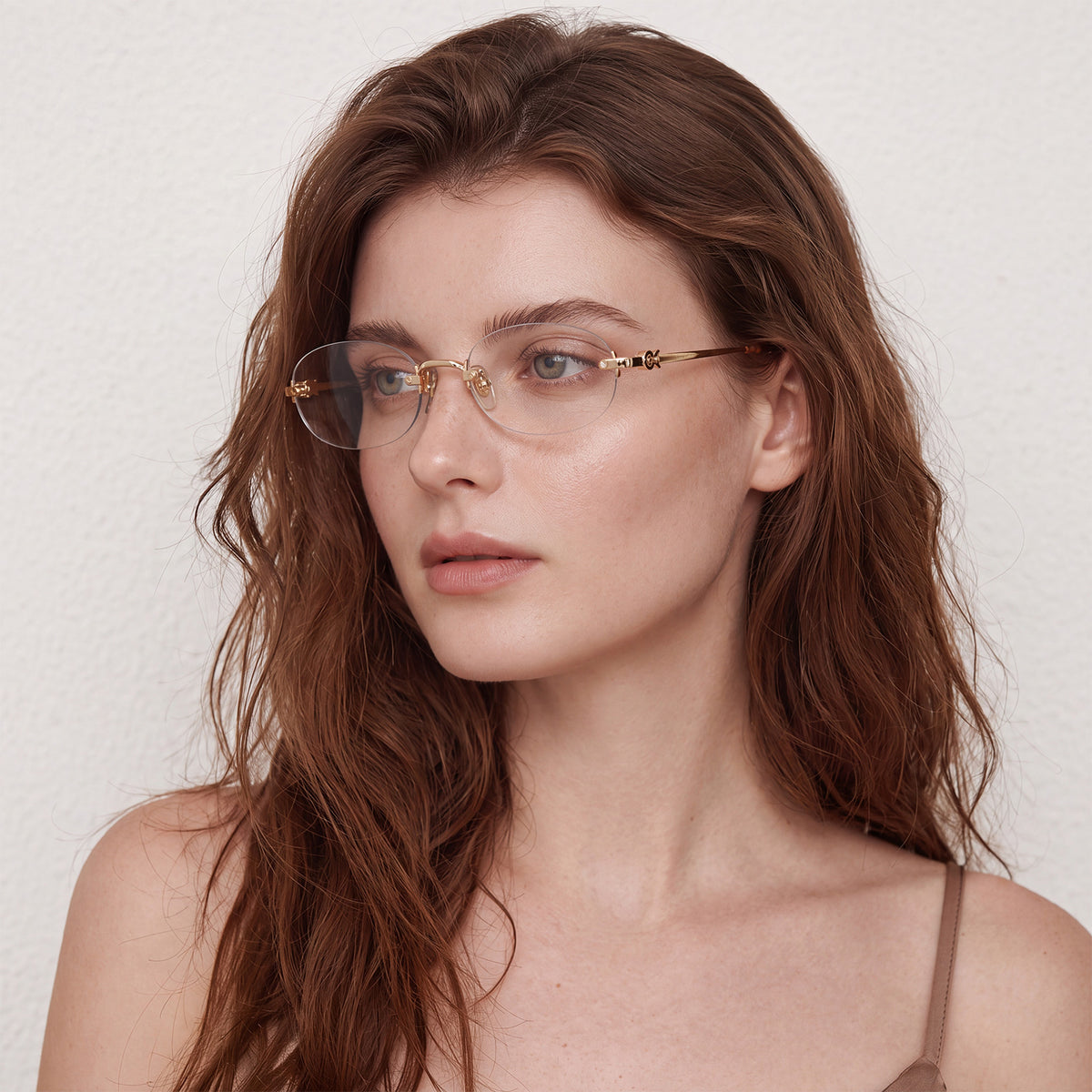
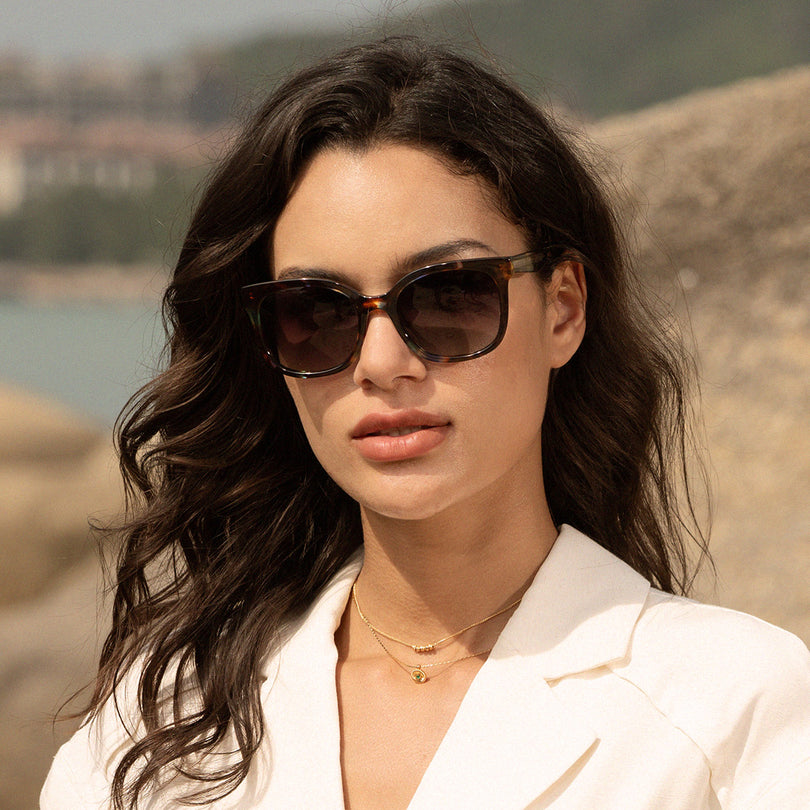
A compact women's frame with a 46 mm lens and a 23 mm bridge, which is the widest bridge here and suits a higher nose bridge. Amber lens, which is the single most useful colour in hazy coastal light: it lifts contrast in the flat hours either side of noon without making the scene look yellow.
Polarized · Lens 46 mm · Bridge 23 mm
Fit matters more outdoors than indoors
On a boat or a trail, a frame that fits perfectly in a shop can become a nuisance within twenty minutes. Two things cause it: a front that is too wide for the head, and a bridge that does not match the nose. A wide front sits on the temples rather than the nose, so any downward glance — tying a knot, reading a chart, looking at a fish — sends it forward.
Measured frame width is the number to compare. If your current pair measures 142 mm and stays put, stay near 142 mm; the Peoria at 147 mm is a genuinely wider head, not an upgrade. The frame measurement guide explains how to take the three numbers yourself, and the face shape guide covers which shapes balance which face — worth reading before you assume round frames only suit round faces.
Frequently asked
Are polarized sunglasses worth it for fishing?
This is the use case where the difference is largest and easiest to demonstrate. On still or lightly rippled water, a polarized lens makes the surface semi-transparent, which is why almost every serious angler wears one. The gain is not comfort, it is information.
Can I wear polarized sunglasses on snow?
Yes, and for most resort skiers and snowboarders they are the better choice, provided the lens is UV400. Be aware that some instructors prefer non-polarized lenses for reading icy patches at speed, because the filter can flatten that contrast.
Do polarized lenses work on cloudy days?
Partly. There is less direct sun but just as much horizontally reflected light off water and wet ground, and on overcast days that reflection is often the brightest thing in the scene. This is where an amber or green lens does more work than a very dark grey one.
Will they help with glare off a car bonnet or a boat deck?
Off painted surfaces and gelcoat, yes. Off polished chrome, stainless and mirrors, much less, because metal reflects without polarizing the light. Expect a clear improvement on the water and almost none on a chrome rail.
Should I get prescription polarized lenses for outdoor sports?
If you need correction to see distance, yes — a clip-on or an over-frame is a compromise in wind and spray. The prescription polarized guide covers how the lens is specified and what to send with your order.
The short version
Water, sand and snow all reflect light in the same plane, and a polarized lens is built to remove exactly that plane. It does not make the scene darker — it makes it readable. Pair it with a UV400 specification, pick the lens colour for your light, and choose the frame width for your head rather than the one in the photo.
The full range is in polarized sunglasses. If you already know you want a round or oval shape, round sunglasses narrows it down, and sunglasses for women covers the compact fits including the AvonPark above.