










Why Do Progressive Lenses Cost So Much?
Progressive eyeglass lenses typically cost between $150 and $500+ — and premium options can exceed that. If you've ever wondered why progressive lenses are so expensive compared to single-vision lenses, you're not alone. The price reflects a combination of advanced optics, materials, coatings, and where you buy them.
Here's a complete breakdown of every factor that drives up the cost of progressive lenses — and how to get the best value.
2. Lens Material
The type of lens material has a major impact on price. High-index lenses (1.67 or 1.74 index) are thinner, lighter, and more flattering for strong prescriptions — but they cost significantly more than standard plastic (CR-39) lenses. If you have a high prescription, high-index progressive lenses are often worth the investment for comfort and aesthetics.
3. Lens Coatings
Most quality progressive lenses come with optional or bundled coatings that add to the final price:
- Anti-reflective (AR) coating — reduces glare from screens and headlights
- Scratch-resistant coating — extends lens lifespan
- Blue light blocking coating — reduces digital eye strain
- UV protection — shields eyes from harmful ultraviolet rays
- Photochromic (Transitions) coating — lenses that darken in sunlight
4. Brand and Lens Design
Top progressive lens brands like Varilux, Zeiss, Hoya, and Essilor invest heavily in R&D to create wider fields of vision and smoother transitions between zones. Their lenses reduce the swim effect common in cheaper progressives. You pay a premium for that engineering — but the visual comfort difference is real.
5. Prescription Complexity
The more complex your prescription — especially if you have high astigmatism or a strong add power — the more customization required. Freeform digital progressive lenses are computer-optimized for your exact prescription and frame measurements, offering superior clarity but at a higher price point.
6. Where You Buy Progressive Lenses
Retail optical chains and boutique eyewear stores often mark up lenses significantly. Online eyewear retailers like Carfia offer the same quality progressive lenses at a fraction of the in-store price — without sacrificing optical precision or style.
7. Vision Insurance Coverage
If you have vision insurance (VSP, EyeMed, Spectera, etc.), it may cover a portion of your progressive lens cost. Always check your benefits before purchasing — many plans cover $150–$200 toward lenses annually.
How to Save on Progressive Lenses Without Compromising Quality
- Shop online — online retailers have significantly lower overhead than brick-and-mortar stores
- Compare package deals that bundle frames and lenses together
- Look for seasonal promotions and first-order discounts
- Use your vision insurance benefits
- Consider mid-index (1.60) lenses if your prescription allows — a good balance of thinness and cost
Are Expensive Progressive Lenses Worth It?
For most wearers, yes — especially if you spend long hours on screens or drive frequently. Premium progressive lenses offer a wider reading zone, less distortion, and better adaptation time. That said, mid-range progressives from reputable online retailers can deliver excellent performance at a much lower price.
Shop Progressive Lenses at Carfia
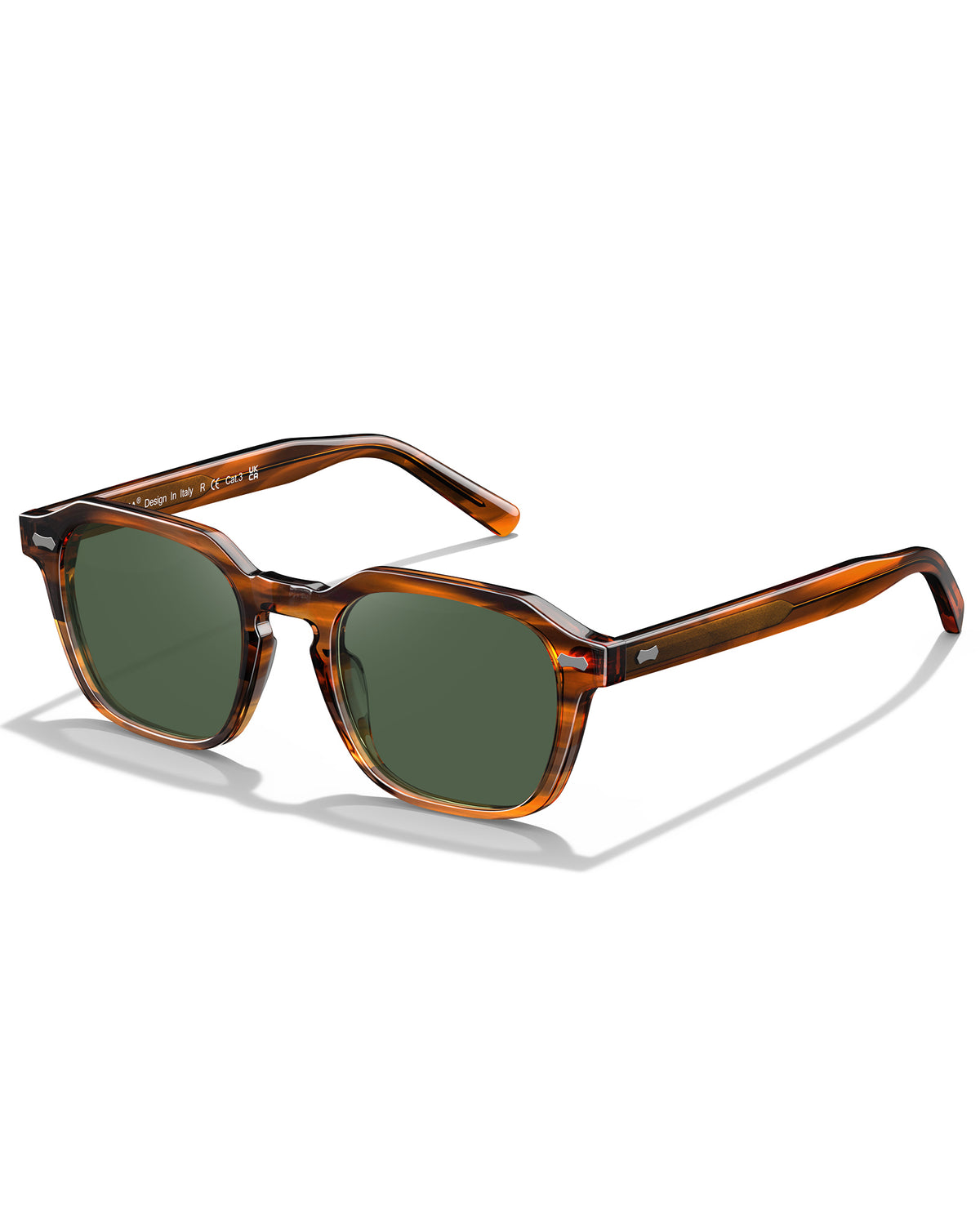
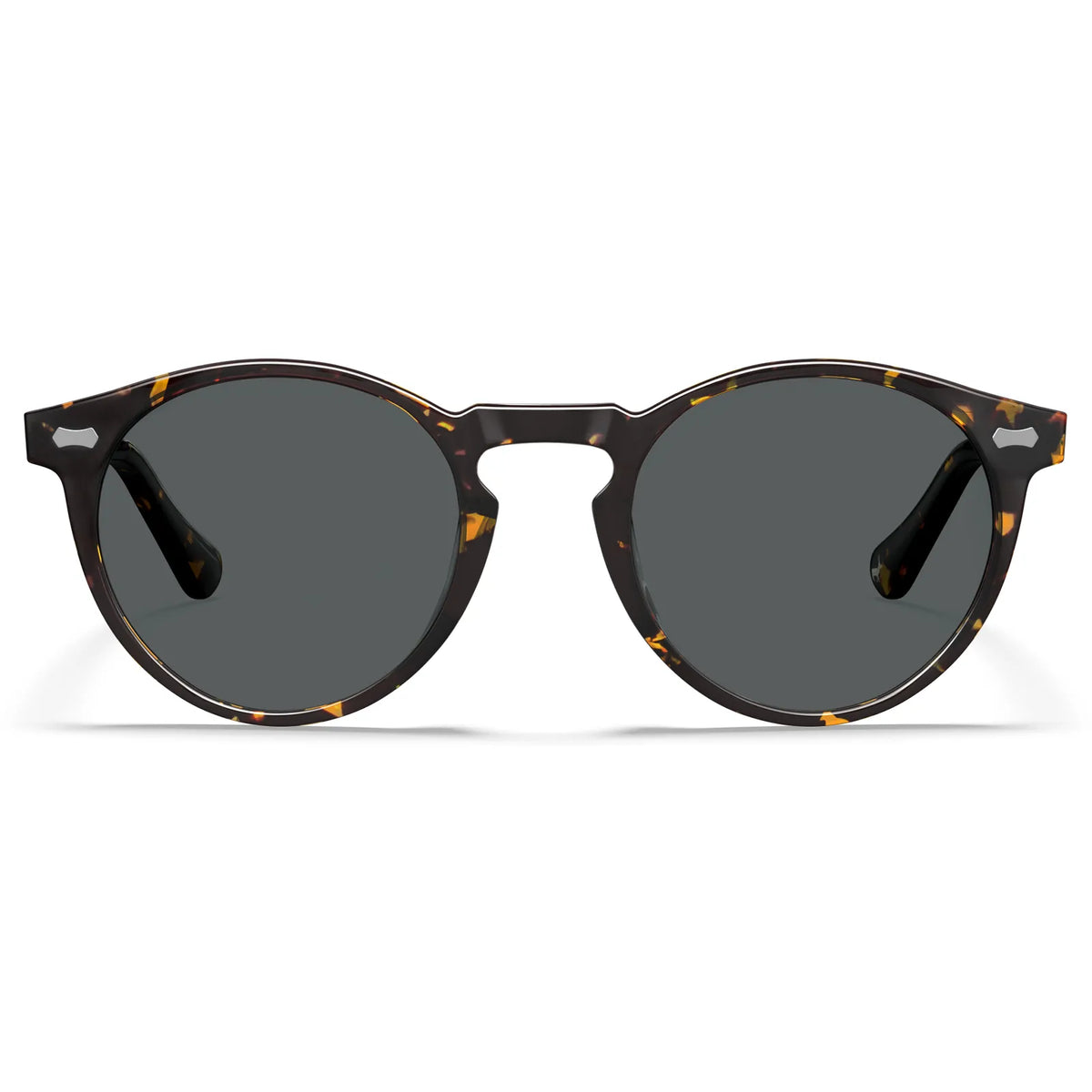
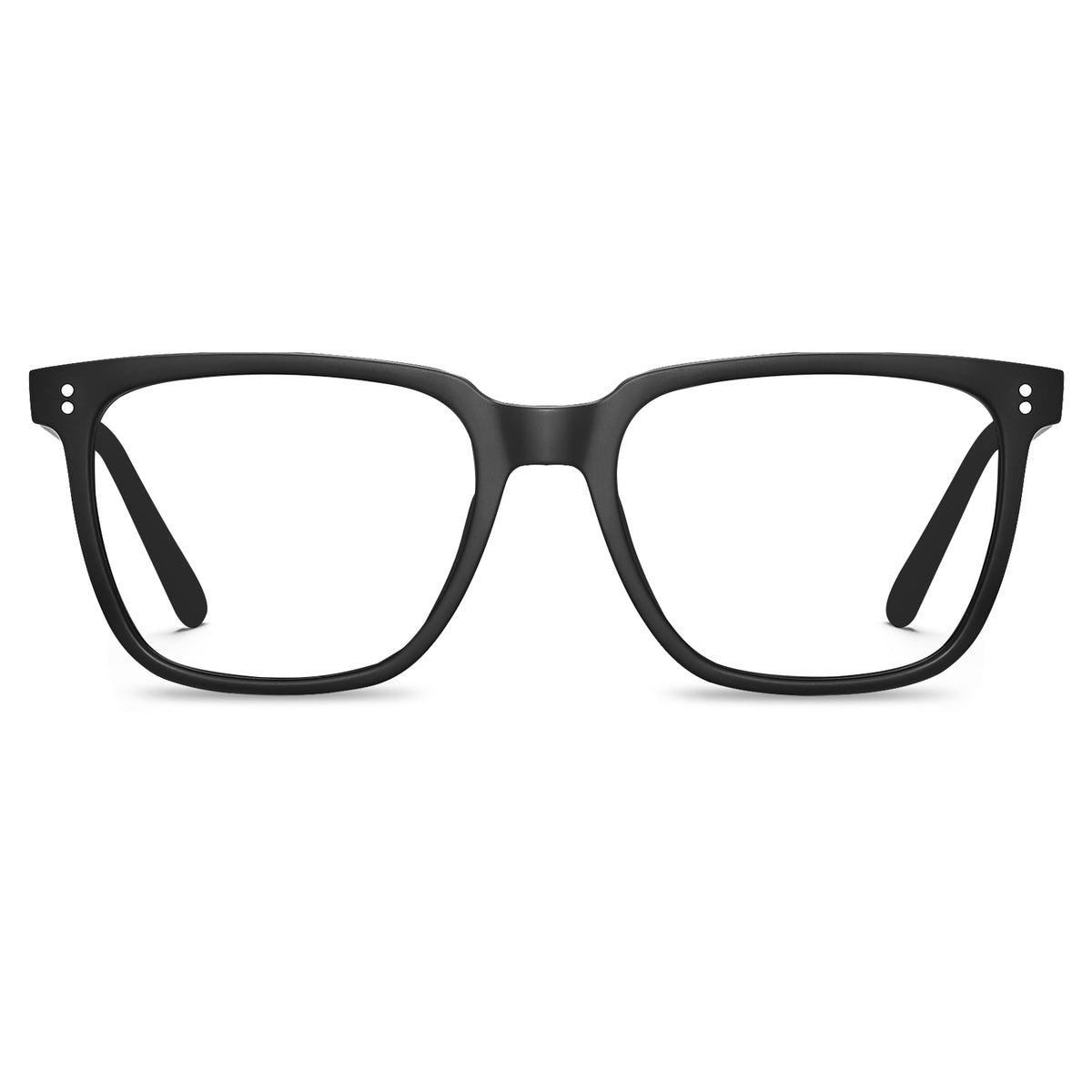
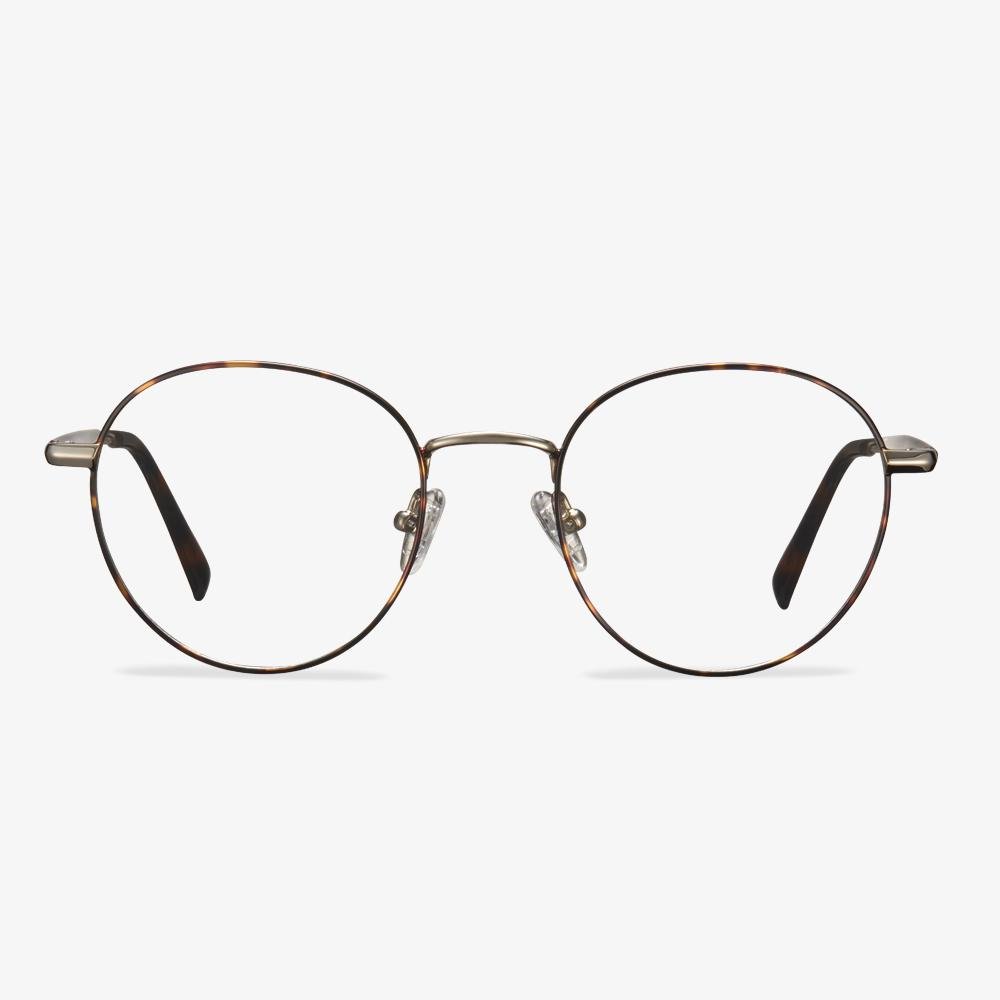
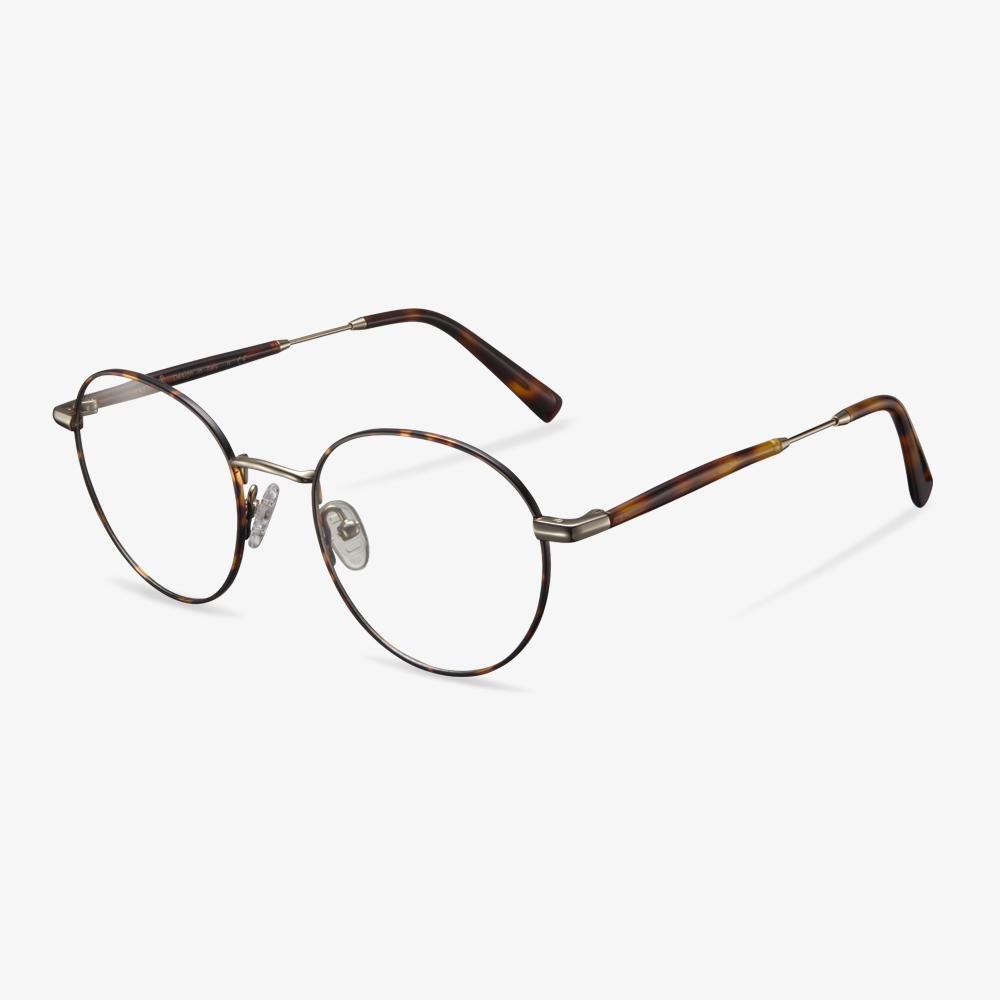
At Carfia.com, we offer a curated selection of premium eyeglass frames compatible with progressive lenses. Choose your frame, customize your lenses, and enjoy Italian-inspired design at accessible prices. Whether you need distance, reading, or progressive lenses, we make it easy to combine style and vision correction seamlessly.