










New prescription glasses should feel clear, comfortable, and secure, but a quick check at home can help you catch fit or lens problems before they become a daily annoyance. This guide walks through a practical, non-diagnostic check for your new pair, from the prescription details to the frame fit and your first few days of wear.
Important: This guide is for checking your order and comfort, not for diagnosing an eye condition or replacing an eye-care professional. If you have eye pain, sudden vision changes, double vision, flashes, or a new blind spot, seek professional care promptly.
What to check before you wear your new glasses
Keep three things together: your glasses, the prescription or order confirmation, and a clean microfiber cloth. Good lighting helps you inspect the lenses, while a familiar room gives you a useful baseline for visual comfort.
1. Compare the glasses with your prescription
Start with the information on your prescription or order confirmation. Depending on your prescription, you may see sphere (SPH), cylinder (CYL), axis, add power, prism, and pupillary distance (PD). Compare the right-eye and left-eye values with the order details instead of guessing what the numbers should be.
Prescription notation can look different between providers and optical retailers, so do not try to “correct” a number yourself. If a value appears inconsistent, contact the optician who made the lenses and ask them to verify the order. For a refresher on common vision-correction terms, see Carfia’s guide to distance vs. reading glasses.
2. Inspect the lenses under bright, indirect light
Hold the glasses by the frame and look across each lens from several angles. Check for scratches, chips, bubbles, cloudy patches, edge damage, or coating marks. A few specks of dust are not a defect, so clean the lenses gently with lens-safe spray and a microfiber cloth before deciding something is wrong.
Never use a shirt, paper towel, household glass cleaner, or hot water on the lenses. Those habits can create fine scratches or damage coatings over time. Carfia’s guide on preventing glasses damage covers the everyday habits that help keep lenses and frames in better shape.
3. Check the frame fit in a mirror
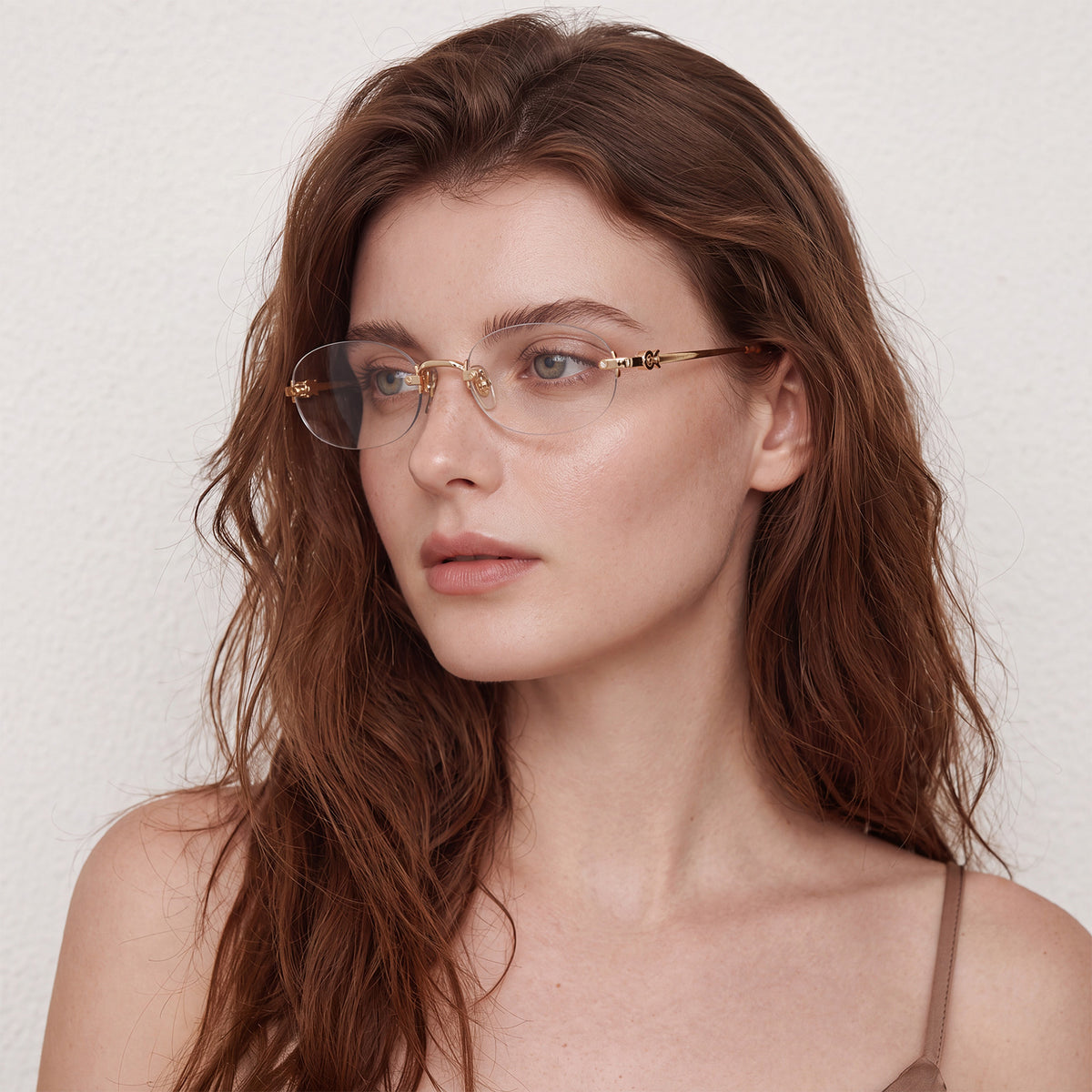
Put the glasses on normally and look straight ahead. The bridge should sit securely without pinching, the temples should rest comfortably without squeezing, and the frame should not slide when you gently turn your head. Your eyes should look reasonably centered in the lens openings, and the frame should not tilt noticeably to one side.
A frame can be attractive and still be the wrong width or height for your face. If you are shopping for a smaller fit, Carfia’s small-face eyewear guide explains what to look for beyond the label.
4. Test vision at the distances you actually use
In a safe, familiar setting, check a few everyday tasks: reading a road-sign-sized object from a normal indoor distance, looking across a room, reading a book or phone, and viewing a computer screen. The goal is not to prove that your eyes are perfect. You are checking whether the lenses match the intended use and whether one eye seems consistently different from the other.
For progressive lenses, move your head and eyes naturally rather than trying to use one tiny point of the lens for every distance. Some adaptation is possible, especially with a new lens design, but persistent blur, dizziness, headaches, or difficulty walking should be discussed with your optician. If you are considering multifocal options, browse progressive prescription sunglasses for outdoor use.
5. Check glare and outdoor comfort
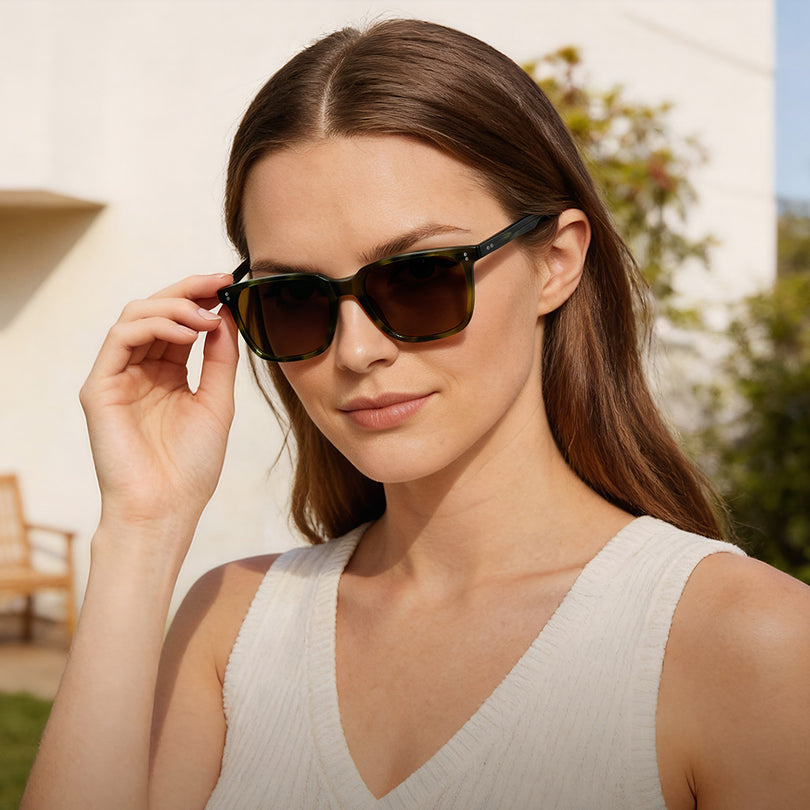
If your pair is made for outdoor wear, test it outside without staring directly at the sun. Notice whether glare is reduced and whether the tint feels even across both lenses. Polarization can reduce reflected glare, but it does not make it safe to look at the sun or replace good eye protection.
The U.S. Food and Drug Administration explains why sunglasses matter for protecting your eyes from ultraviolet exposure. Read the FDA’s guidance on sunglasses and your eyes, then explore Carfia’s polarized prescription sunglasses if reflected glare is part of your everyday routine.
6. Give the frame a gentle stability check
Set the glasses on a flat surface with the temples open. They should not rock dramatically, and the front should not look visibly twisted. With the glasses on, gently press the bridge and temples just enough to notice whether the frame feels secure. Do not bend the frame yourself. Optical professionals have the tools and heat controls needed for safe adjustments.
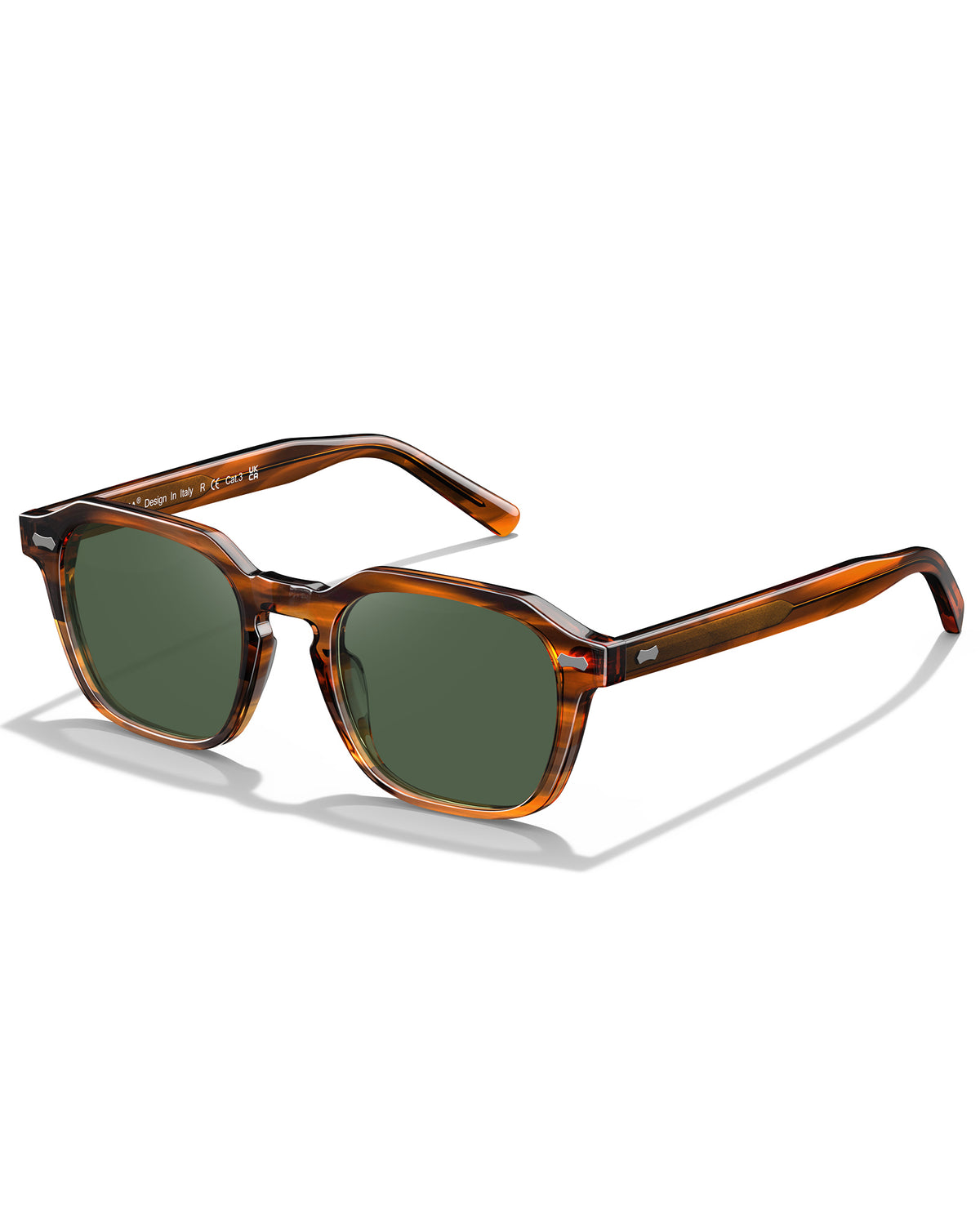
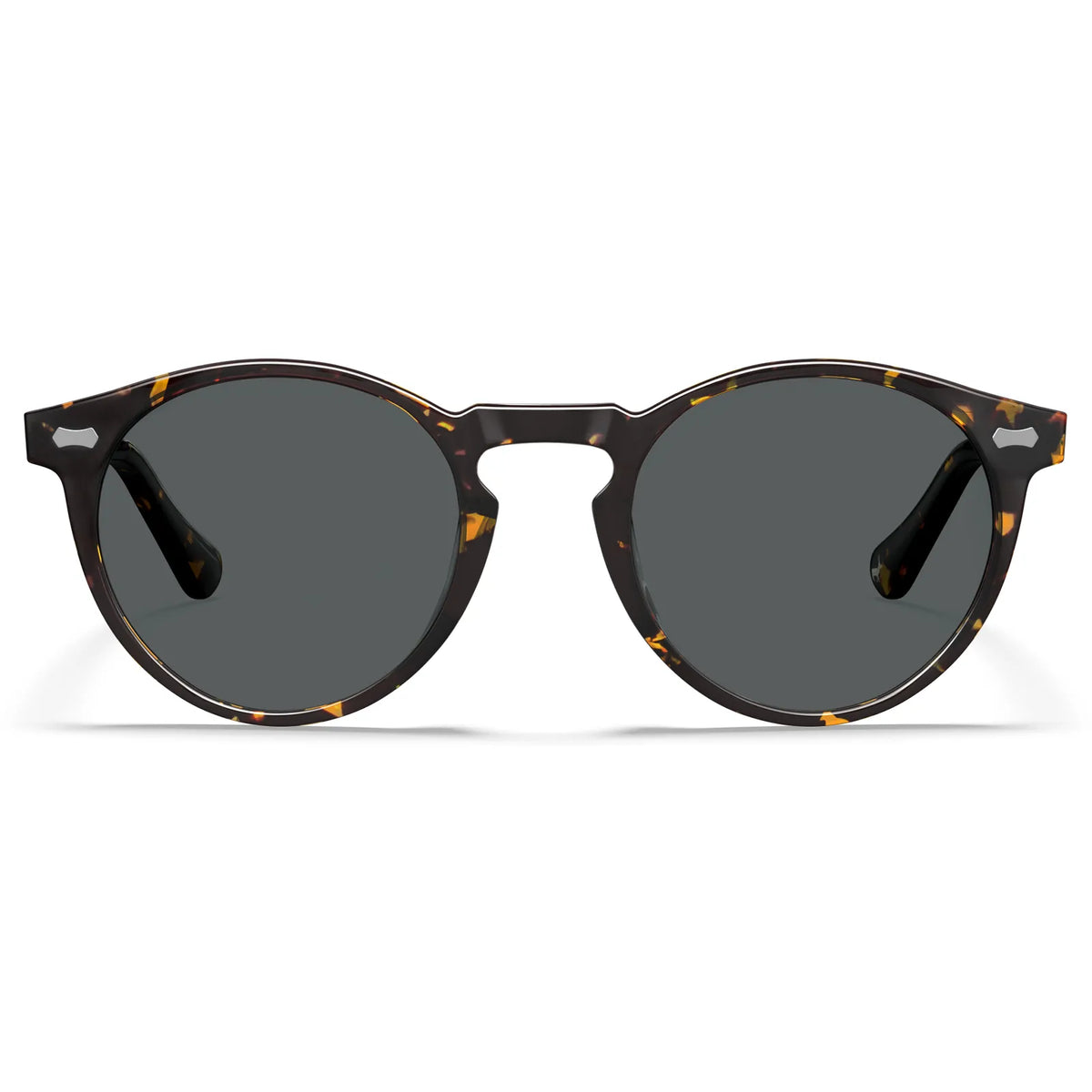
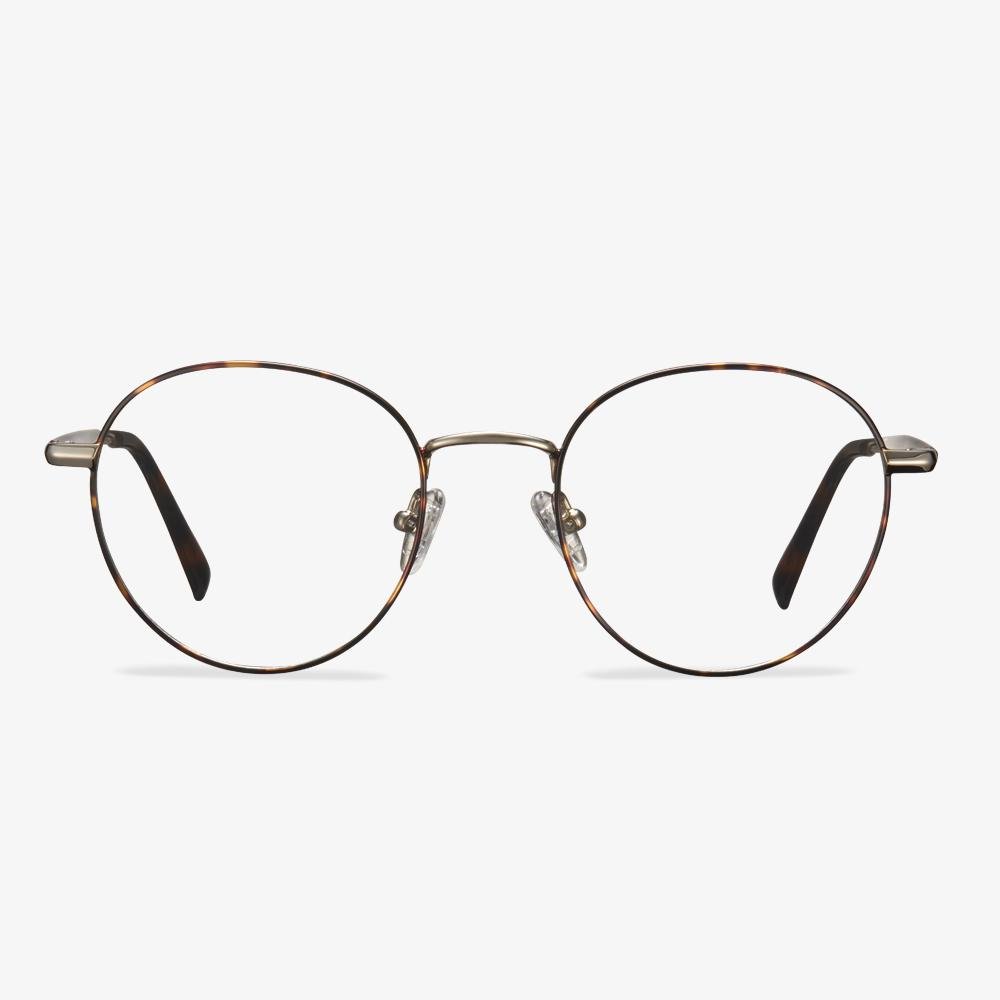
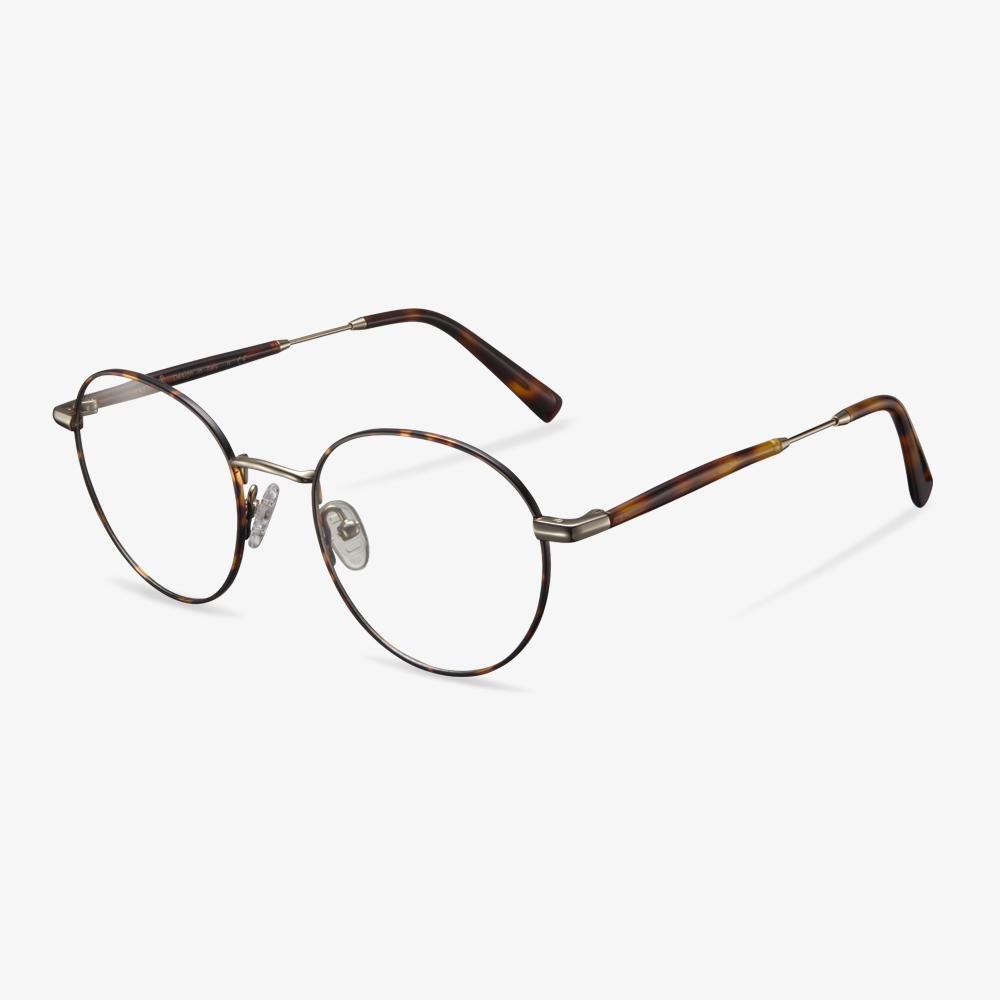
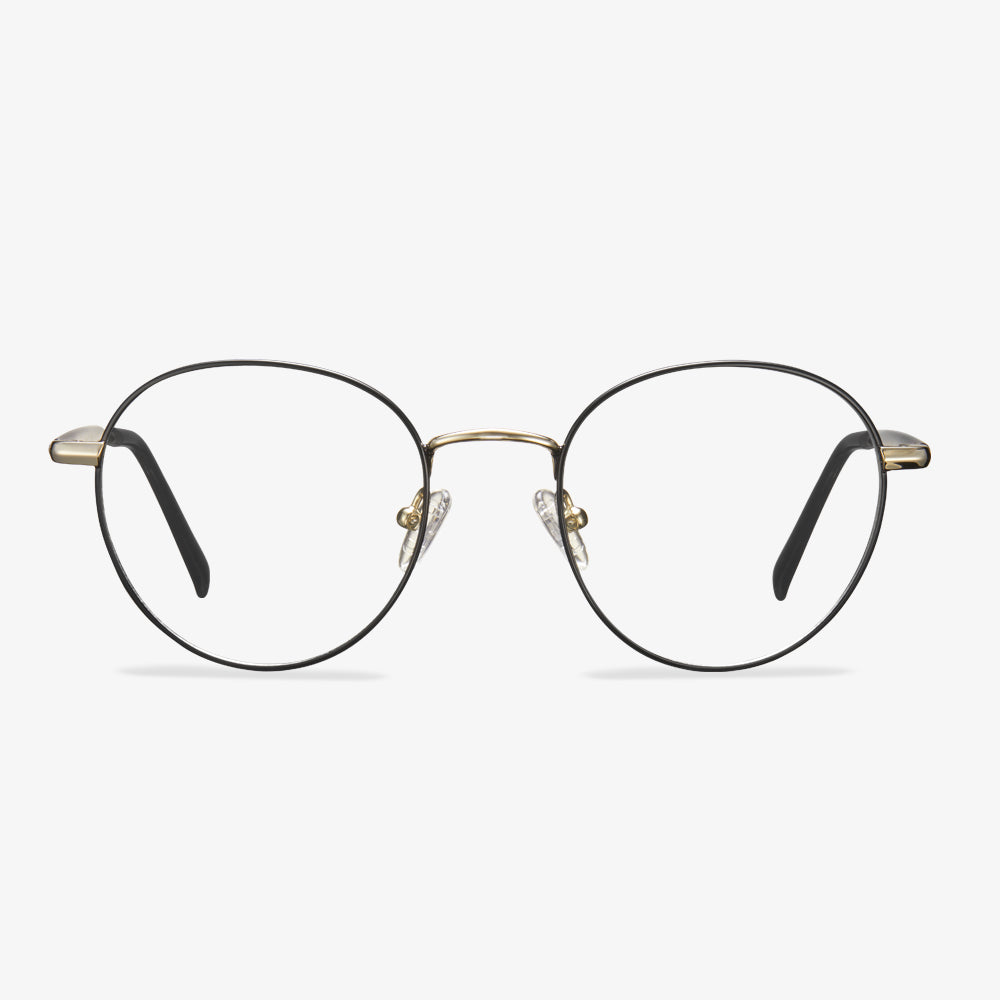
For a classic everyday look, these new prescription styles are worth checking against your fit preferences:


7. Wear them in short, normal sessions first
For the first day, use your new glasses during ordinary activities and take notes on what feels unusual. A new frame may feel different on your nose or behind your ears, and a new lens design can take a little getting used to. Comfort should trend in the right direction, not steadily get worse.
If the glasses remain blurry, cause repeated headaches, make you feel unsteady, or seem to have a clearly different prescription between the two eyes, stop guessing and contact the dispensing optician. The National Eye Institute’s overview of refractive errors is a useful medical reference, but only an eye-care professional can evaluate your individual vision needs.
Three new prescription styles to compare
Once the basics check out, style and daily use can guide your next pair. Always confirm that your prescription type and PD are supported before ordering, and use the product page for the current lens options.


When should you contact your optician?
- The prescription details do not match your order or the information supplied by your provider.
- A lens has a visible chip, deep scratch, bubble, or uneven coating after cleaning.
- The frame sits crooked, slips constantly, or pinches even after a professional adjustment.
- Blur, eye strain, dizziness, double vision, or headaches persist instead of improving.
- You experience pain, sudden vision loss, flashes, or a new blind spot, which needs prompt medical attention.
Where to find your next pair
For everyday prescription eyewear, browse Carfia’s premium prescription eyeglasses. For a more budget-focused starting point, see the value prescription eyeglasses collection. If you need sun protection with prescription correction, explore women’s prescription sunglasses or the broader progressive prescription sunglasses selection.
Medical references
This article is an eyewear-shopping and comfort checklist, not medical advice. For trusted background information, consult the American Academy of Ophthalmology’s overview of eye exams, the National Eye Institute’s information on refractive errors, the FDA’s guidance on sunglasses and eye protection, and the American Optometric Association’s overview of refractive errors.
Quick checklist
Before you keep your new glasses, compare the prescription details, clean and inspect both lenses, check the frame’s alignment and pressure points, test the distances you use most, and contact your optician if discomfort or blur persists. Clear vision is the goal; style comes right after.