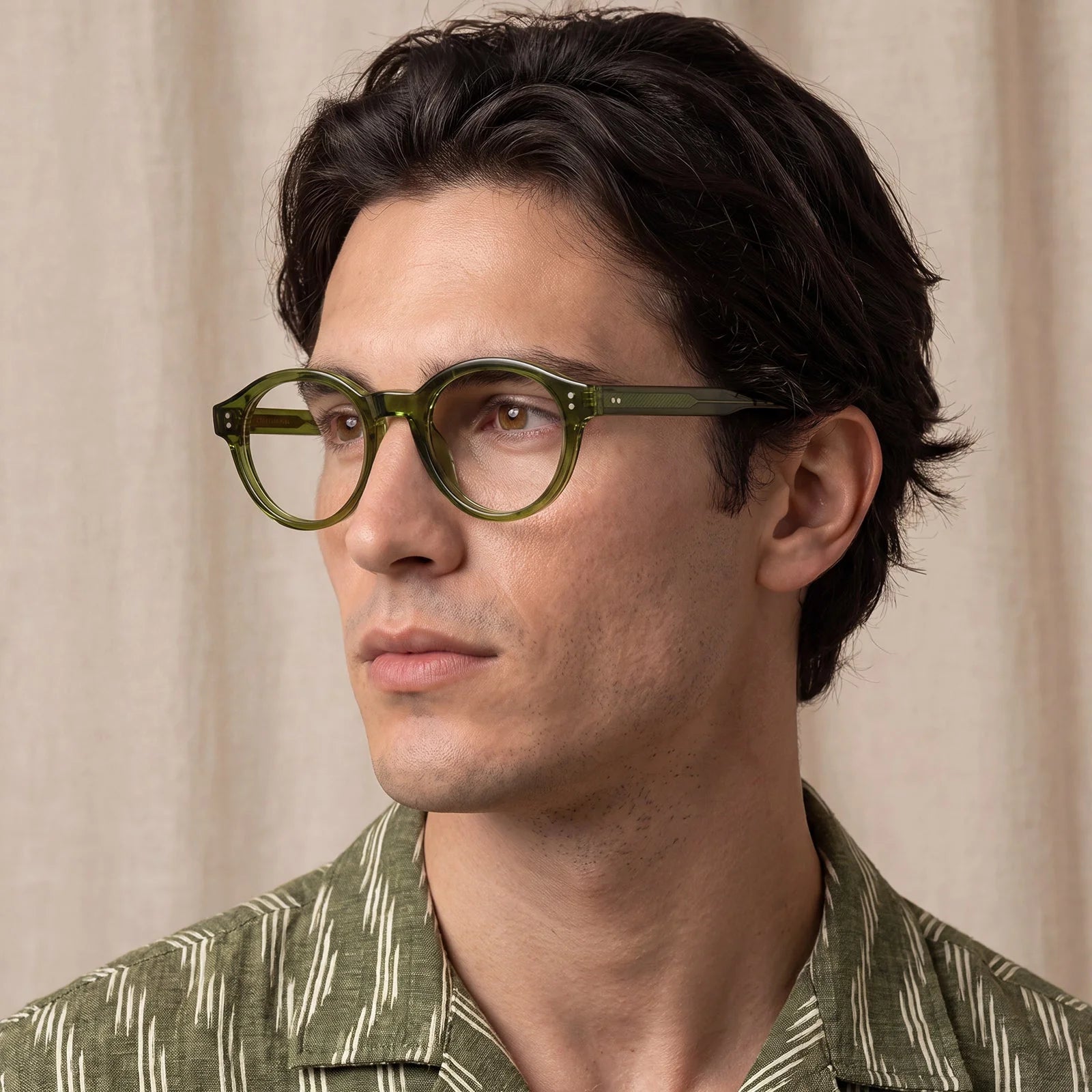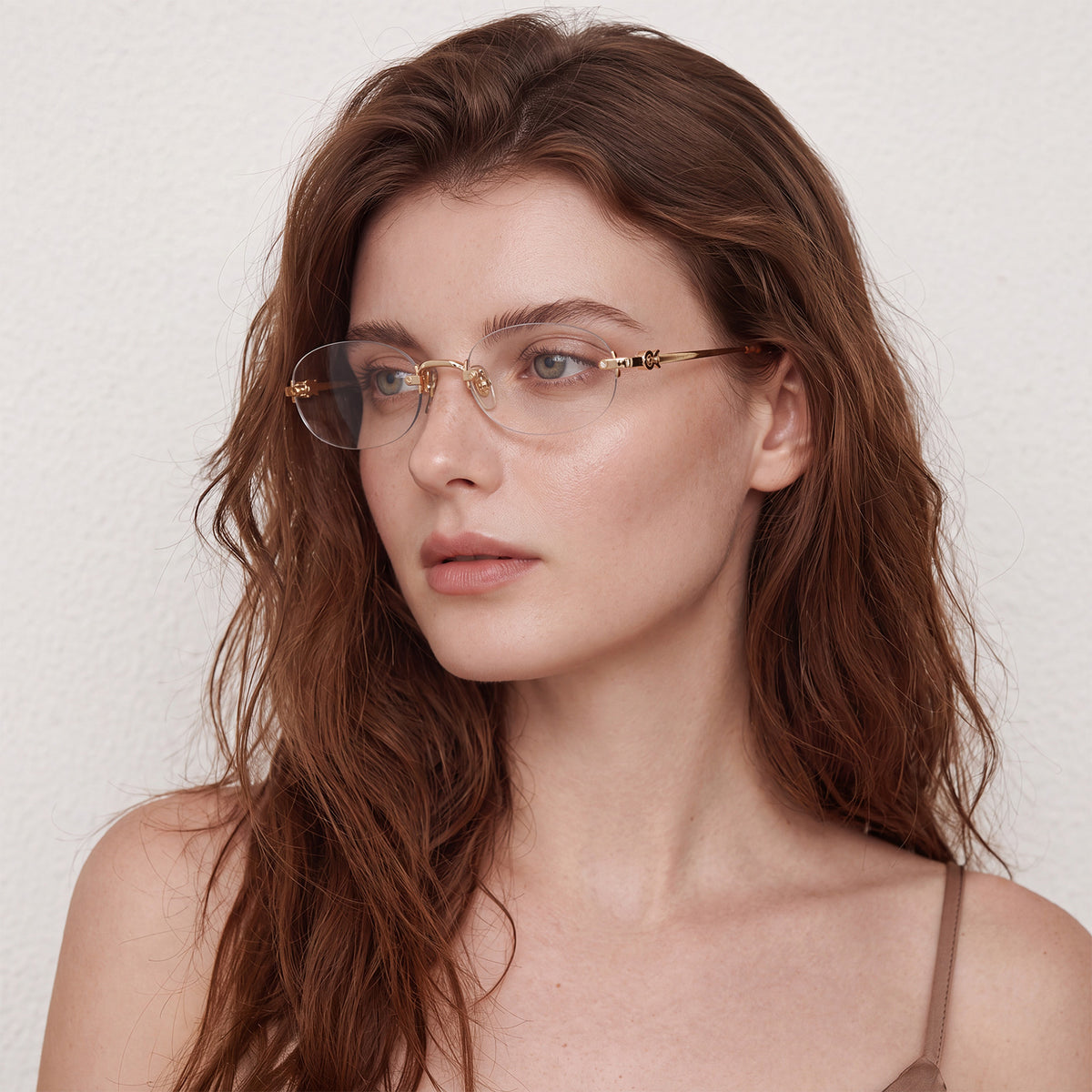






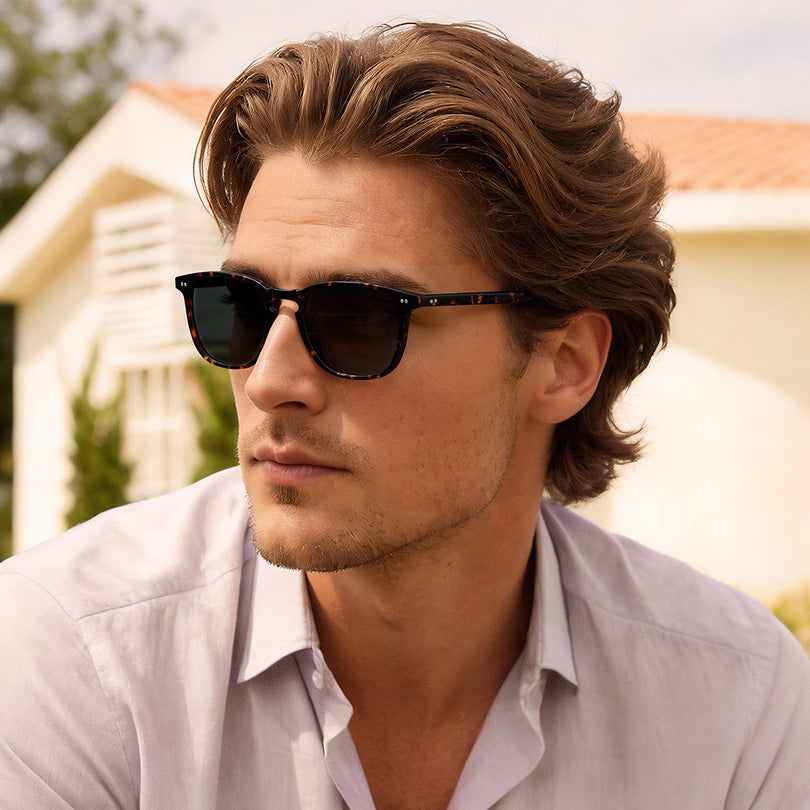
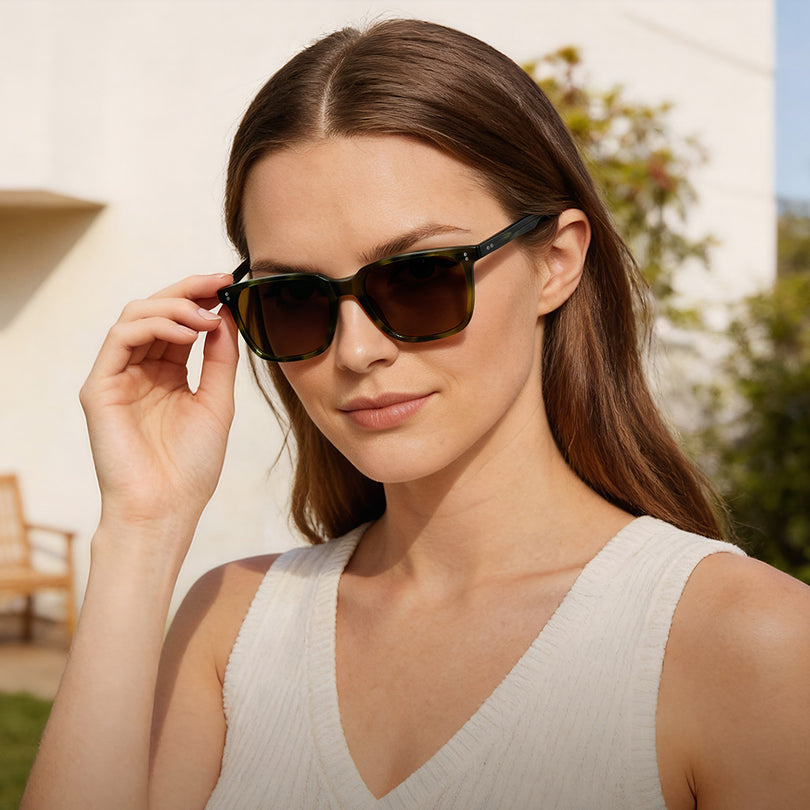



Vision correction, UV protection, and a frame that flatters — you can have all three. Here is how to match prescription sunglasses to your face shape, lens science that actually matters, and the fit numbers to check before you buy.
You only get one pair of eyes — and one face. So why settle for prescription sunglasses that look "fine" instead of made for you? The good news: choosing frames that balance your face shape is a simple, learnable rule. And unlike your everyday glasses, a pair of Rx shades has to do double duty — correct your vision and block the sun. This guide walks you through both sides: the styling that flatters your features, and the lens science that keeps your eyes safe.
Before we start, one reality check that matters: the American Optometric Association (AOA) found that 47% of consumers never check UV protection before buying sunglasses. Style should never come at the cost of safety — so every Carfia prescription sunglass we show you below comes with 100% UV (UV400) protection built in. If you are in a hurry, you can browse the full prescription sunglasses collection, or read on for the complete system.
Why Your Face Shape Matters (More Than You Think)
Face shape is not just a styling gimmick — there is an optical side to it. The AOA's Sunglasses Shopping Guide recommends that sunglass frames fit close to the eyes and contour to the shape of the face to prevent UV exposure from the sides and even from behind. A frame that matches your face geometry blocks more stray light — which is genuinely better for your eye health, not just your mirror selfie.
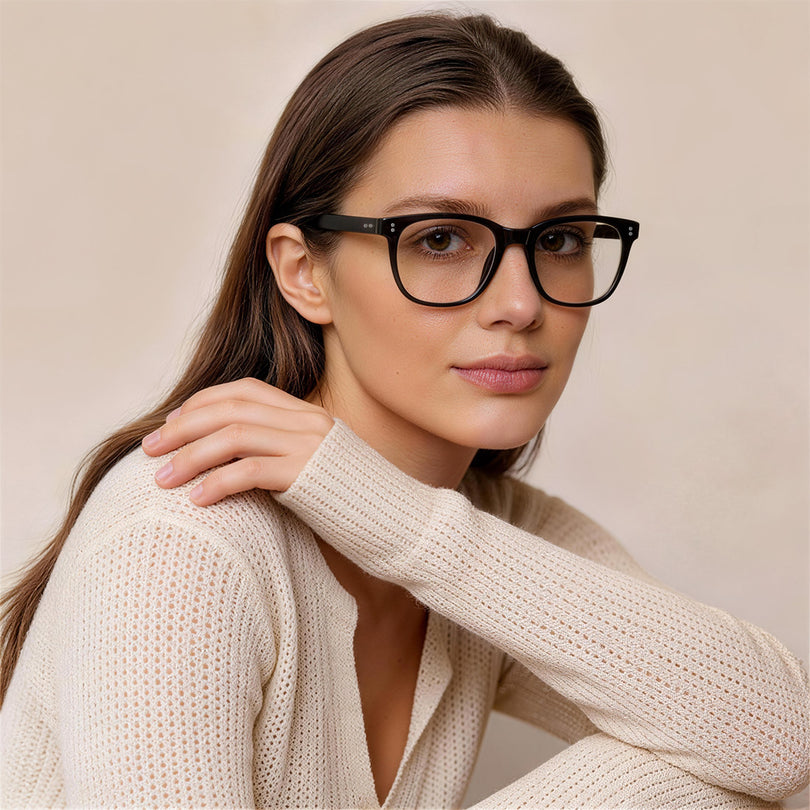
Stylistically, the golden rule is contrast: choose a frame shape that opposes your face's dominant lines. Round faces get definition from angular frames; square faces get softness from curves. Pull your hair back, grab a mirror, and find your match below.
How to Find Your Face Shape
Measure three landmarks in a mirror: (1) the widest part of your forehead, (2) the width of your cheekbones, and (3) the width of your jaw — plus note whether your face is longer than it is wide. That is enough to place you in one of the six categories below.

Oval Face THE MOST VERSATILE
An oval face is longer than it is wide, with the forehead and chin gently narrower than the cheekbones. Consider it the "goldilocks" shape: nearly every frame works. The one rule — go as wide as, or slightly wider than, the broadest part of your face.
| BEST FRAMES | AVOID |
|---|---|
| Square, geometric, Wayfarer, aviator, oversized rounds — almost anything. | Frames that are too narrow or too small, which can stretch the face visually. |
Because almost everything works, an oval face is the perfect excuse to pick prescription sunglasses by lens feature first — polarized, gradient, mirrored — then let the prescription sunglasses collection do the rest.
Round Face SOFT CURVES, EQUAL WIDTH & LENGTH
A round face has full cheeks, a rounded chin, and no sharp angles — the width and length are nearly equal. The goal is to add structure and length, so angular frames are your best friend.
| BEST FRAMES | AVOID |
|---|---|
| Rectangular, square, and geometric shapes; deeper or darker colors like black and tortoise add definition. | Small, round frames that echo the face's curves. |
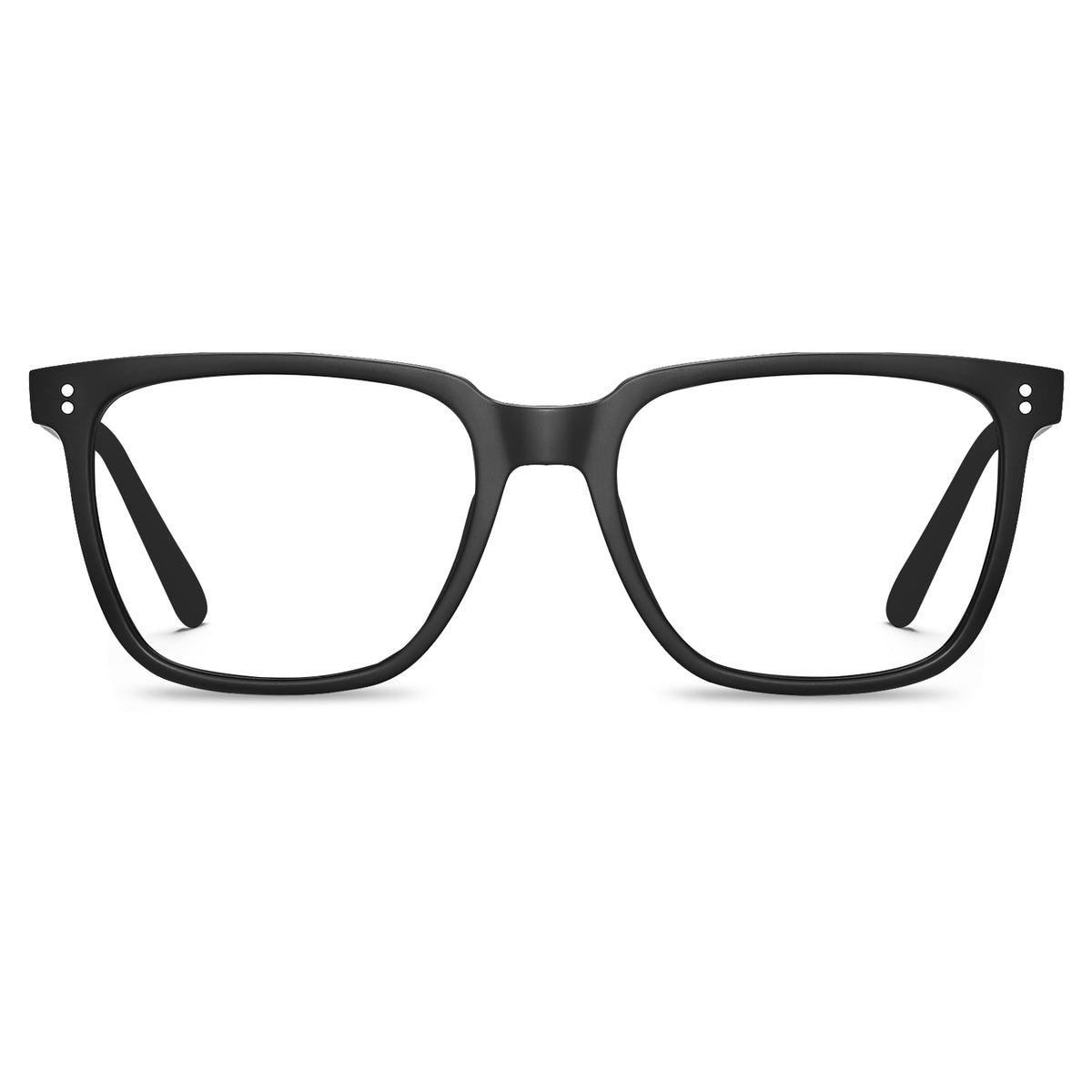
Carfia pick: the new Shelton-C06-RX — a sharp square silhouette in grey acetate that instantly lengthens a round face. $35.00.
Square Face STRONG JAW, BROAD FOREHEAD
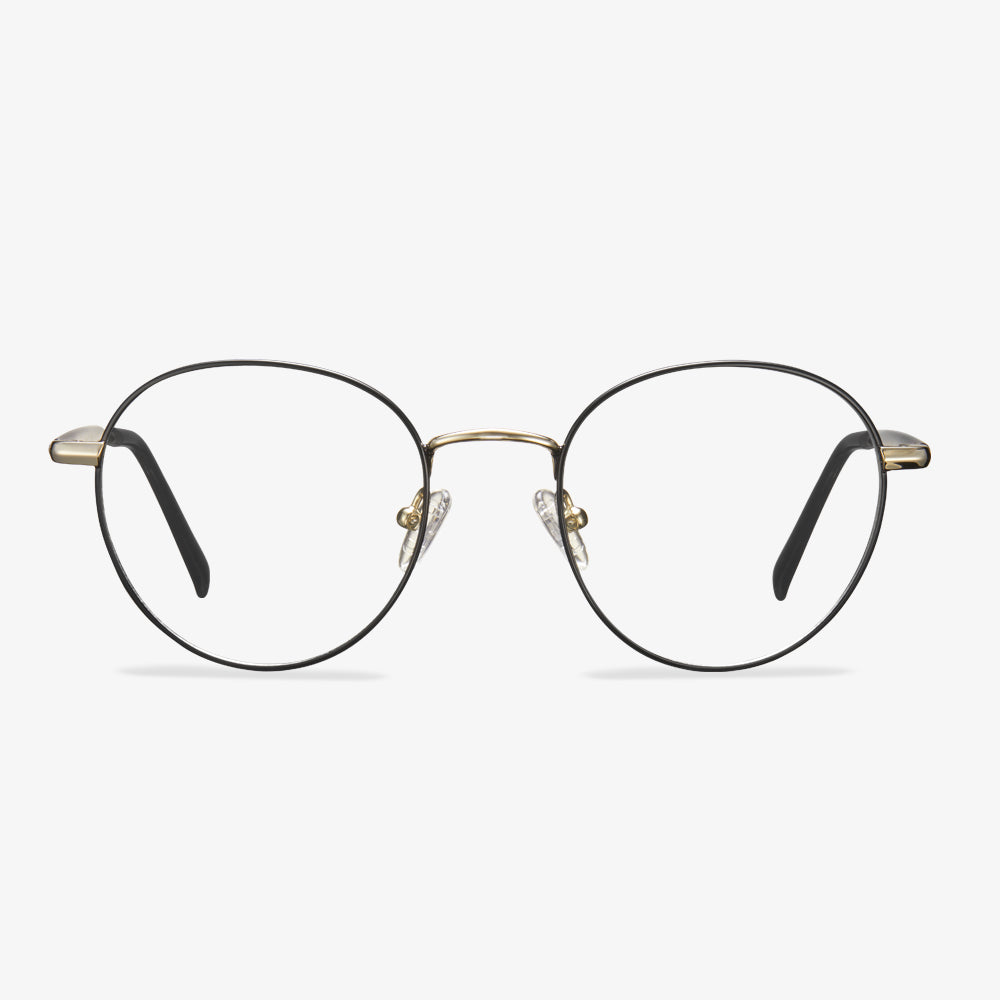
A square face has a defined jawline and a forehead roughly as wide as the jaw. Here the rule flips: soften those angles with curved, rounded frames that sit slightly above the cheekbones.
| BEST FRAMES | AVOID |
|---|---|
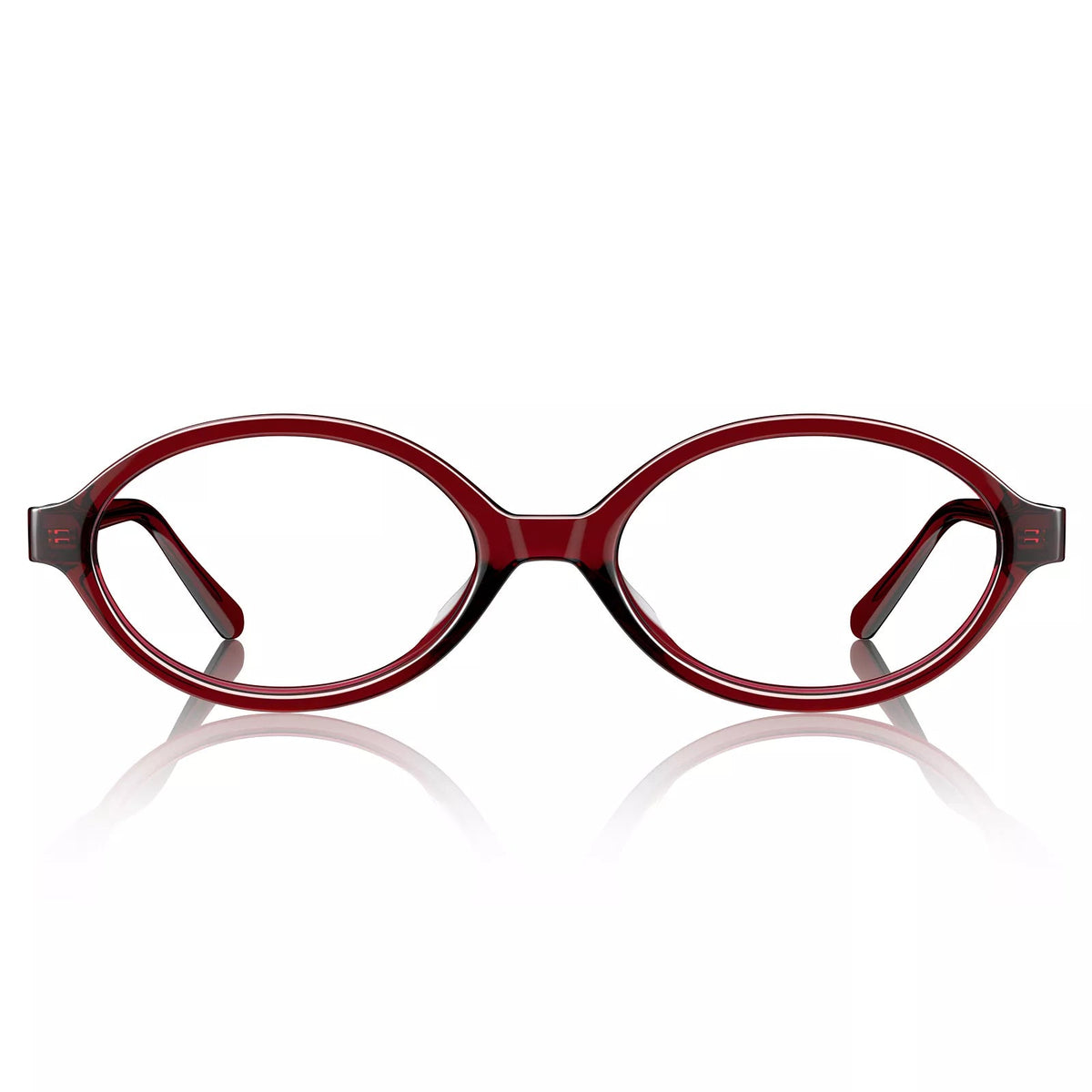
| Round, oval, cat-eye, and pilot shapes; thin metal or slightly oversized rounds. | Boxy square and rectangular frames that exaggerate the jaw and brow. |
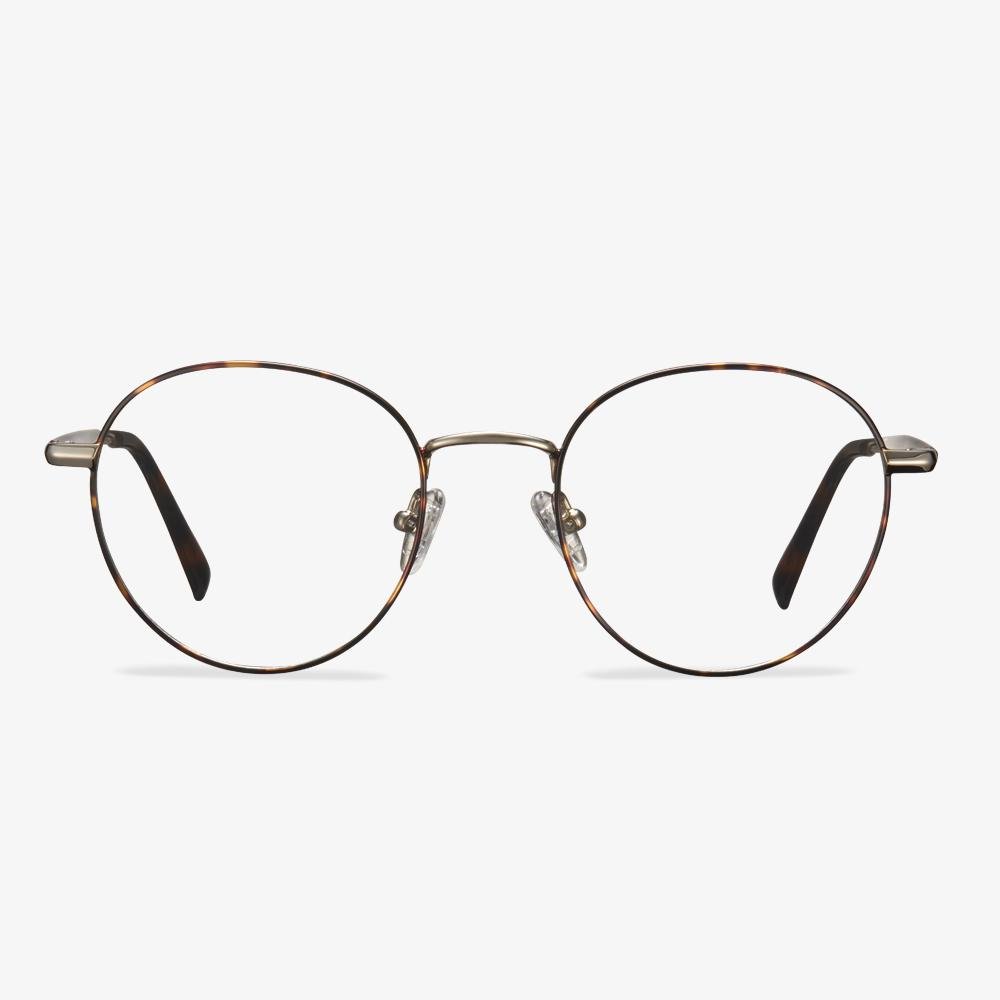
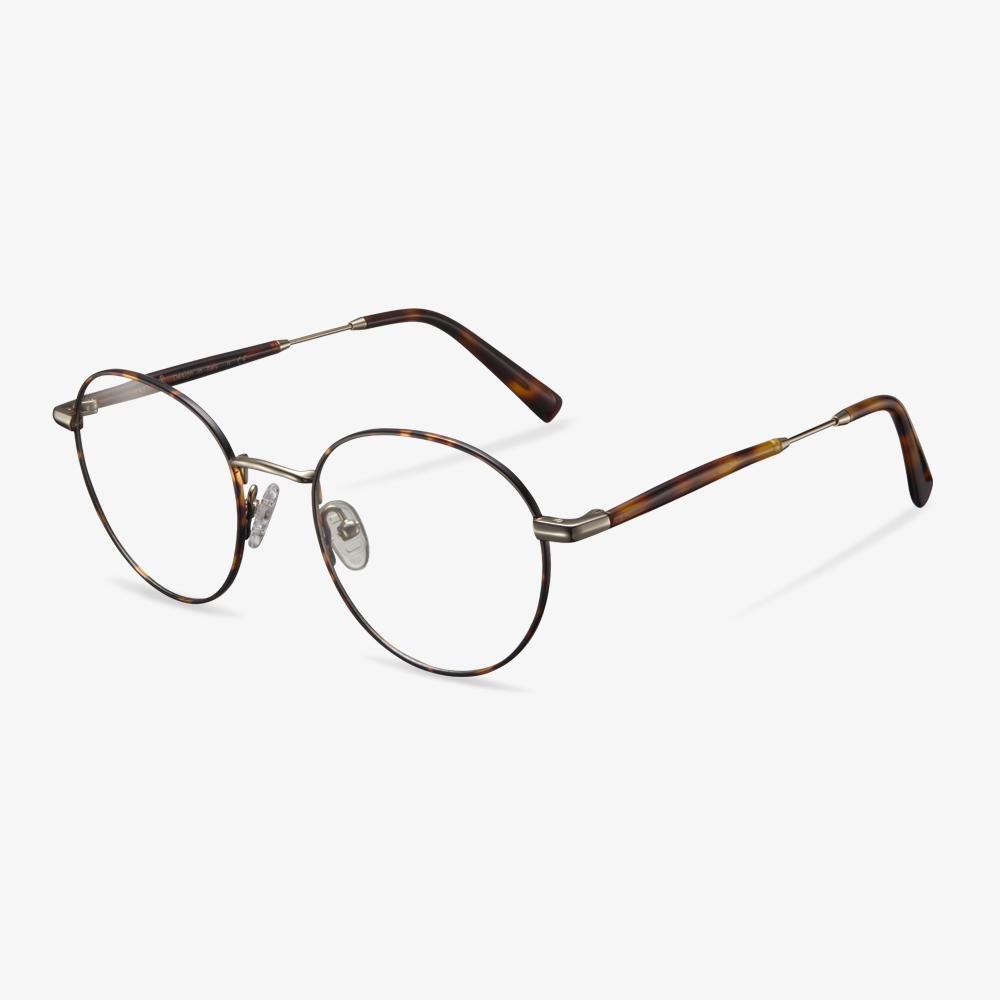
Carfia pick: the new AvonPark-C24-RX — a round tortoise-mix frame (47 mm lens, 139 mm total width) that softens angular features beautifully. $33.00.
Heart Face WIDE BROW, NARROW CHIN
A heart-shaped face is widest at the forehead and temples, with high cheekbones tapering to a smaller chin. Balance comes from drawing the eye downward and widening the lower half of the frame.
| BEST FRAMES | AVOID |
|---|---|
| Bottom-heavy styles, cat-eye, butterfly, round and semi-rimless; light metals and translucent acetates. | Heavy top bars, bold oversized shapes, and thick nose bridges that add width up top. |
Carfia pick: cat-eye and browline silhouettes are made for heart faces — browse the cat-eye collection for frames that broaden the jawline and lift the eyes.
Diamond Face HIGH CHEEKBONES, NARROW BROW & CHIN
The rarest face shape: narrow forehead and chin with wide, often dramatic cheekbones. The aim is to highlight the eyes and soften the cheek line — frames with detail or lift at the brow do this best.
| BEST FRAMES | AVOID |
|---|---|
| Cat-eye, oval, rimless, and frames with distinctive brow-line detailing. | Narrow, pinched frames that make the eye line look tighter than it is. |
Carfia pick: a subtle cat-eye or browline adds exactly the lift a diamond face wants — shop cat-eye prescription sunglasses.
Oblong Face LONGER THAN WIDE, STRAIGHT CHEEK LINE
An oblong face is noticeably longer than it is wide, with a fairly straight cheek line. Frames with more depth than width — plus decorative temples — add visual width and shorten the face.
| BEST FRAMES | AVOID |
|---|---|
| Tall frames, oversized rounds, and squares with depth; contrasting or decorated temple arms. | Small, narrow, short frames that emphasize length. |
Beyond Face Shape: The Lens Science That Actually Matters
Once the frame flatters, the lens protects. Three lens features deserve your attention — and they are exactly what optometry organizations tell patients to check first.
1. UV Protection (Non-Negotiable)
The American Academy of Ophthalmology (AAO) warns that UV radiation can damage the eye's surface tissues, cornea, and lens — raising the risk of cataracts, eye cancers, growths on the eye (pterygium), and sunburn of the eye (photokeratitis). The National Eye Institute (NEI) adds that UV light penetrates eye tissue more easily than visible light, and that children's eyes are especially vulnerable. What to look for: 100% UV or UV400 protection — meaning the lens blocks both UVA and UVB. Every Carfia prescription sunglass is UV400, and if you have kids, the NEI recommends getting them into the habit early.

2. Polarization (For Glare, Water & Road)
Polarized lenses have a chemical filter that cuts glare from flat surfaces — water, sand, snow, and asphalt. The AOA's shopping guide also notes that grey lenses give the best color recognition, which is why grey is the safest everyday choice, especially behind the wheel. Carfia's polarized Rx options (like the Shelton-C06-RX) come with custom prescription lenses available in single vision, astigmatism, and progressive options.
3. Lens Tint (Style Meets Function)
Grey preserves true colors, brown/green boost contrast, and mirrored tints are pure attitude. Tint darkness does not equal UV protection — always check the UV400 label first.
Fit & Measurements: The Numbers Behind Comfort
Frames that flatter still need to fit. Three numbers matter — printed on the inside of your current frame's temple arm:
- Lens width (e.g., 54 mm) — the horizontal width of one lens; the main driver of overall size.
- Bridge width (e.g., 18 mm) — the distance across your nose; too wide and the frame slides, too narrow and it pinches.
- Temple length (e.g., 145 mm) — the arm length; it should curve comfortably without squeezing your temples.

Beyond the numbers, the Cleveland Clinic adds practical advice: know your pupillary distance (PD) before ordering online, keep your paper prescription handy, and look for providers that let you bring your own frames. Every Carfia product page lists full measurements.
Note: this guide is educational and not medical advice — for any question about your prescription, consult your optometrist.
New In: Three Prescription Sunglasses We Love Right Now
All three below are fresh arrivals in the New Arrivals collection — Rx-ready, UV400, and matched to the face shapes above.
| AvonPark-C24-RX | Shelton-C06-RX | Chicago-C05-RX |
|---|---|---|
| Round tortoise-mix, ladies' fit • 47 mm lens | Square gray acetate, men's fit • polarized option | Pantos round with green lenses • unisex |
|
Shop Now |
Shop Now |
Shop Now |
Frequently Asked Questions
How do I order prescription sunglasses with my prescription?
Add the frame to your cart, then enter your prescription (sphere, cylinder, axis) and your pupillary distance (PD) at checkout — your optometrist provides both. Single-vision, astigmatism, and progressive lenses are available on Carfia Rx frames, all with UV400 protection.
What frames suit a round face?
Rectangular, square, and geometric frames add structure and length to a round face. Deeper or darker colors like black and tortoise add extra definition.
Do prescription sunglasses protect my eyes from UV as well as regular sunglasses?
Yes — every Carfia Rx frame comes with UV400 lenses that block 99–100% of UVA and UVB, the same standard as non-prescription sunglasses.
Can I drive in prescription sunglasses?
Yes. Polarized grey lenses are the top choice for driving — they cut road glare while preserving true color recognition, and your corrected vision means you see clearly at distance.
Final Thoughts
Face shape gives you the shortlist; lens science and fit close the deal. Start with the shape that dominates your features, pick a contrasting frame, confirm UV400 and your measurements — and you will end up with prescription sunglasses that protect your eyes and look like they were made for you.
Want to see how it all comes together? Explore the full prescription sunglasses collection or jump to the newest arrivals.
Sources
- American Academy of Ophthalmology (AAO). The Sun, UV Light and Your Eyes. Accessed August 2026.
- American Optometric Association (AOA). Sunglasses Shopping Guide. Accessed August 2026.
- American Optometric Association (AOA). Do Your Sunglasses Really Protect Your Eyes from the Sun? Accessed August 2026.
- National Eye Institute (NEI). Protecting Your Eyes from the Sun's UV Light. Accessed August 2026.
- Cleveland Clinic. Eyeglasses. Reviewed May 2025. Accessed August 2026.