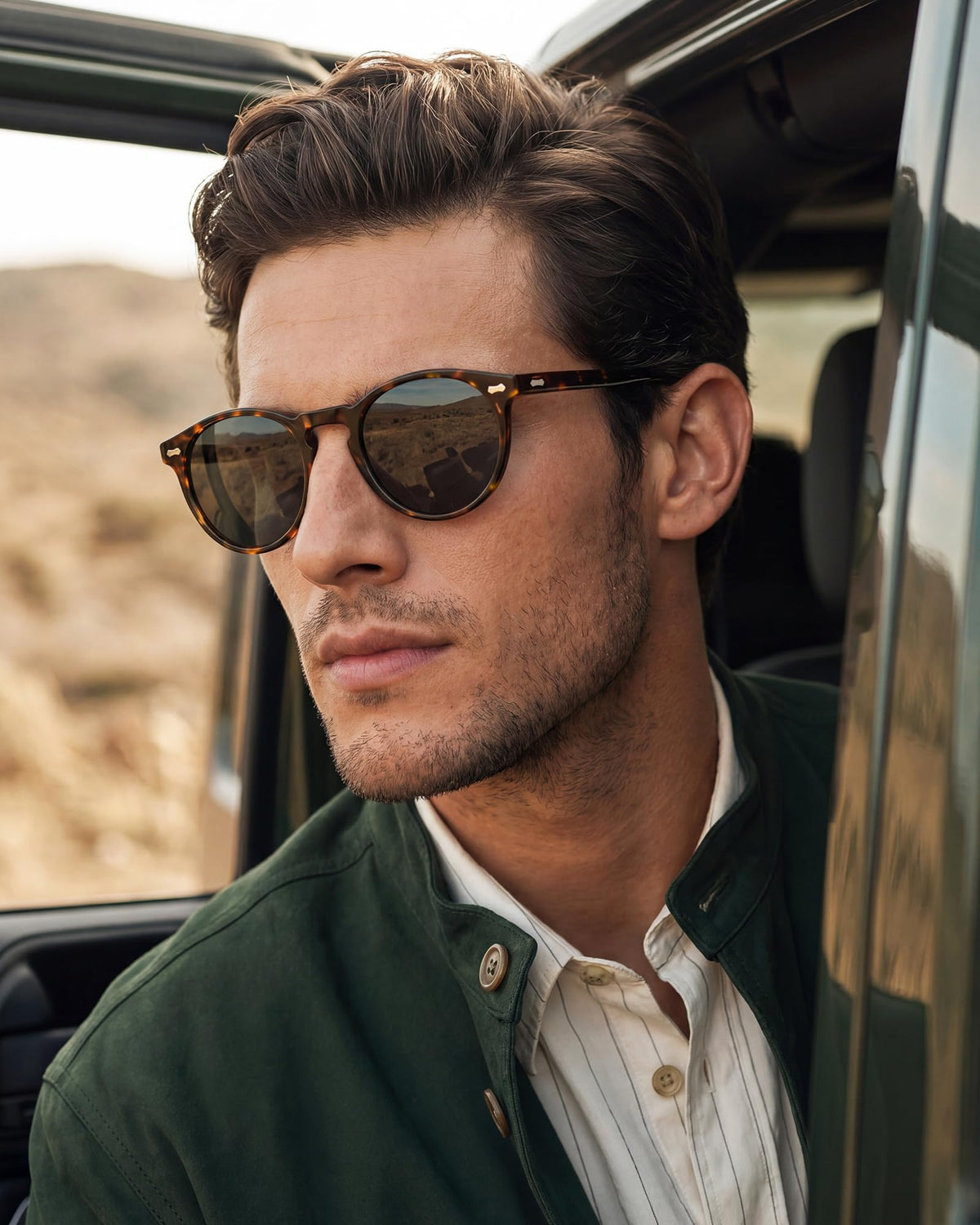
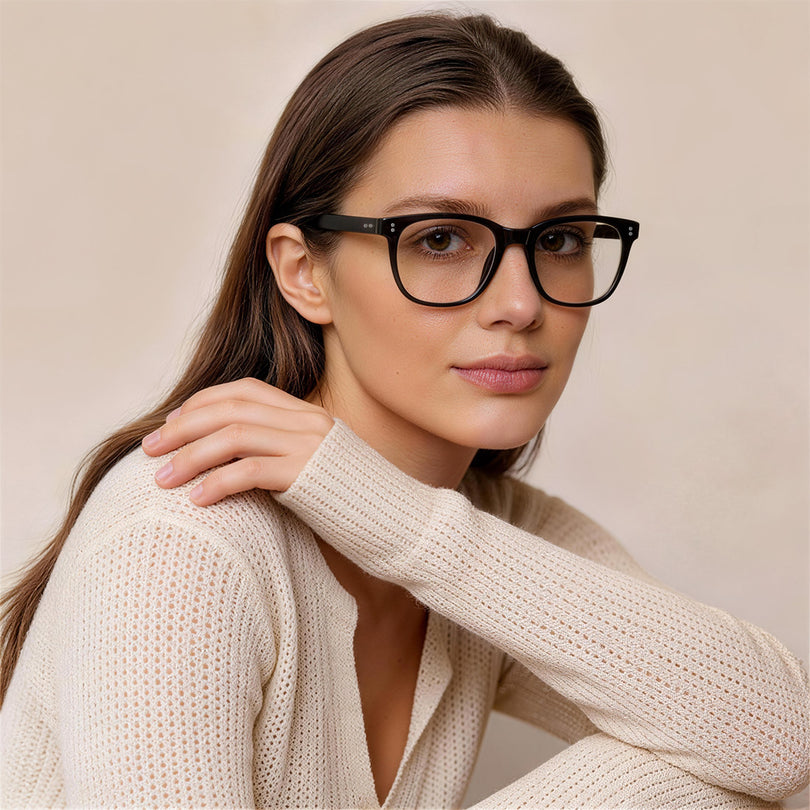



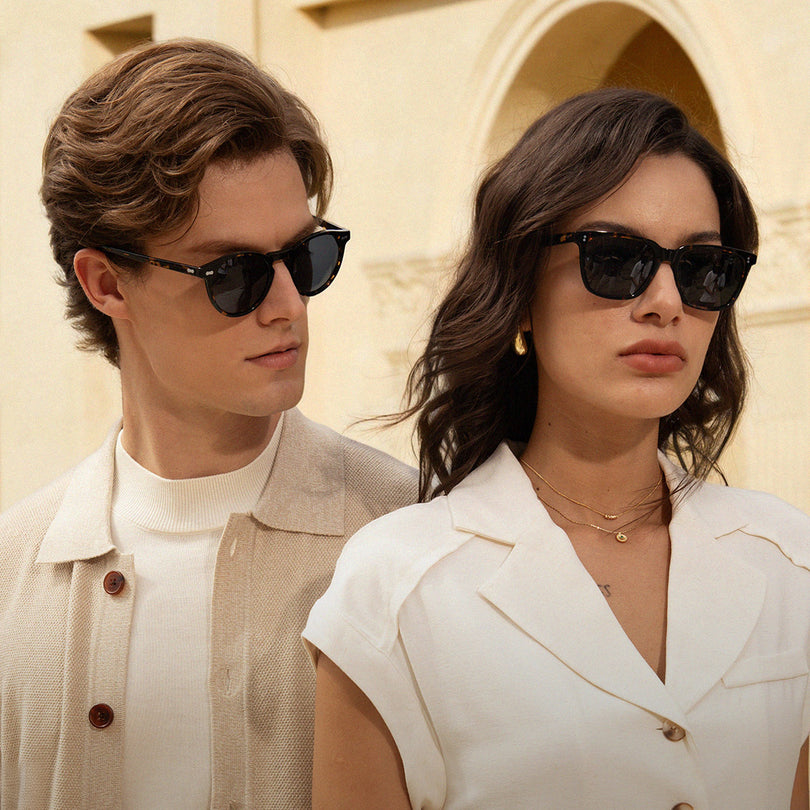



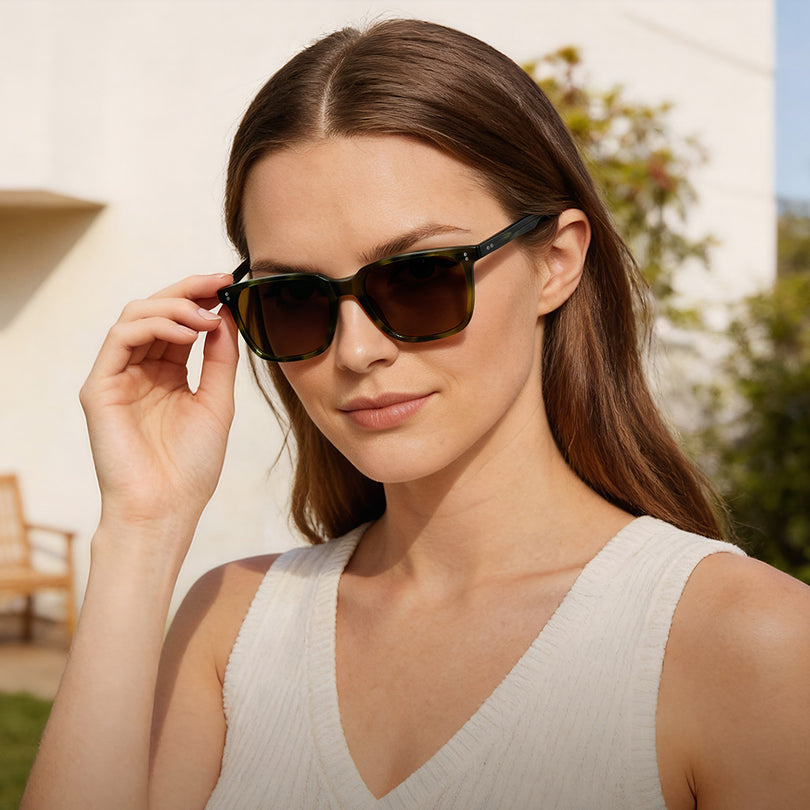



Bright roads, wet pavement, windshields and long summer drives all create one common problem: reflected glare. The right sunglasses can make daytime driving more comfortable, but the best pair is not simply the darkest pair. You need dependable UV protection, a lens tint that keeps colors usable, a stable fit and, if you wear glasses, the right prescription option.
Quick answer: For daytime driving, look for sunglasses labeled UV400 or 100% UVA/UVB protection. Polarized lenses are useful when reflected glare is the main issue, especially around water, snow and wet roads. If you need vision correction, choose prescription sunglasses rather than stacking sunglasses over your everyday glasses. Do not use tinted sunglasses for night driving.
What are the best sunglasses for driving?
The best driving sunglasses balance four things:
- UV protection: Choose a clearly stated UV400 or 100% UVA/UVB protection claim.
- Glare control: Polarized lenses can reduce reflected glare from roads, cars and water.
- Useful tint: Grey lenses generally preserve a more natural view of colors. Brown or amber tints can feel higher contrast, but personal comfort and lighting conditions still matter.
- A secure fit: Frames should stay in place without pinching, blocking peripheral vision or sliding down when you look over your shoulder.
Polarization and UV protection are not the same feature. A lens can reduce glare without having a clear UV claim, so check both before buying. For more detail on the trade-off, read Polarized vs. Non-Polarized Sunglasses for Driving.
Polarized vs. non-polarized sunglasses for driving
| Feature | Polarized lenses | Non-polarized lenses |
|---|---|---|
| Reflected glare | Designed to reduce harsh reflected glare | Darkens light but does not filter glare in the same way |
| Road and water use | Often comfortable around wet roads, lakes and beaches | Can still be comfortable with a good tint and UV protection |
| Digital displays | Some LCD screens may look darker or less clear at certain angles | Usually has fewer polarization-related display effects |
| Night driving | Not suitable when the lenses are tinted | Not suitable when the lenses are tinted |
Polarized lenses are a strong daytime option, not a universal answer for every journey. If you rely on a navigation or dashboard display, check that you can read it comfortably before committing to a pair.
Prescription sunglasses: what to look for
Prescription sunglasses combine your vision prescription with sun protection, so you do not need to wear your clear glasses underneath. Confirm that the frame accepts your prescription range and that the lens option you choose includes the protection or polarization you want. Your prescription, pupillary distance and lens design all affect the final result.
If you use progressive lenses, compare distance, intermediate and near zones before ordering. Carfia's progressive prescription sunglasses collection is a useful place to start. For a broader selection, browse the prescription sunglasses collection.
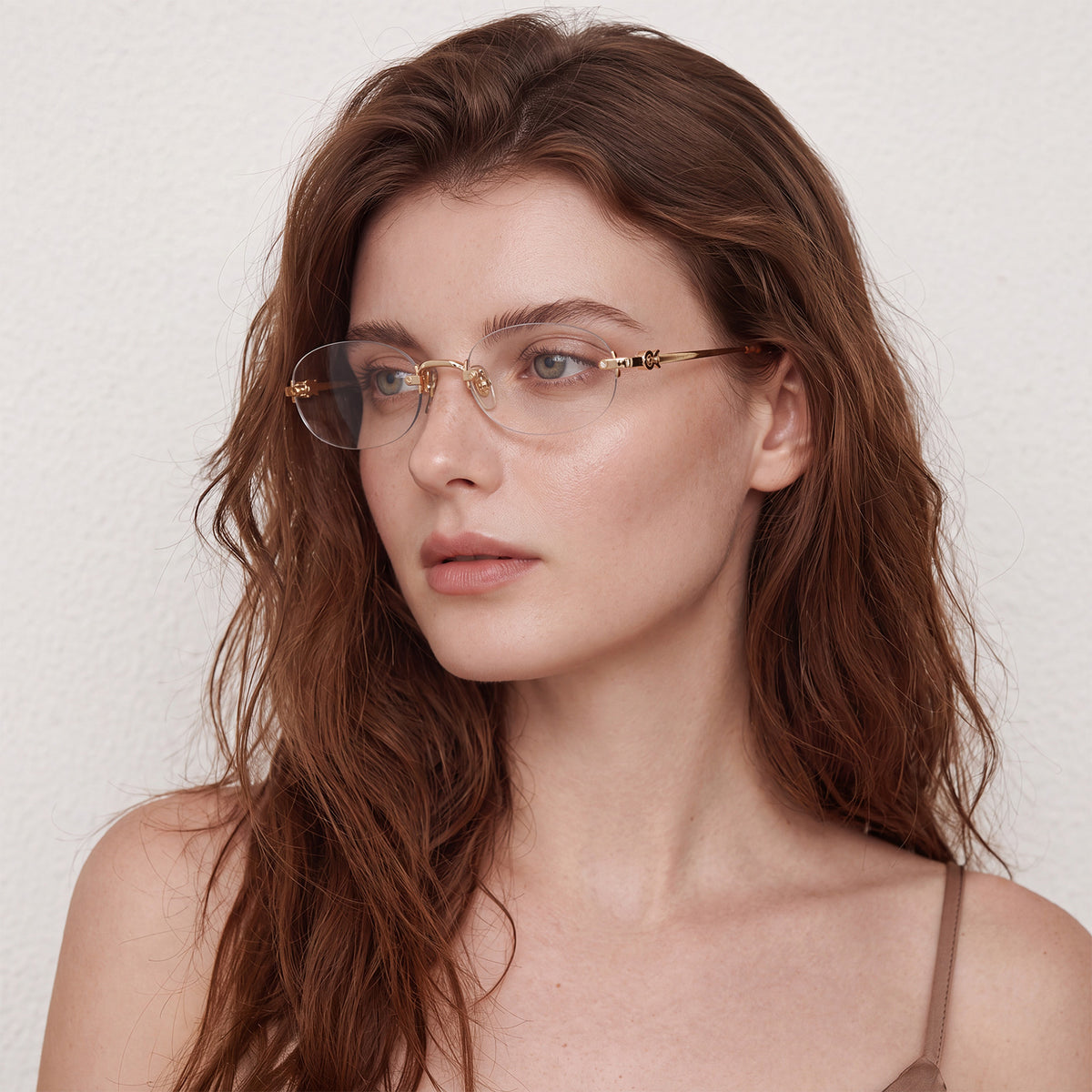
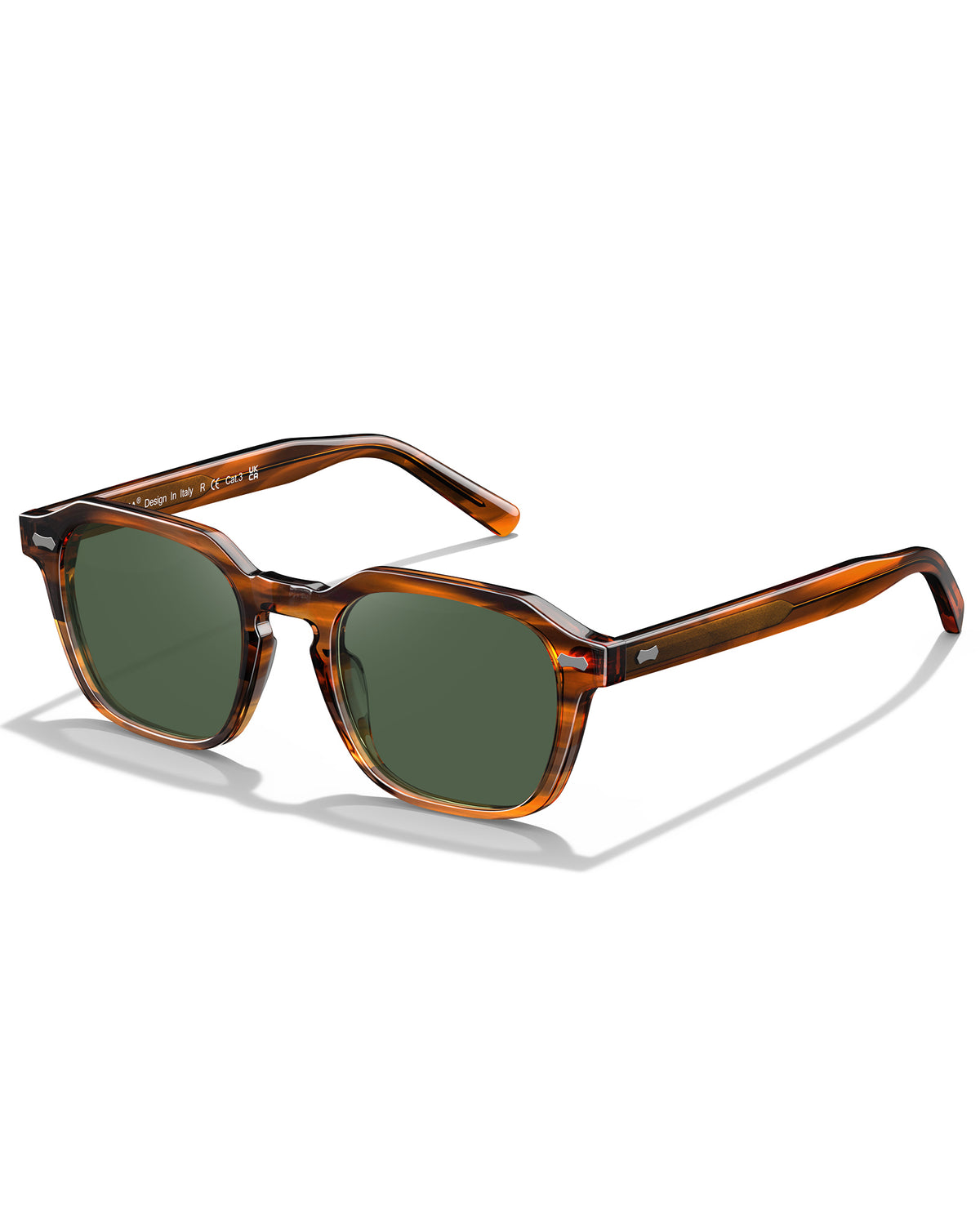
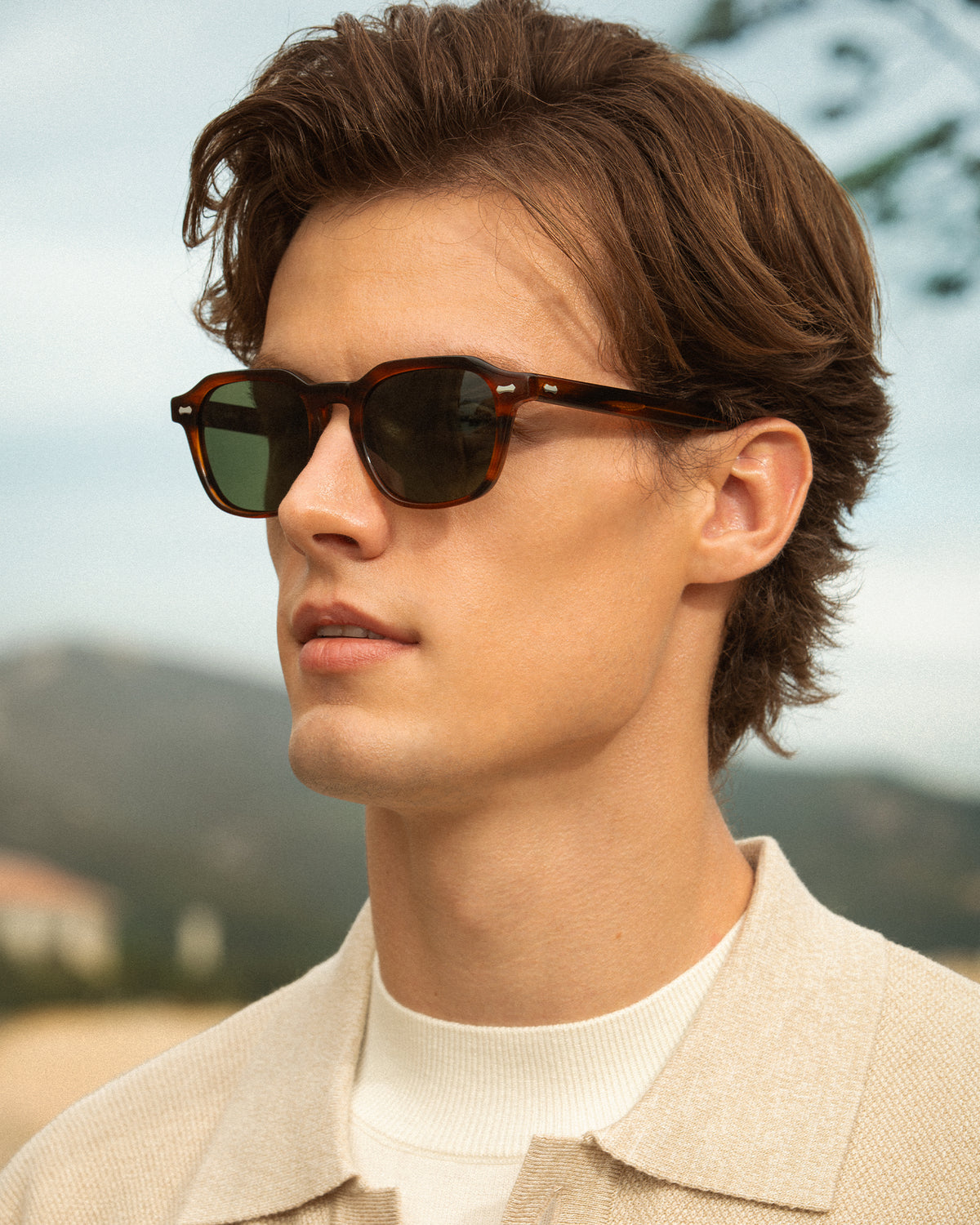
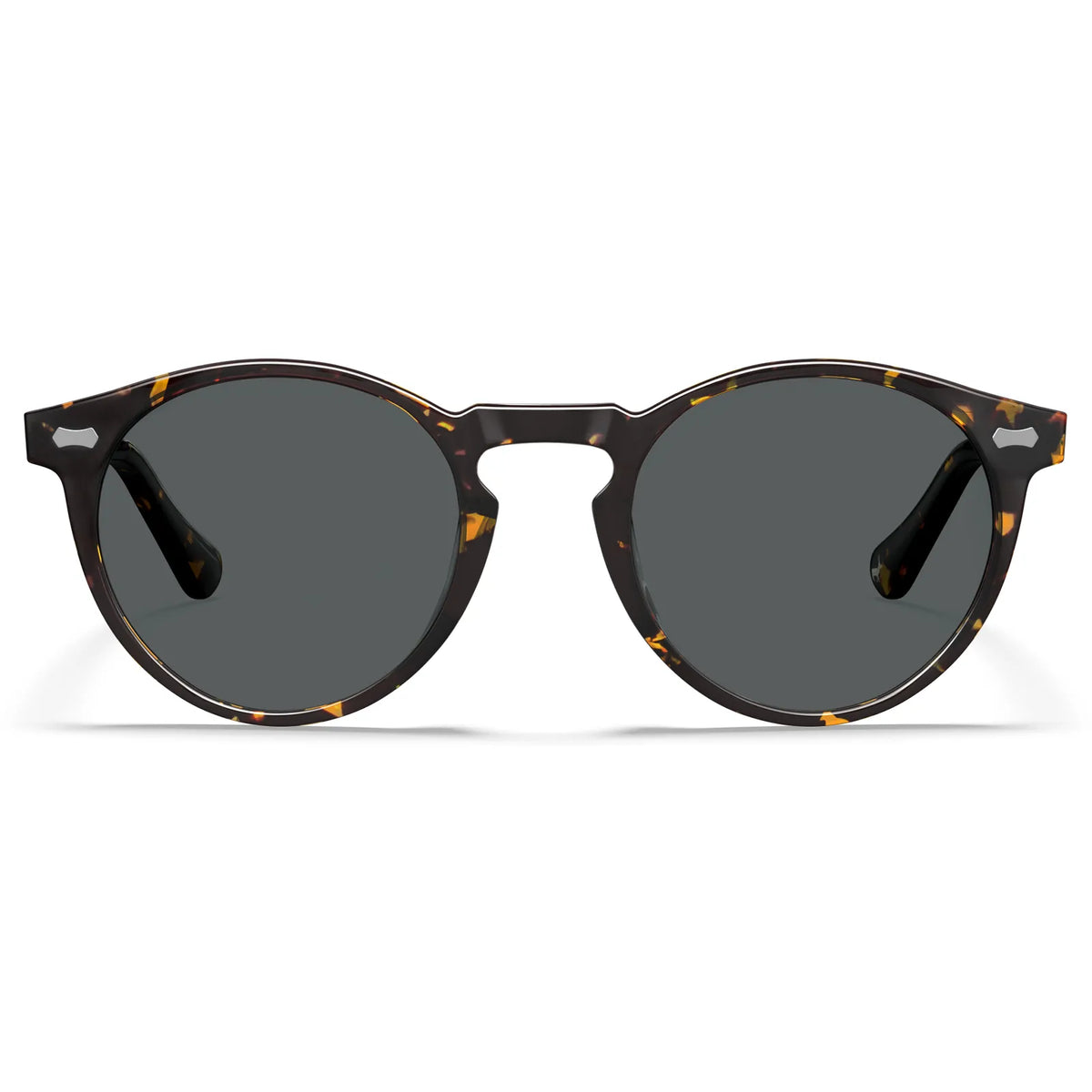
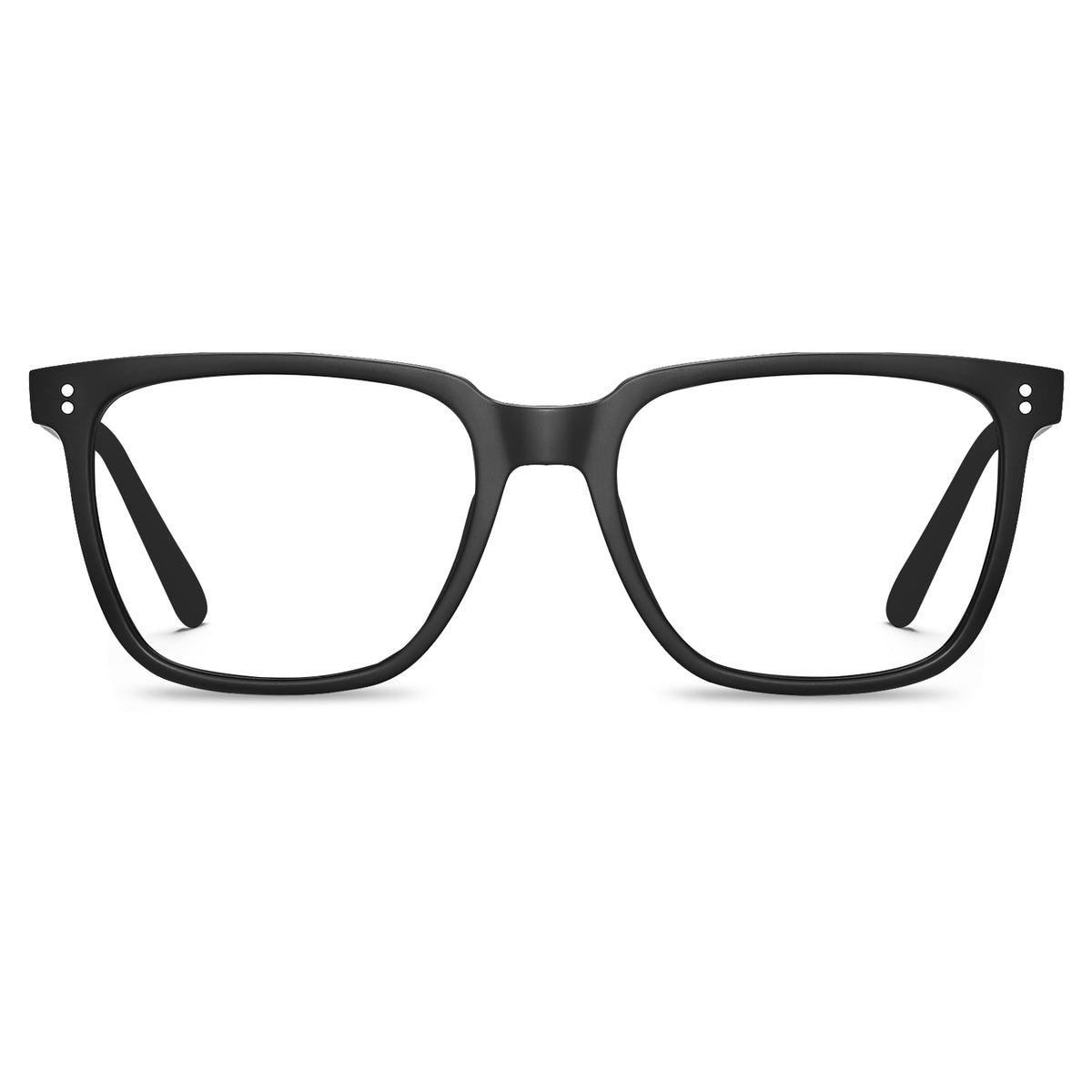
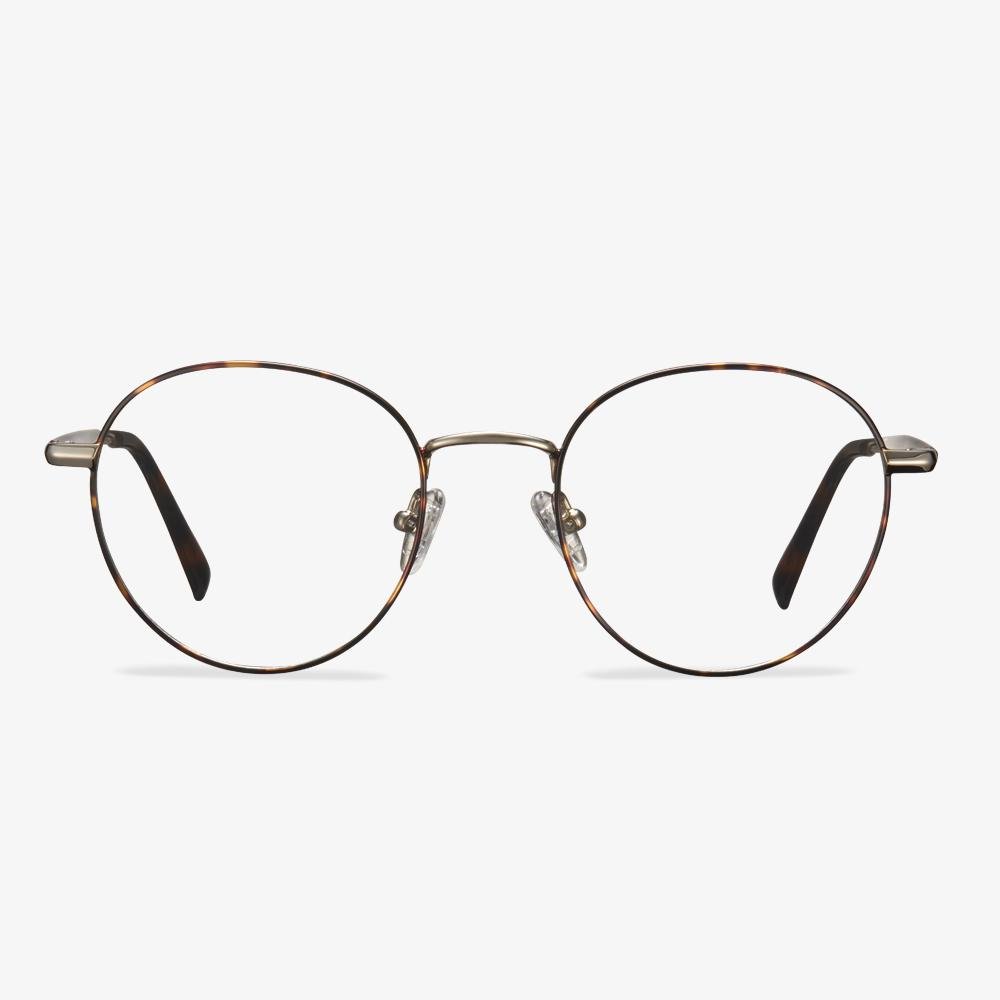
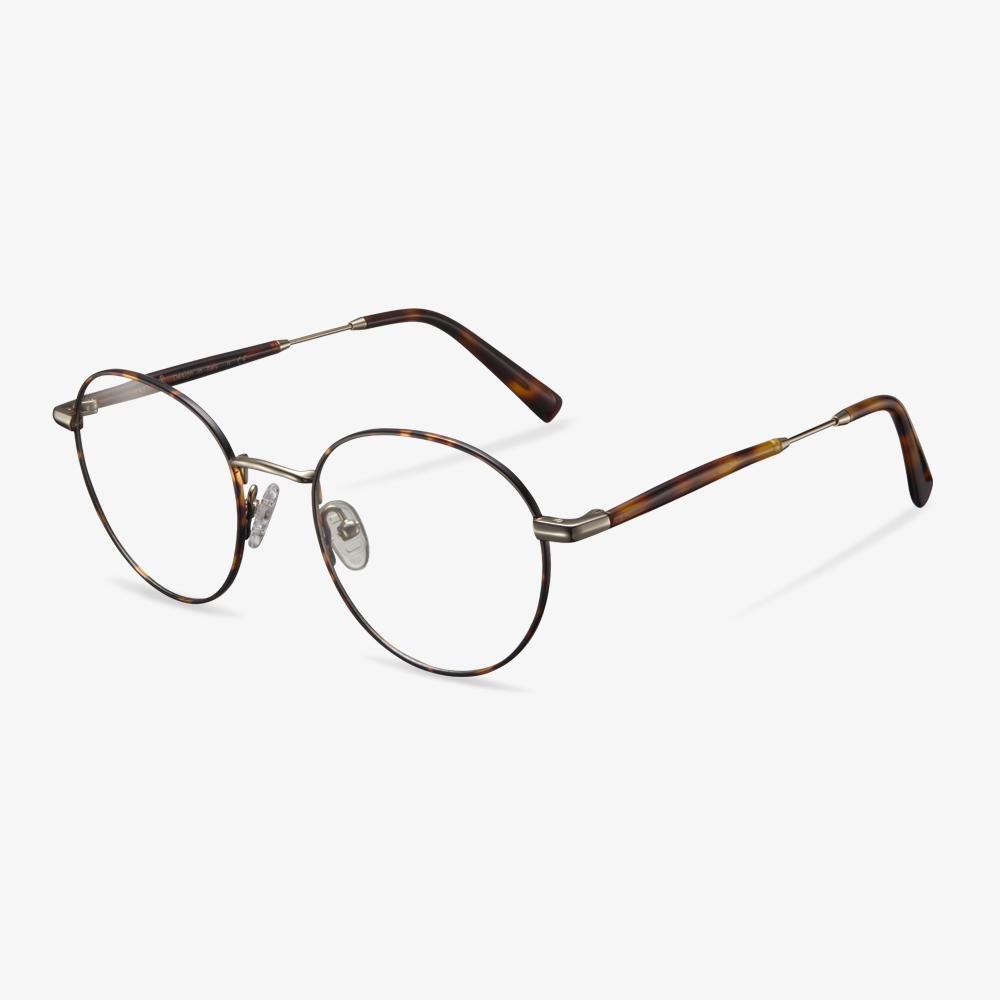
Four Carfia styles to consider


How to choose a frame for your face and driving position
Frame shape is about both style and visibility. A frame that is too narrow may leave bright light around the sides, while an oversized frame can interfere with peripheral awareness or helmet and hat fit. Measure a pair that already feels comfortable and compare its width, lens height, bridge and temple length with the new frame.
Round frames can soften angular features, while rectangular and square frames add structure to softer facial contours. The fit should still win over a style rule. Use Carfia's complete face-shape sunglasses guide for a more detailed comparison.
For a quick category shortcut, start with polarized driving sunglasses, then narrow by prescription needs, frame width and shape.
Driving sunglasses checklist
- Look for a clear UV400 or 100% UVA/UVB protection statement.
- Choose polarization when reflected daytime glare is your main concern.
- Check that the tint lets you read road signs and dashboard information comfortably.
- Make sure the frame stays stable without pressure at the bridge or temples.
- Confirm prescription compatibility, pupillary distance and lens design before ordering.
- Keep tinted sunglasses off at night or in any low-light situation where they reduce visibility.
FAQ: polarized and prescription sunglasses for driving
Are polarized sunglasses better for driving?
They can be more comfortable for daytime driving when reflected glare from roads, cars or water is the main problem. They still need a separate, clearly stated UV-protection claim, and they are not designed for night driving.
Can prescription sunglasses be polarized?
Yes. Many prescription-sunglass frames can be ordered with polarized prescription lenses, but availability depends on the frame, prescription and lens option. Check the product's prescription and lens choices before ordering.
What lens color is best for driving?
Grey is a common everyday choice because it tends to keep colors more natural. Brown or amber can feel more contrasty in some conditions. Comfort, visibility and the actual lighting environment matter more than a single universal “best” color.
Can I wear sunglasses at night while driving?
No. Tinted lenses reduce the amount of light reaching your eyes and can make low-light conditions harder to see. Use clear lenses at night and follow local driving-safety rules.
Bottom line
For bright daytime driving, prioritize UV protection, a stable fit and a lens tint you can see through comfortably. Add polarization when reflected glare is the issue. If you need correction, choose prescription sunglasses or a prescription-ready frame instead of layering sunglasses over your everyday glasses. The right pair should make the road easier to view, not simply make the world darker.
General eyewear information only. For prescription changes, eye discomfort or specific eye-health concerns, consult a qualified eye-care professional.