






Finding the right pair of men’s glasses is not only about choosing a color you like. The frame should balance your features, sit securely on your nose, leave enough room around your eyes, and support the prescription you actually need. Face shape is a useful starting point, but measurements and comfort matter more than a label.
In this guide, we’ll show you how to identify your face shape, match it with frame proportions, and check the fit before you order prescription glasses online. These are style and shopping guidelines, not a medical diagnosis. For vision concerns or a changing prescription, speak with an eye-care professional.
Why face shape can help you choose glasses
Face shape gives you a quick way to think about contrast and proportion. Softer facial lines may look balanced with more angular frames, while a strong jawline can be complemented by rounder or oval outlines. That does not mean there is one “correct” frame for your face. Personal style, lens thickness, bridge fit, and frame measurements can all change the result.
Before browsing by shape, review Carfia’s guide to choosing prescription sunglasses for your face shape for a broader look at proportion, lens height, and everyday wear.
How to identify your face shape
Stand in front of a mirror with your hair away from your face. Look at the outline from your hairline to your jaw, then compare the widest areas of your forehead, cheekbones, and jaw. You can also take a straight-on photo with the camera at eye level and lightly trace the outline. Most faces are a blend of shapes, so use the closest match as a starting point rather than a permanent category.
- Oval: The face is usually longer than it is wide, with gently curved cheekbones and a jaw that is narrower than the forehead.
- Round: The width and length are often similar, with fuller cheeks and softer jaw angles.
- Square: The forehead, cheekbones, and jaw may appear similar in width, with a defined jaw and straighter sides.
- Oblong: The face is noticeably longer than it is wide, often with a straighter cheek line.
- Heart or inverted triangle: The forehead or brow area is wider, tapering toward a narrower chin.
- Diamond: The cheekbones are prominent, with a narrower forehead and jaw.
Men’s glasses by face shape
Oval faces
Oval faces can often support a wide range of frame outlines. Rectangular, square, browline, and softly geometric frames can add structure, while medium-width round or oval frames keep the look understated. Pay attention to scale: a frame that extends far beyond the cheekbones can overwhelm the face even when the shape technically works.
Round faces
Rectangular and square frames can create visual contrast with fuller cheeks and curved facial lines. A slightly wider frame or a defined brow can add structure. Avoid choosing a frame only because it is narrow; the bridge and eye size still need to sit comfortably without squeezing or sliding.
Square faces
Round, oval, and softly curved frames can balance a pronounced jaw and straighter facial lines. If you prefer a sharper look, choose a rectangular frame with softened corners instead of an extremely boxy outline. The goal is not to hide your features, but to choose whether you want contrast or repetition.
Oblong faces
Frames with a little more lens height can help create visual balance on a longer face. Deeper rectangular frames, browline styles, and softly rounded shapes are useful starting points. Check that the frame is not so tall that it touches your cheeks or interferes with your normal facial movement.
Heart-shaped and diamond-shaped faces
Look for frames that balance the brow, cheekbones, and chin rather than adding all the visual weight at the top or bottom. Oval, round, rimless, and gently upswept shapes can be worth trying. A lighter-looking frame front or a lower-contrast color can also keep the proportions feeling even.
The measurements that matter more than face shape
A good-looking frame can still be uncomfortable if the measurements are wrong. Compare the frame width with a pair you already wear comfortably, then check the bridge width, lens width, lens height, and temple length on the product page. Your pupils should sit naturally within the lens openings, and the frame should not press against the sides of your head.
Carfia’s detailed guide to how eyeglasses should fit is useful when a frame looks right in a photo but you are unsure about width, bridge pressure, or temple position. If your face is narrower or your current glasses slide easily, the small-face eyewear guide has more fit-focused tips.
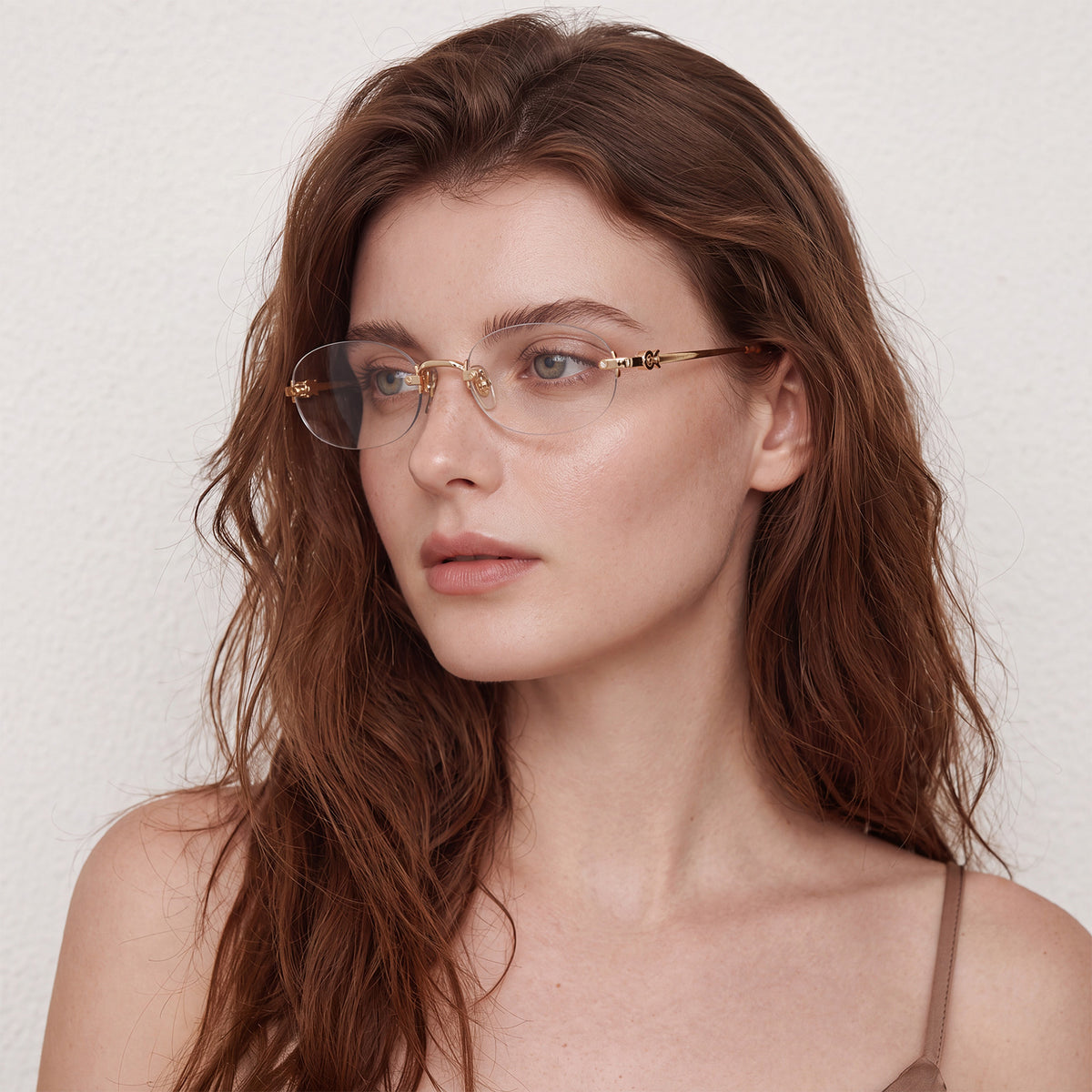
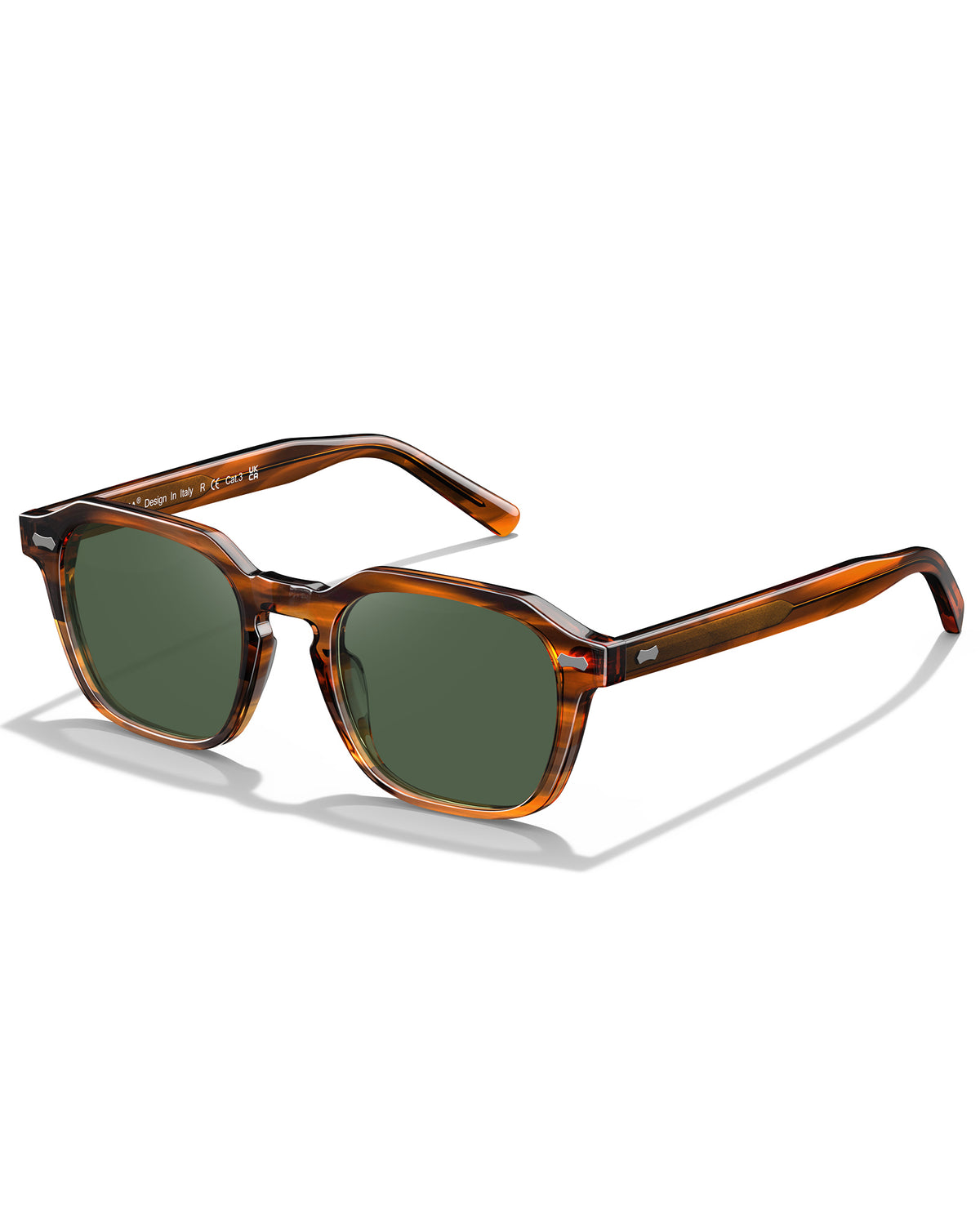
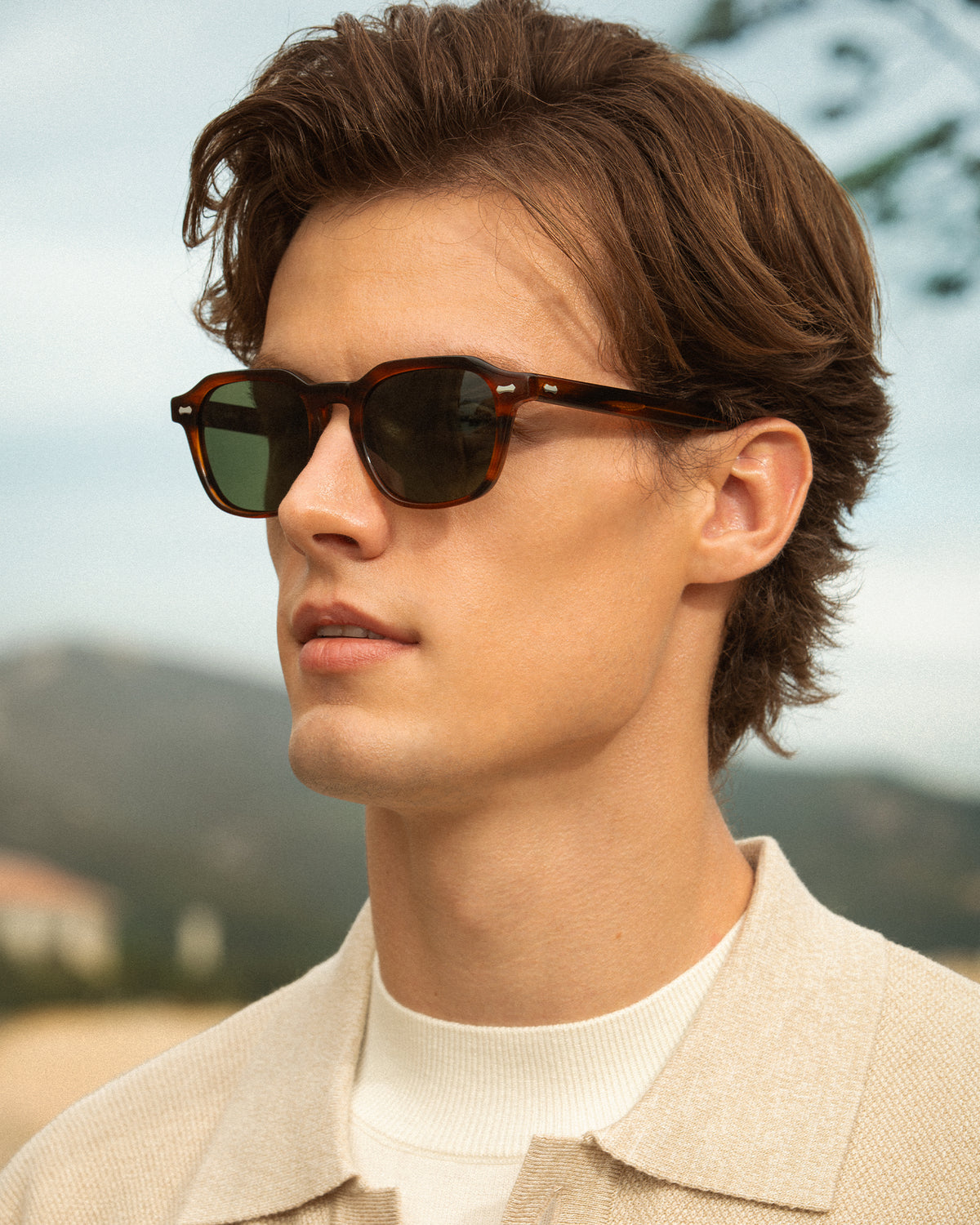
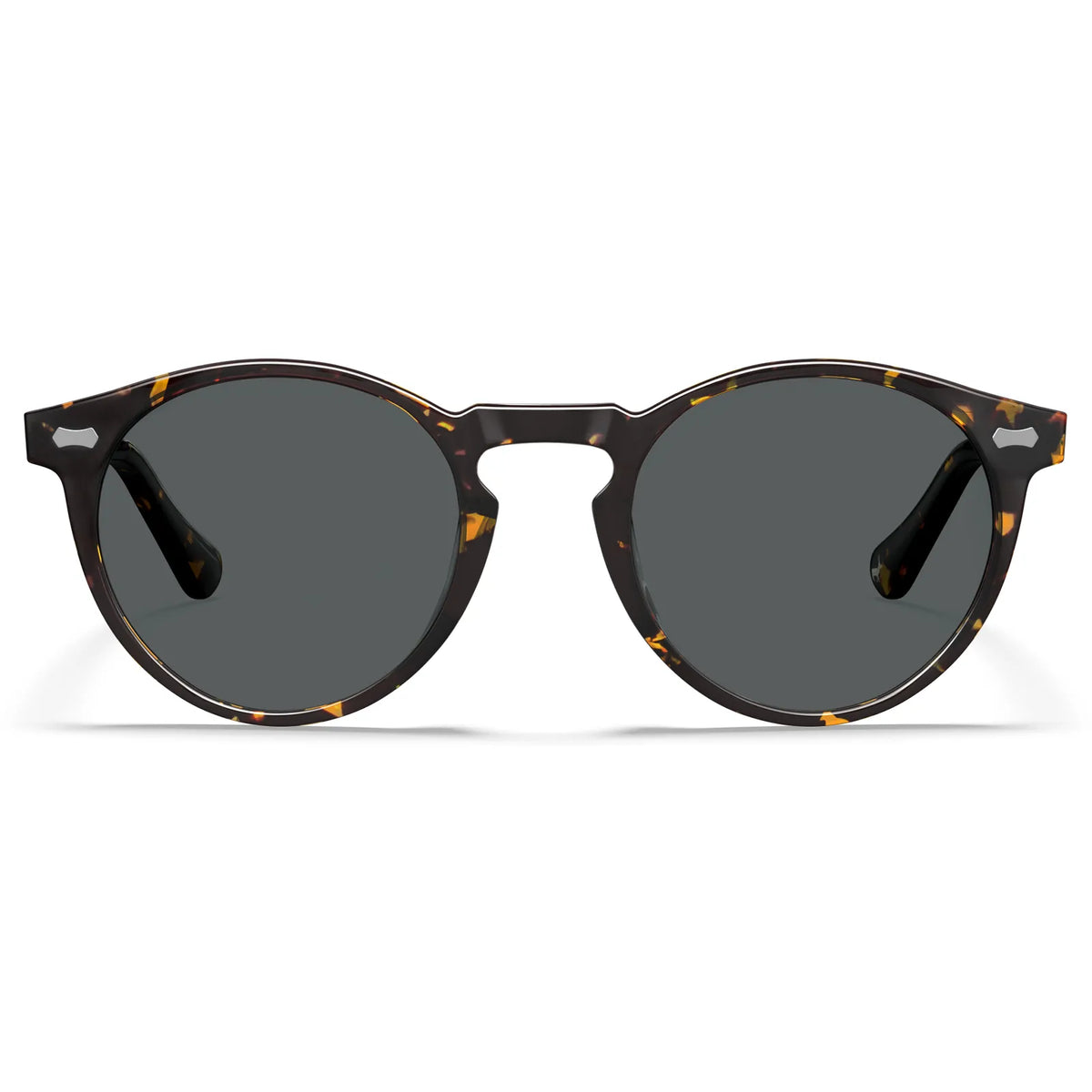
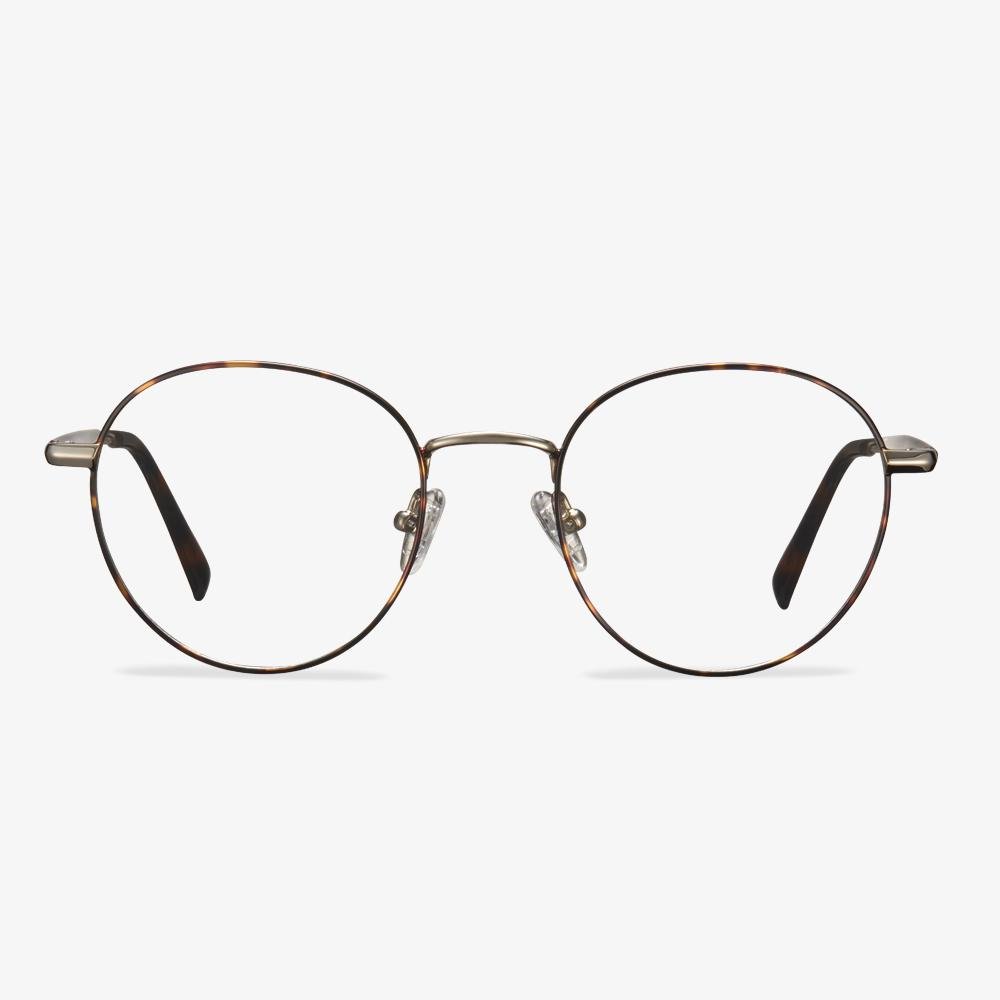
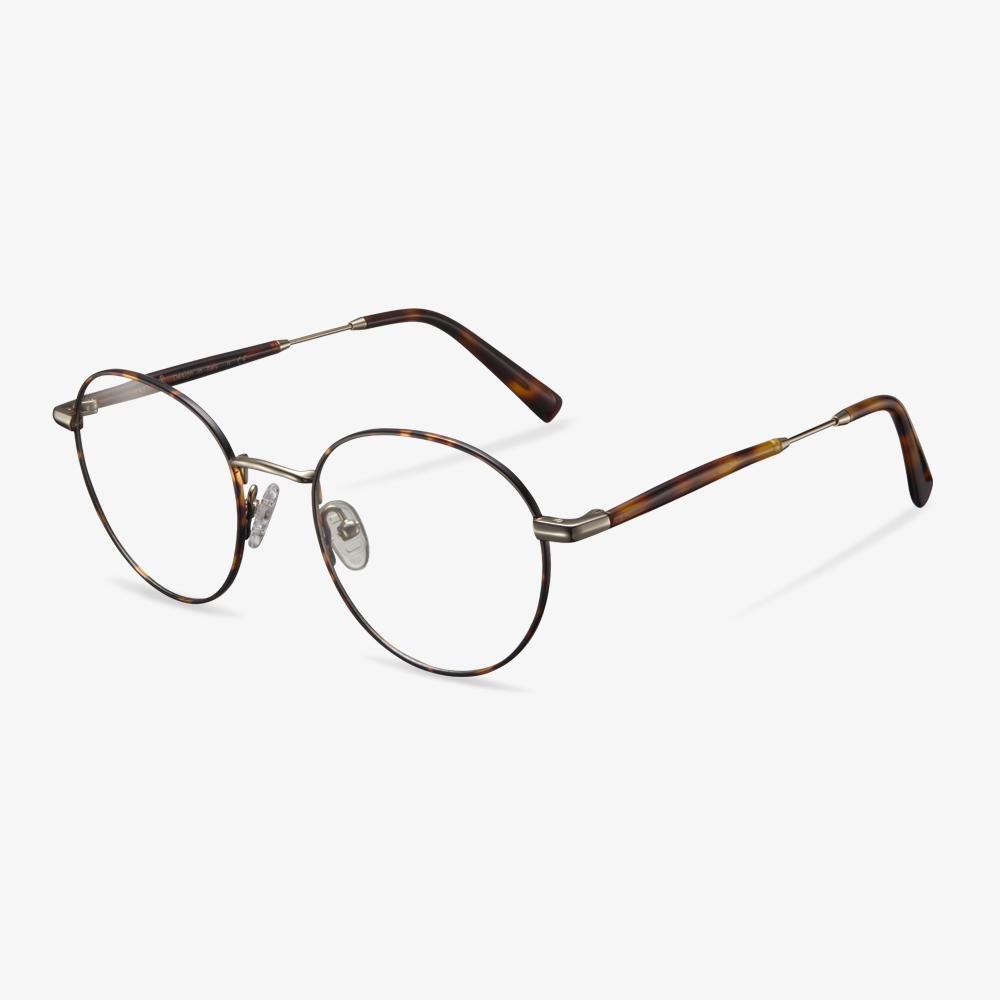
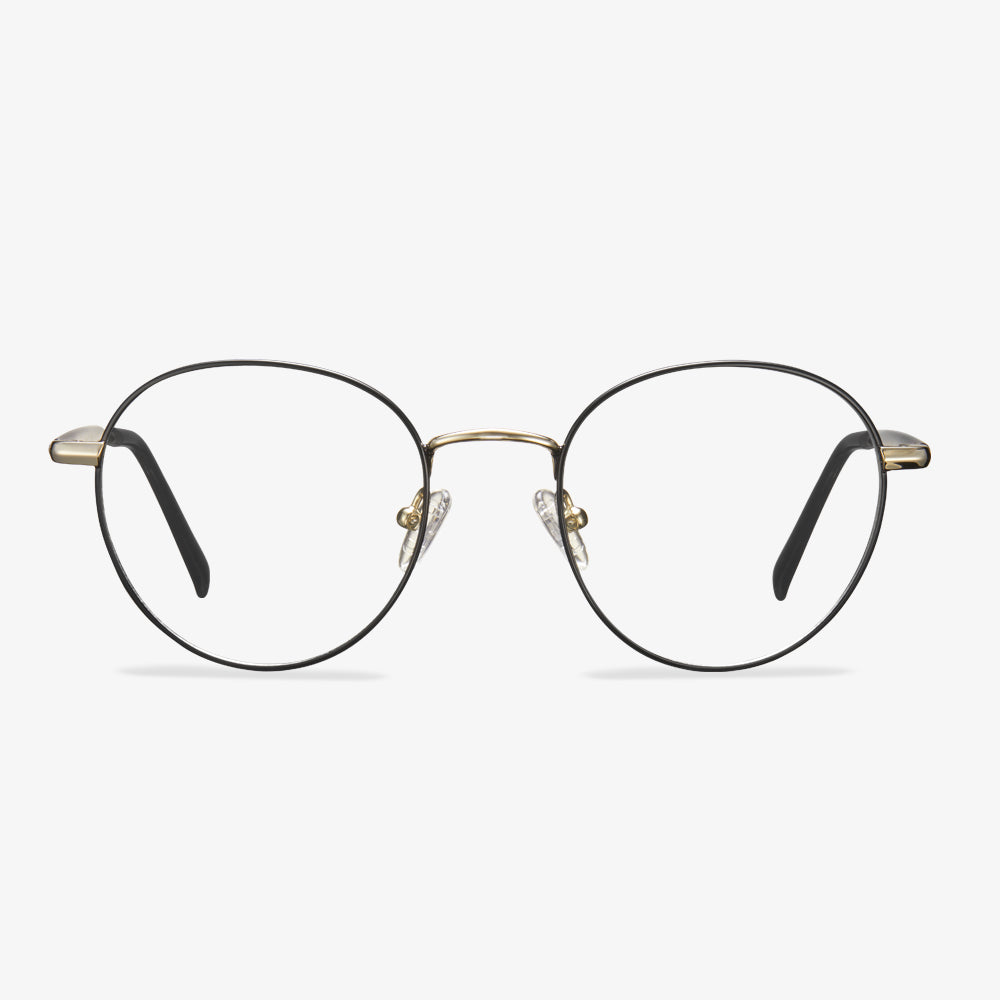
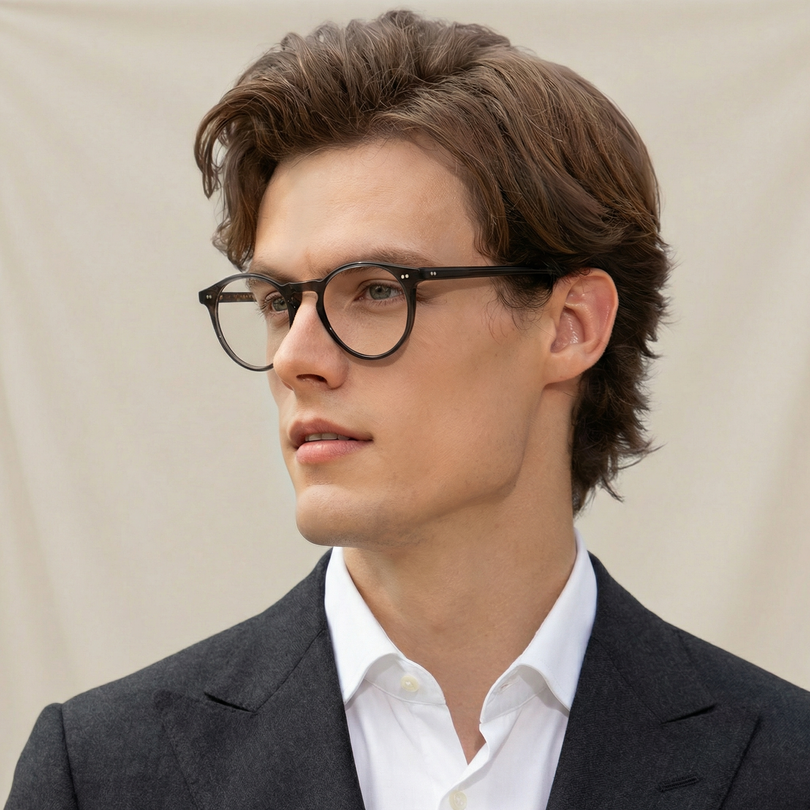
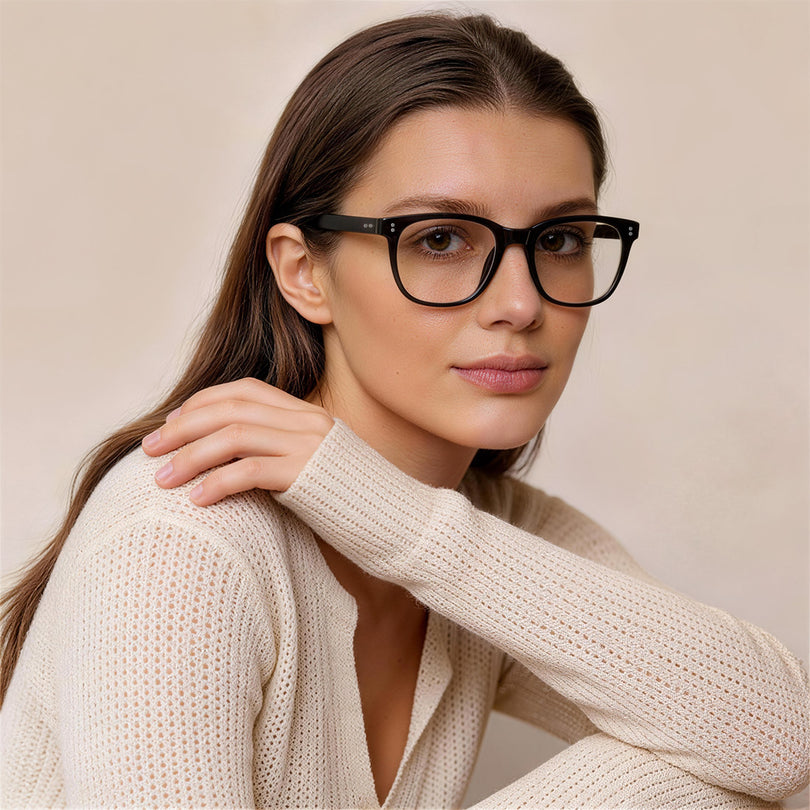
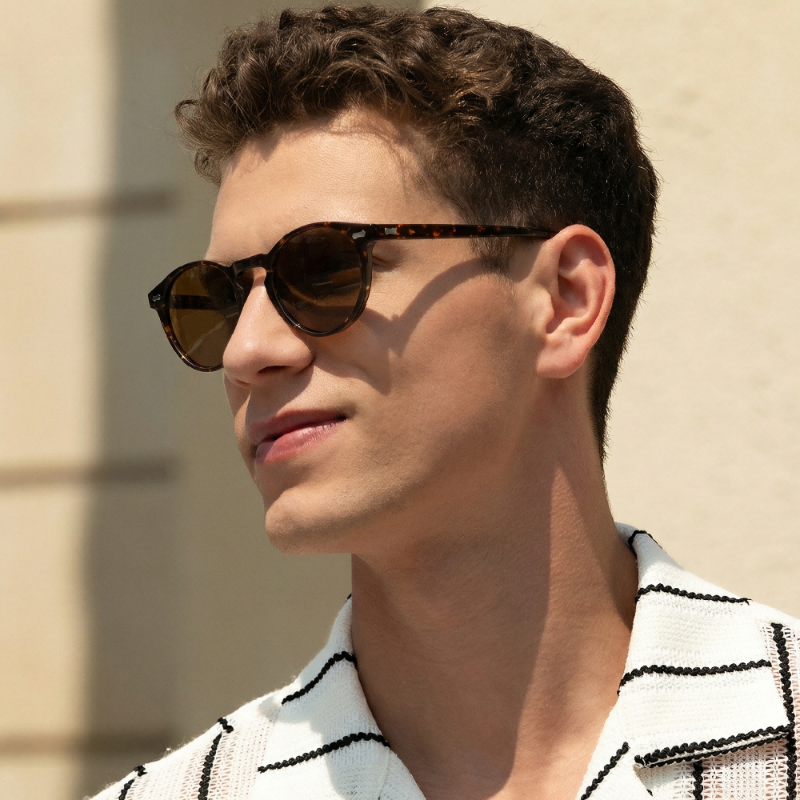
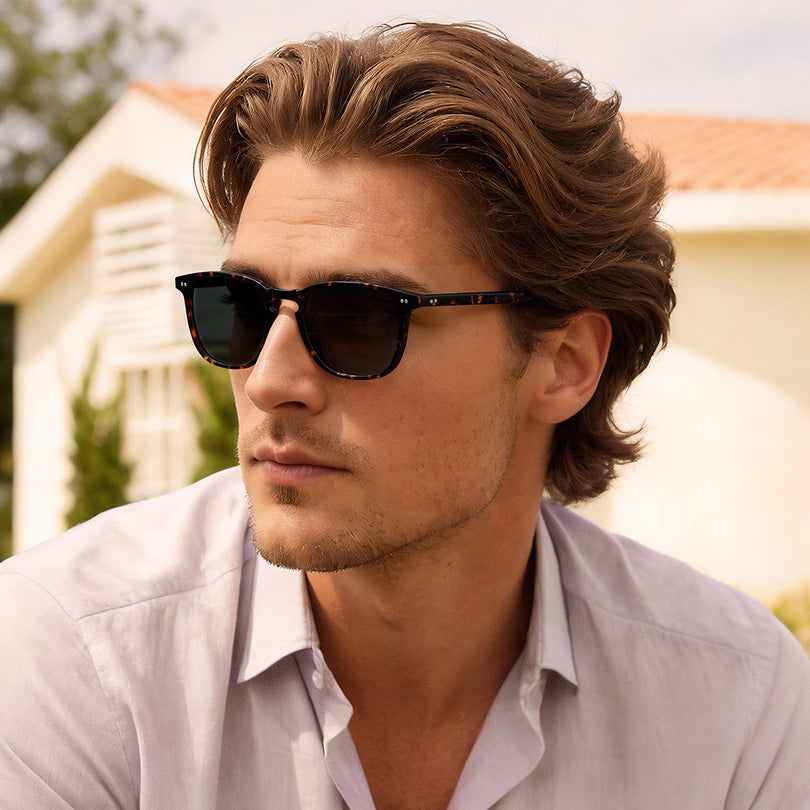
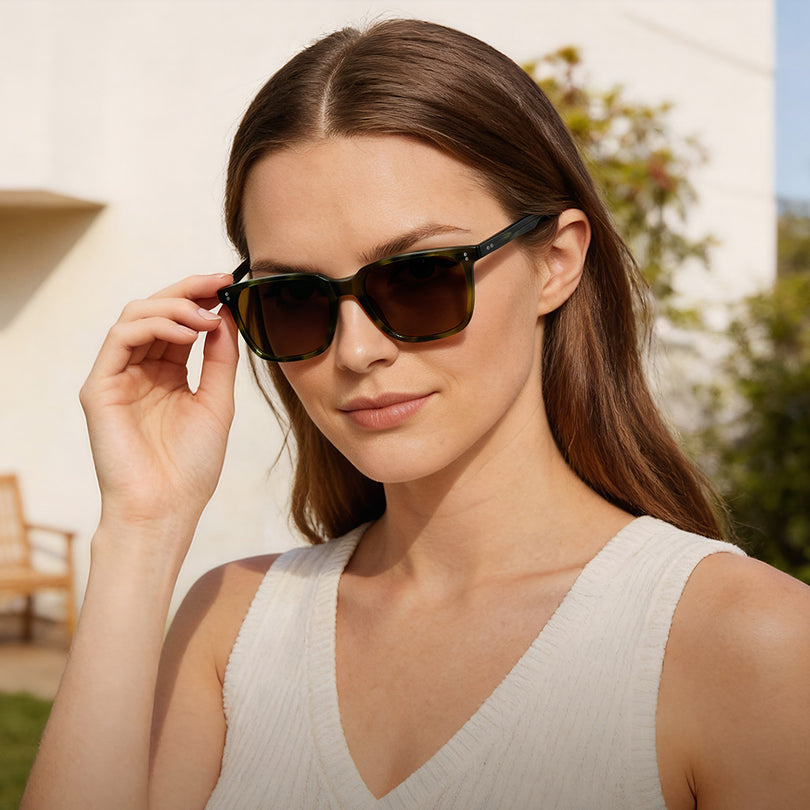
Four new prescription styles to compare
Use the product measurements and your current prescription when comparing frames. The following newer Carfia RX styles are useful starting points for different personal aesthetics. The face-shape suggestions above are not a substitute for checking the actual frame dimensions.


How prescription needs affect frame choice
Face shape helps with style, but your prescription can influence the best frame size and lens options. If you have a stronger prescription, ask your optician whether lens material, index, lens thickness, and frame dimensions should affect your choice. Smaller lens shapes may sometimes help manage lens thickness, but the right recommendation depends on your prescription and measurements.
Make sure your pupillary distance and right-eye and left-eye prescription details are entered exactly as provided. If you are unsure whether you need distance, reading, or multifocal correction, review Carfia’s distance vs. reading glasses guide and confirm your needs with your eye-care provider.
Prescription glasses fit checklist for men
- The frame is wide enough that the temples do not squeeze your head.
- The bridge sits securely without leaving painful pressure marks.
- Your eyes look reasonably centered in the lens openings.
- The frame does not slide when you look down or gently turn your head.
- The lenses do not touch your cheeks or eyelashes during normal movement.
- The temples sit comfortably behind your ears without digging in.
- The frame is level rather than noticeably tilted.
Do not bend a new frame yourself to force a better fit. An optician can make controlled adjustments with the correct tools. For care after you find the right pair, see Carfia’s guide to preventing common glasses damage.
Prescription sunglasses and everyday protection
If you spend time driving, walking, or working outdoors, prescription sunglasses can combine vision correction with protection from bright light. Tint, polarization, and UV protection are different features, so check the product specifications rather than assuming one feature includes the others.
Explore Carfia’s men’s prescription sunglasses collection for outdoor styles, polarized prescription sunglasses for reflected glare, and progressive prescription sunglasses if your prescription supports multifocal correction.
Where to shop by budget and style
For everyday prescription eyewear, browse Carfia’s premium prescription eyeglasses. If price is the first filter, the value prescription eyeglasses collection is another place to compare available options. In every case, use the product measurements and current prescription details before ordering.
What medical sources say about choosing glasses
Face shape is a styling tool, not a medical assessment. The American Academy of Ophthalmology explains the role of regular eye exams, while the National Eye Institute provides background on refractive errors and vision correction. The American Optometric Association also outlines common refractive errors. For outdoor eyewear, review the U.S. Food and Drug Administration’s guidance on sunglasses and your eyes.
Final takeaway
The best men’s glasses by face shape are the ones that balance your preferred look with accurate measurements, a secure bridge, comfortable temples, and the lens options your prescription requires. Start with your face shape, narrow the choices by frame proportions, then make the final decision by fit and vision needs. That is how you find a frame that looks right and feels right long after the first mirror check.