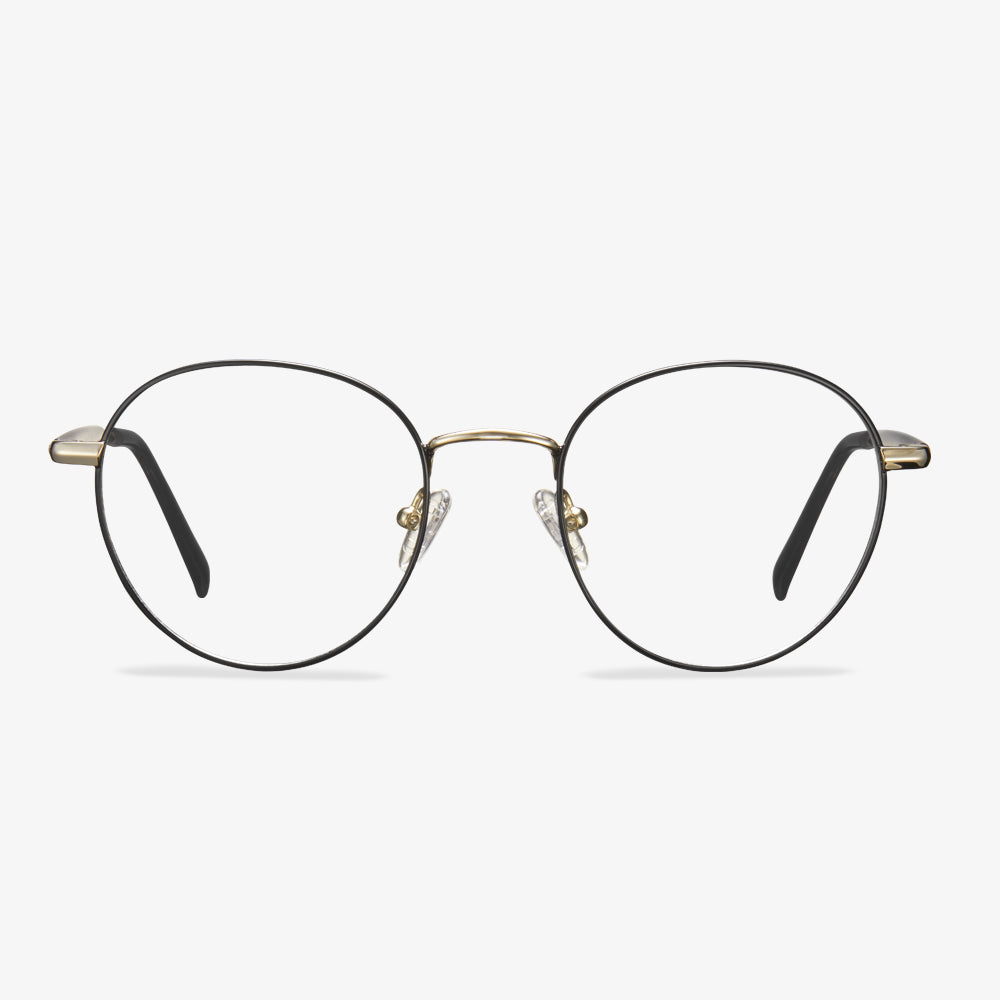






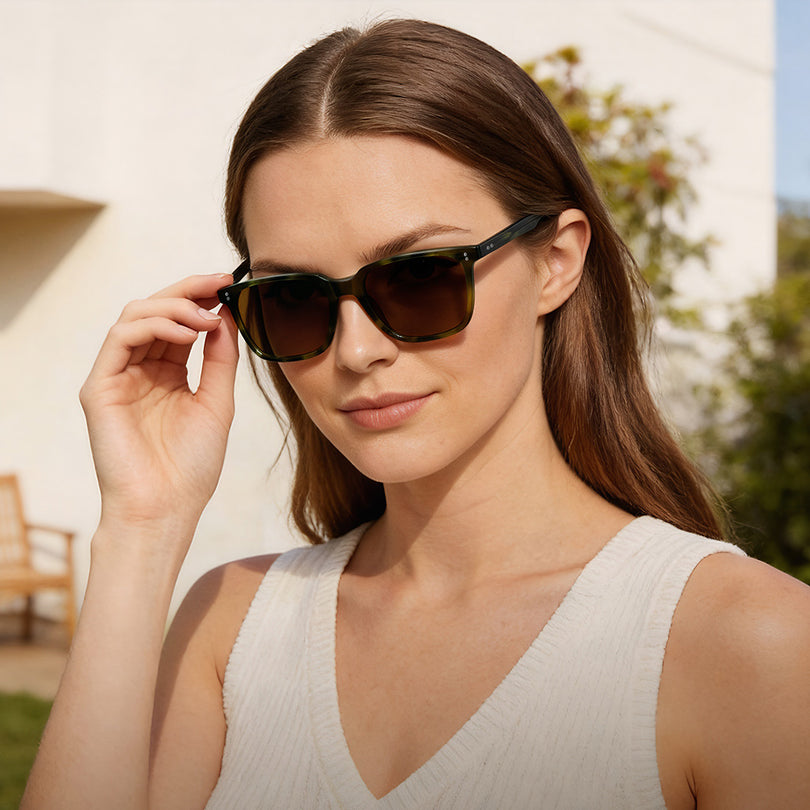



Most sunglass advice assumes an average face. If your current pair slides down your nose, sits on your cheeks when you smile, or makes your eyes look closer together than they are, the problem is not the shape — it is that the front is 10 mm too wide.
This drop includes four frames sized for a narrow face: a 137 mm round, a size-S round with a metal brow, a 139.5 mm square on a keyhole bridge, and one at exactly 140 mm. Four frames, four different reasons to be small. All four are on the new arrivals page, and none of them is simply a shrunken version of a larger frame — the proportions were cut separately.
|
01
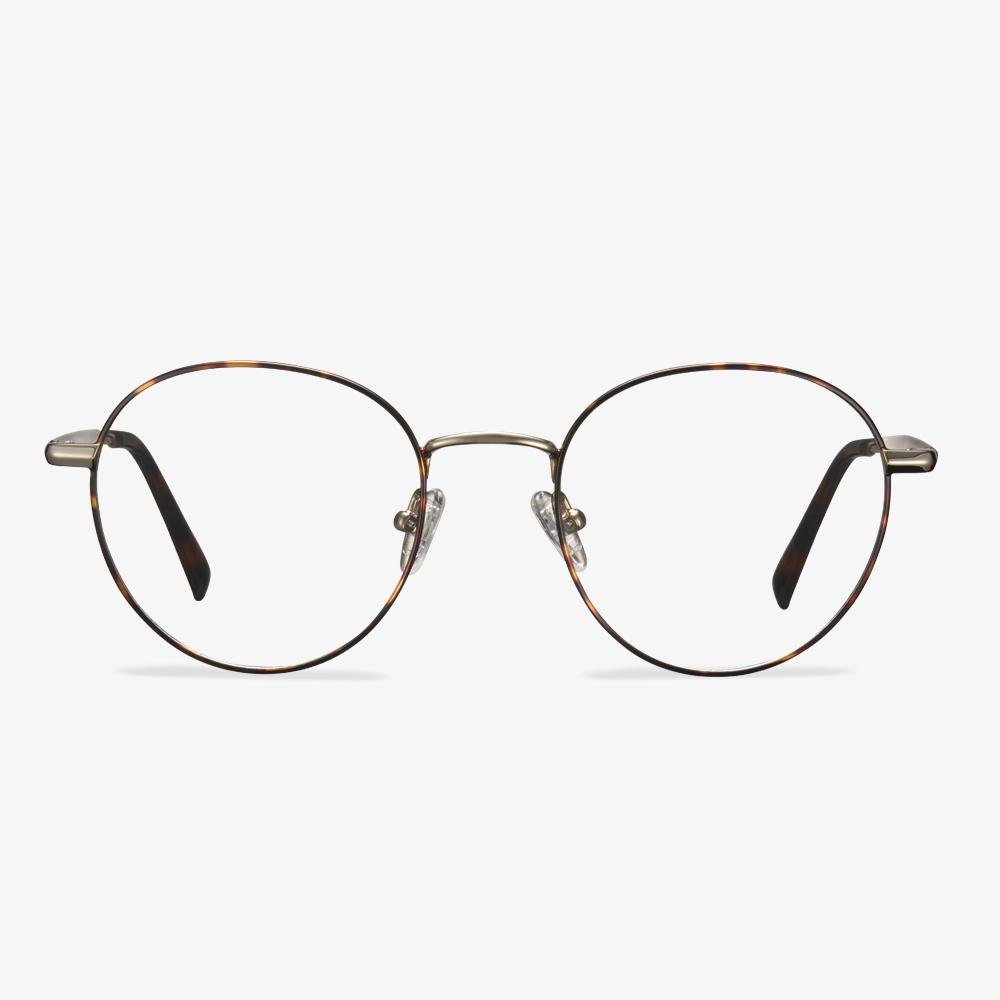
Monterey-C12
Round · 137 mm · metal and acetate
|
02
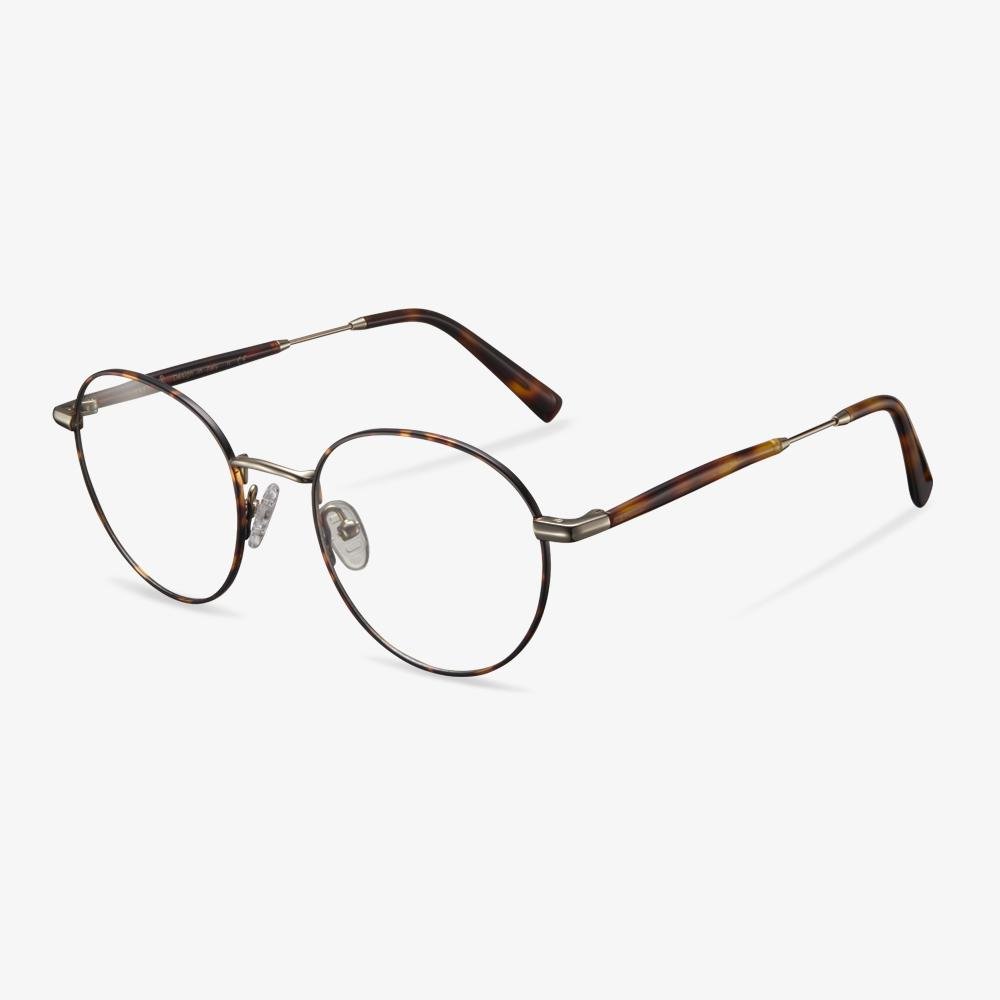
AvonPark-C25
Round · size S · gold metal brow
|
03
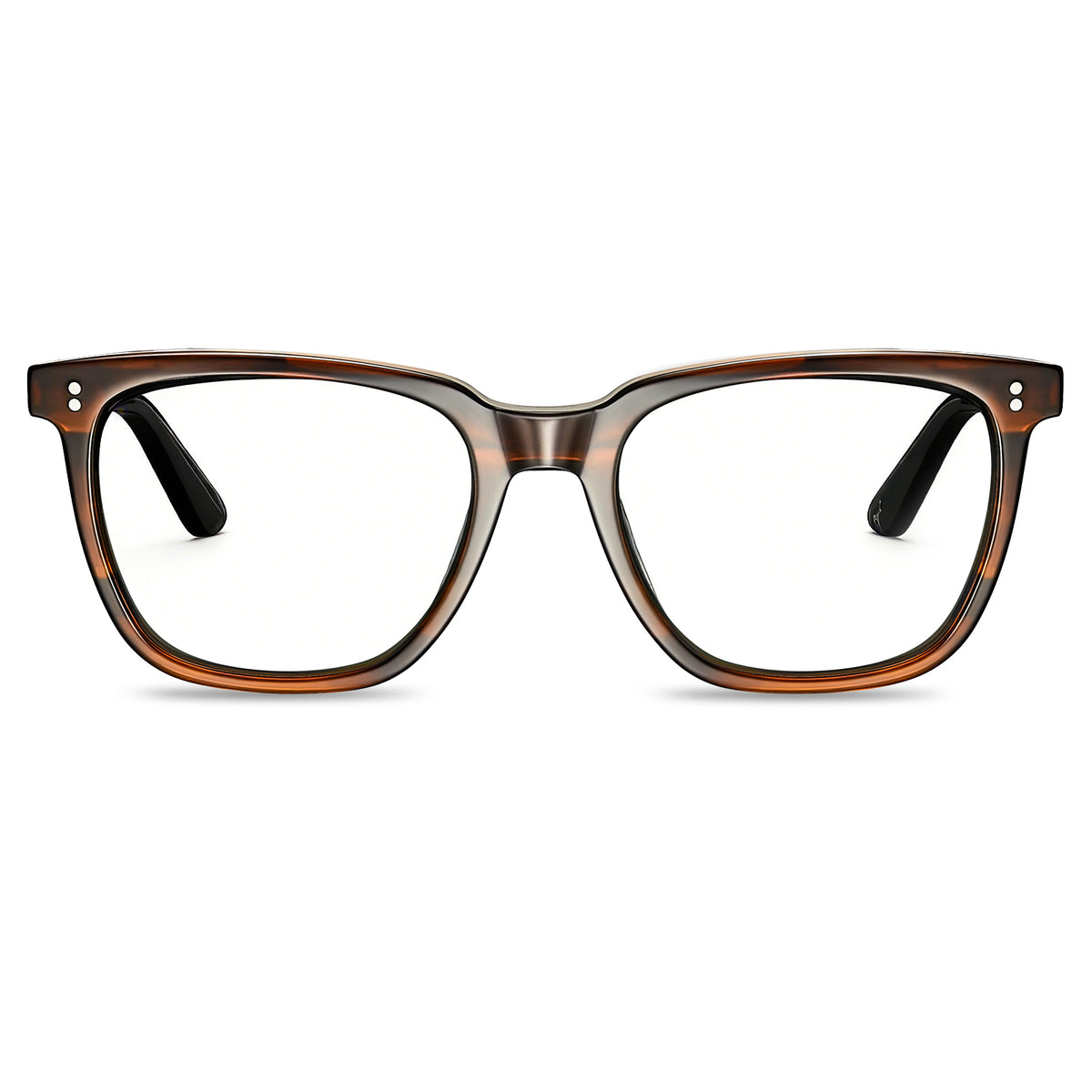
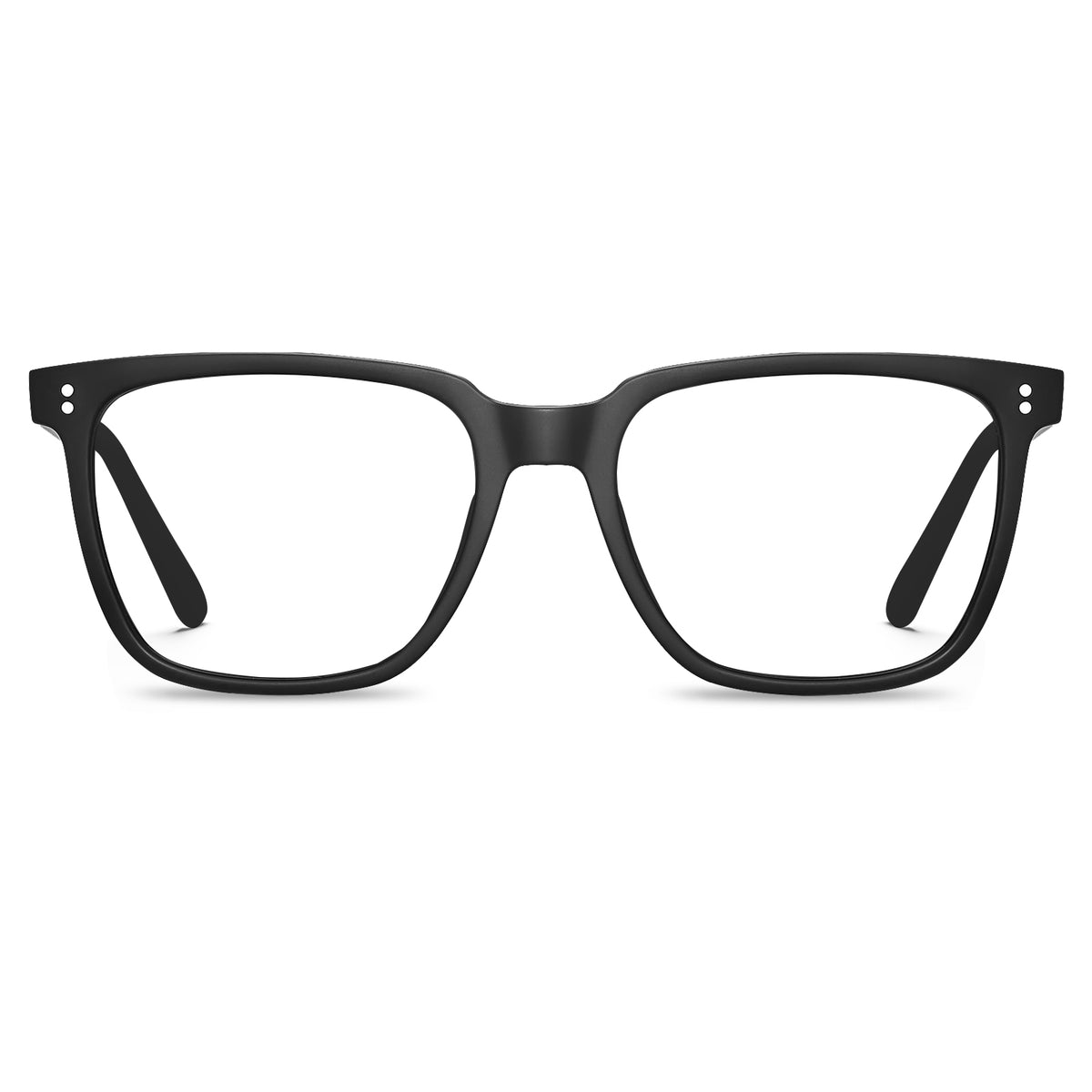
Downey-L18
Square · 139.5 mm · keyhole bridge
|
04
Retro-C06
Round · 140 mm · clear
|
What goes wrong when a frame is too wide
Three failures, in order of how often they happen. The frame slides, because the temples are splayed and the bridge is not carrying any weight. The lenses sit too far apart for your pupils, so the optical centre of each lens is outside your line of sight and your eyes have to converge inward all day — this is the one people feel as tiredness rather than as misfit. And the frame covers the top of the cheek, which is what makes a narrow face look like it is wearing someone else's glasses.
A frame that is 6 to 8 mm narrower fixes all three at once. That is roughly the gap between a 148 mm front and a 140 mm one, and it is the reason the four frames below are worth looking at together rather than one at a time.
The four frames


The narrow end of the range
| Frame | Shape | Front | Construction | Bridge | Note |
|---|---|---|---|---|---|
| Monterey-C12 | Round | 137 mm | nickel-free metal rim, acetate temples | standard | The narrowest front in this drop |
| AvonPark-C25 | Round | size S | metal brow, acetate rim | standard | Cut for small faces, 146 mm temple |
| Downey-L18 | Square | 139.5 mm | hand-polished acetate | keyhole | Keyhole bridge holds a low nose |
| Retro-C06 | Round | 140 mm | acetate, saddle bridge | saddle | Acetate nose pads, non-slip |
The keyhole bridge, and why it matters here
A keyhole bridge is cut to leave a gap over the top of the nose instead of resting on it. On a narrow face that does two things: it stops the frame from being pushed forward by a high bridge, and it makes the front look smaller than it measures, because the eye reads the gap as part of the width. Downey-L18 uses one at 139.5 mm, which is why it sits closer to a 137 mm frame than the number suggests. Nose marks and bridge fit covers the four bridge types and which face they suit.
Retro-C06 takes the other route: a saddle bridge with acetate nose pads, which spreads contact across the sides of the nose rather than two points. That is the more forgiving option if you have never worn a narrow frame before, because it will not reveal a badly sized bridge immediately. It is also 140 mm rather than 137, so it is the safest of the four to order blind.
Prescription in a small frame
A small front is not only a fit choice. It is the cheapest way to make a strong prescription look thin, because lens thickness grows with lens size — the same prescription in a 48 mm lens is visibly thinner at the edge than in a 54 mm one. If your prescription is above about −4.00, a narrow frame plus a high-index lens is the combination that stops the frame edge from showing. High-index lenses explains the material step, and our lenses lists what is available at checkout.
That logic is also why the round sunglasses and women's sunglasses collections are worth browsing even if you have already found your width: two frames with the same front measurement can differ by 4 mm in lens width, and in a prescription that 4 mm is visible.
How to confirm the width at home
- Put on the pair that fits you best and look straight ahead.
- Mark where the frame ends relative to your face — inside the temple line, on it, or past it.
- Measure that frame hinge to hinge. Inside 140 mm is where these four sit.
- Check the temple length: 145 mm on three of them, 146 mm on AvonPark-C25.
- If you wear a prescription, note the pupillary distance on your prescription and compare it with the lens centres.
frame measurement has the diagram for step three, pupillary distance explains step five, and the small-face fit guide covers the shapes that work best under 140 mm — which is a shorter list than most people expect.
Worth knowing before you order: narrow fronts concentrate pressure on a smaller contact area, so the temple fit matters more than it does on a wide frame. If a 140 mm frame has ever left a mark in front of your ear, check the temple length before the width.
If you need the opposite
Everything on this page is at the narrow end. If your current frame pinches at the temples, the four wide squares in this month's drop cover 142 mm to 148 mm instead, and the square sunglasses collection is where the wider fronts are grouped. The acetate collection cuts across both, sorted by material rather than size.
For lens type rather than fit, the polarized collection is the shortest route to everything currently available, and it cuts across all four of the frames above.
Two mistakes with a narrow frame
The first is buying a smaller lens in the same width. A 45 mm lens inside a 140 mm front does not make the frame narrower — it makes the frame look empty, because the rim has to grow to fill the space. The four frames above are cut as narrow fronts with proportionally smaller lenses, which is why they look right rather than merely small.
The second is assuming a narrow frame is a young frame. It is not; it is a frame for a specific head width, and the shapes in this drop are the same shapes you will find at 148 mm. What changes is the amount of frame between the lens and your temple, and that number is what makes a pair look borrowed or made for you. If you have spent years wearing frames that slide, try one in the right width before you decide that glasses simply do not suit you.