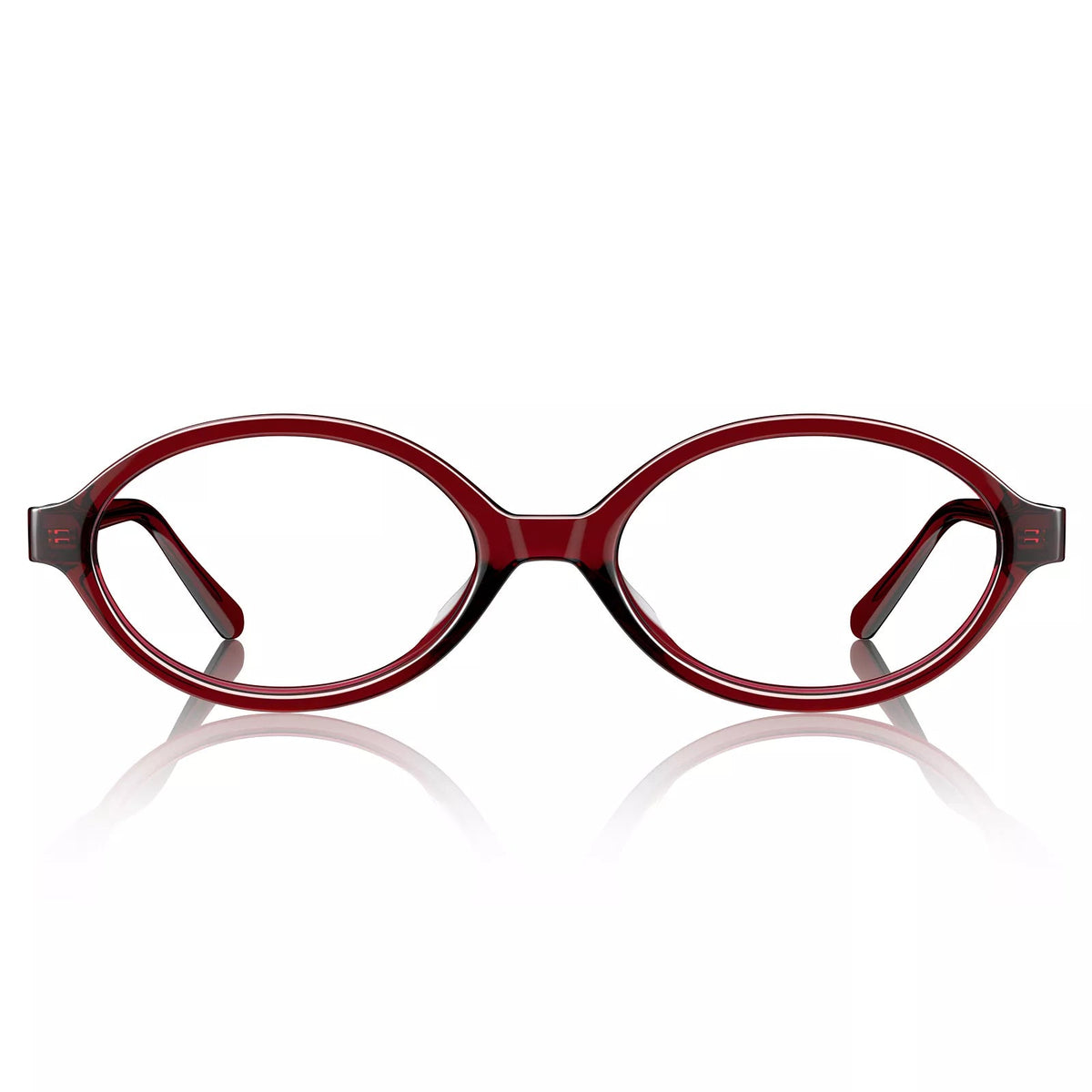








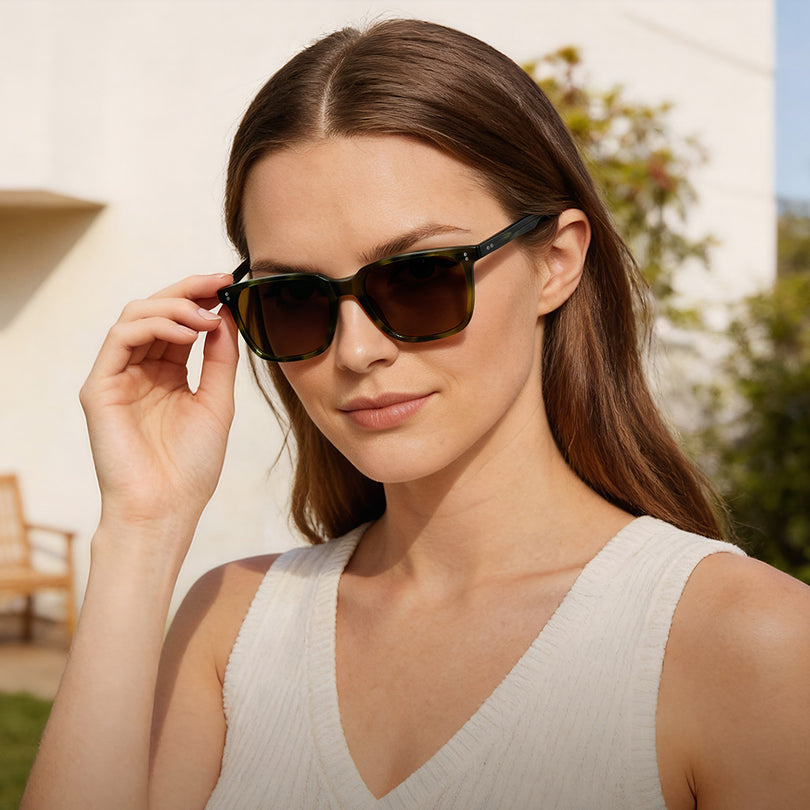



Quick answer: Most glasses damage comes from three things: pulling them off with one hand, leaving them in heat (car dashboards, windowsills), and wiping lenses with a shirt or tissue. Remove them with two hands, store them in a hard case, clean them with lukewarm water and mild dish soap on a microfiber cloth, get a free optician adjustment every 6–12 months, and add anti-reflective and UV coatings. Minor metal bends can be corrected at home with plastic-tipped pliers; cracked frames, loose lenses, and outdated prescriptions mean it's time for a new pair.
Key takeaways
- One-handed removal is the single most common cause of crooked glasses.
- Heat above roughly body temperature warps acetate frames permanently.
- Paper towels, tissues and shirts scratch lens coatings; microfiber does not.
- A home straightening job should take small increments, never one big bend.
- Replace, don't repair, when the frame is cracked, the lens is loose, or your prescription is over 1–2 years old.
Prevention is cheaper than repair. A bent temple, a scratched lens, or a warped acetate frame can often be traced back to a single habit: putting glasses down lens-side up, yanking them off with one hand, leaving them on the dashboard in July. These five habits will keep almost any frame in shape for years, and the guide below explains what to do when DIY is not enough.
How to straighten bent metal frames in 4 steps
If your metal frames have gone crooked, you can usually correct minor bends at home in under five minutes. Here is the safest method.
- Protect the lenses. Lay a soft cloth over the lenses so pliers never touch the glass or coating.
- Grip the bend. Use plastic-tipped pliers at the temple or bridge, never bare metal on metal.
- Bend a little at a time. Small, steady moves, checking alignment after each micro-adjustment.
- Try them on and check. Lens centers should sit level and at equal distance from both eyes.
Over-correcting is the most common DIY mistake. Stop as soon as they feel right. For acetate (plastic) frames, run the temple under warm water for 30–60 seconds to soften it first, then reshape by hand.
5 habits that keep frames straight
1. Clean them the right way
Rinse lenses under lukewarm water, add a drop of mild dish soap, rub gently, rinse, and dry with a clean microfiber cloth. Never use paper towels, tissues, or your shirt: wood-pulp and clothing fibers scratch lenses and damage protective coatings. Skip household glass cleaner too, since ammonia strips anti-reflective layers.
2. Store them in a hard case
When they're not on your face, they belong in a hard-shell case. Never leave glasses on the car dashboard or a sunny windowsill, because heat warps plastic frames and degrades coatings. If you must set them down bare, always rest them upside down on the temples, never lens-side down.
3. Take them off with two hands
One-handed removal bends the hinge on the opposite side outward, and it's the single most common cause of the "crooked glasses" look. Two hands, straight off the face, every time. The same goes for putting them on.
4. Get periodic adjustments
Even careful wearers loosen over time. Have an optician check screws and alignment at your next eye exam, usually a free service even if you didn't buy the frames there. Well-fitting glasses are more comfortable and far less likely to slip and fall.
5. Add protective coatings
Anti-reflective coatings reduce glare and eye strain, and UV coatings (or lenses with built-in UV protection) shield your eyes from solar radiation. Plastic lenses already block some UV, and coatings add more. If you spend hours on screens, our deep dive into whether blue-light glasses actually work is worth a read, and our blue-light blocking collection has frames with protective lenses built in. For sunny days, polarized UV-protective styles live in our driving glasses collection. Look for lenses that block 99–100% of UVA and UVB.
When it's time for a new pair
Not every pair deserves a repair. Consider replacing your glasses when:
- Your prescription is more than 1–2 years old. Vision changes gradually, and wearing an outdated prescription causes avoidable eye strain and headaches. Eye health organizations recommend comprehensive exams every 1–2 years for most adults, and more often if you're at higher risk.
- The frame is badly warped or cracked. Repeated re-bending weakens metal, and cracked acetate can't be reliably glued back to safe strength.
- The lenses are scratched or the coating has worn through. No home fix restores clarity.
- Your needs changed. Started spending more time on screens or driving at night? Different activities can call for different lens designs. Our guide on distance vs. reading glasses breaks down which correction you actually need.
When it's time to upgrade, Carfia's full prescription eyeglasses collection starts around $30, with free virtual try-on so you can see the fit before you buy.
Shop new prescription sunglasses at Carfia
Already in the market for a fresh pair? These prescription-ready sunglasses combine UV protection with everyday comfort, and each one can be ordered with your exact prescription:
AvonPark C24 RX — $33.00
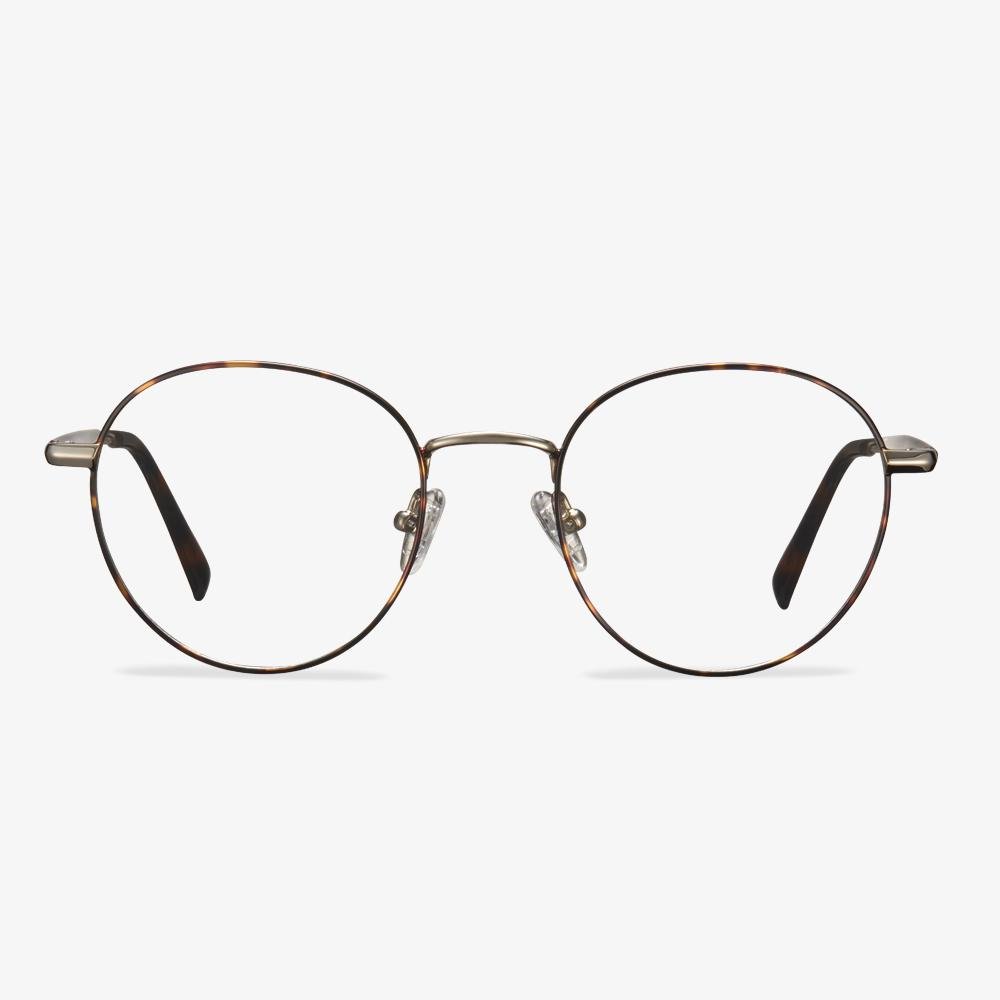
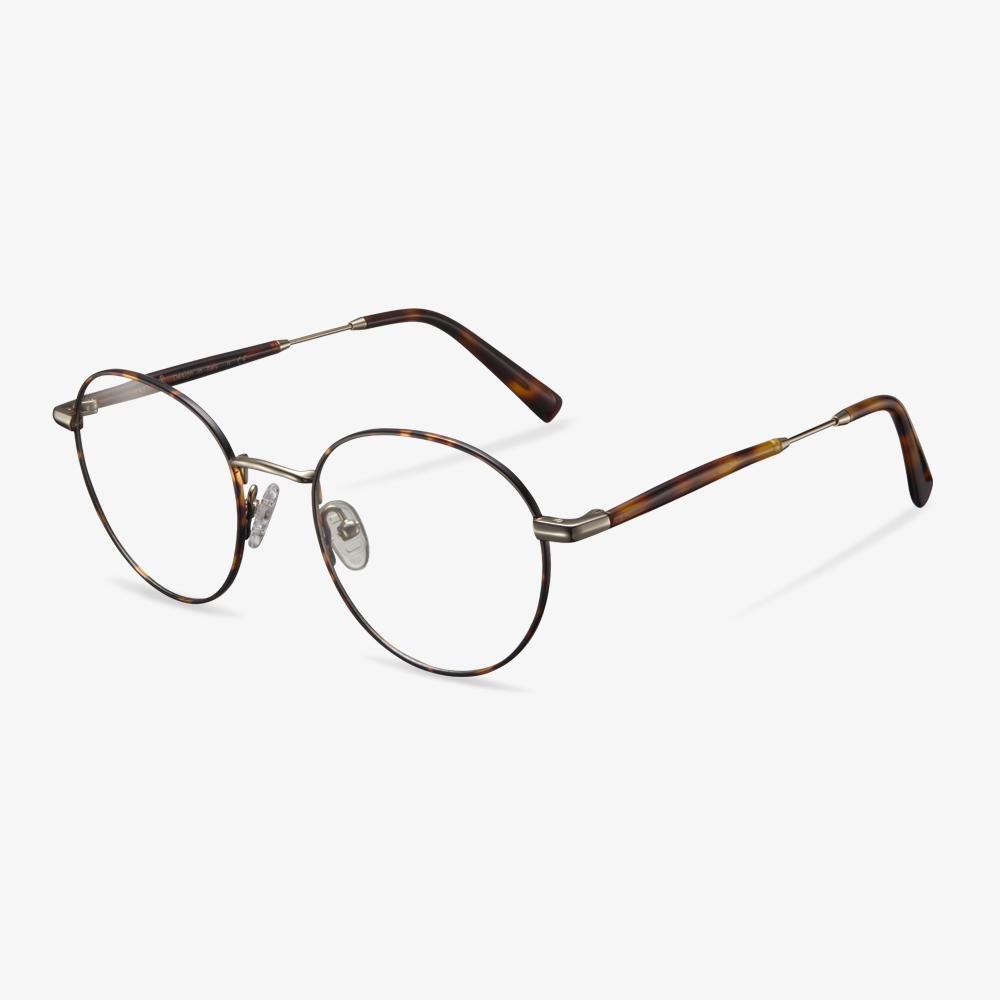
Round tortoise acetate frame. The classic round silhouette softens angular features and sits evenly on the bridge, making it a forgiving choice if your last pair kept twisting.

Shelton C06 RX — $35.00
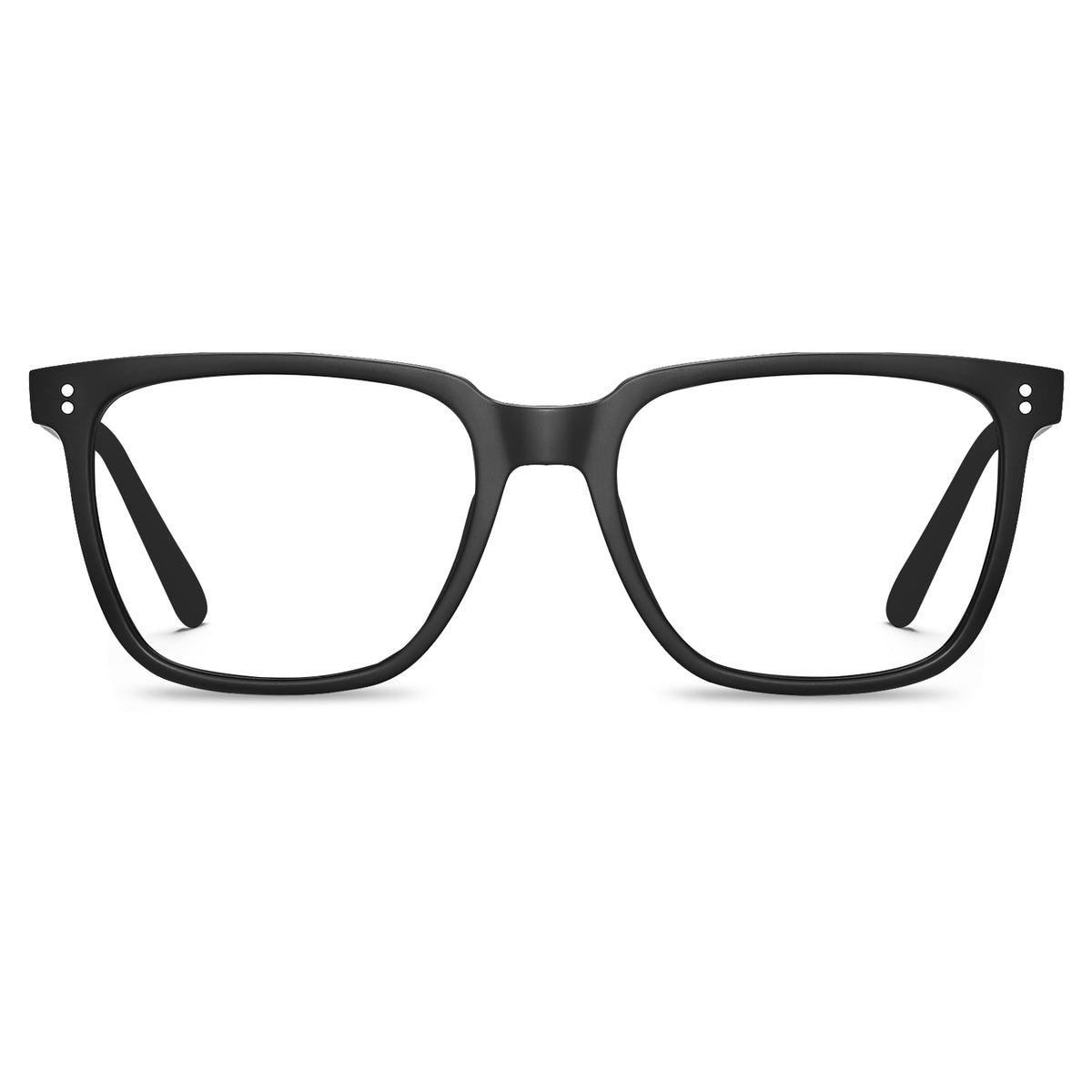
Square grey frame with a clean, low-profile fit. Square silhouettes hold their geometry well over years of wear, and the neutral tone pairs with polarized, UV-protective lenses for daily driving.

Chicago C05 RX — $35.99
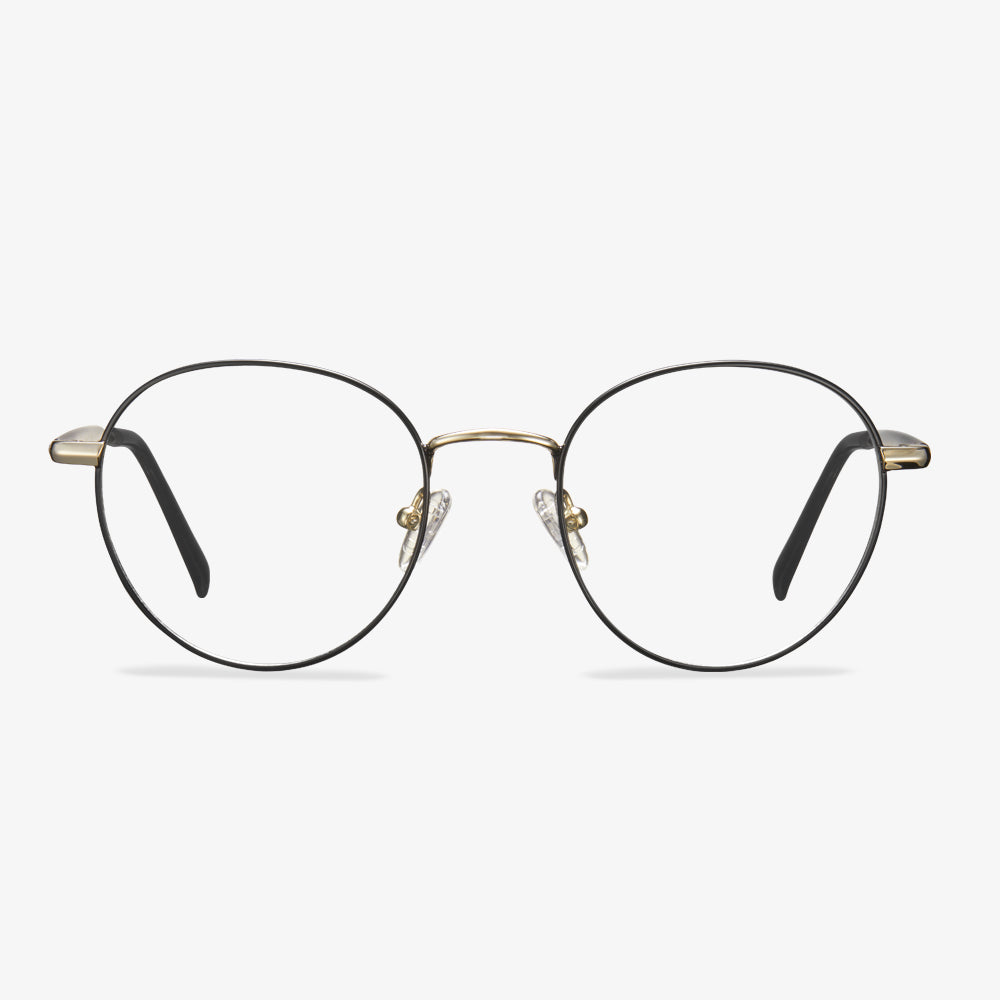
Retro pantos-round frame. A versatile everyday shape that reads as both fashion-forward and functional, with a balanced weight distribution that keeps the frame stable on long wear.

Or explore the whole lineup in the prescription sunglasses collection. Every pair ships with the option to add your prescription.
Frequently asked questions
Why do my glasses keep going crooked?
Almost always because they're removed with one hand, which levers the opposite hinge outward a fraction of a millimeter at a time. Sleeping in them, pushing them up on your head, and storing them loose in a bag add to it. Switching to two-handed removal and a hard case stops the drift.
How much does it cost to fix bent glasses?
Simple adjustments, such as straightening temples, tightening screws, and adjusting nose pads, are often free or under $10 at optical shops. Replacing a temple or a lens costs more, typically $20–80 depending on the frame and lens type. Call ahead for a quote.
Can I fix my glasses at home without breaking them?
Yes, for minor bends. Metal frames can be adjusted gently with plastic-tipped pliers, and acetate frames with warm water. Work in small increments, protect the lenses with a cloth, and stop as soon as the fit feels right. If the frame is cracked, twisted severely, or the lens is loose, take it to a professional.
Will hot water damage my plastic frames?
Only if it's too hot. Water that's uncomfortable on your wrist can permanently warp plastic frames and lenses. Use warm water for 30–60 seconds, enough to make the acetate pliable, not soft.
What is the correct way to clean glasses?
Rinse under lukewarm running water, apply a drop of mild dish soap, rub both sides of each lens gently with your fingertips, rinse, then dry with a clean microfiber cloth. Avoid ammonia-based glass cleaners, tissues, paper towels and clothing.
How often should I get my glasses adjusted or replaced?
Have screws and alignment checked every 6–12 months, or at your annual or biennial eye exam. Most adults need a comprehensive exam every 1–2 years. Replace the glasses themselves when your prescription changes, when the frame is damaged beyond repair, or when lenses are too scratched to see clearly.
Do scratched lenses need replacing or can they be buffed out?
They need replacing. Home remedies like toothpaste or baking soda remove the anti-reflective and UV coatings along with the scratch, which makes glare and clarity worse, not better.
Sources and medical disclaimer
- American Academy of Ophthalmology — Eyeglasses: How to Choose Glasses for Vision Correction (lens materials, protective coatings, lens fit and optical center).
- Cleveland Clinic — Eyeglasses (cleaning, storage, frame adjustment, when to call your eye care specialist).
- American Academy of Ophthalmology — Protective coatings for eyeglasses (anti-reflective and UV coatings).
- National Eye Institute — Keep Your Eyes Healthy (sunglasses blocking 99–100% of UVA and UVB).
- American Optometric Association — Updated Clinical Guideline: Annual Comprehensive Eye Exams; National Eye Institute — Get a Dilated Eye Exam (exam frequency by age and risk).
Reviewed by the Carfia Eyewear editorial team. This article is for general information only and is not medical advice. Always consult an optometrist or ophthalmologist for eye health questions and prescription decisions.