





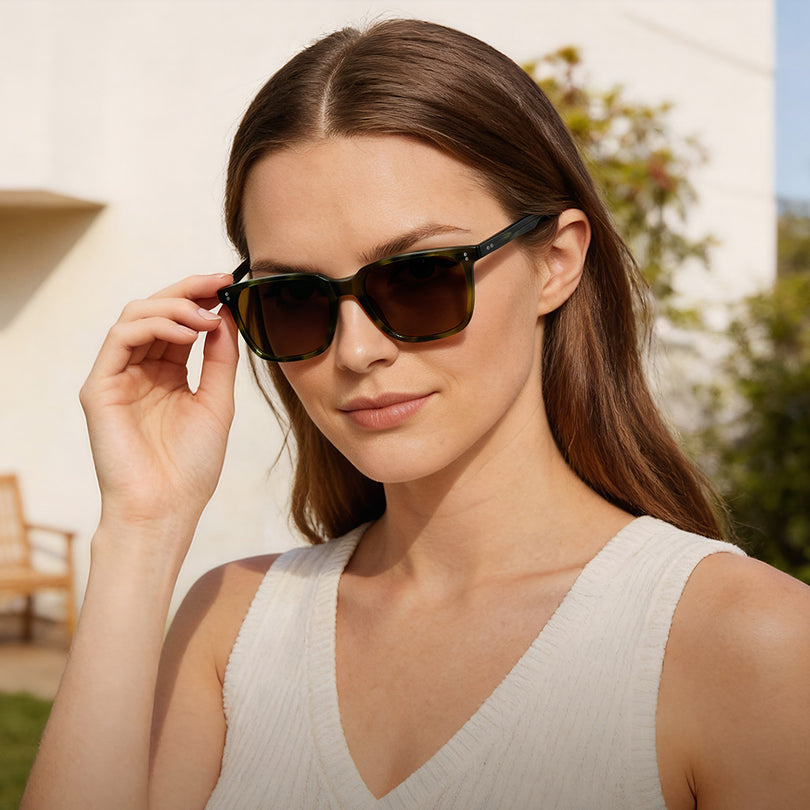
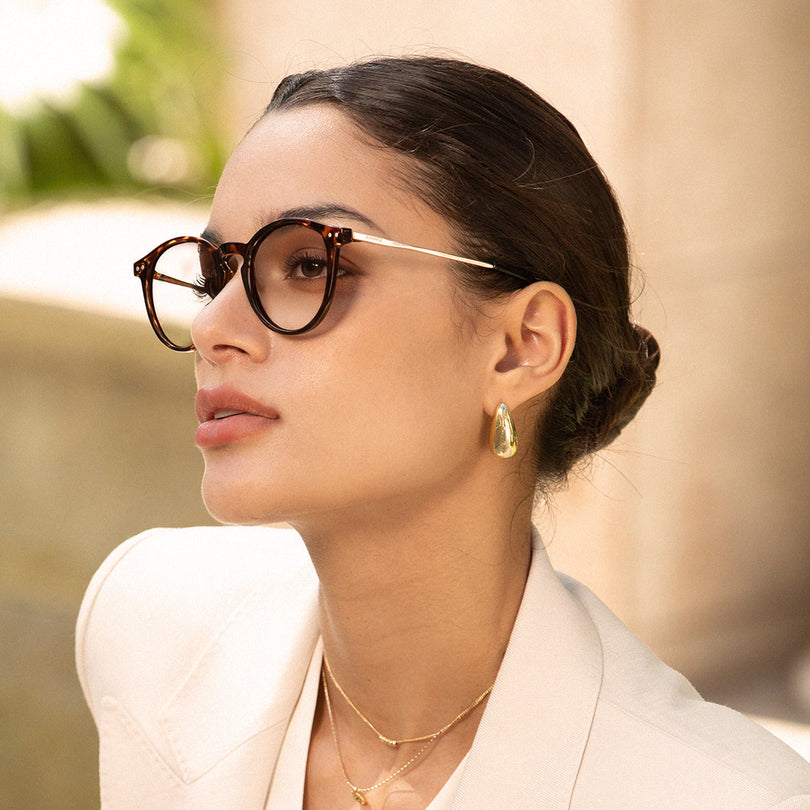


Square eyeglasses have a structured lens outline with defined corners, often softened for everyday wear. To choose a prescription pair, compare frame width, bridge fit, lens dimensions, and temple length with glasses you already find comfortable. Face shape helps with styling, but your prescription requirements and individual fit should guide the final choice.
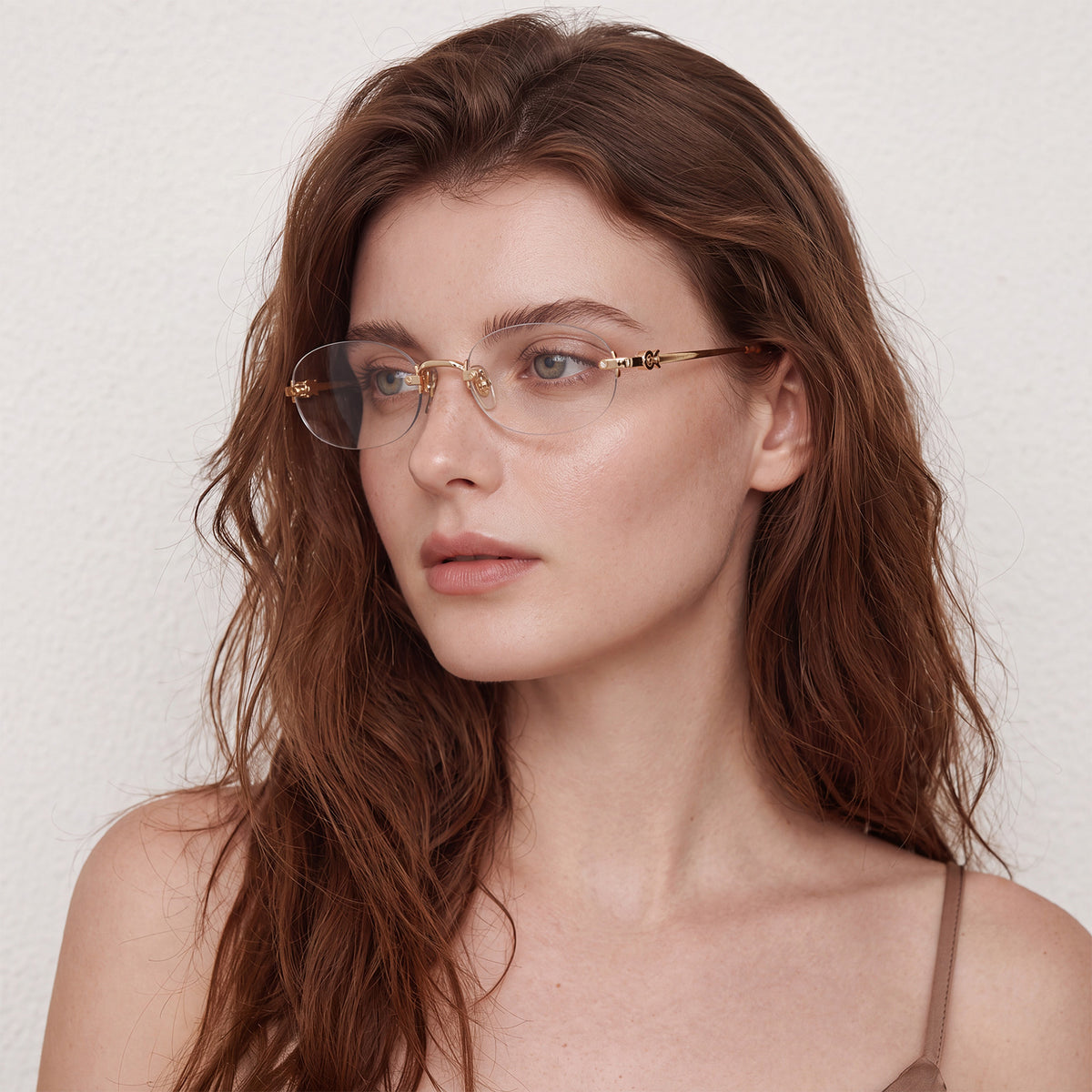
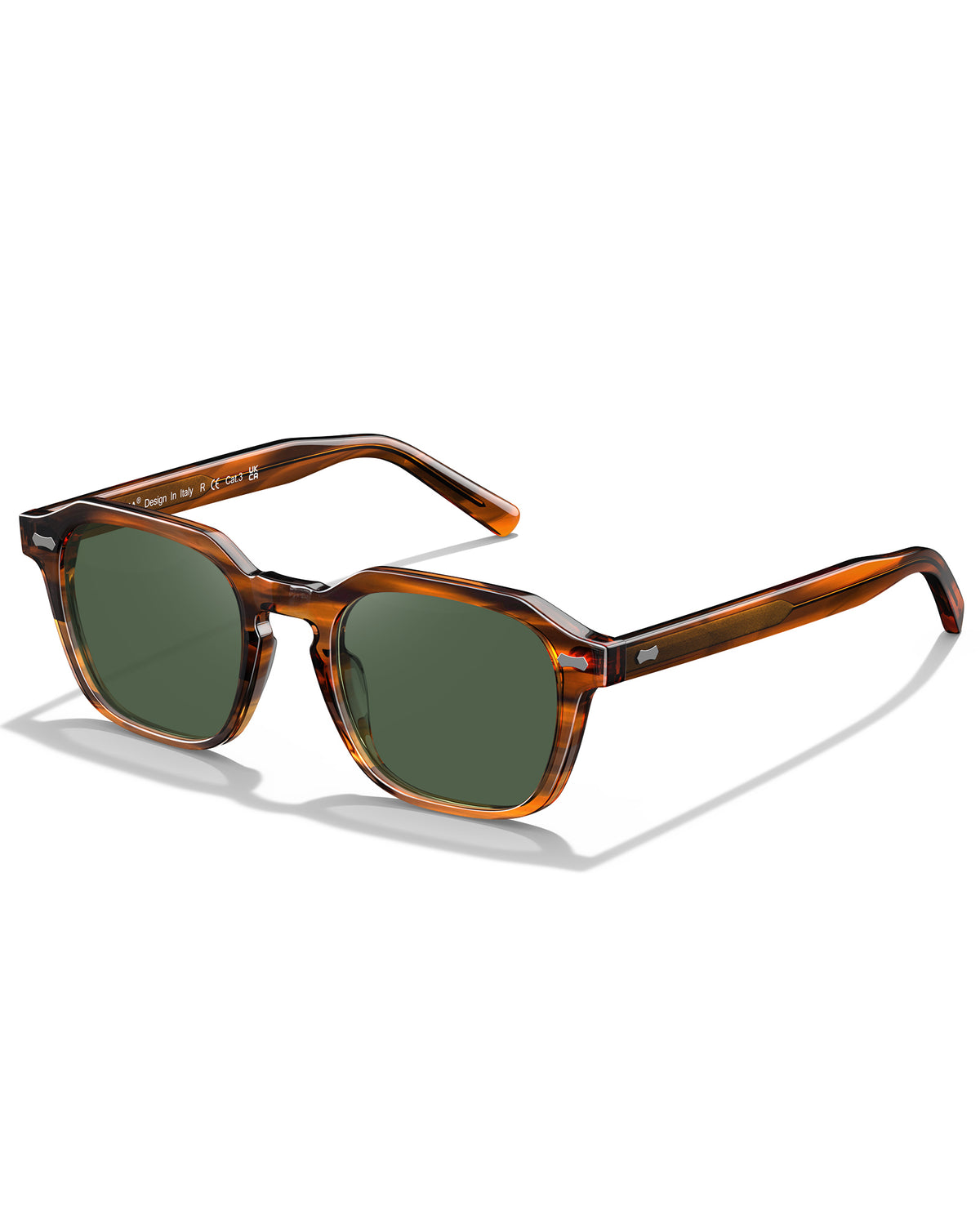
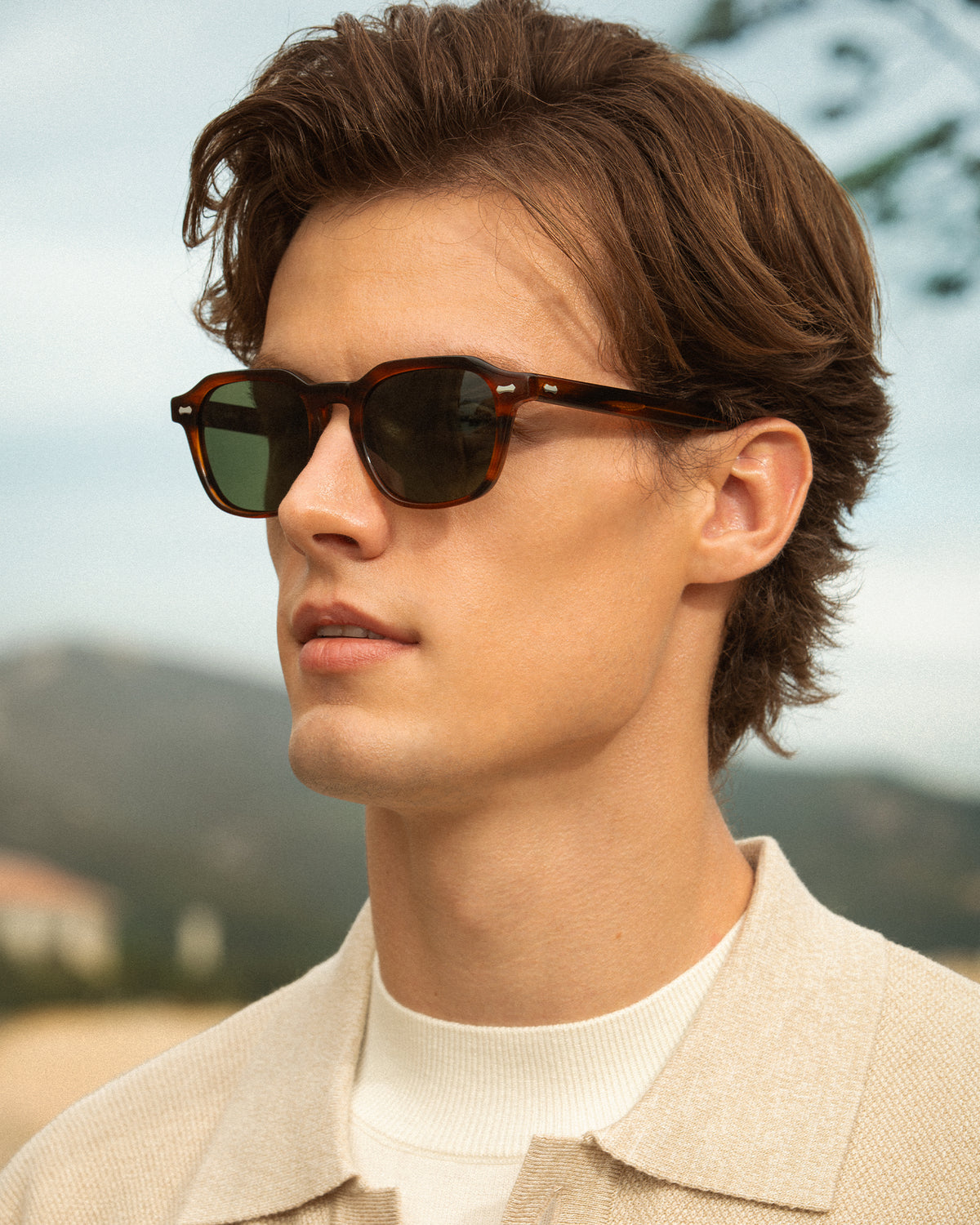
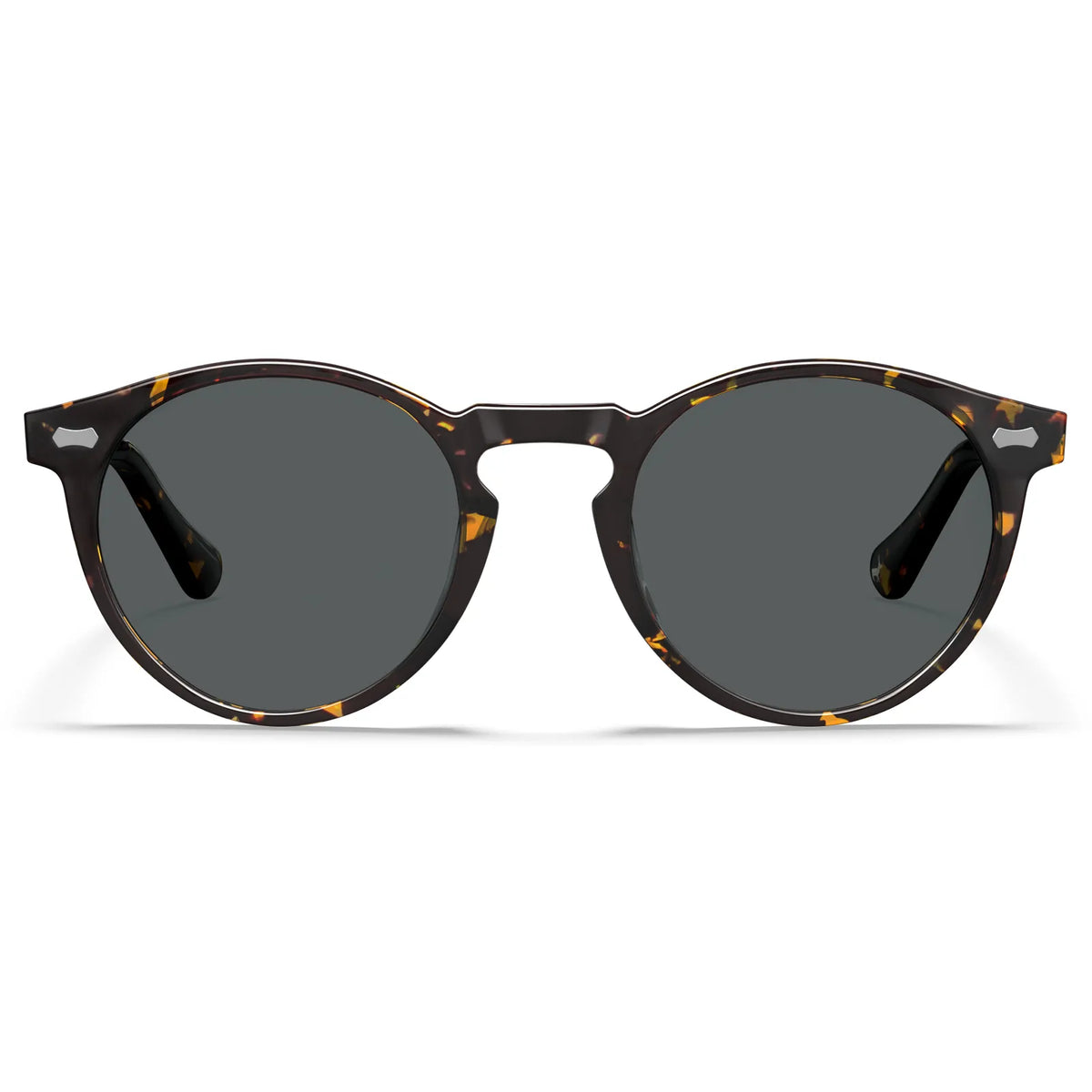
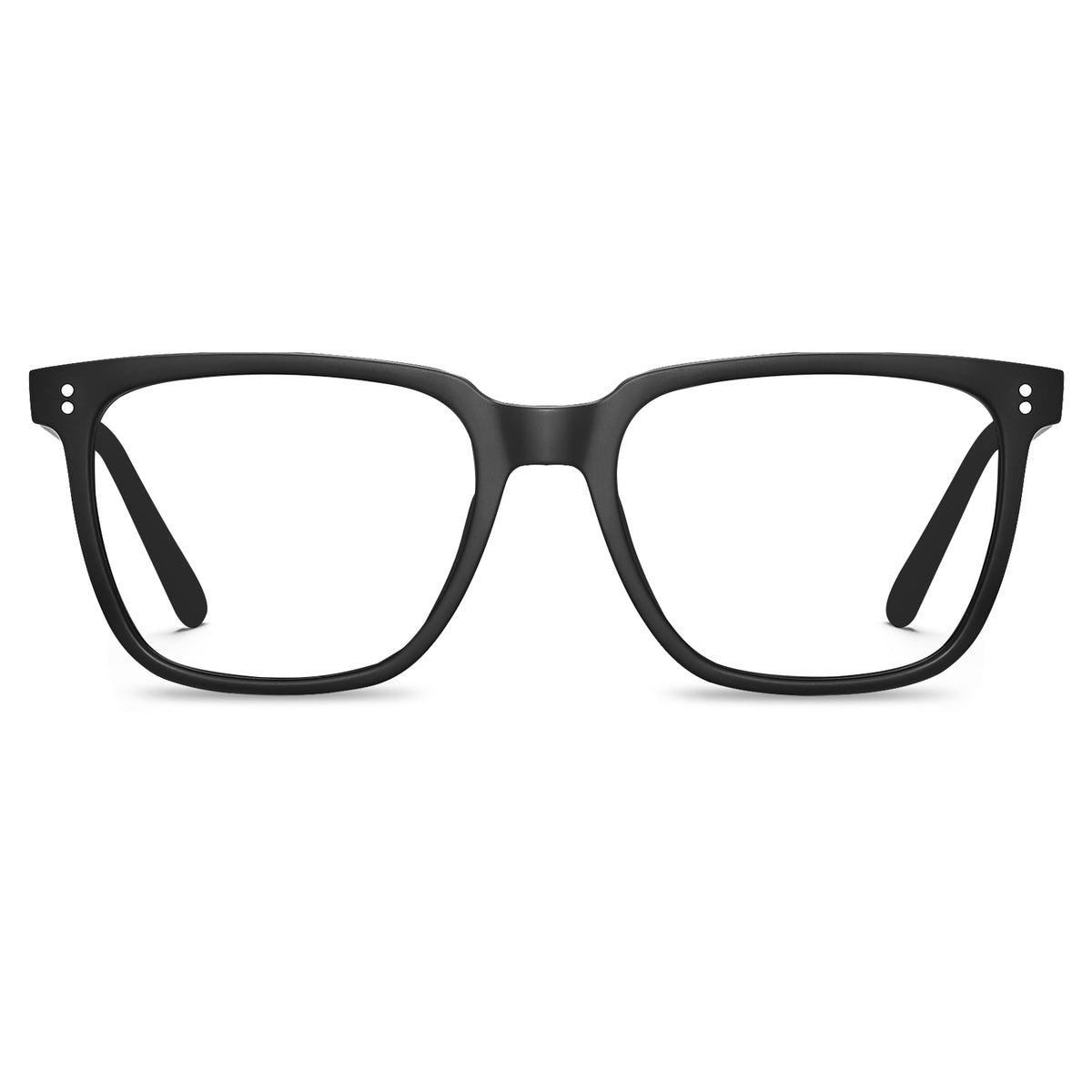
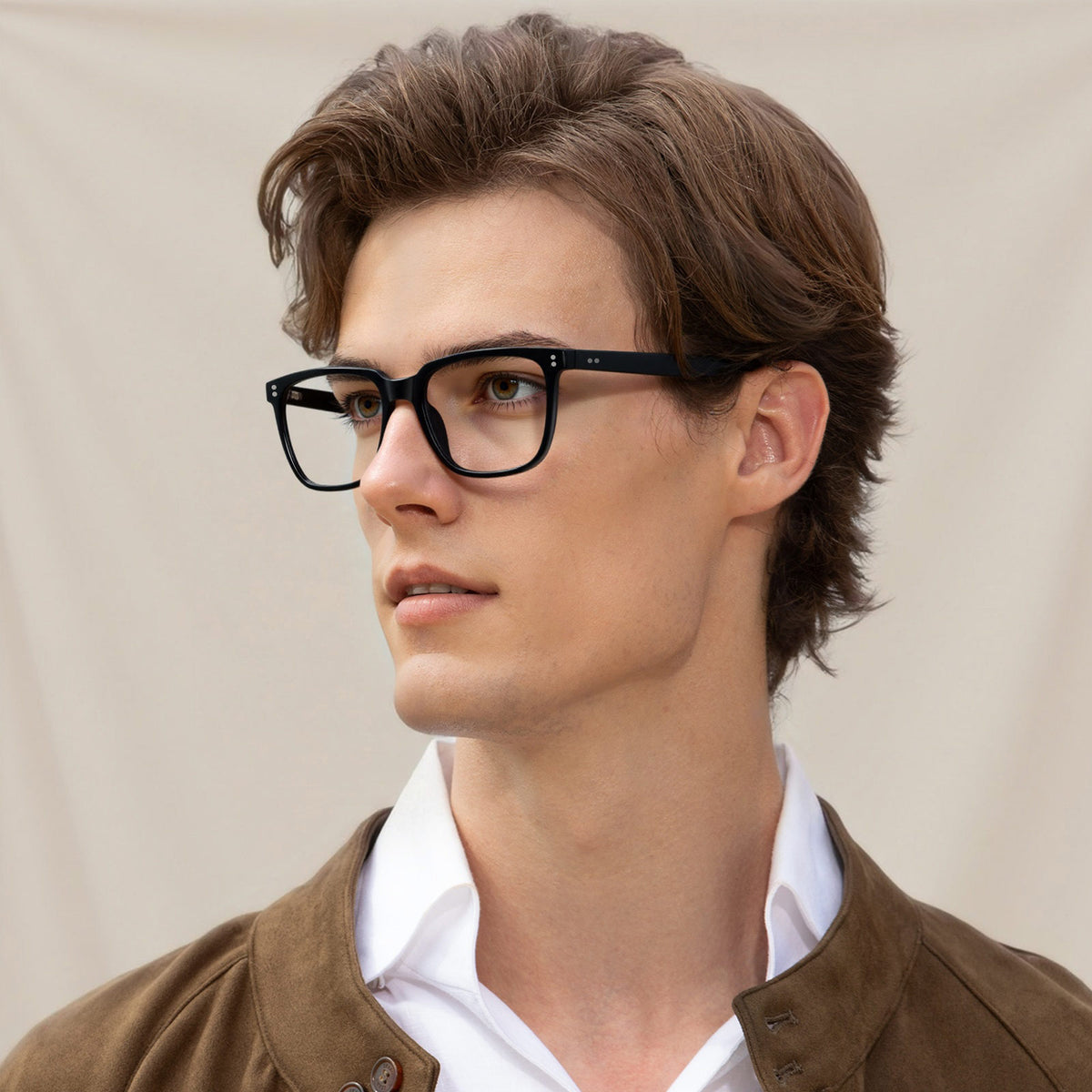
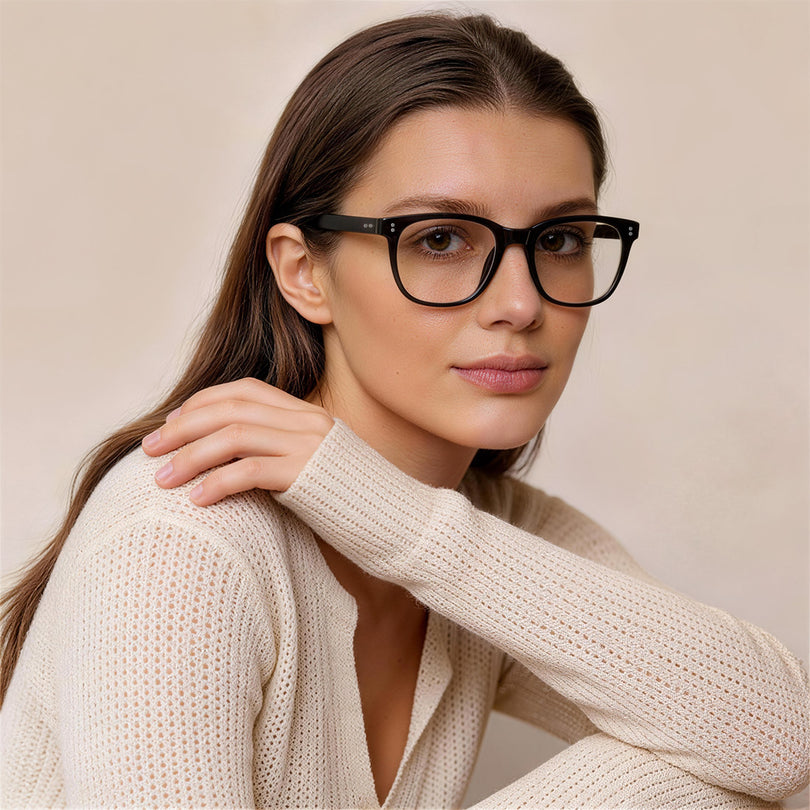
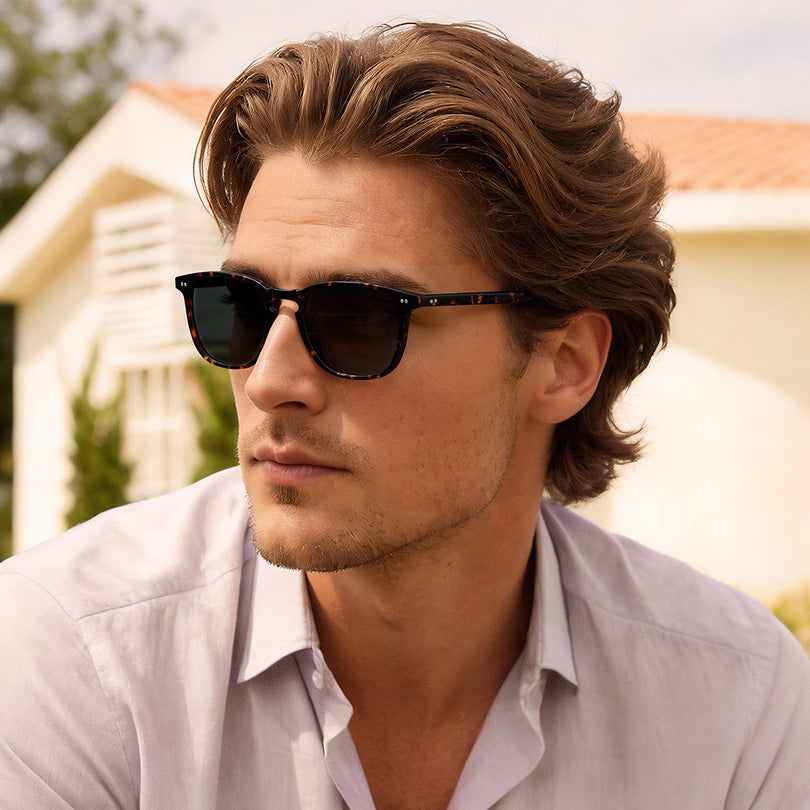
This Carfia guide features four square prescription eyeglass frames with clear-lens product photographs: Milo-FC01, Milo-FC02, Milo-FC04, and Peoria-FC01. These are optical eyeglasses, not prescription sunglasses. Their listings identify square silhouettes, though the corners and proportions vary by design.
What are square eyeglasses?
In eyewear, square describes a design family rather than a mathematically perfect square. Frames may have gently rounded corners, a curved brow, or a slightly wider-than-tall lens opening while retaining a structured appearance. Compared with oval or round designs, square frames generally put more visual emphasis on the brow and outer corners.
Begin with the square eyeglasses collection to compare the silhouettes. Look at the lens opening and frame outline, not just a product name or a face-shape tag.
Five useful takeaways:
- Square frames are not the same as frames recommended for square faces.
- Softened corners can create a less angular look within the square category.
- Black and patterned finishes can change the visual impression of a similar frame.
- Frame measurements matter more than a broad small or large label.
- Prescription readiness does not establish every lens option or individual fitting requirement.
Will square eyeglasses suit my face?
Use face shape as a styling starting point, not a restriction. On a round face, a structured frame can introduce visual contrast. On an oval face, compare the frame's width and depth rather than assuming every square design will work equally well. On a more angular face, softened corners may provide the balance you prefer.
A useful comparison is a straight-on photograph wearing your current pair. Notice whether the frame sits comfortably at the bridge, follows the general line of your brows, and avoids pressing against your cheeks. A shape recommendation cannot predict comfort on its own.
The women's square eyeglasses category provides one starting point. Prioritize the actual fit and the style you enjoy rather than treating category labels as rules.
For another browsing route, explore men's square eyeglasses. Peoria-FC01, featured below, is listed as a men's large-fit optical frame.
How to choose the right frame size and prescription lenses
Start with a pair you already wear comfortably. Compare its lens width, bridge width, and temple length with the candidate frame, then check total frame width and lens height where provided. Numbers are a useful filter, but bridge design and frame geometry also influence how glasses sit.
| Check | What it tells you | What to do |
|---|---|---|
| Frame width | The overall width across the front | Compare with your current pair, especially when considering a large-fit design. |
| Bridge width and shape | How the frame may sit at the nose | Look for a stable fit without uncomfortable pressure. |
| Lens width and height | The proportions of the lens opening | Check both dimensions and ask about your lens requirements. |
| Temple length | The length of the arms | Compare with a pair that sits comfortably behind your ears. |
| Prescription compatibility | Whether the frame supports your intended lens order | Confirm the lens type and fitting measurements with the provider. |
The National Eye Institute's refractive-errors guide explains that an eye-care professional can prescribe eyeglass lenses to correct refractive errors. The frame shape is a style and fitting choice, not the prescription itself.
The American Optometric Association's comprehensive eye-exam guidance describes refraction as part of determining lens power and distinguishes a comprehensive exam from a basic vision screening. Choose frames using an appropriate prescription rather than expecting a different silhouette to resolve a vision concern.
For Peoria-FC01, the listing provides a 147 mm frame width, 53 mm lens width, 49 mm lens height, 19 mm bridge, and 148 mm temples. It lists single-vision, bifocal, and progressive compatibility. The Milo listings confirm prescription suitability but do not provide a comparable measurement set in the descriptions reviewed for this guide. Confirm their current dimensions before ordering rather than assuming they match Peoria.
Four Carfia square prescription eyeglasses to compare
These picks let you compare a dark solid finish, two patterned appearances, and a separate large-fit frame family. Product descriptions identify the frames as square optical eyewear. Photographs help show the styling; they do not establish how your completed prescription lenses will look or fit.
Milo-FC01: a solid black starting point

Choose Milo-FC01 prescription eyeglasses if you prefer a solid black outline. The product image shows softened lower corners, a keyhole-style bridge, and small front pin details. Its listing describes acetate construction and prescription suitability.
For more options in this finish, browse black square eyeglasses. Compare the thickness of the brow and the lens proportions, not just the color.
Milo-FC02: a warm patterned appearance

Compare Milo-FC02 prescription eyeglasses if you like a warmer visual effect. The current image shows amber and brown patterning, although its description includes a black-finish reference. Confirm the selected finish on the product page before ordering. The listing identifies a square acetate frame suitable for prescription lenses.
Milo-FC04: a darker tortoise alternative

Explore Milo-FC04 prescription eyeglasses for a darker patterned option. Its description identifies tortoiseshell acetate construction, a square silhouette, and prescription suitability. The photograph shows a predominantly dark frame with scattered amber highlights.
The tortoise square eyeglasses category is useful for comparing patterned finishes. Pattern placement and the effect of lighting can make similar designs look different.
Peoria-FC01: a listed large-fit option

Consider Peoria-FC01 prescription eyeglasses if you are comparing larger frames. The listing describes a square acetate design with prescription compatibility. Its image shows a dark frame, while the description names a brown-gradient finish; verify the actual color option before purchase. The measurements are a stronger starting point for fit than a photograph alone.
Styling square frames without sacrificing practicality
Decide whether you want the frame to make a strong outline or add subtle texture. Solid black highlights the shape; tortoise introduces variation across the frame. A thicker brow can look more pronounced than a slender rim even when the lens shapes are similar.
Our article on men's black square frames offers a related style perspective. Use it alongside measurements, not as a replacement for a fit check.
For a different material-focused comparison, read about square metal glasses styling. The four products featured in this guide are described as acetate frames, not metal frames.
The National Eye Institute's healthy-vision guidance recommends regular breaks during extended computer use and emphasizes eye-health care. A square frame does not itself establish a screen-comfort or blue-light benefit. Confirm any lens features separately, and discuss persistent visual discomfort with your eye-care professional.
Frequently asked questions about square eyeglasses
Are square eyeglasses suitable for round faces?
They can be an appealing style choice because a structured outline creates contrast with softer facial contours. That is a visual preference, not a universal rule. Compare several frame widths and depths, then check the bridge and temples for comfort. A frame that looks good in a photograph may still need a different size.
Are square frames the same as rectangular frames?
Not exactly. Square-style frames generally have a fuller lens shape, while rectangular frames are often noticeably wider than they are tall. Eyewear labels are design categories, so real products can sit between them. Look at the actual lens opening, corner shape, and measurements instead of relying on the category name alone.
Can I order progressive lenses in these frames?
Peoria-FC01 explicitly lists progressive compatibility, along with single-vision and bifocal options. The reviewed Milo descriptions confirm prescription suitability but do not specify every prescription lens type. Ask the lens provider to confirm your intended configuration and the fitting measurements needed. Do not extend one product's compatibility statement to every square frame.
What should I check before buying square prescription glasses?
Check your prescription, lens type, frame measurements, and the actual color option. Compare the candidate frame with glasses you already wear comfortably, and ask about missing dimensions before ordering. Product images are useful for style, but they cannot confirm individual fit, the final lens configuration, or features not stated for your order.
A good square prescription frame combines a silhouette you enjoy with dimensions and lens options that suit your needs. Begin with fit, compare the four product appearances, and confirm the details that matter for your prescription before making the final choice.
Editorial note: Carfia product descriptions, URLs, and images were checked on October 9, 2026. Where listing colors and photographs differ, this guide flags the discrepancy rather than assuming a finish. The three educational references support general vision information, not an endorsement or independent test of Carfia products. This article is informational, not individualized medical advice.