






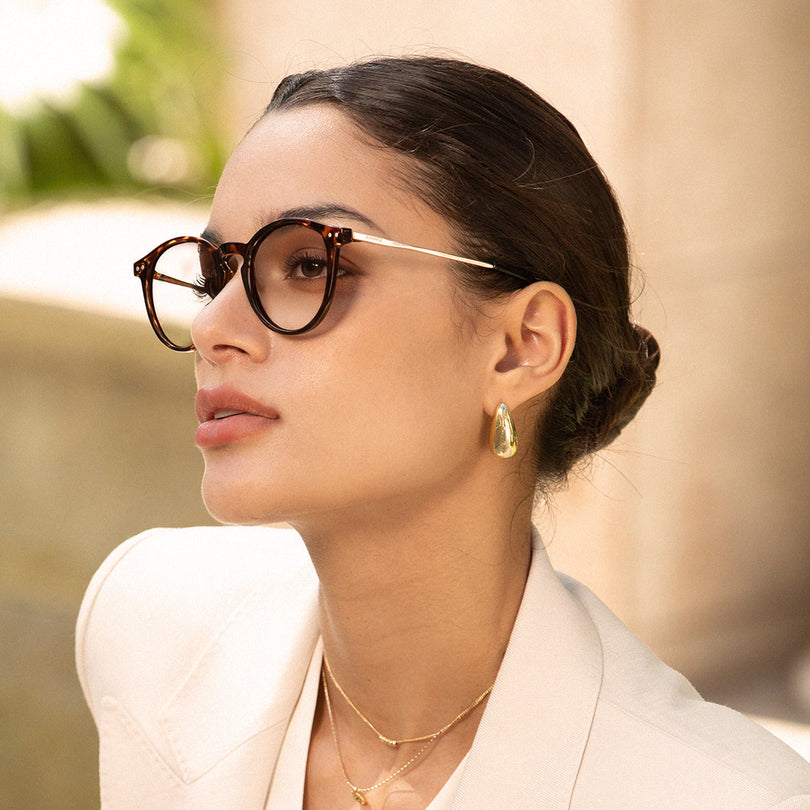


Progressive Eyeglasses
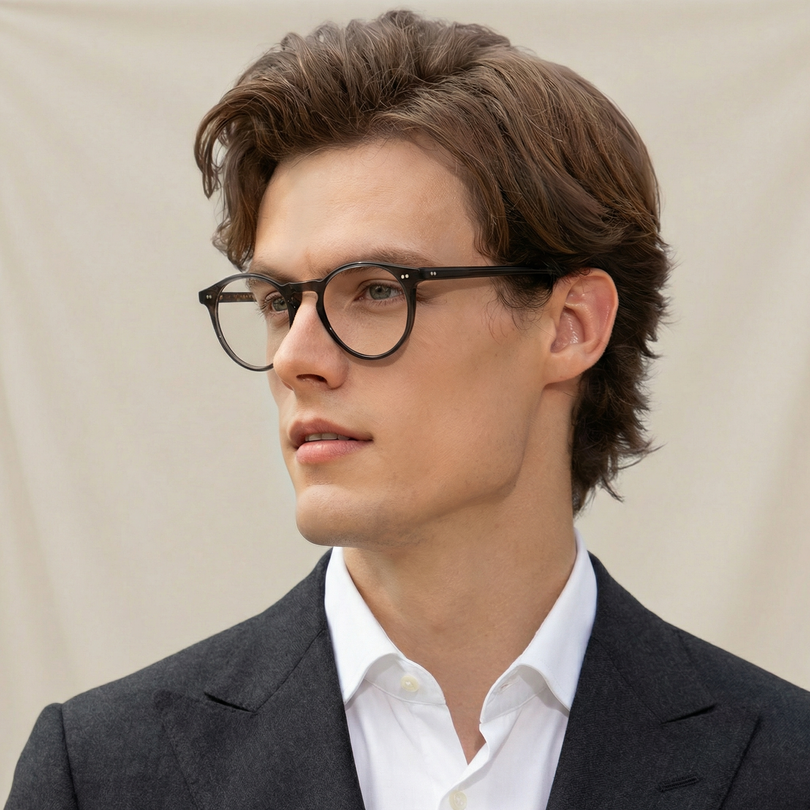
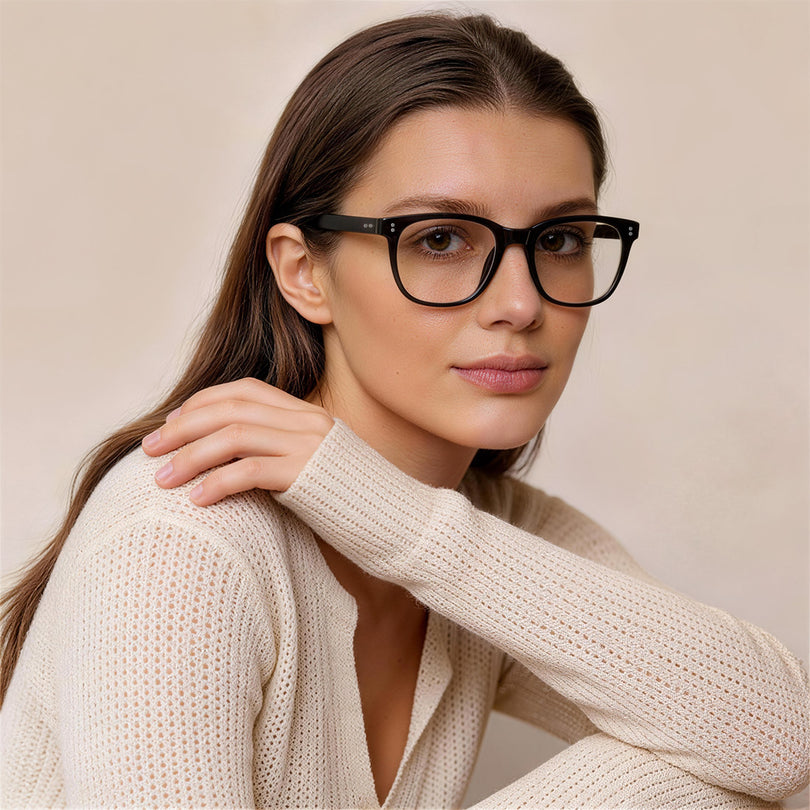
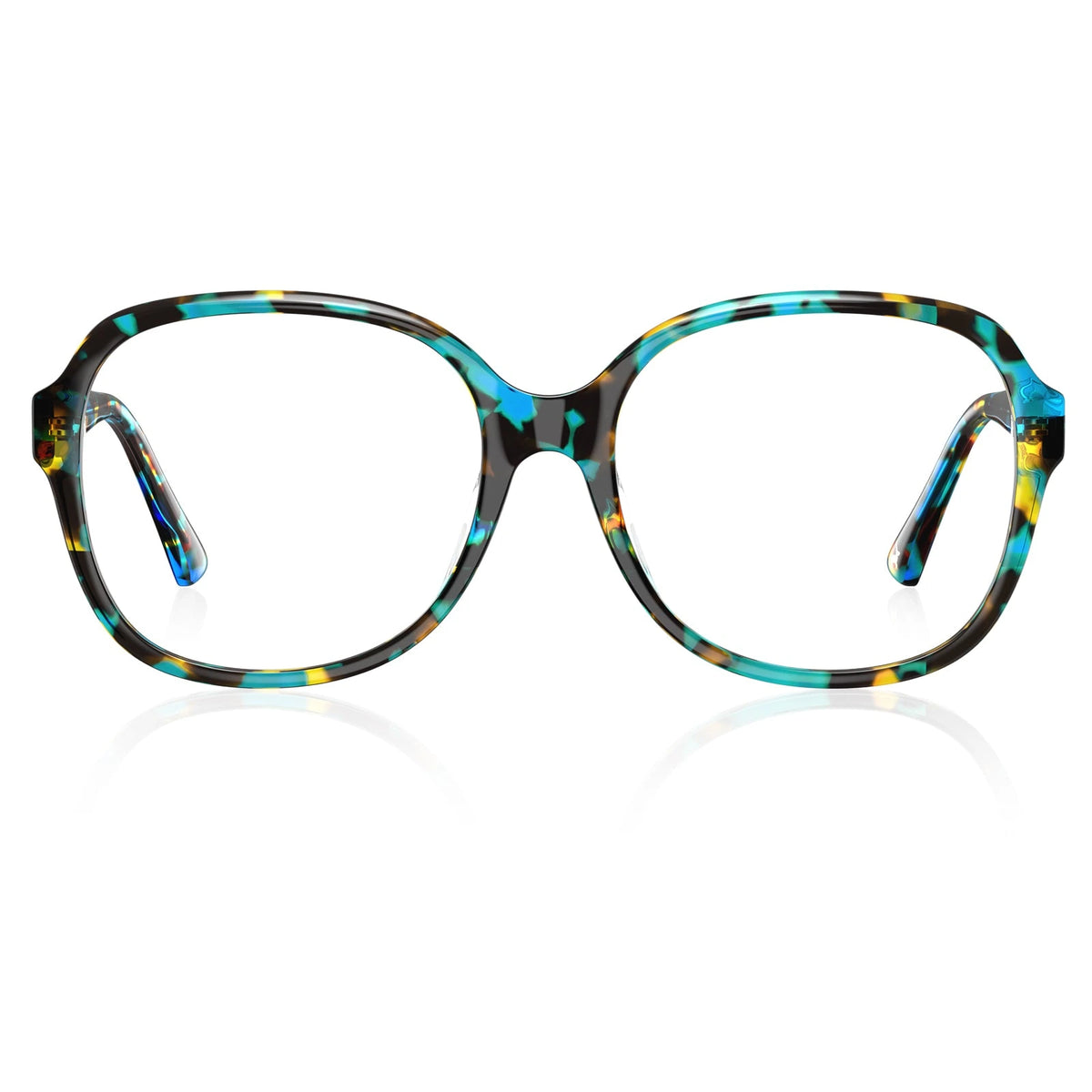
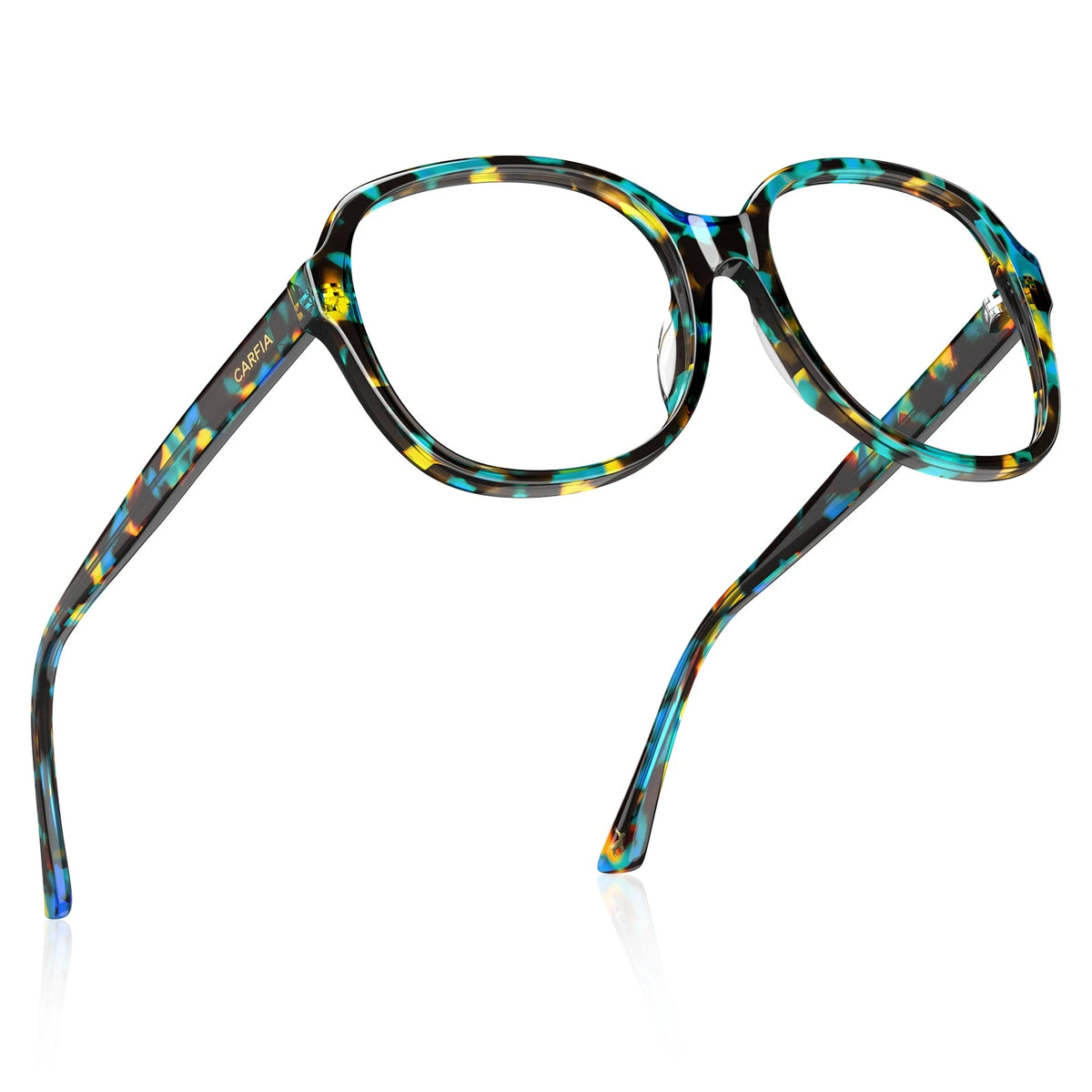
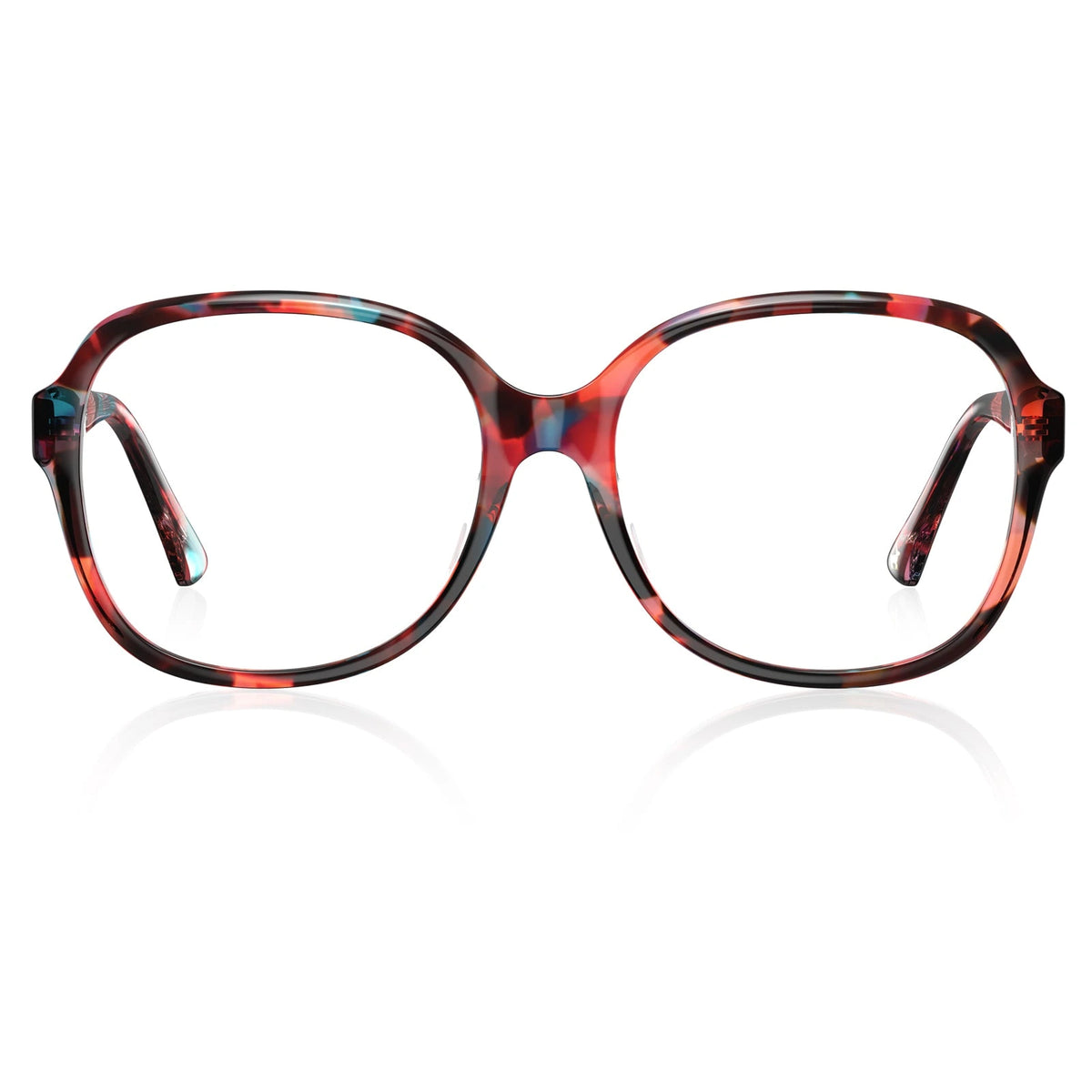
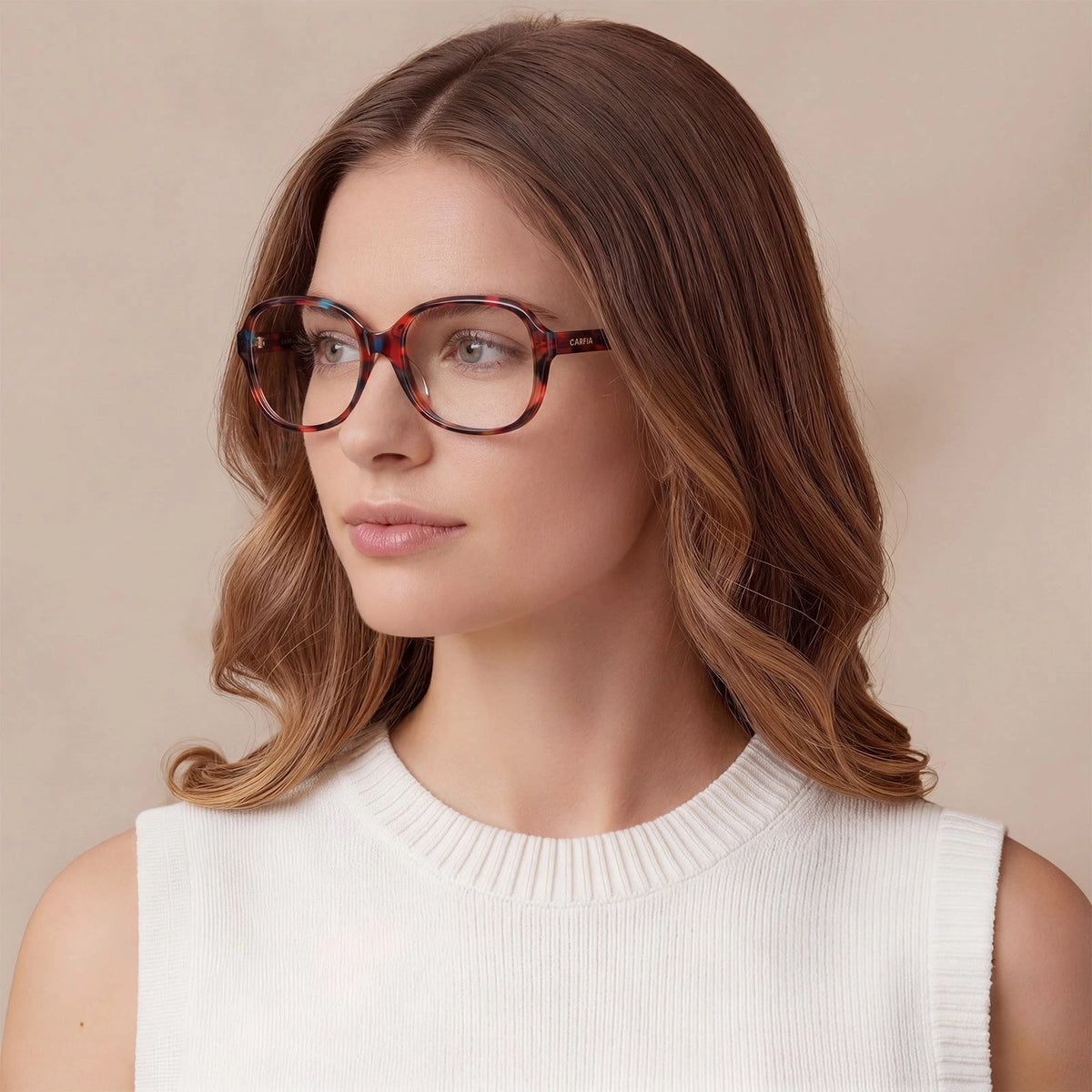
Carfia progressive eyeglasses combine near, intermediate and distance vision in one no-line lens. Unlike traditional bifocals, progressive lenses have no visible dividing line—just a smooth, gradual transition from top to bottom, so you can read, work at your computer and drive without switching glasses.
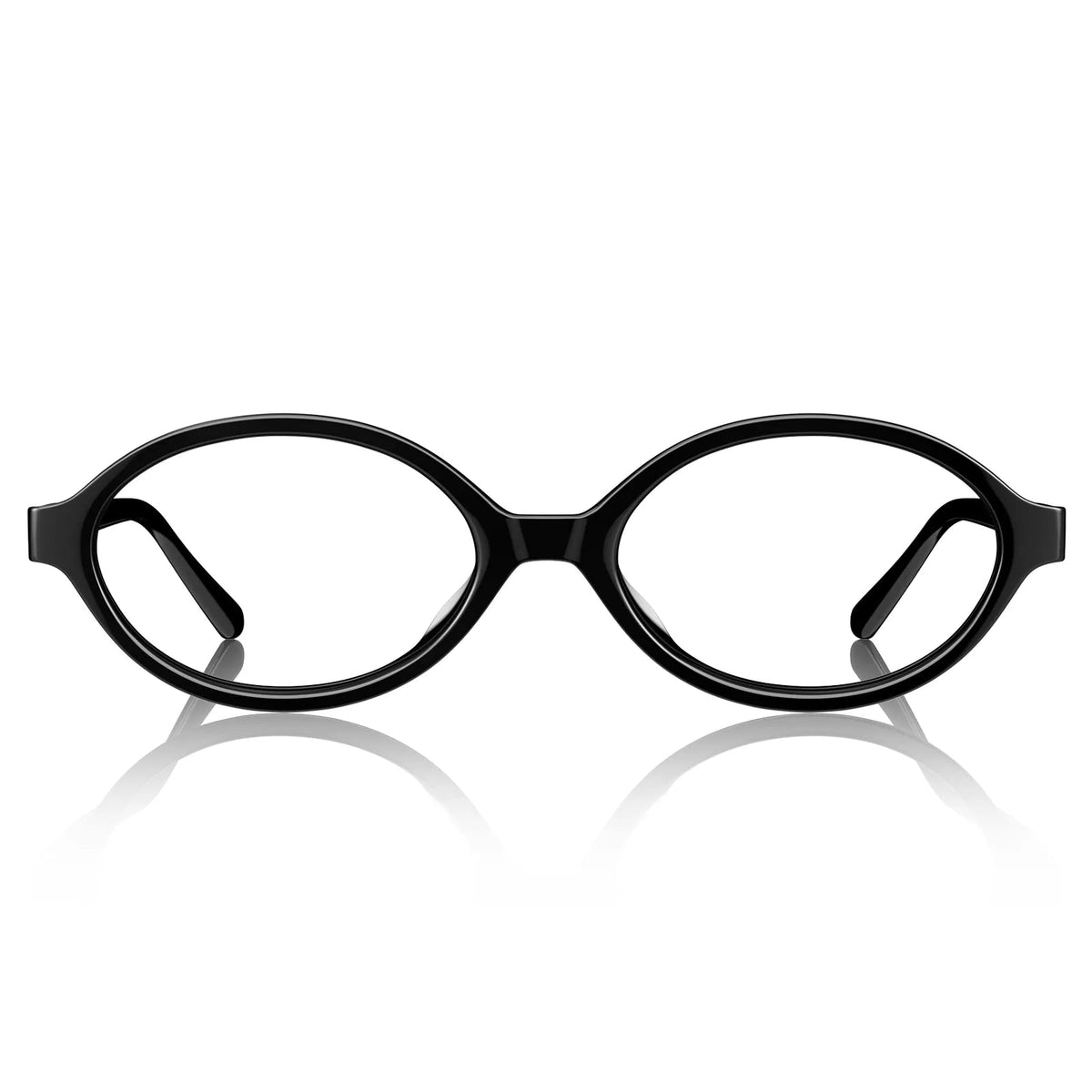

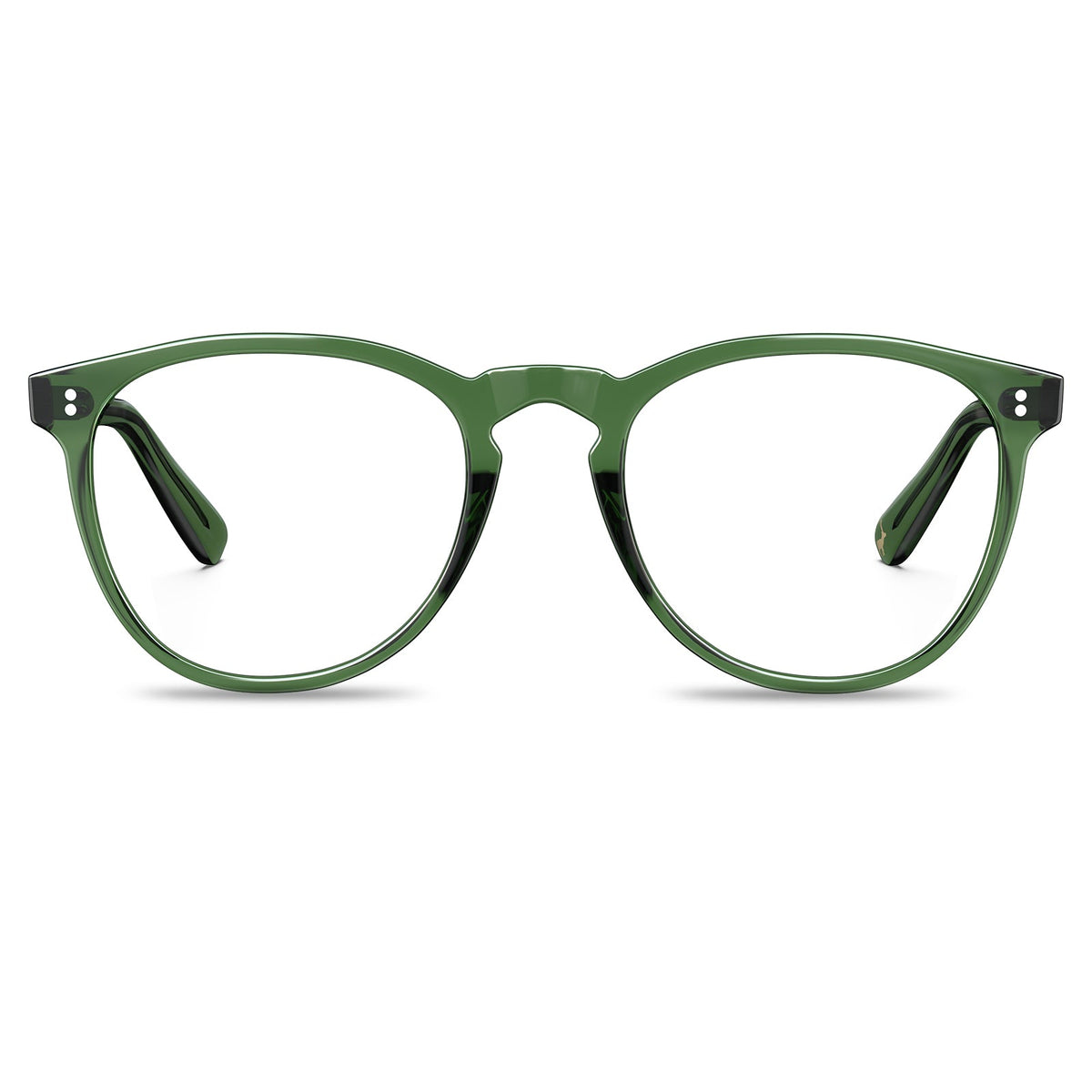
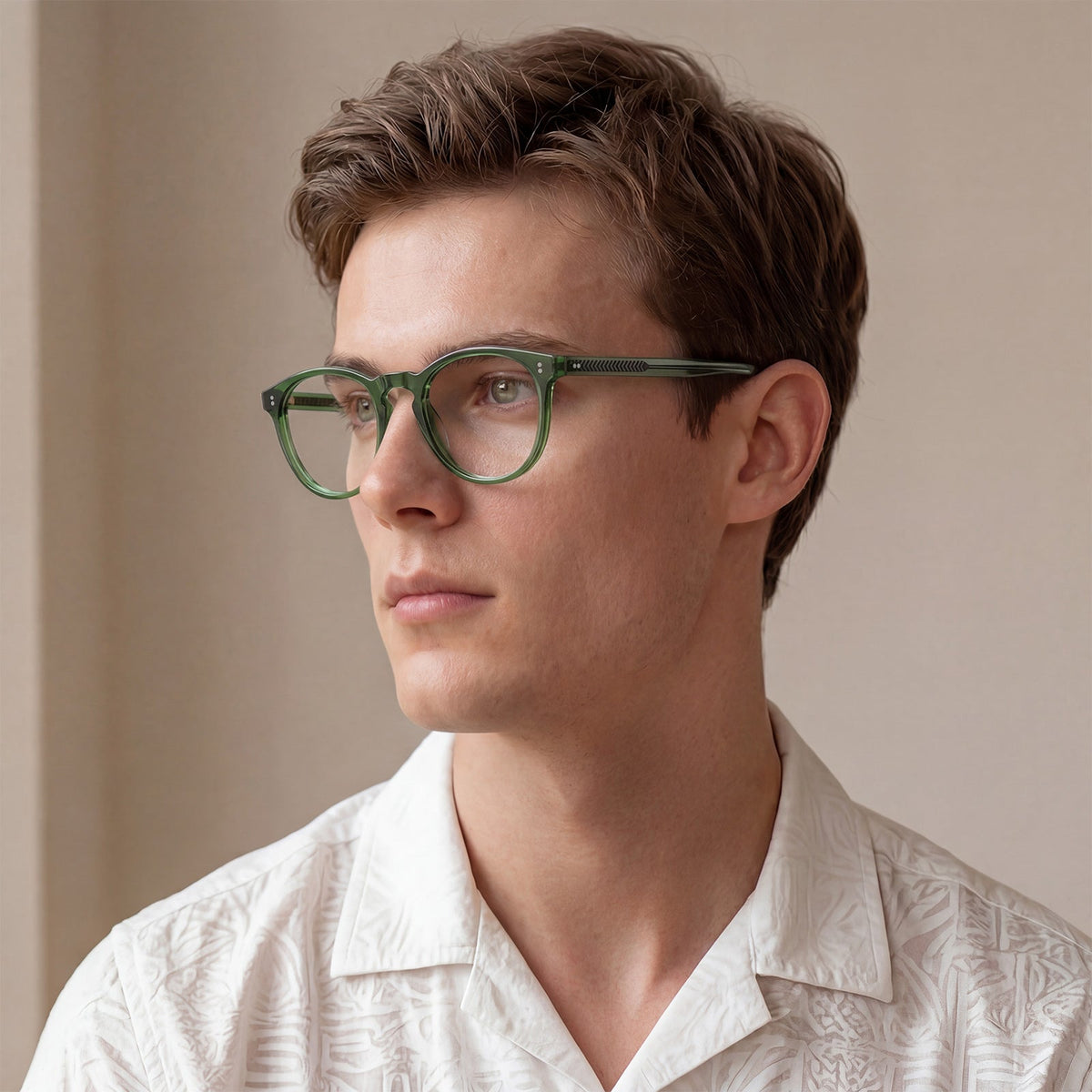
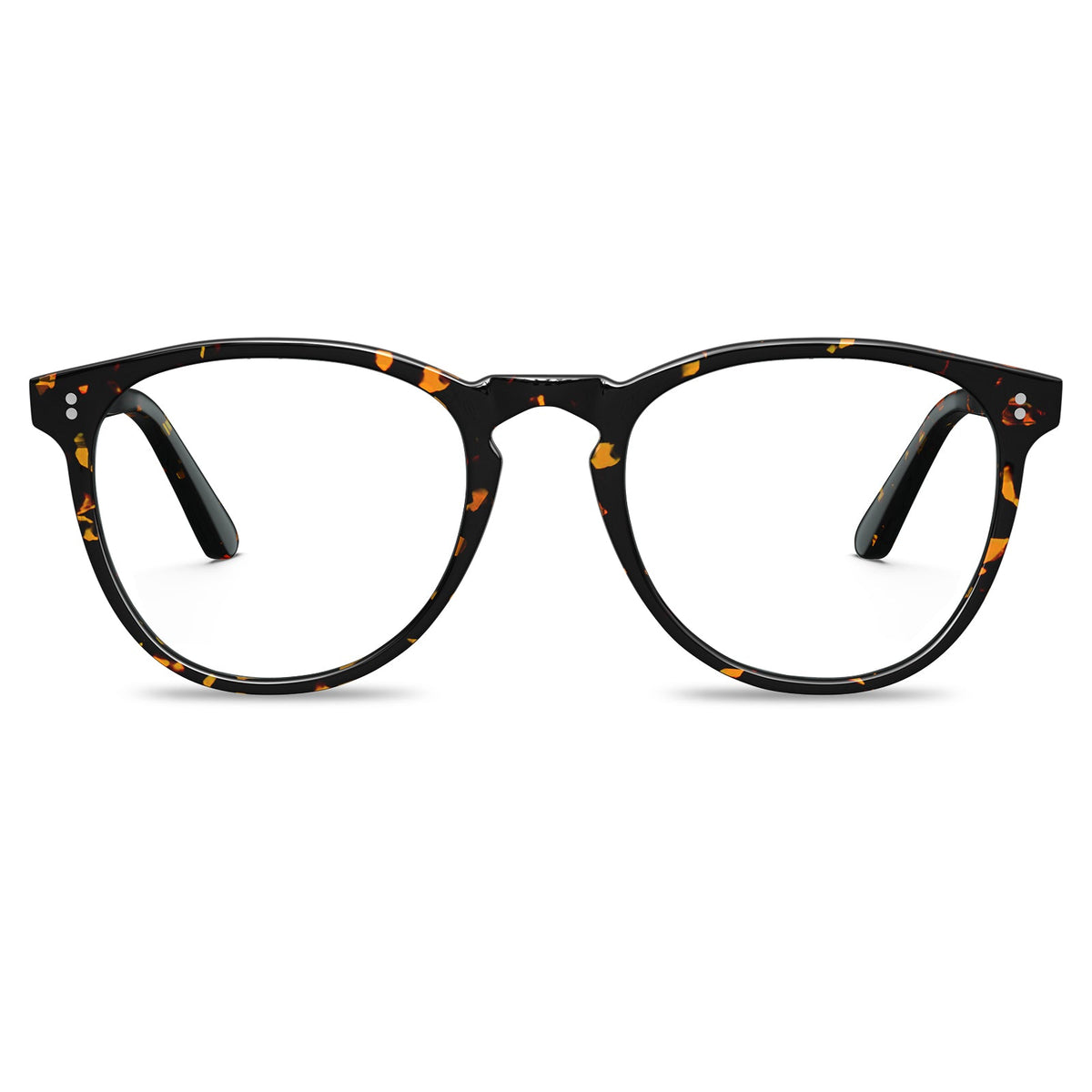
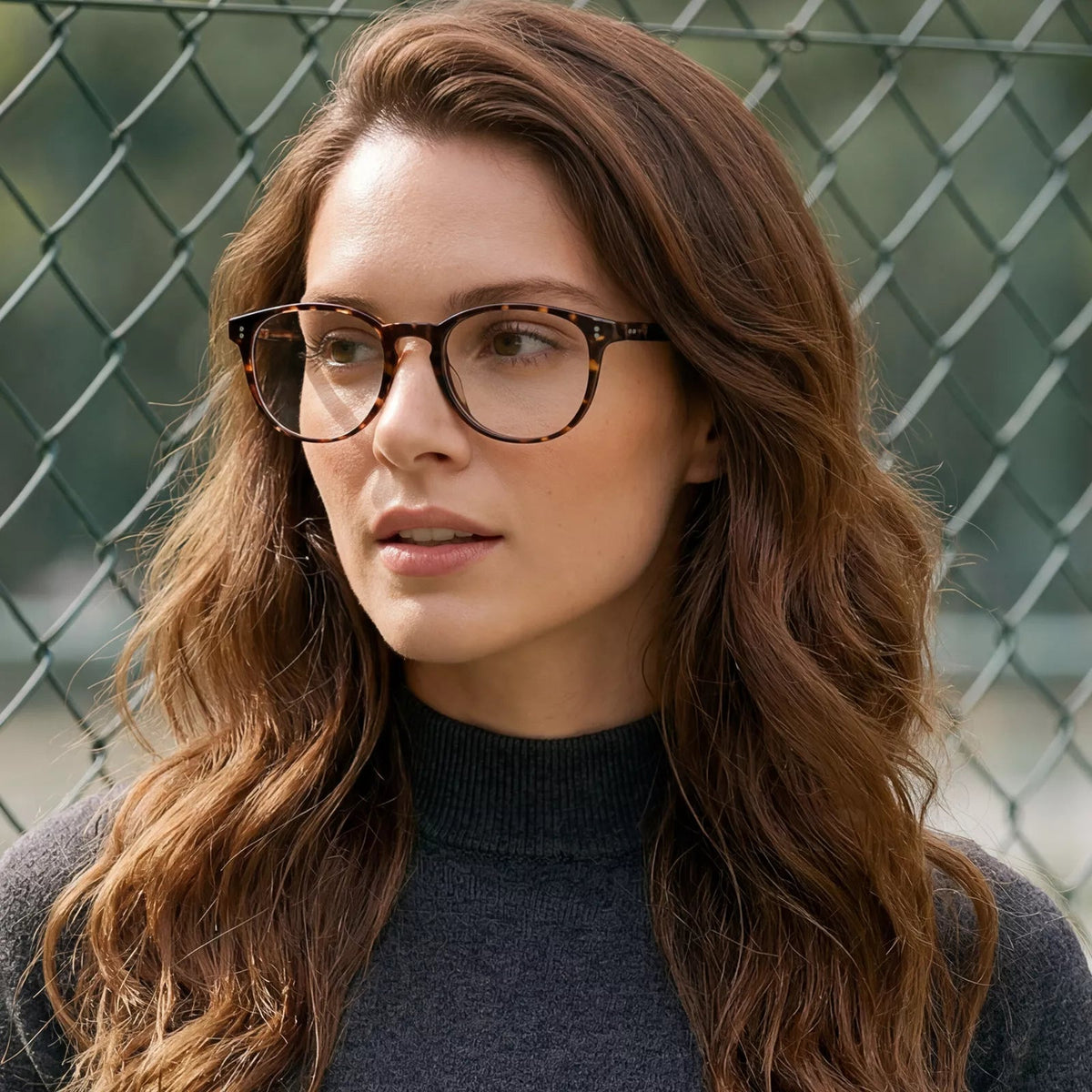
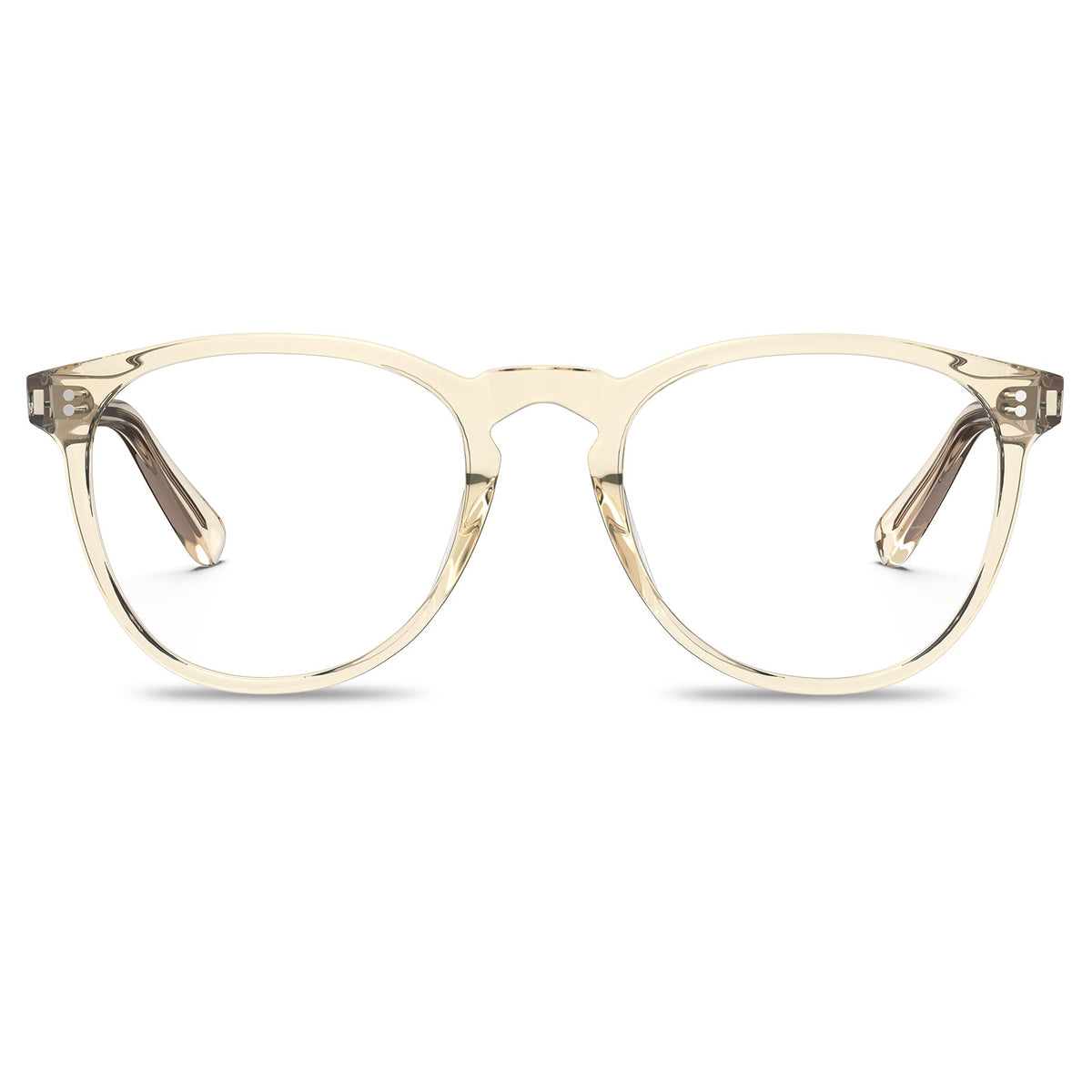
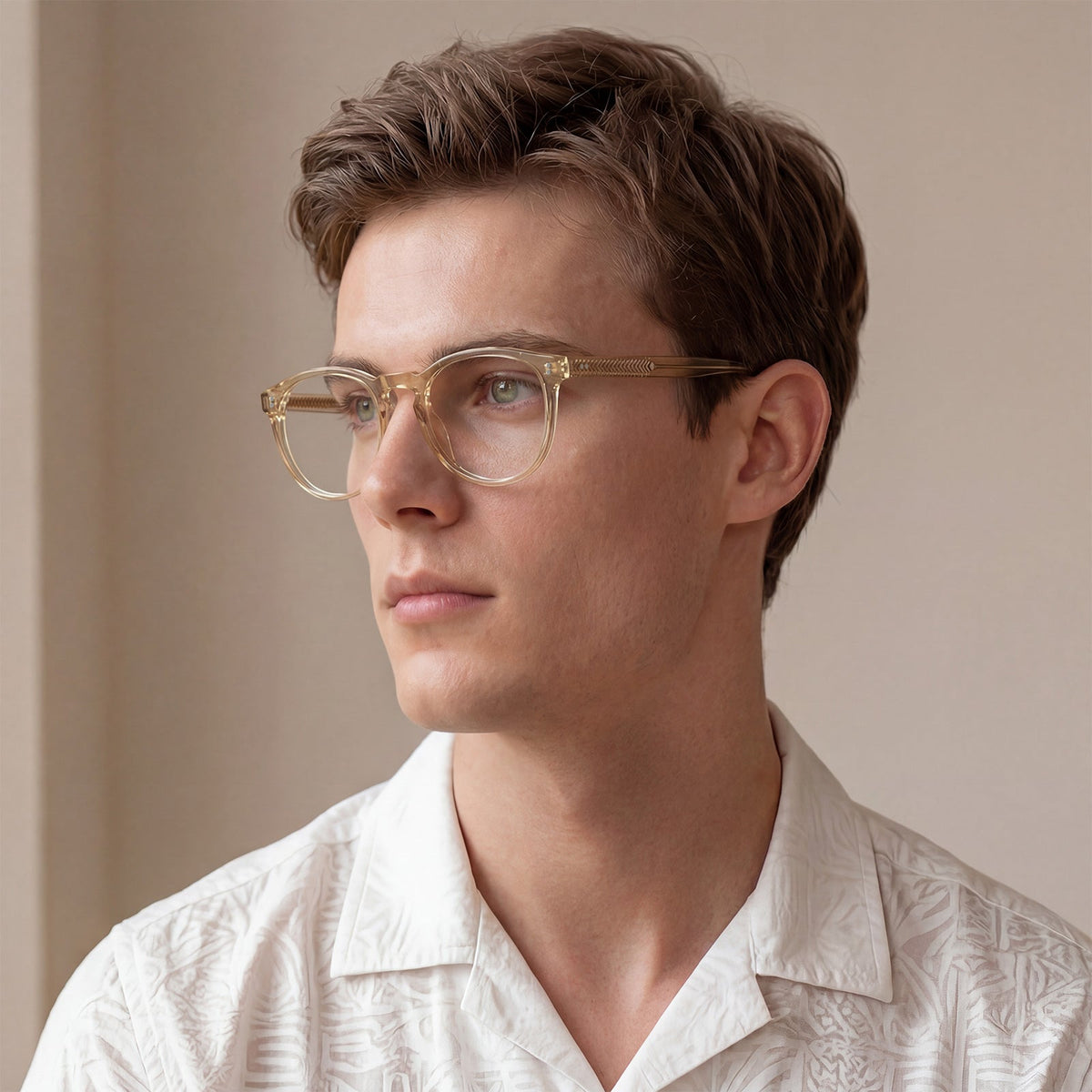
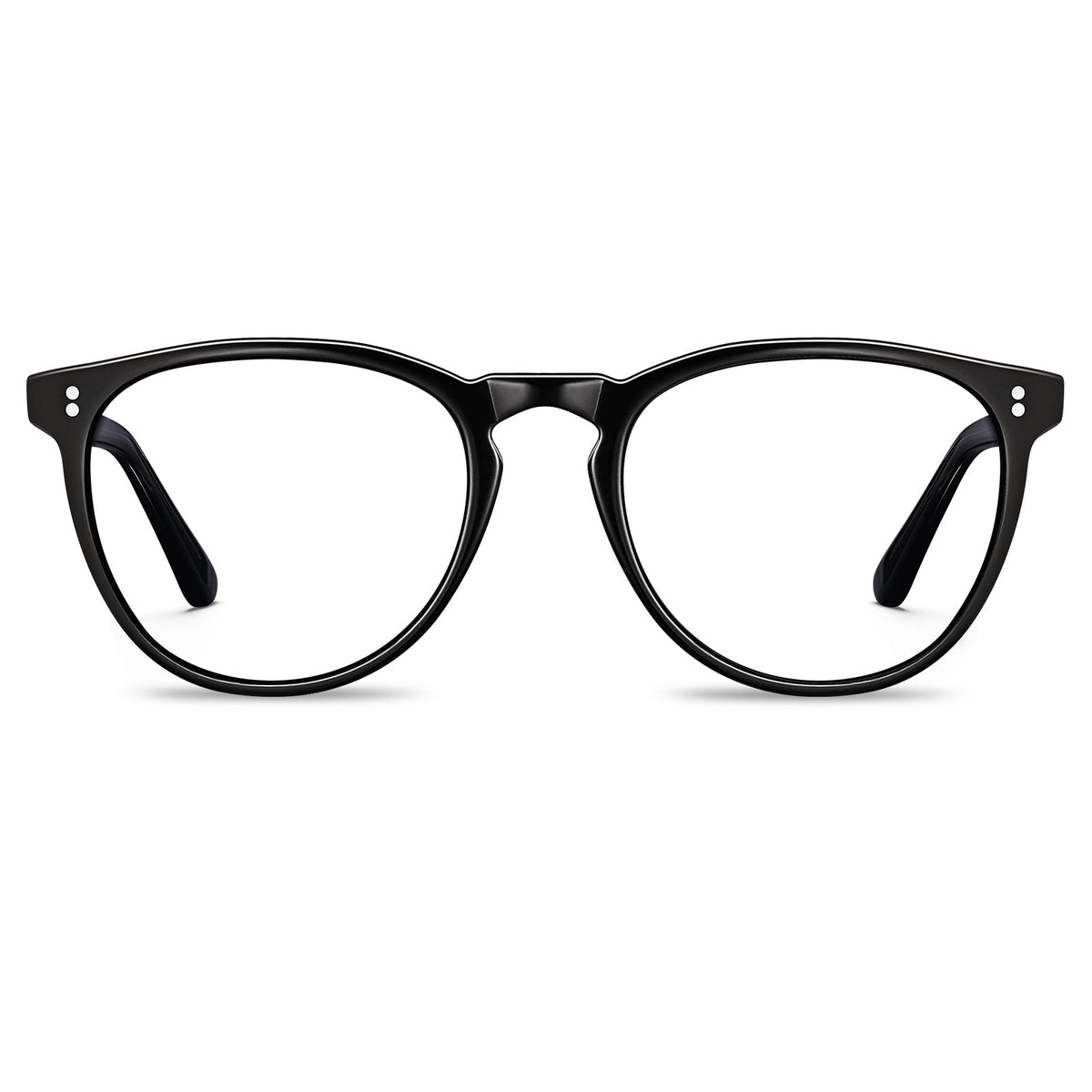


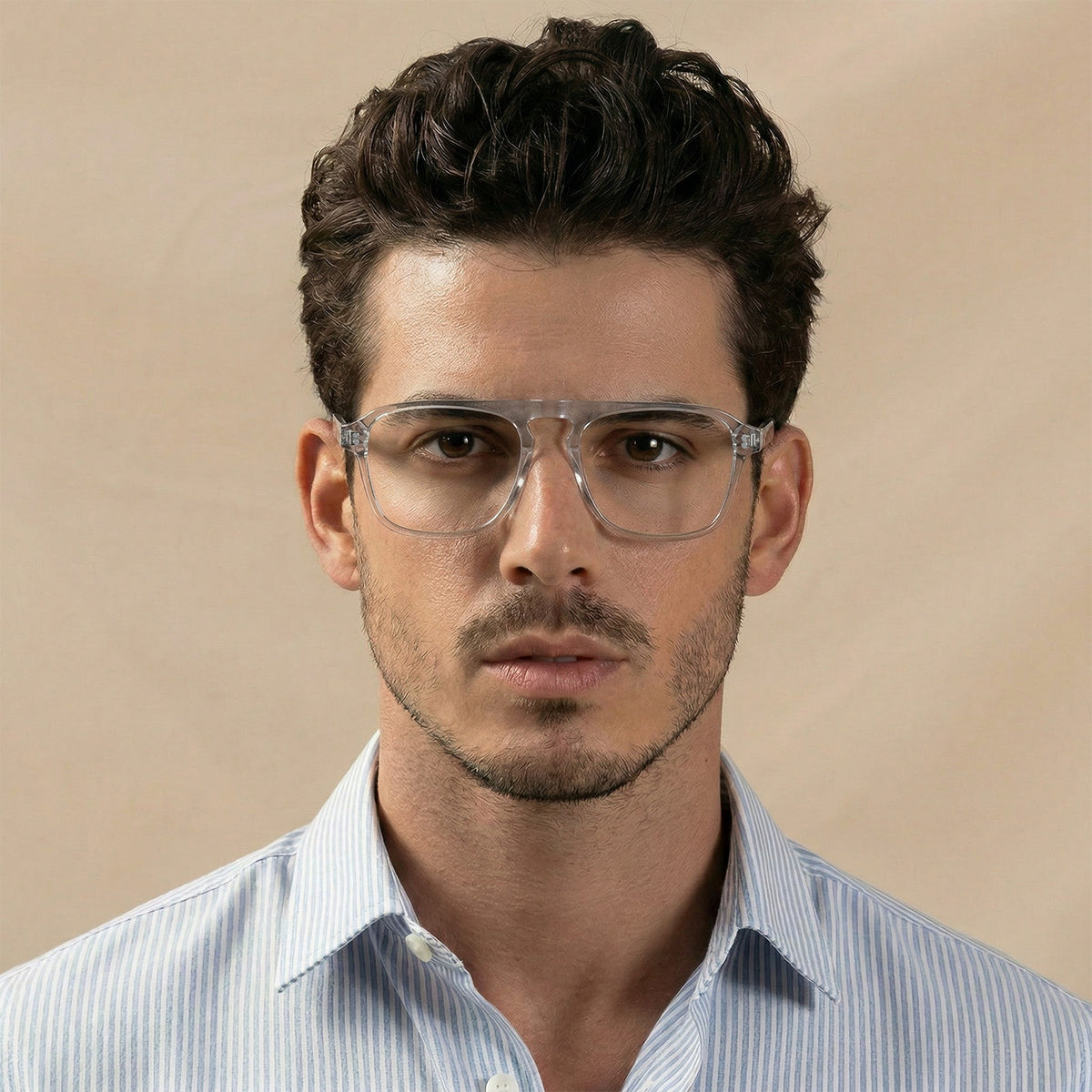
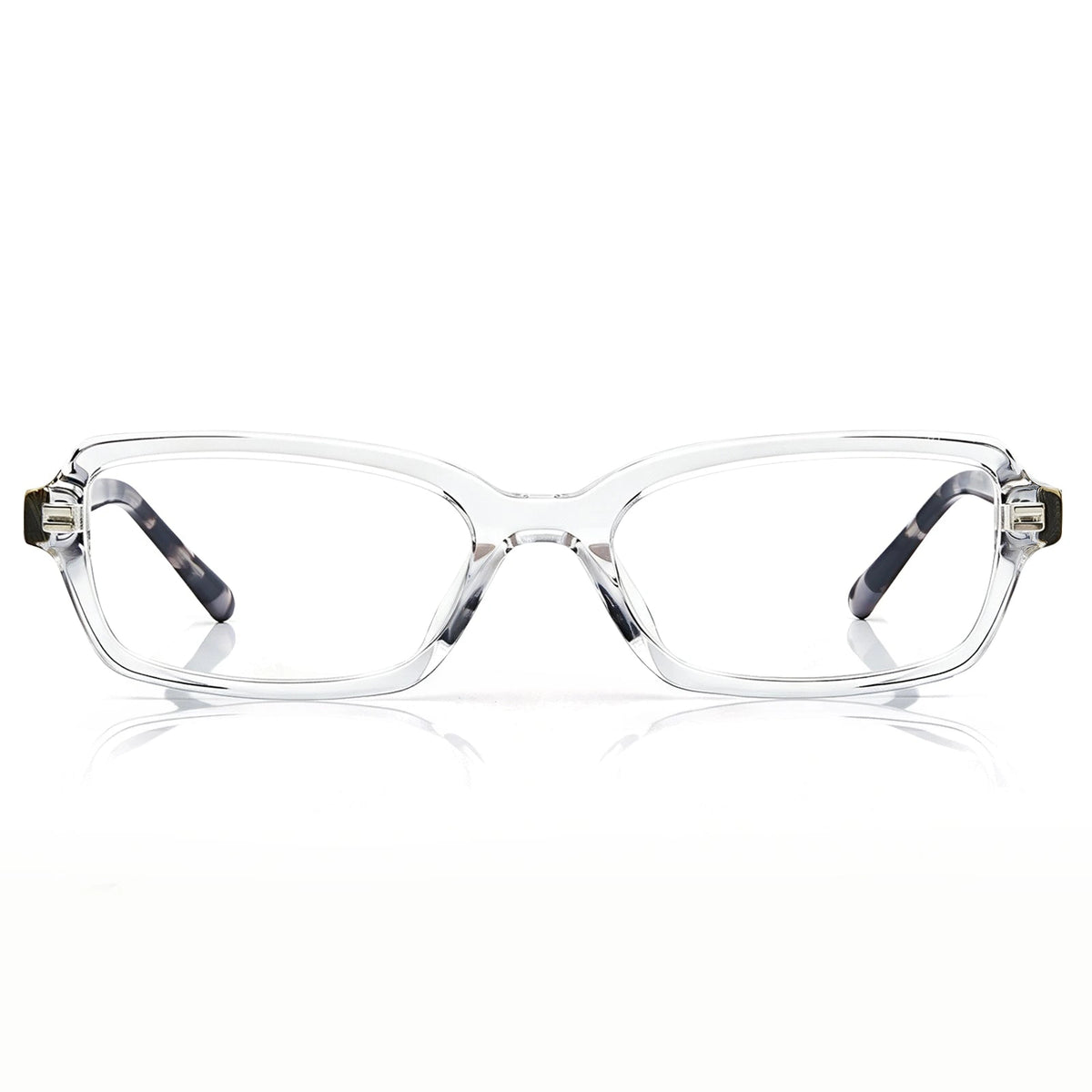

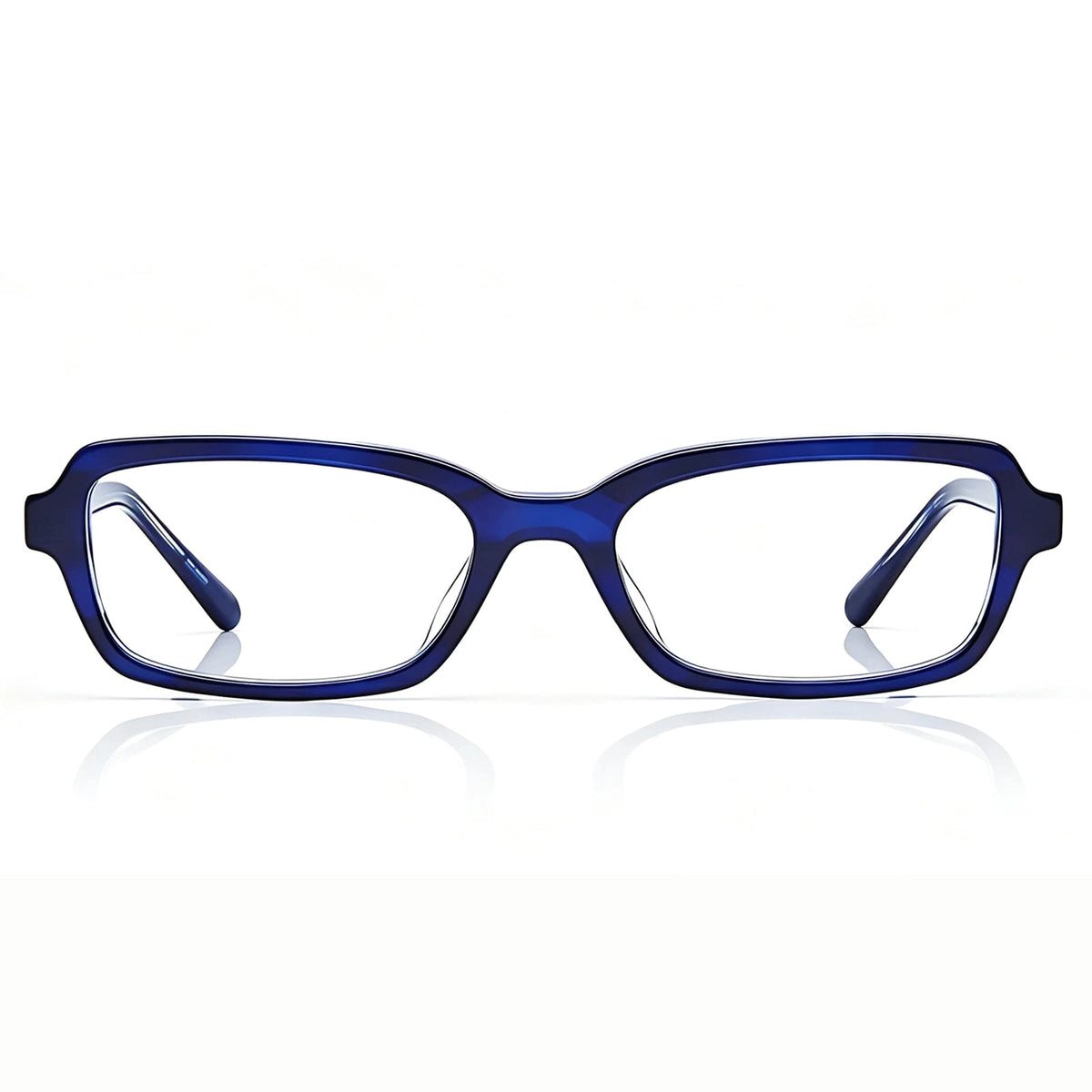

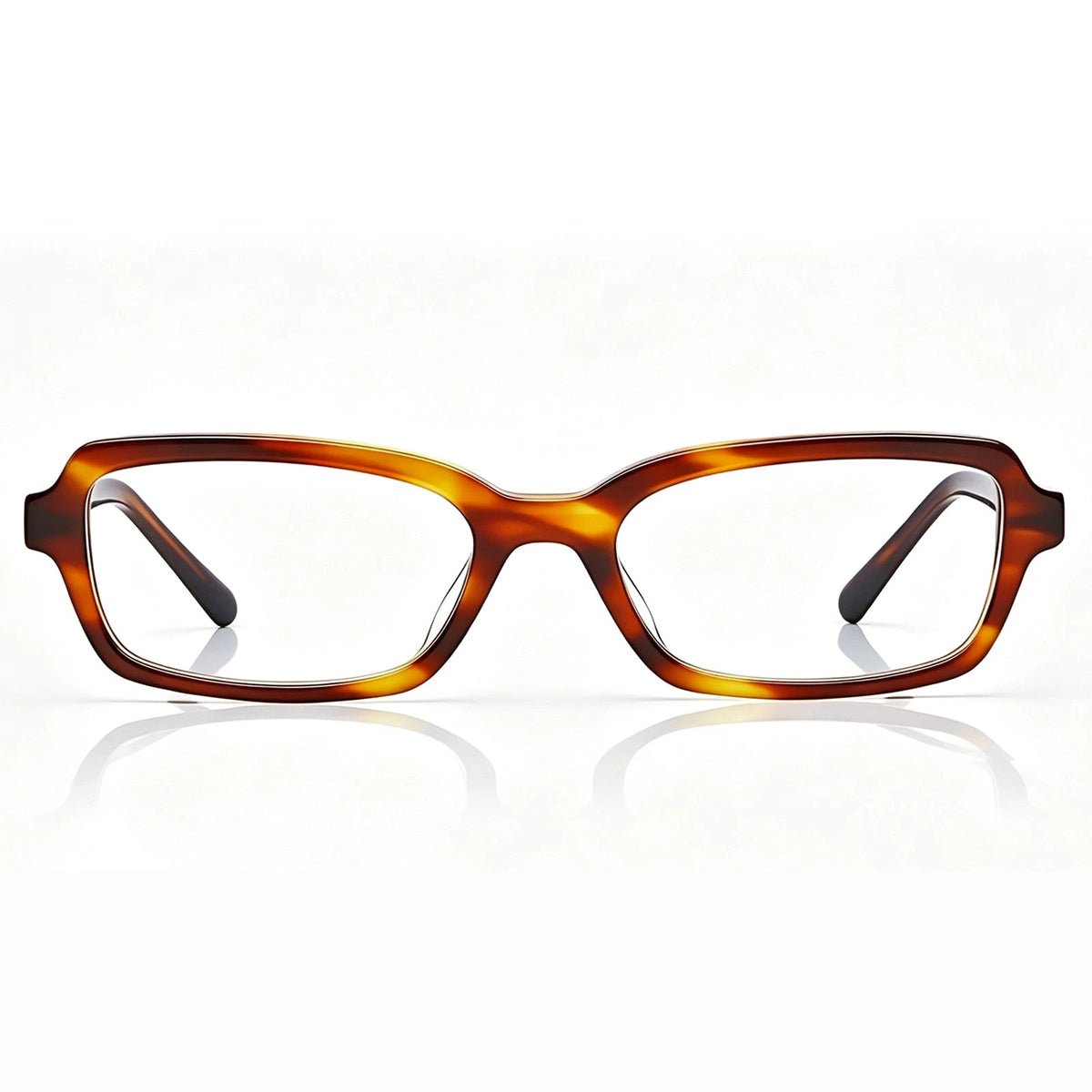


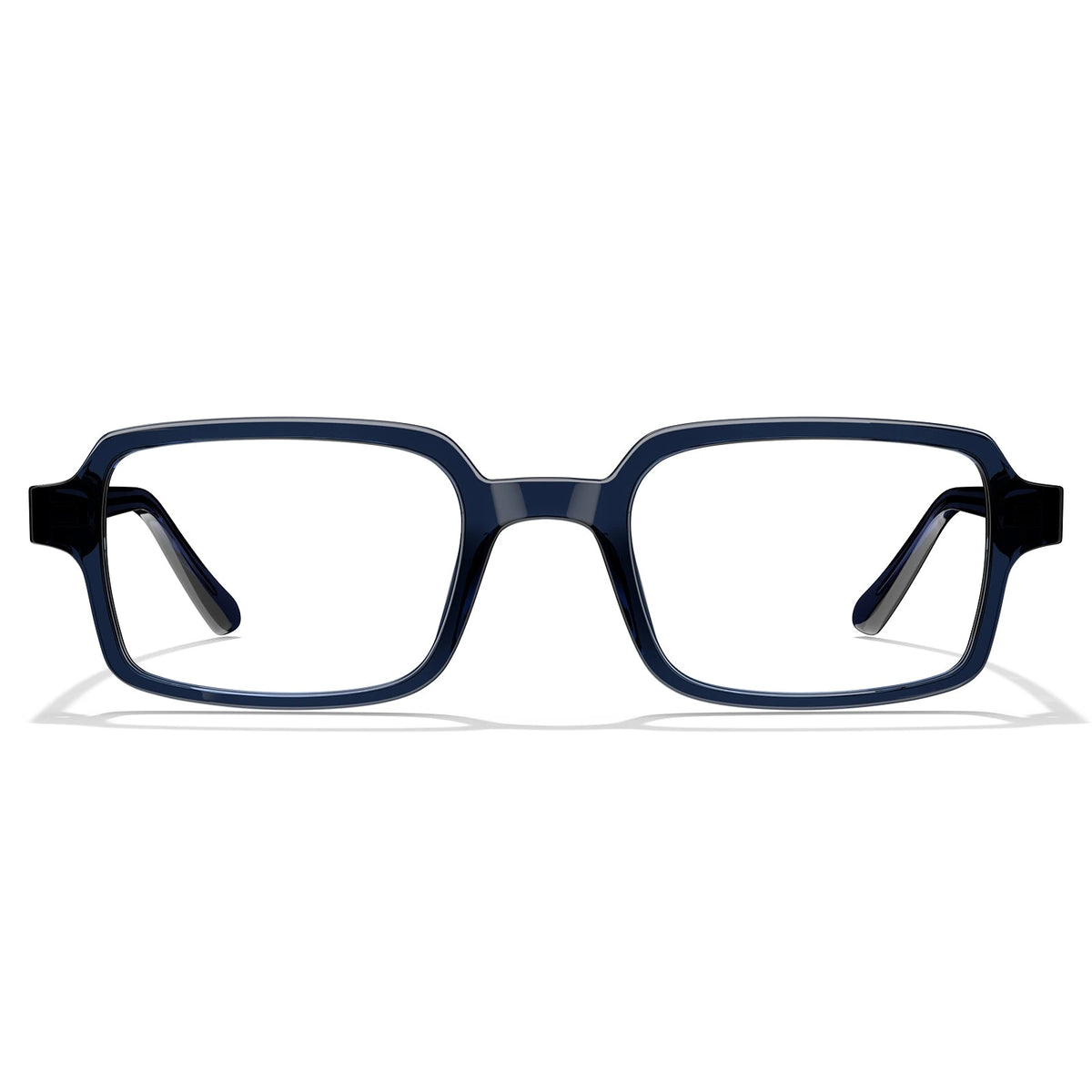

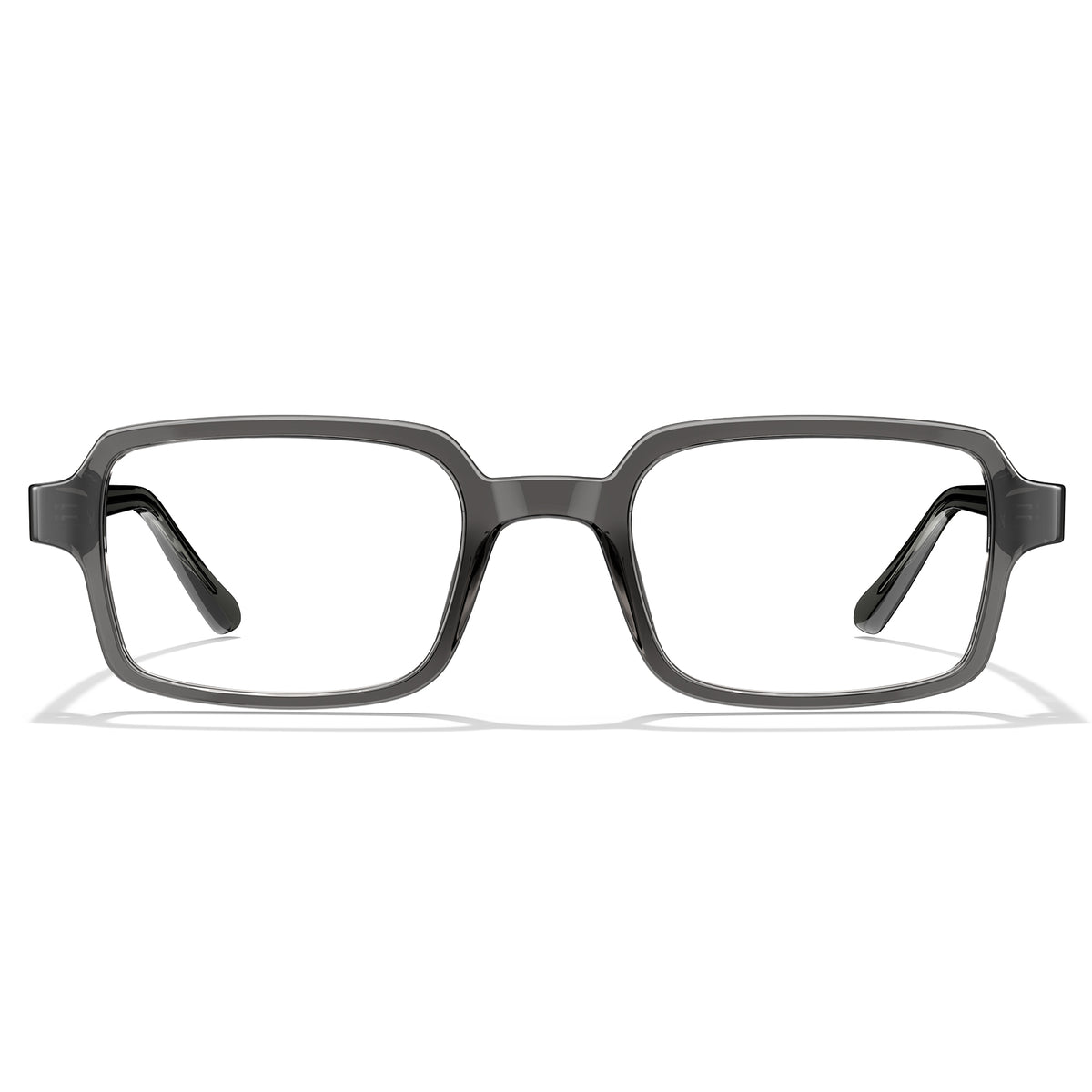

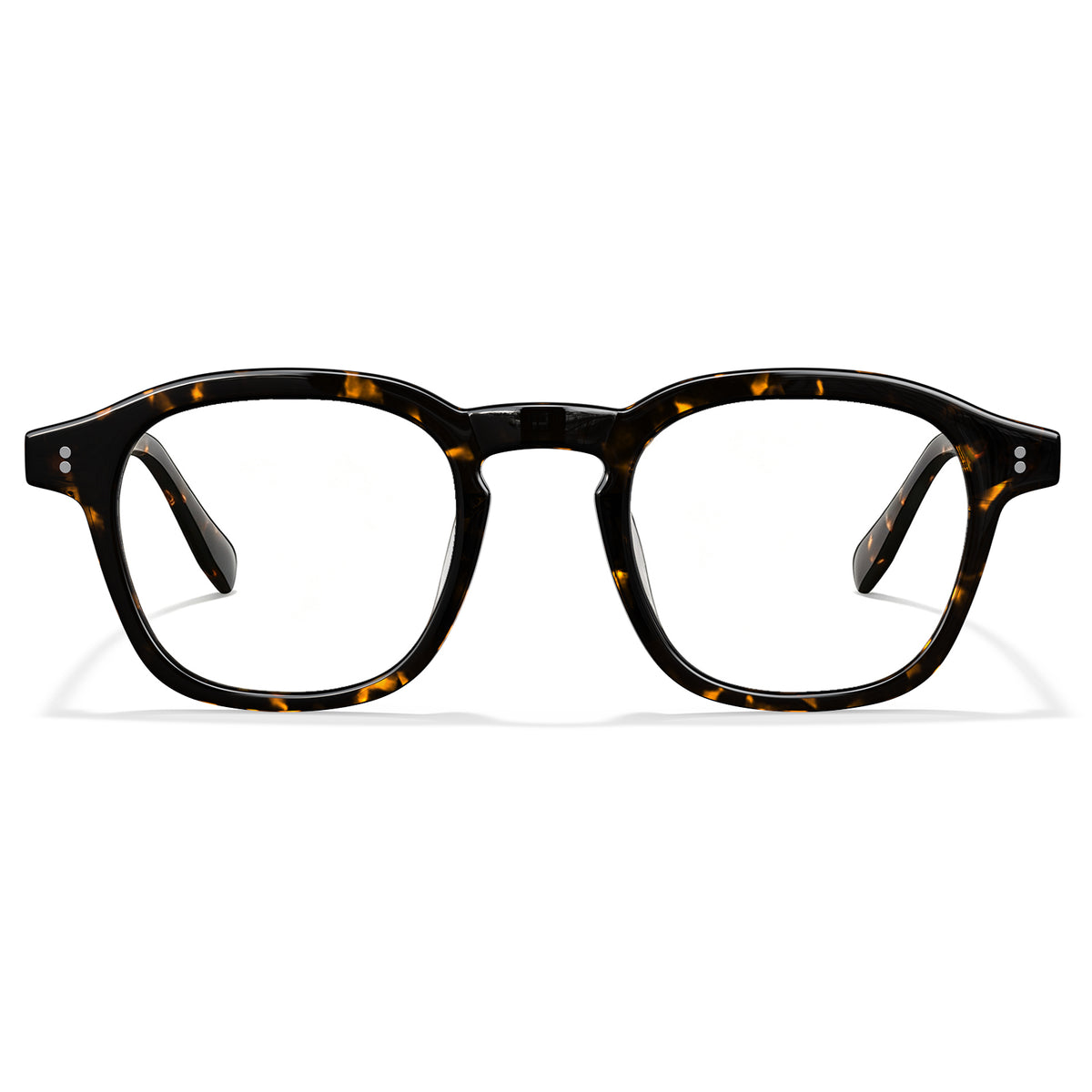

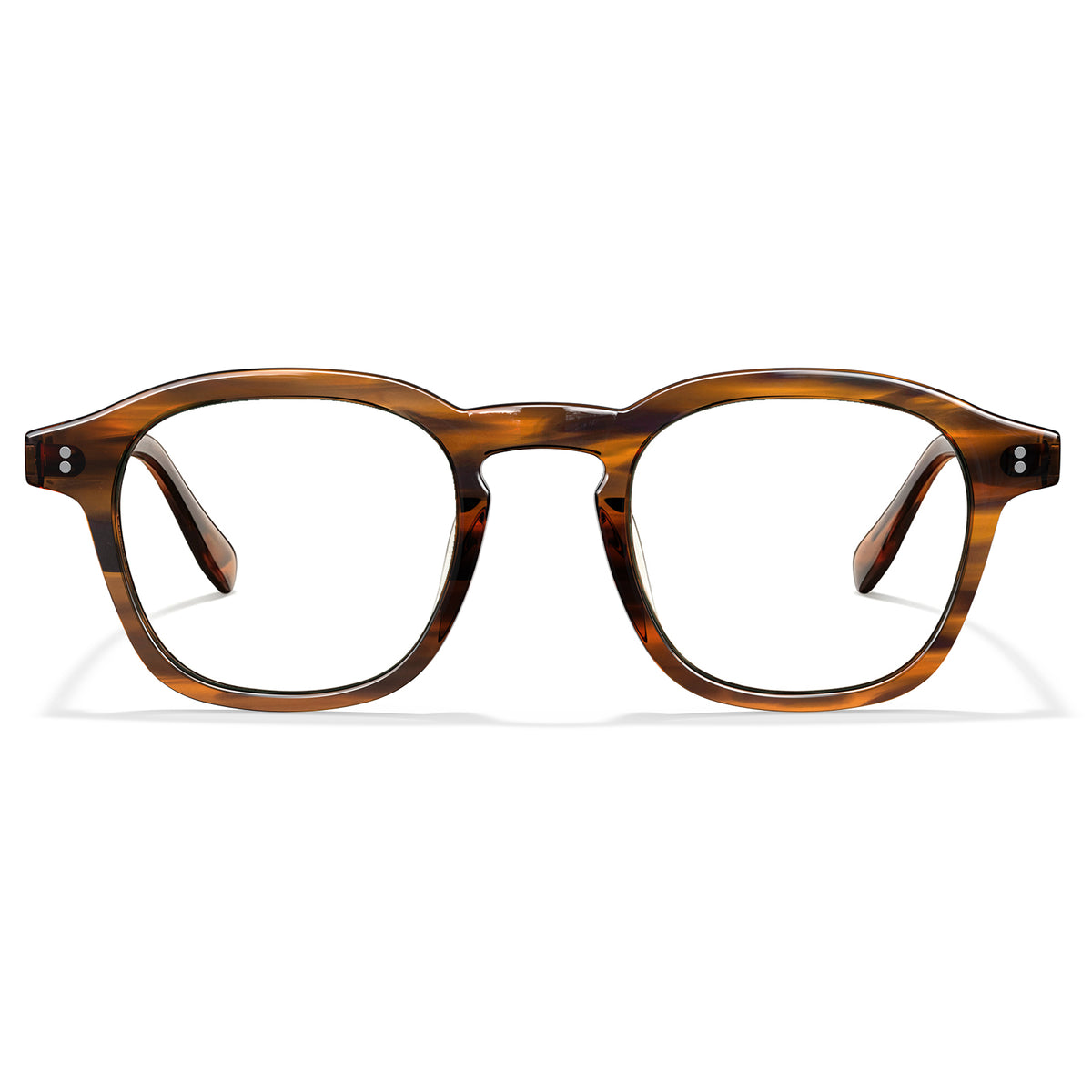
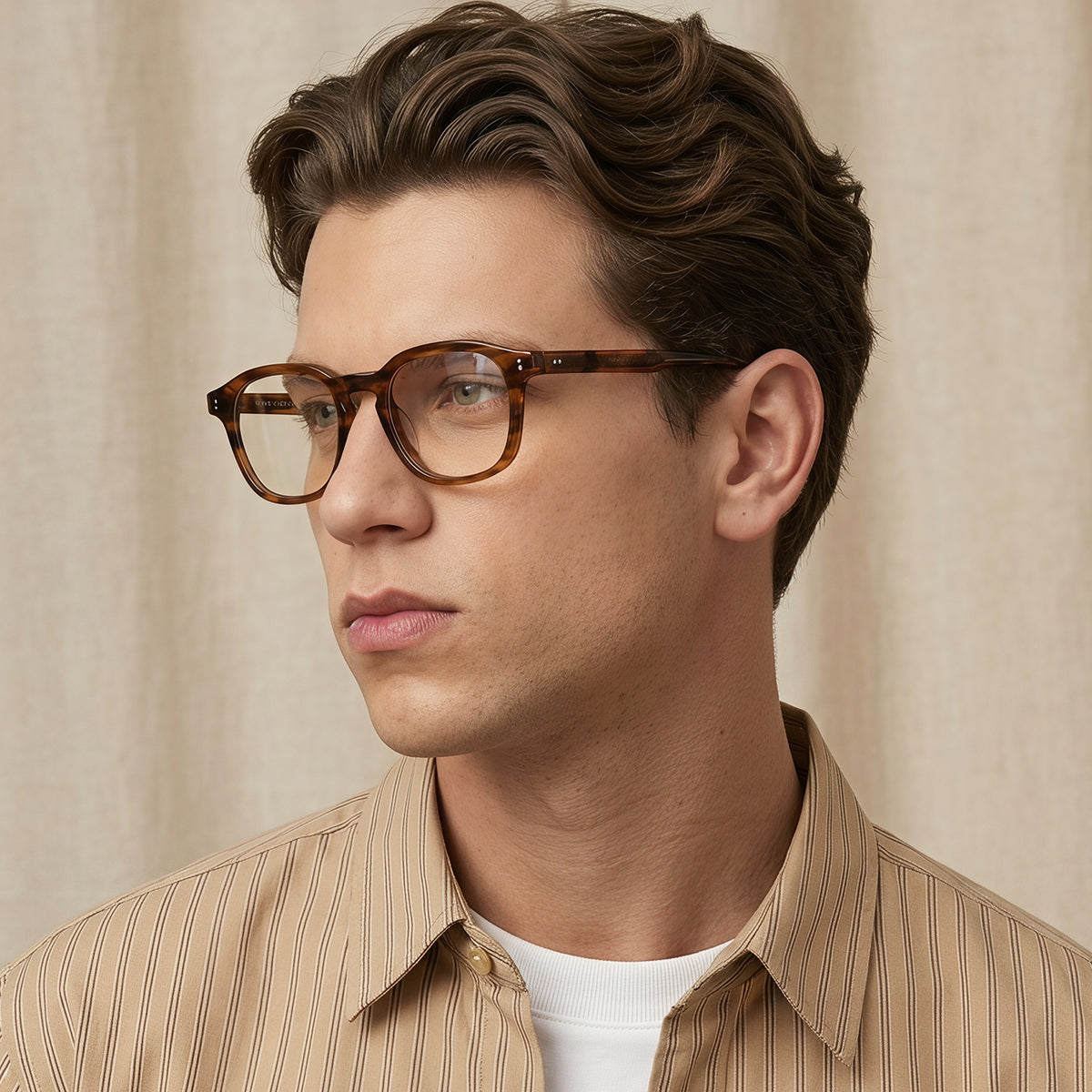
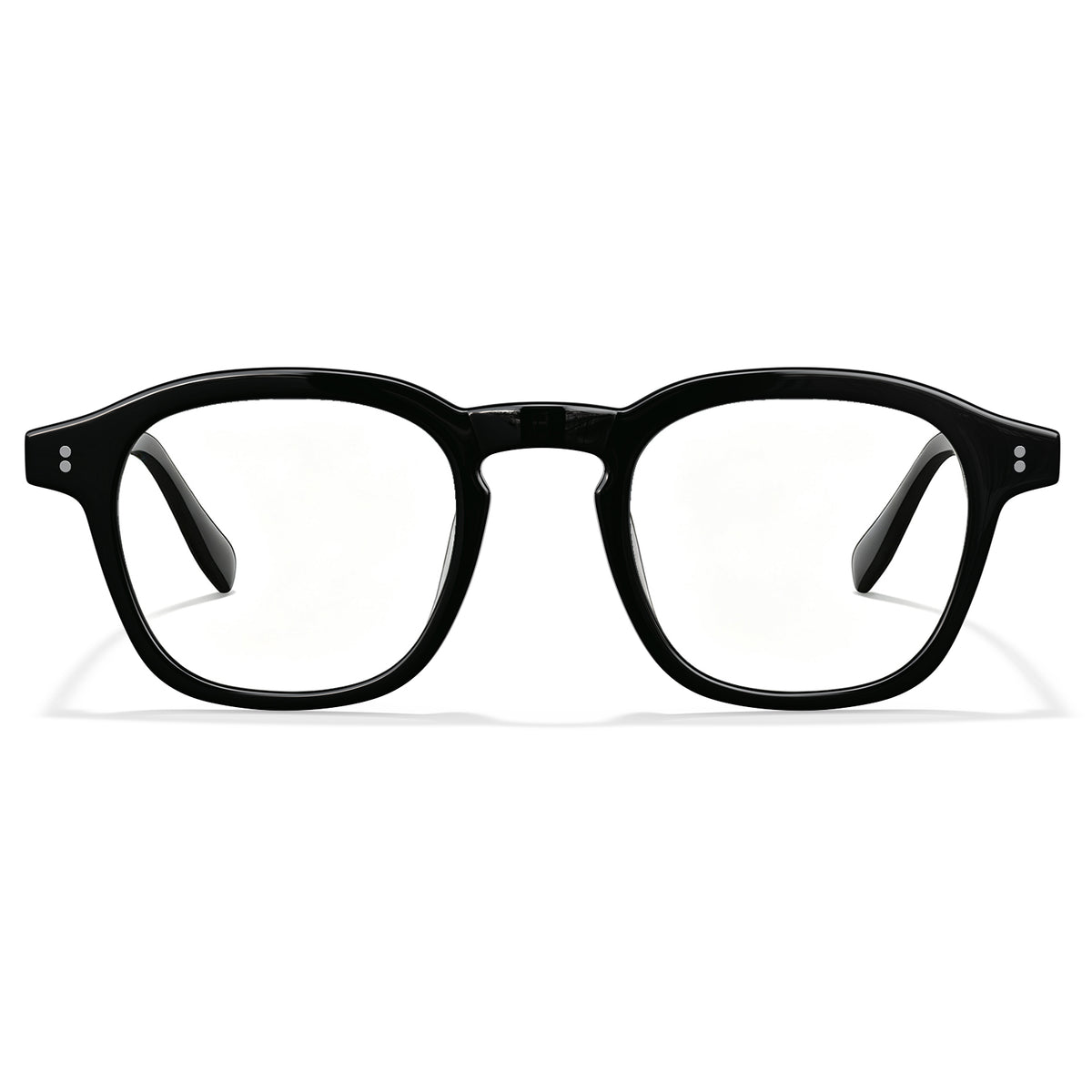

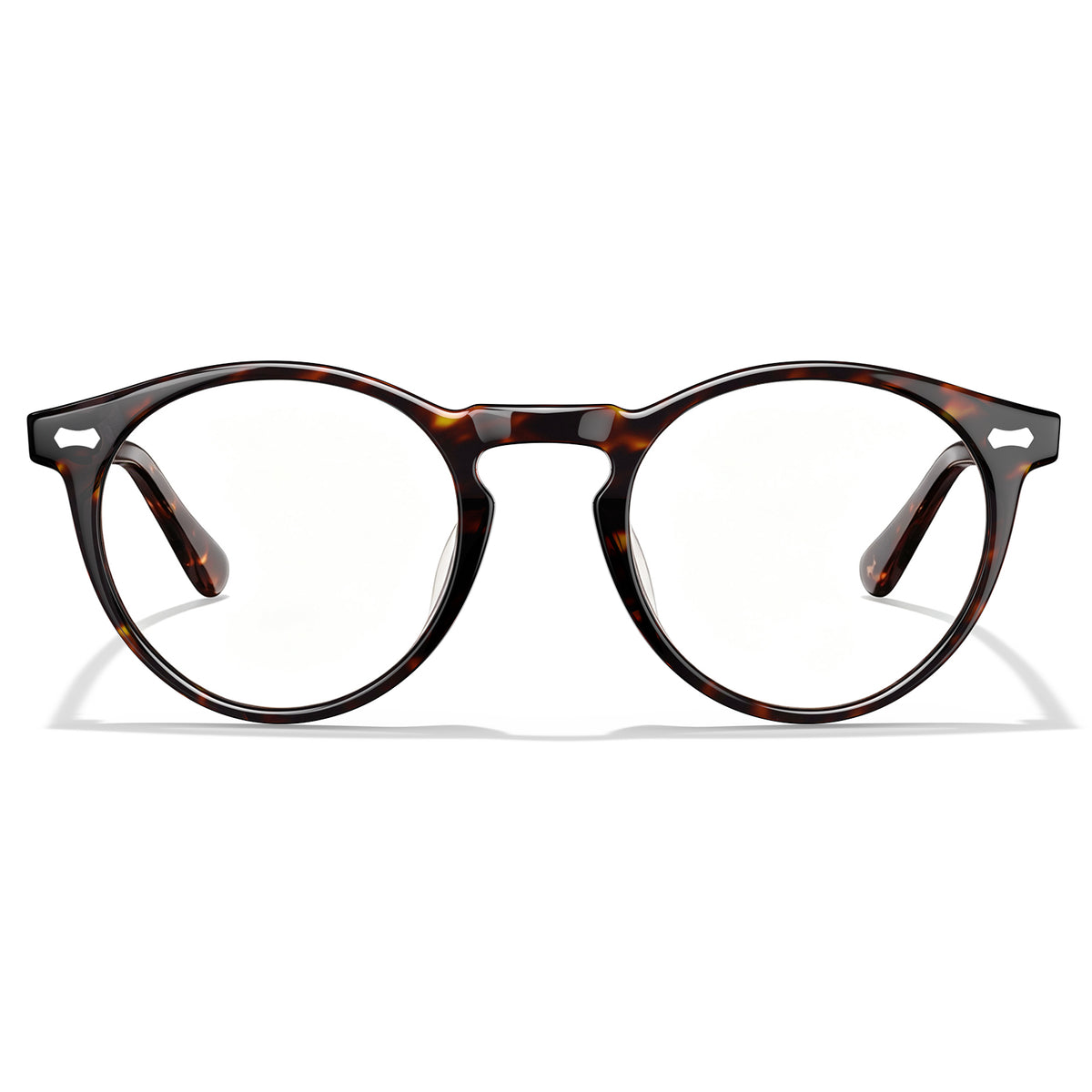

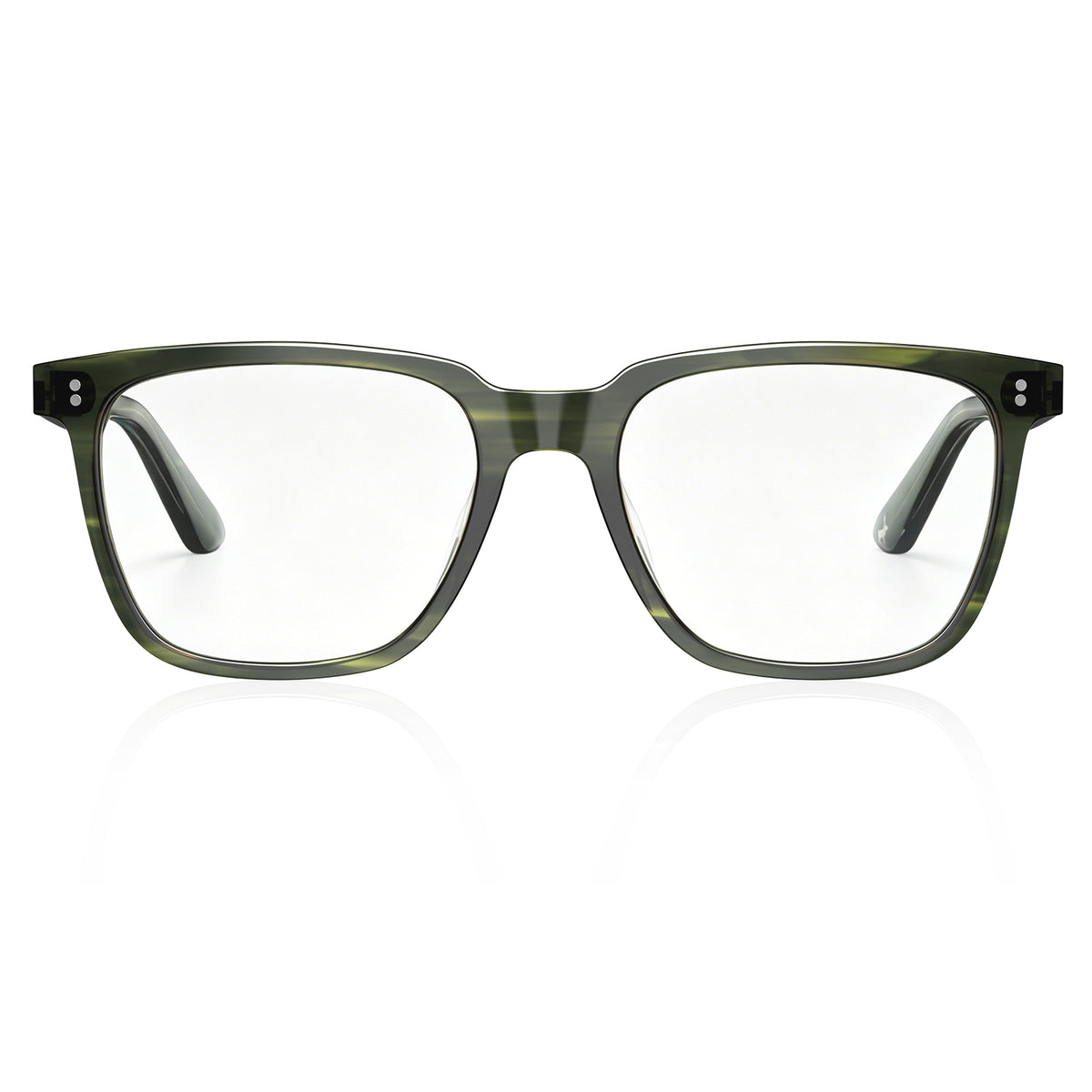
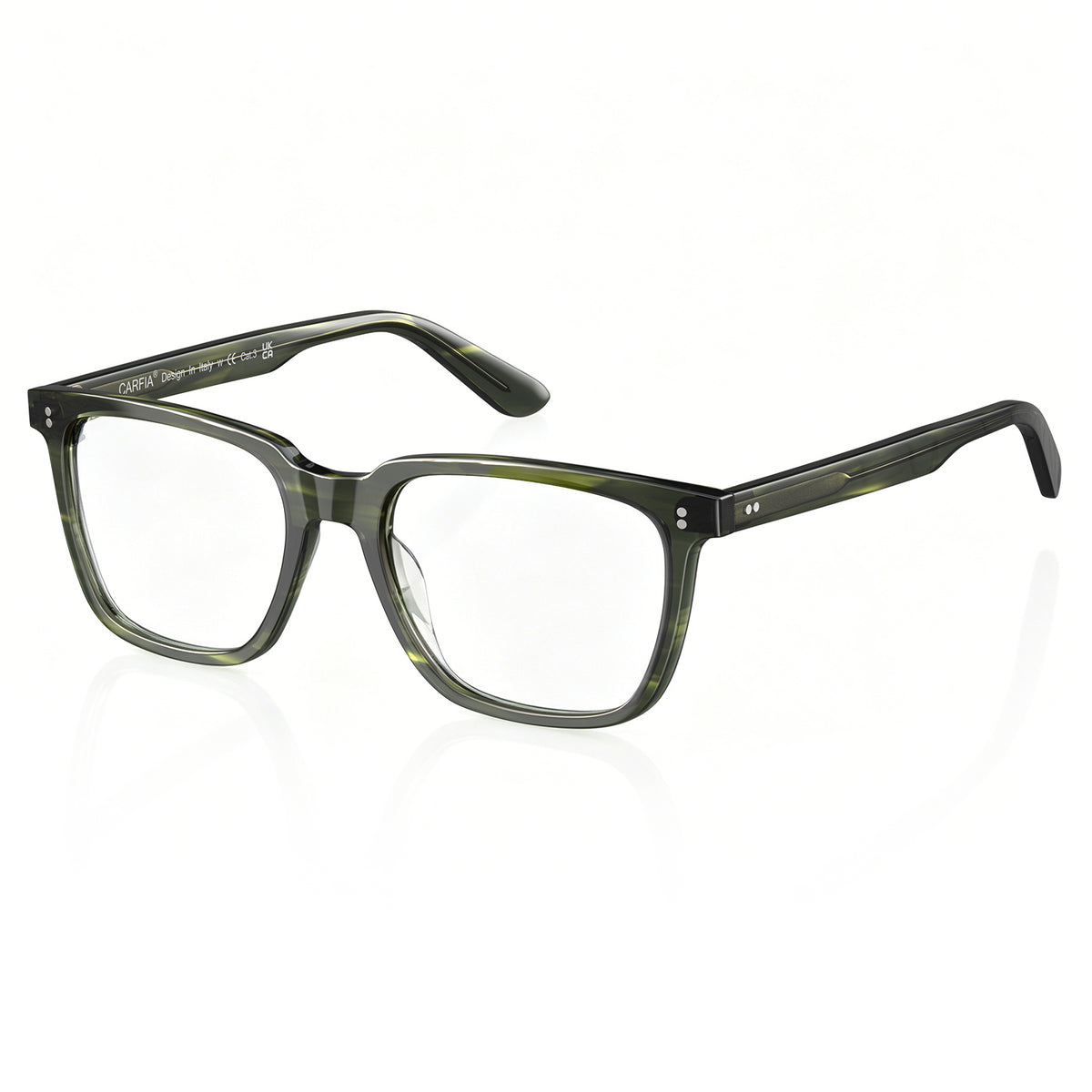
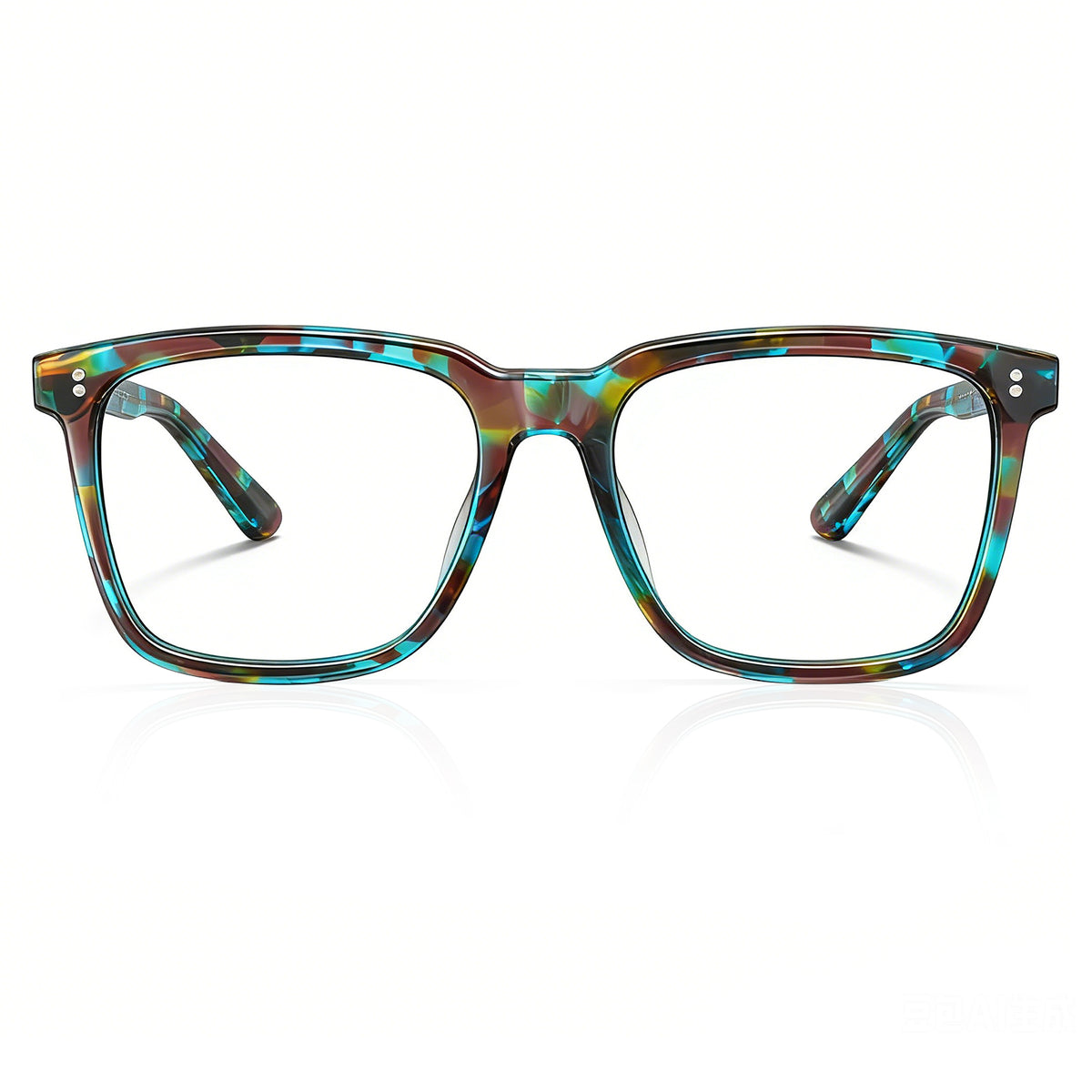
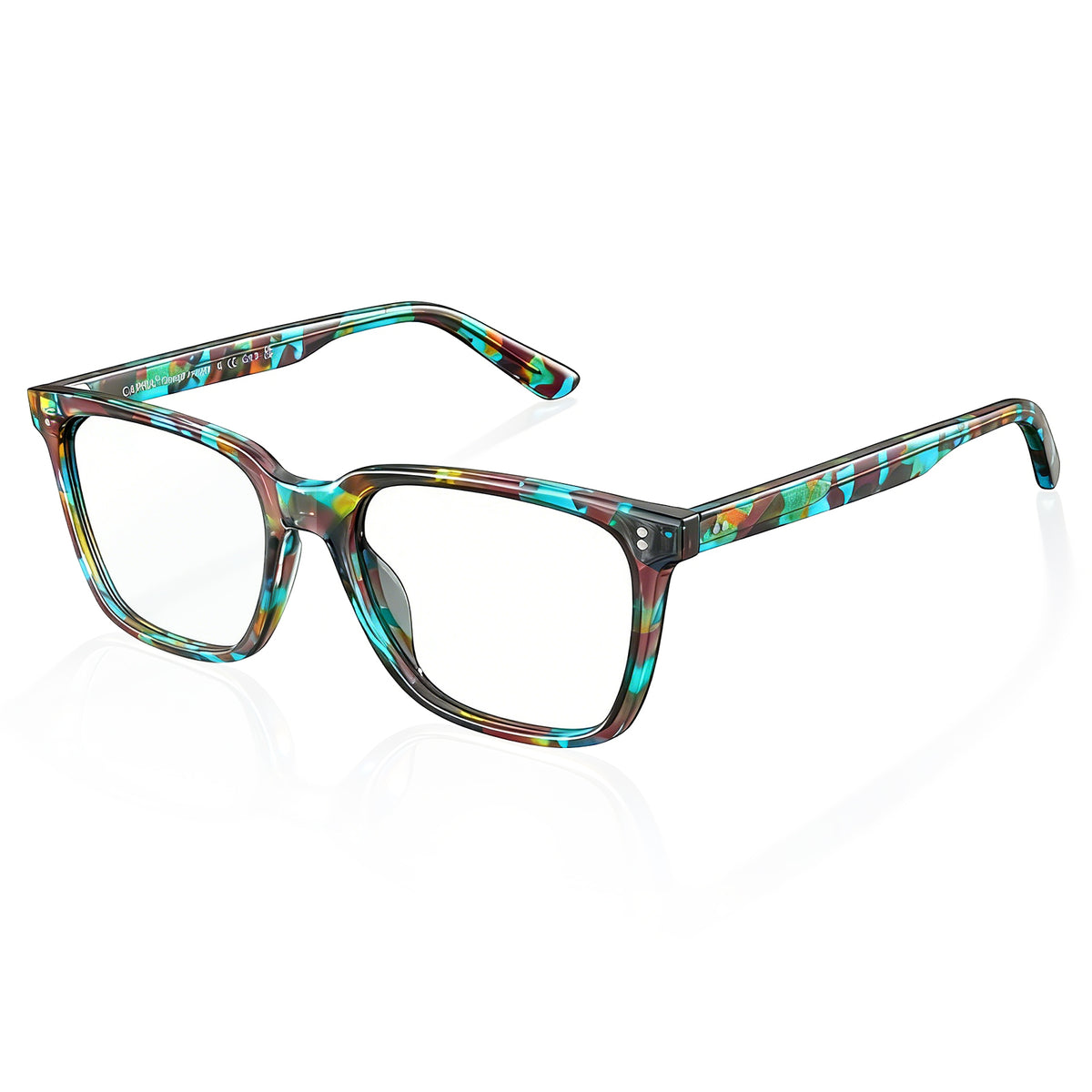
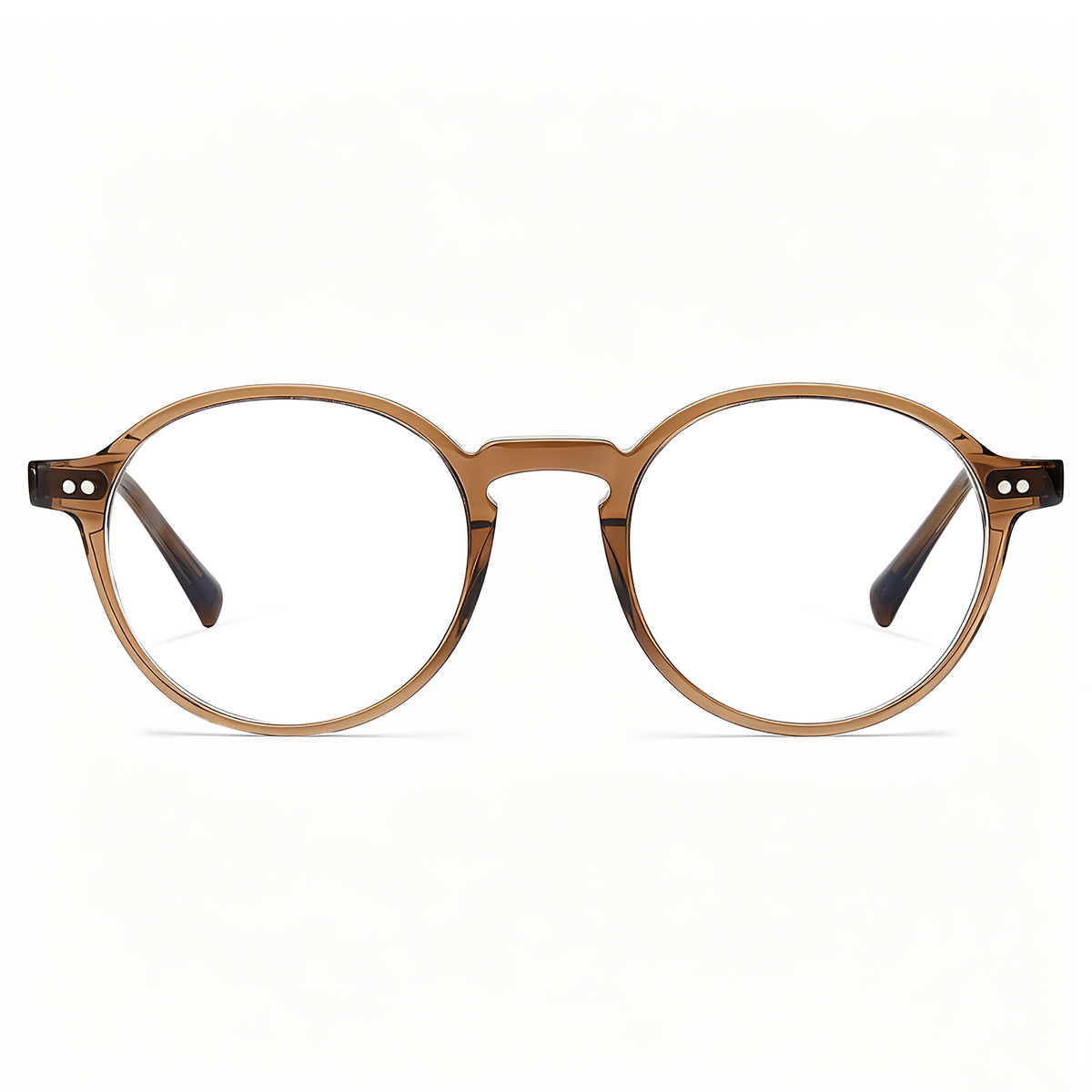
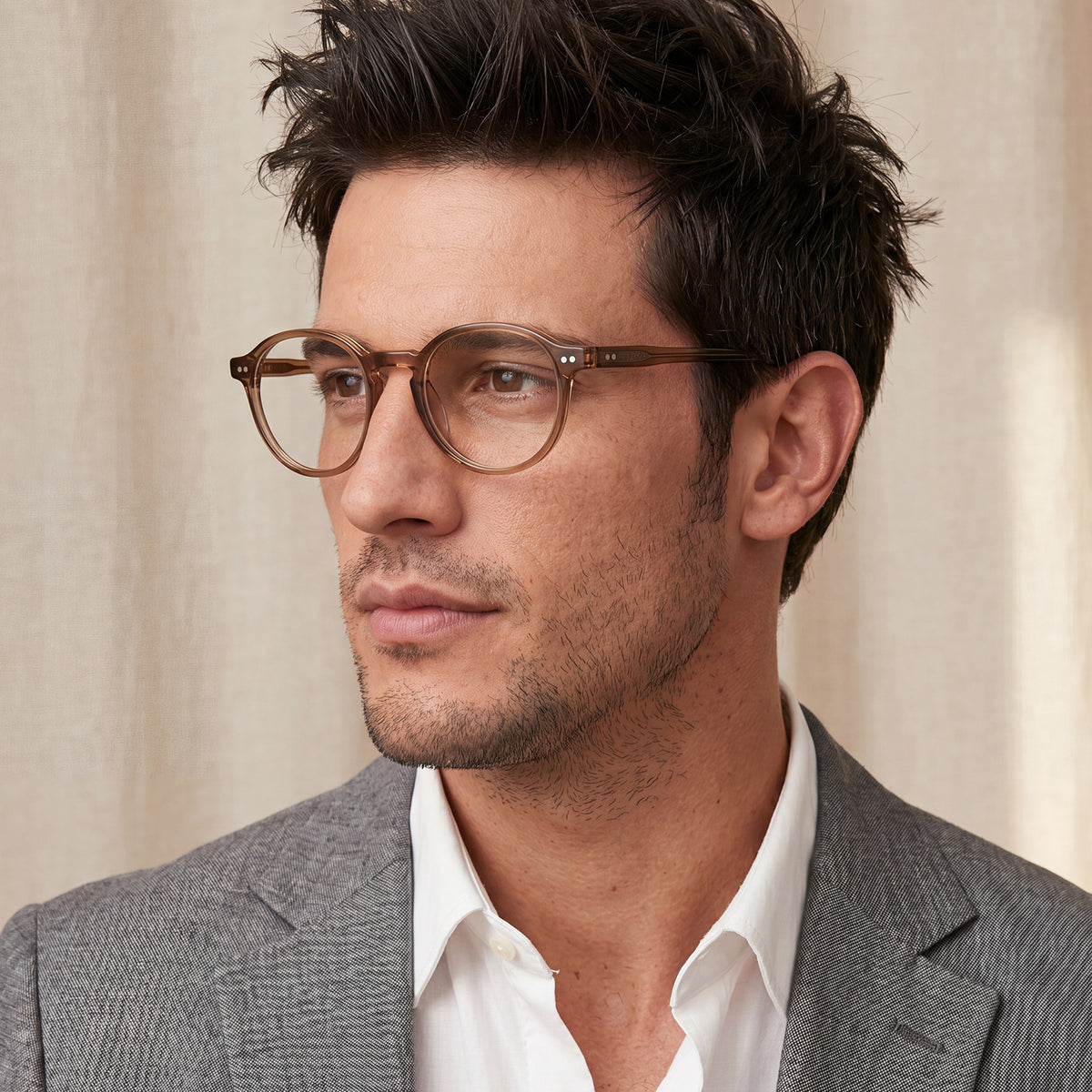
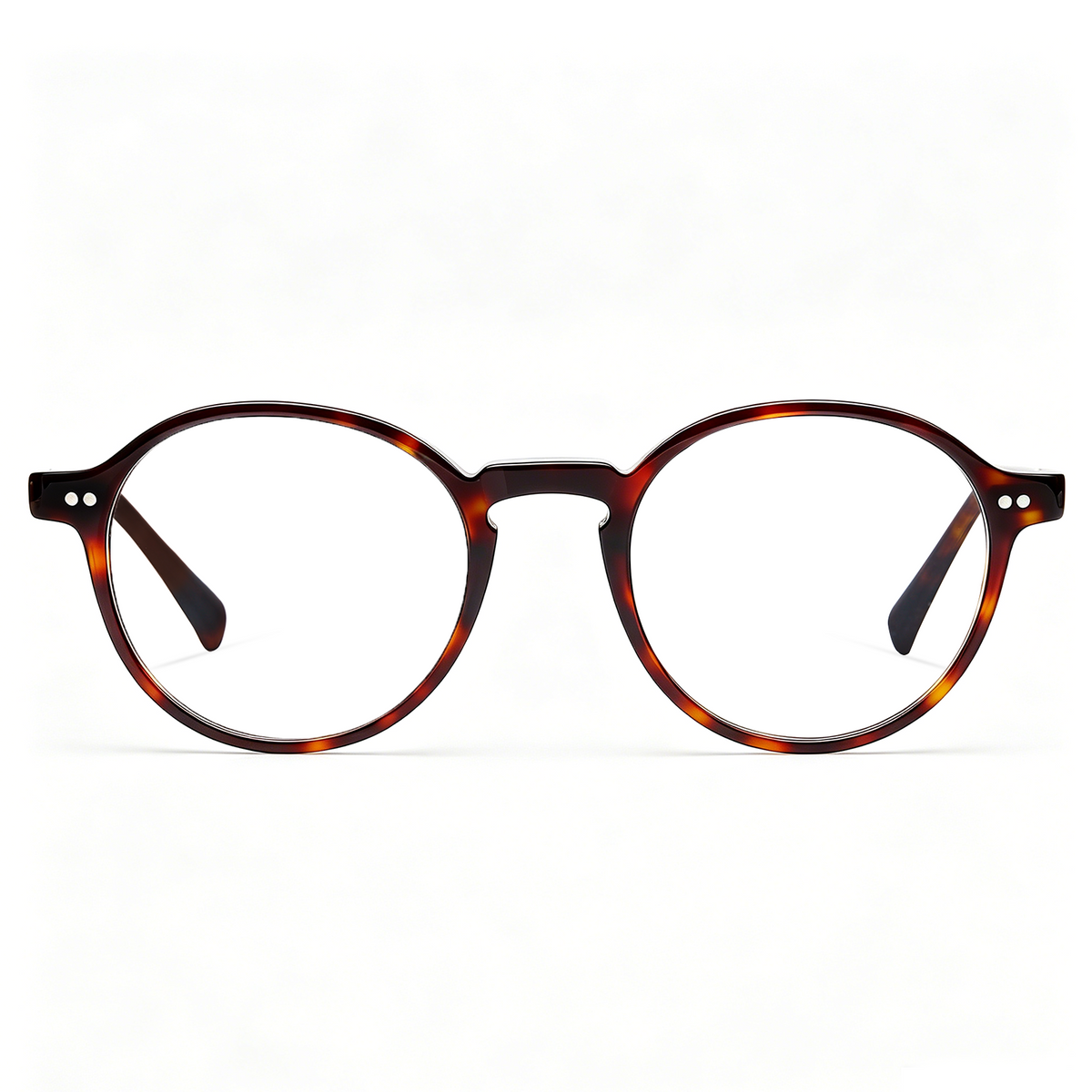
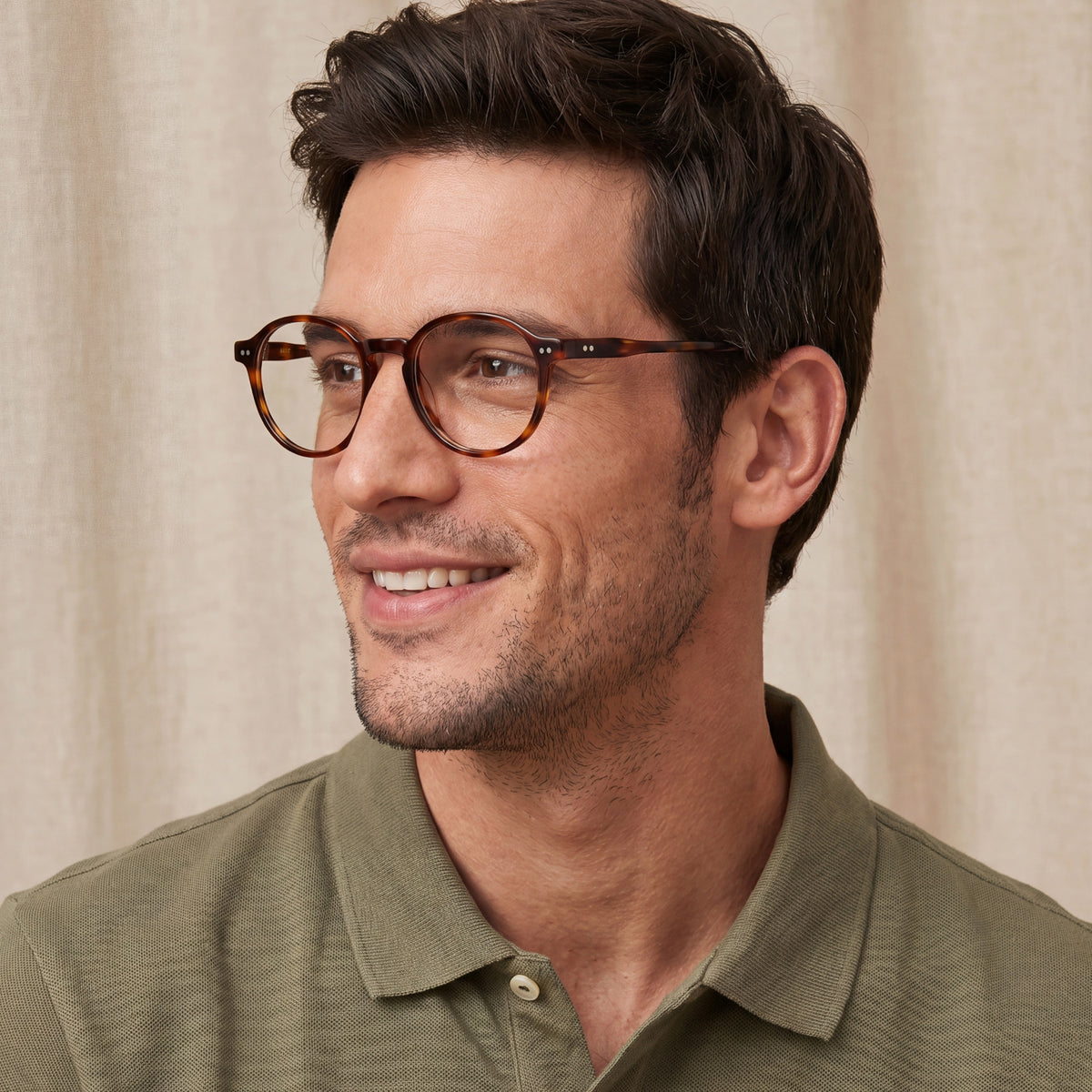
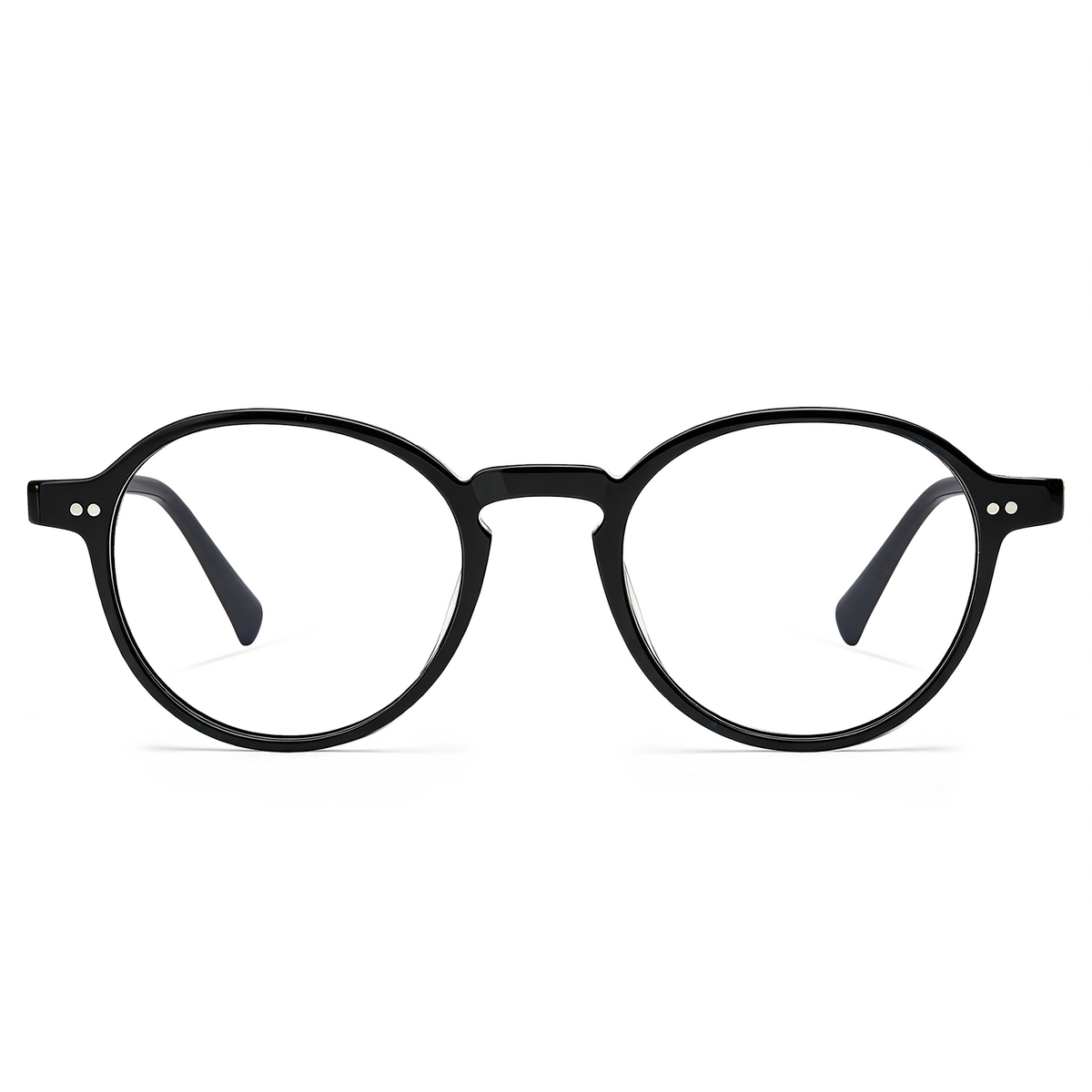

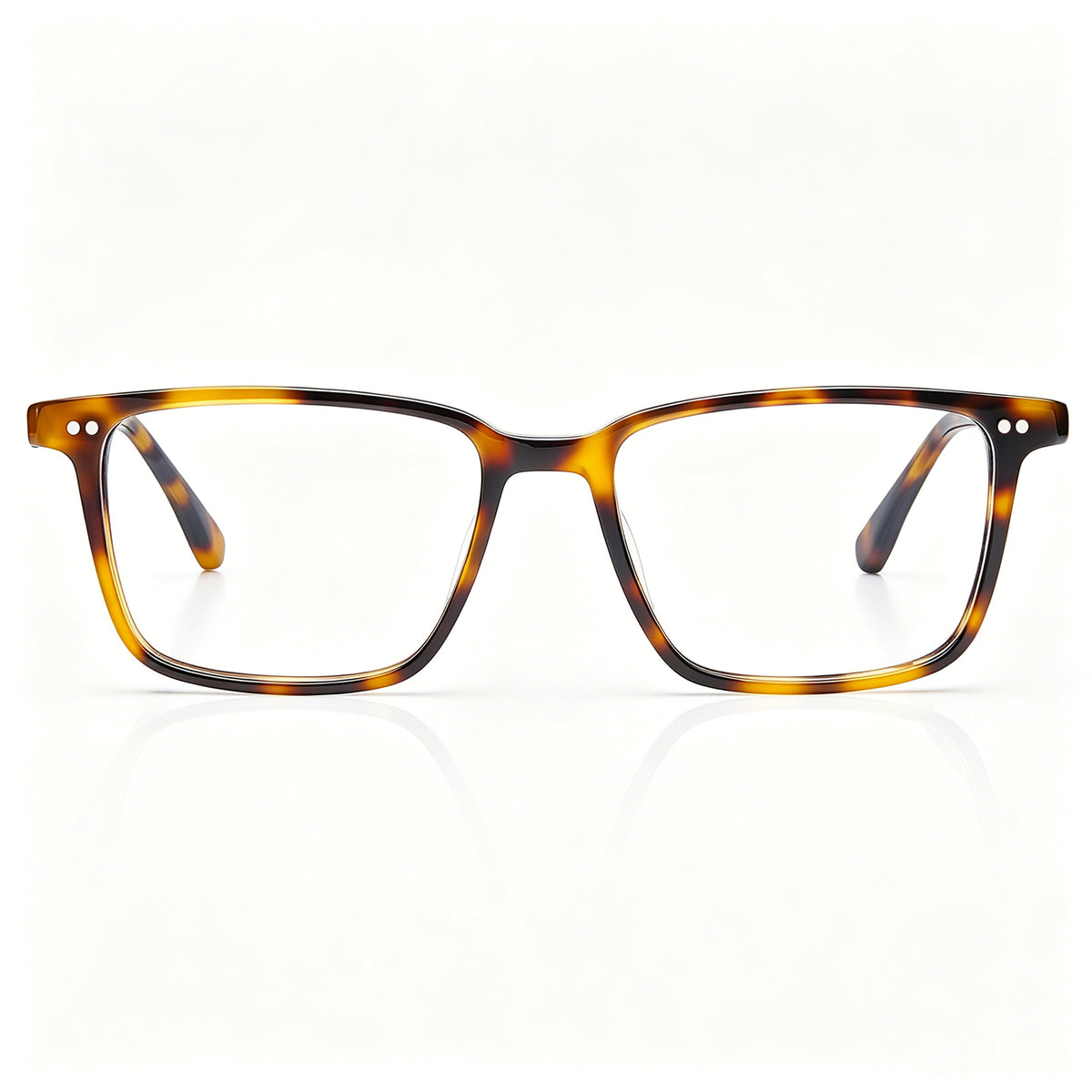
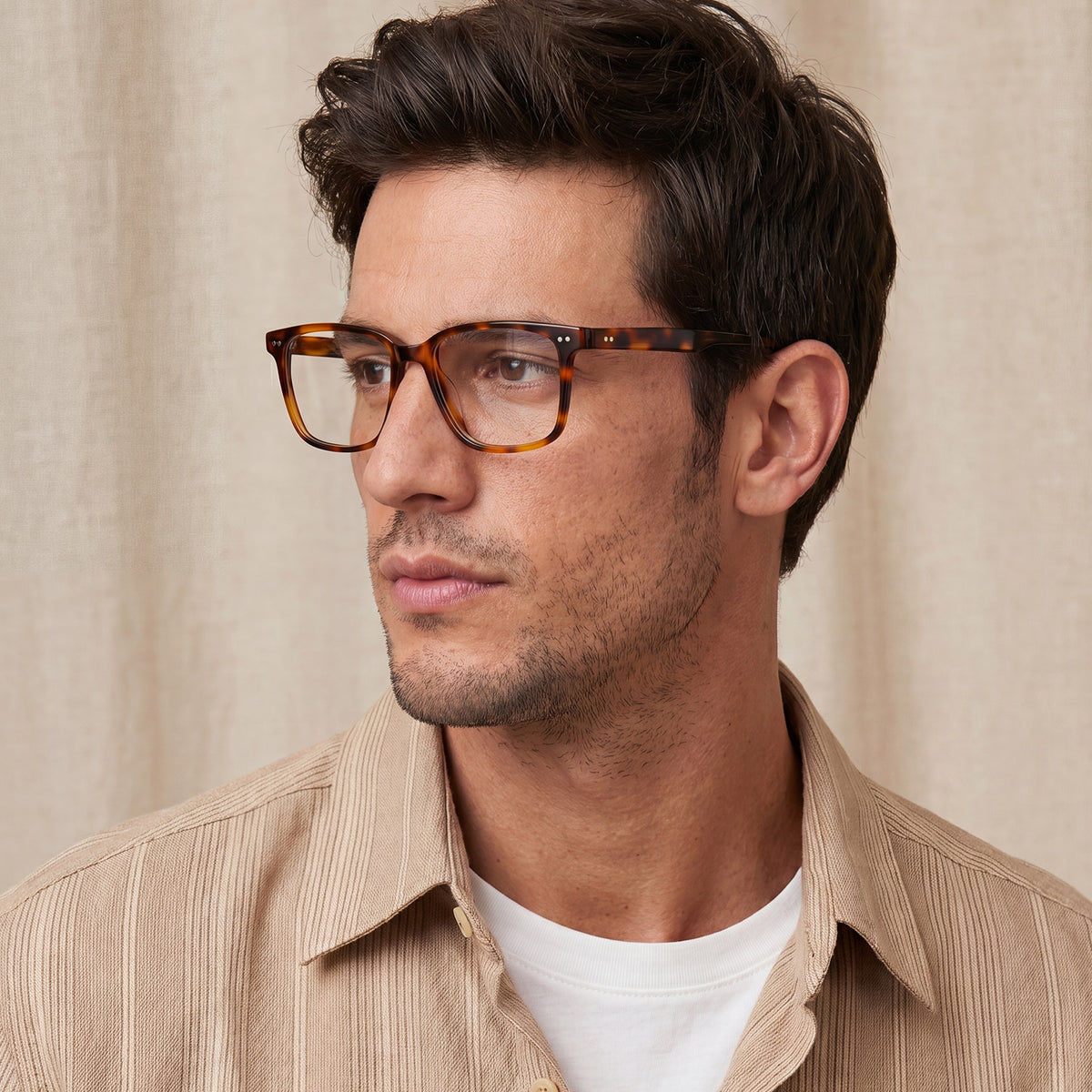
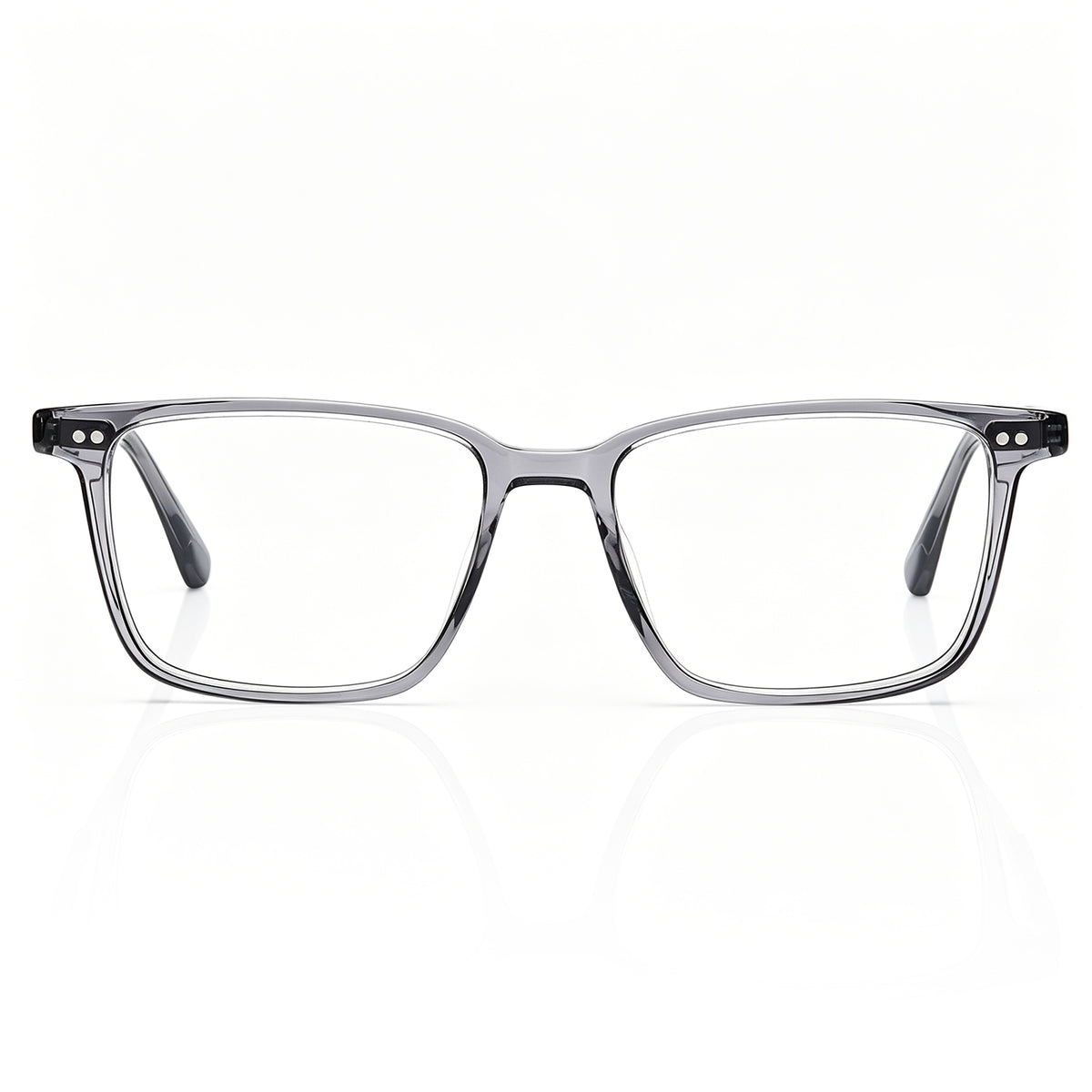








What are Progressive Lenses
Choosing the Perfect Progressive Glasses
Our Progressive lenses are multifocal lenses that provide clear vision at near, intermediate, and far distances with a seamless transition between viewing zones in one pair of glasses.

About Carfia Progressive Eyeglasses
Progressive lenses are for anyone who needs clear vision at more than one distance — most commonly people over 40 whose near vision has started to blur. Instead of juggling reading glasses and a distance pair, one progressive pair covers reading, computer work and driving. They can also be prescribed for younger wearers in specific cases.
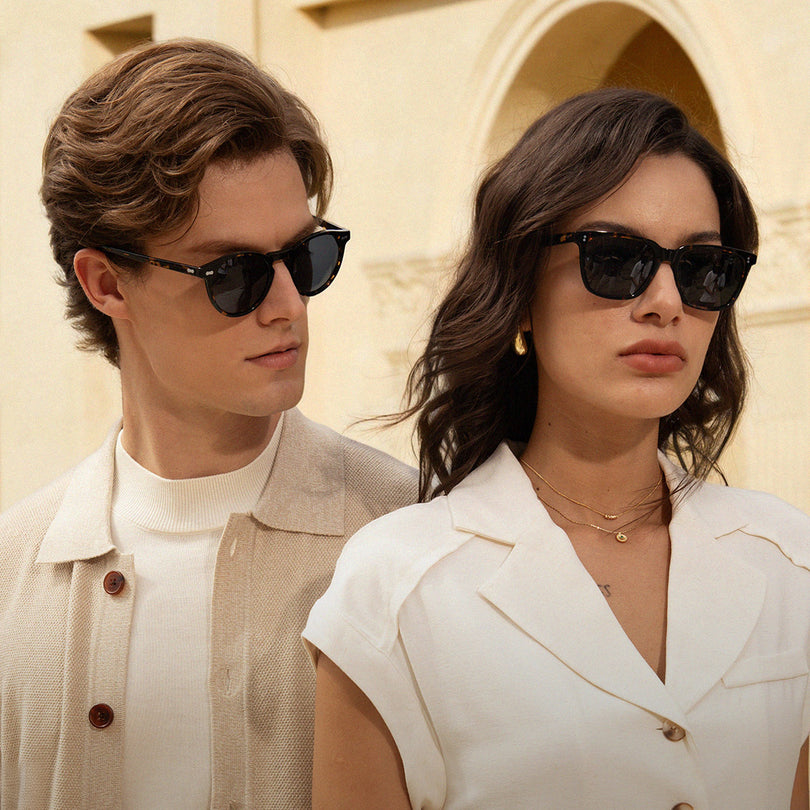
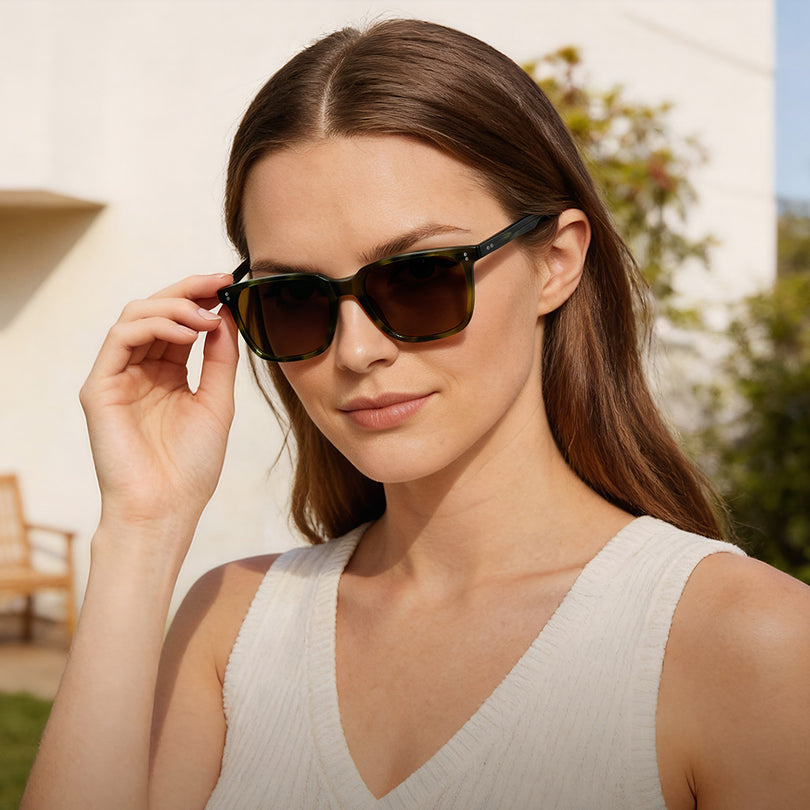
You can add a tint or a photochromic (light-adjusting) treatment to any progressive lens. Gradient and tinted options require a lens height above 36 mm. Anti-reflective and scratch-resistant coatings are applied as standard on Carfia lenses.
Bifocals have two viewing areas separated by a visible line. Progressive lenses have three blended viewing areas — distance, intermediate and near — with no line at all. That makes progressives better suited to computer work, meetings and driving, and far less noticeable on your face.
Yes. In fact, wearing them as much as possible from day one is the fastest way to adapt. If you spend very long hours at a desk, some wearers also keep a dedicated computer pair, but most people find that one well-fitted progressive pair covers the whole day.
Most wearers feel comfortable within the first week and stop noticing the lenses within two. Wear them as much as possible, and turn your head — not just your eyes — when you look at something near the edge of the frame.
Yes. All progressive lenses can be tinted or processed with a photochromic function. Note that gradient and tinted options require a lens height above 36 mm, so they may not fit very shallow frames.
You will need the sphere, cylinder, axis and ADD values for each eye, plus your PD. The ADD value is what makes a lens progressive — it is the additional magnifying power added at the bottom of the lens for near vision. If anything is unclear, send us a photo and we will check it for you.